Soap Making Blog
139 articles on cold process soap making, from beginner guides to advanced techniques.
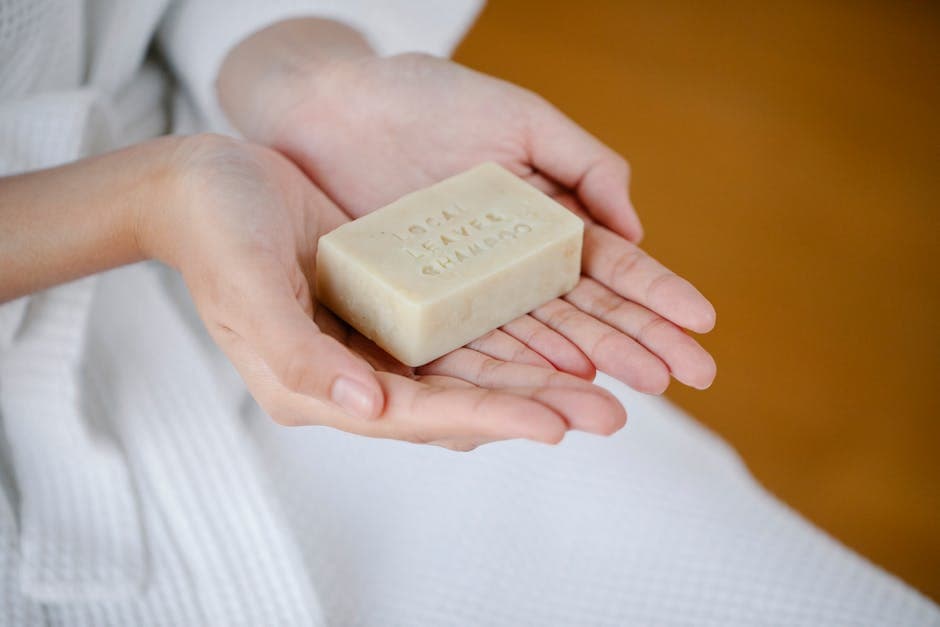
How to Make a Rice Water Shampoo Bar (That Won't Dry Out Your Hair)
How to make a rice water shampoo bar at home, with a cold-process recipe, a no-lye option, and the honest truth about what rice water does for hair.
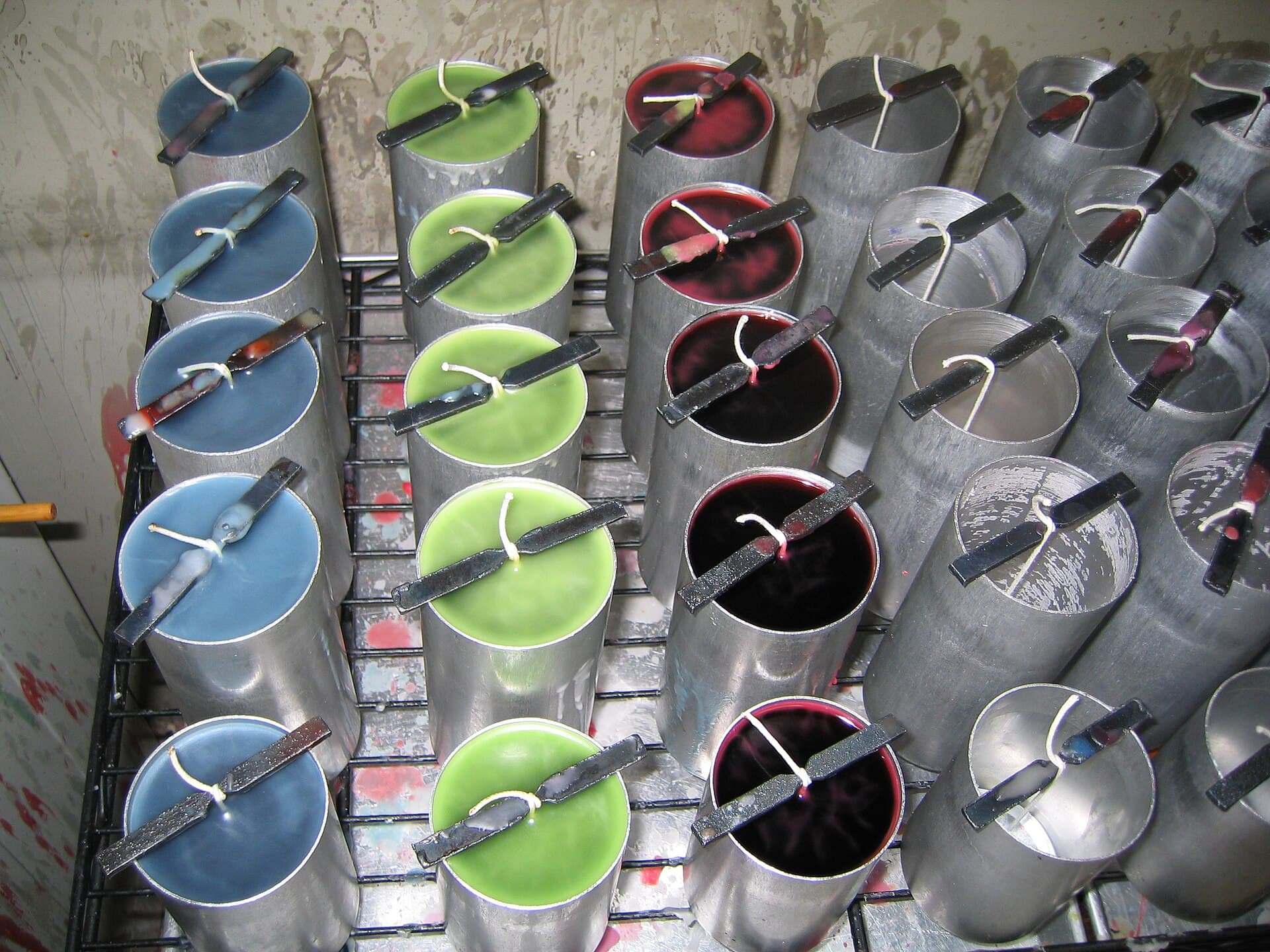
Why Is My Candle Tunneling? How to Fix Tunneling, Sinkholes, and Weak Scent Throw
Why is my candle tunneling? Almost always wick size or a short first burn. Diagnose tunneling, sinkholes, frosting, and weak scent throw, with fixes for each.
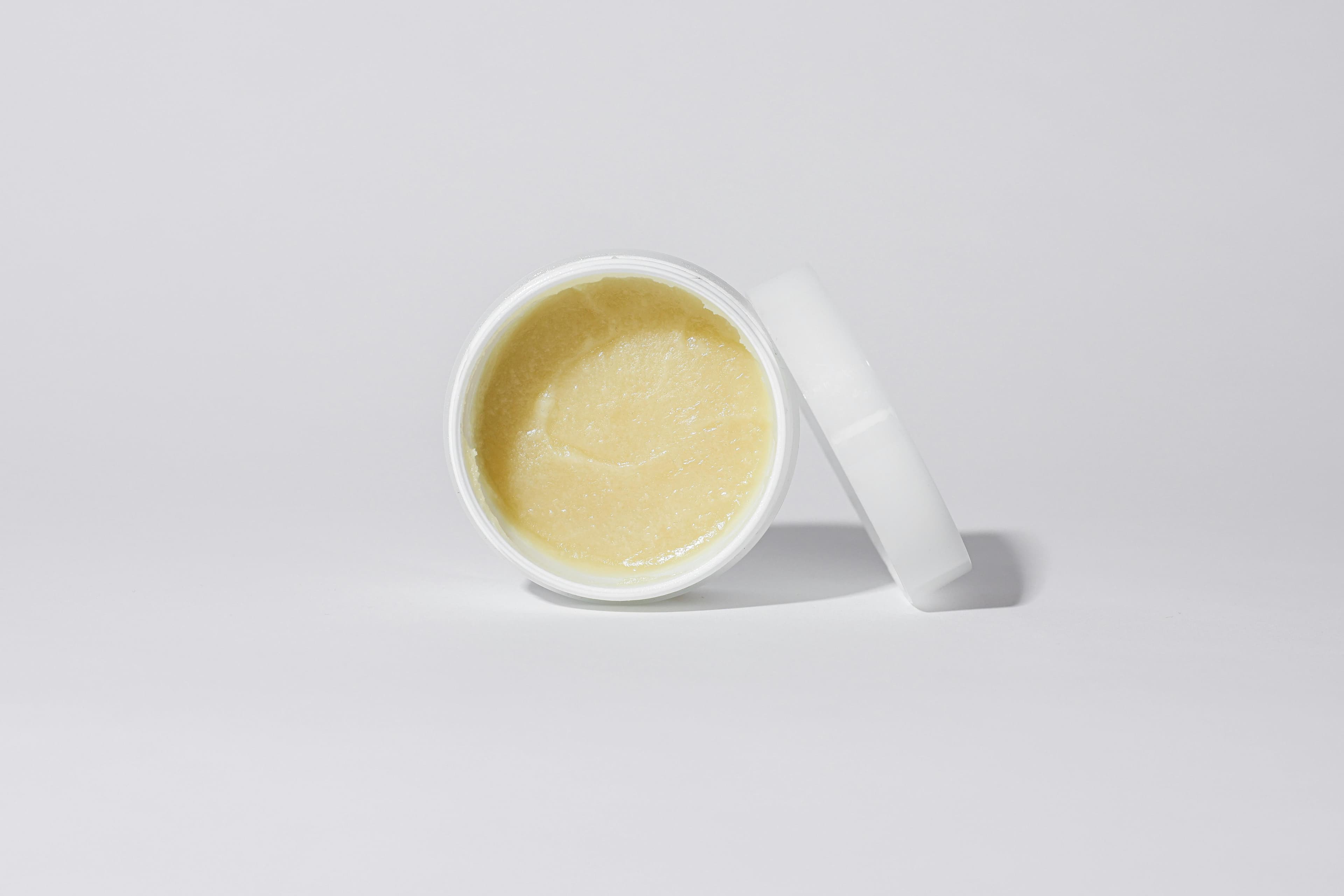
Body Butter vs Lotion: What's the Difference (and Which to Make)?
Body butter vs lotion: the real difference is water. Learn which to use for dry skin, why lotion needs a preservative, and which one you should make at home.
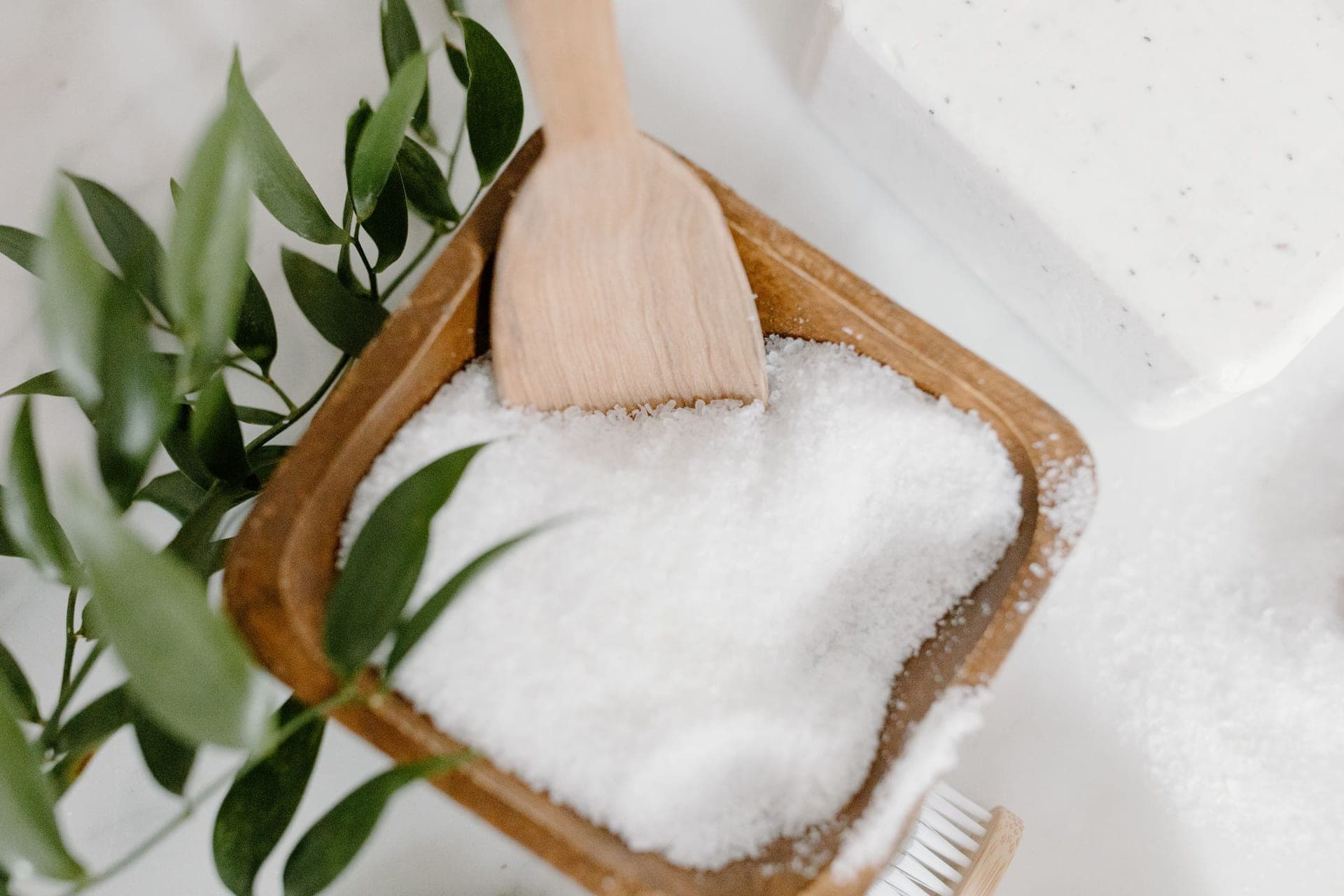
How to Make a Foot Soak That Soothes Tired, Dry Feet
Learn how to make a foot soak with Epsom salt and essential oils. Get the exact recipe, blends for cracked heels, sore feet, and odor, plus safety tips.
How to Make Bath Bombs Without Citric Acid (What Actually Works)
Can you make bath bombs without citric acid? Yes, with a dry-acid swap. The best cream of tartar substitute, a tested recipe, and fixes for weak fizz.
How to Make Beard Balm (DIY Recipe with Wax, Butter, and Oil Ratios)
How to make beard balm at home with beeswax, shea butter, and carrier oils. A DIY recipe, exact hold ratios, a vegan option, and how to fix a grainy batch.
How to Make Shower Steamers (Eucalyptus Recipe, No Oil)
How to make shower steamers at home with baking soda and citric acid. A eucalyptus congestion recipe, the no-oil rule, blends by mood, and fixes for fast fizz.
How to Make Wax Melts (A Wickless Recipe for Strong Scent Throw)
Learn how to make wax melts at home: which wax to use, how much fragrance for strong scent throw, pouring into clamshells, curing, and fixing weak throw.
How to Make Candles at Home (A Beginner's Recipe That Actually Works)
Learn how to make candles at home with a beginner soy candle recipe: the wax and fragrance math, wick sizing by jar diameter, curing, and common fixes.
How to Masterbatch Lye for Soap Making (The 50% Solution, Step by Step)
How to masterbatch lye for soap: why 50% is the standard, how to mix and store a lye stock solution safely, and the per-batch math so you never over-water.
How to Make Room Spray (DIY Recipe, Ratios, and How to Stop It Separating)
How to make room spray that doesn't separate: the water-to-alcohol ratio, how much fragrance to use, a simple 4 oz recipe, and linen and pillow spray variations.
How to Make a Face Serum (DIY Oil Serum Recipe and Ratios)
How to make a face serum at home: the oil-to-actives ratio, the best carrier oils by skin type, safe active percentages, and a simple 30ml recipe.
How to Make Massage Oil (DIY Recipe and Dilution Ratios)
How to make massage oil at home with the right carrier oils and a safe 2 percent essential oil dilution, plus a base recipe, drop counts, and scaling tips.
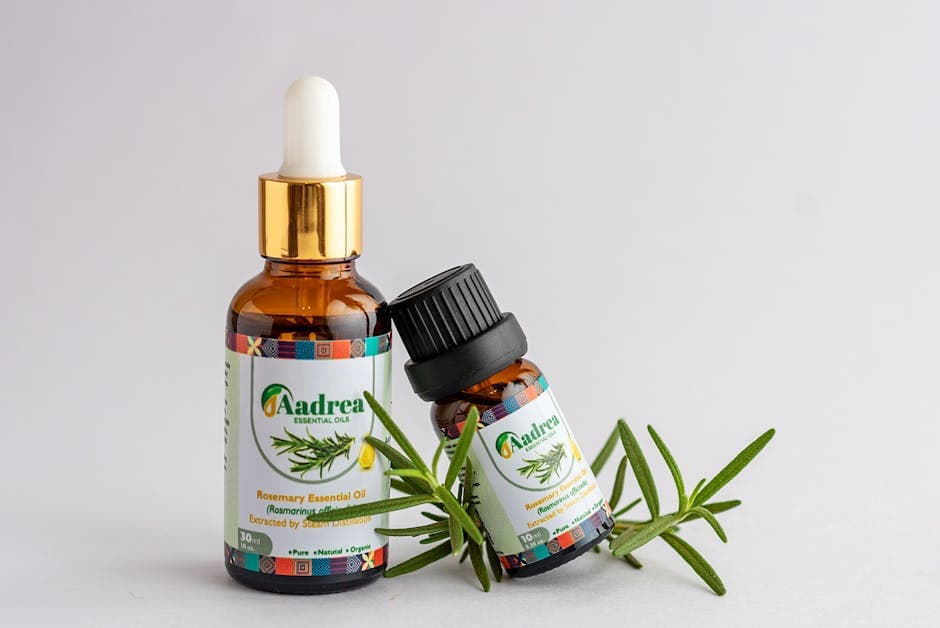
How to Make Solid Perfume (Beeswax Recipe and Ratios)
How to make solid perfume at home: the beeswax to oil ratio, a base recipe you can scale, how to blend notes, and fixes for perfume that is too hard or too soft.
How to Make a Salt Scrub (Salt-to-Oil Ratio and Two Recipes)
How to make a salt scrub at home with the right salt-to-oil ratio. Two recipes, oil-based and emulsified, plus which salt to pick and where not to use it.
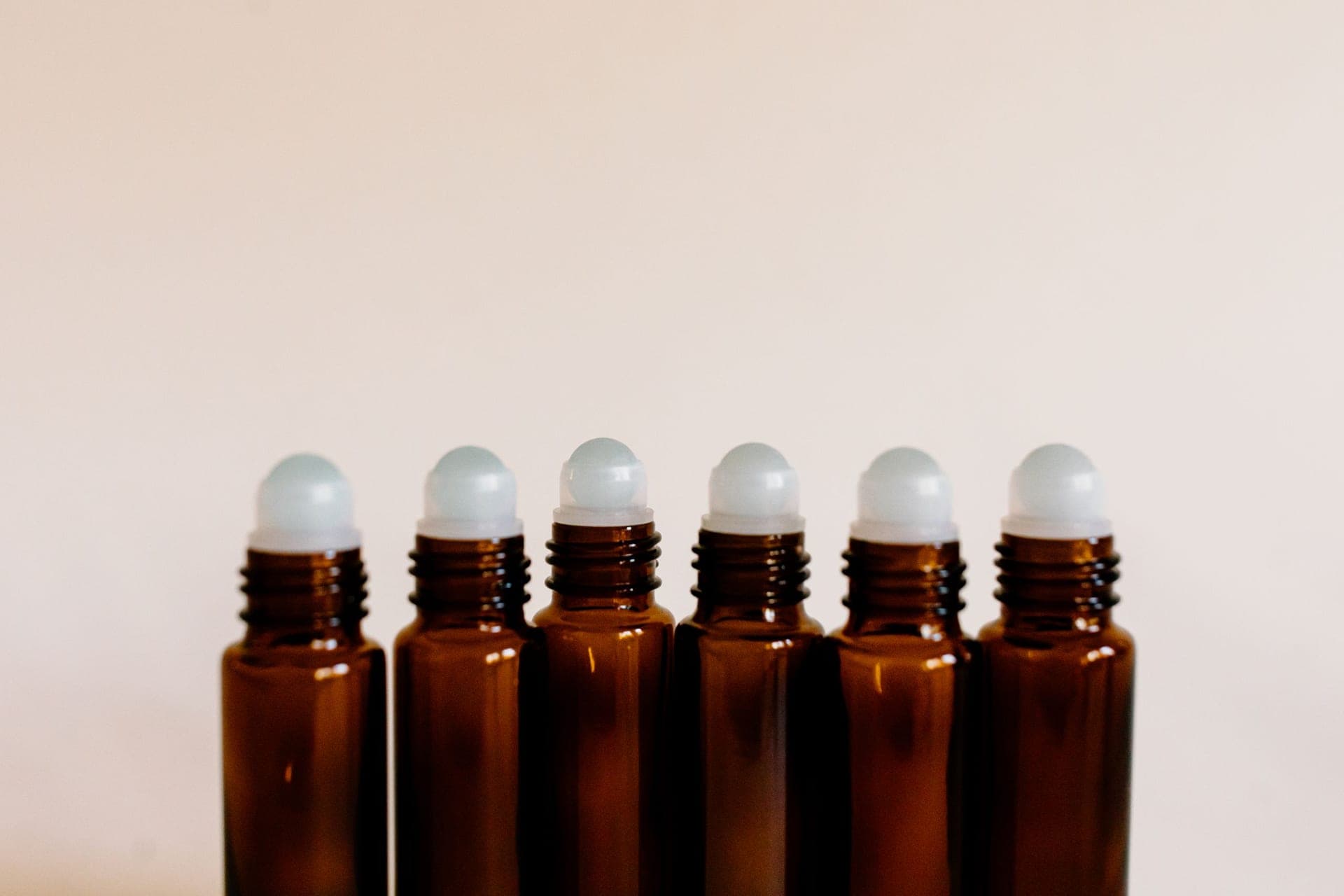
How to Make Perfume Oil (Roll-On Recipe and Blending Ratios)
How to make perfume oil at home: the right carrier oil, a 20 percent dilution, blending top, middle and base notes, and a simple roll-on recipe to scale.
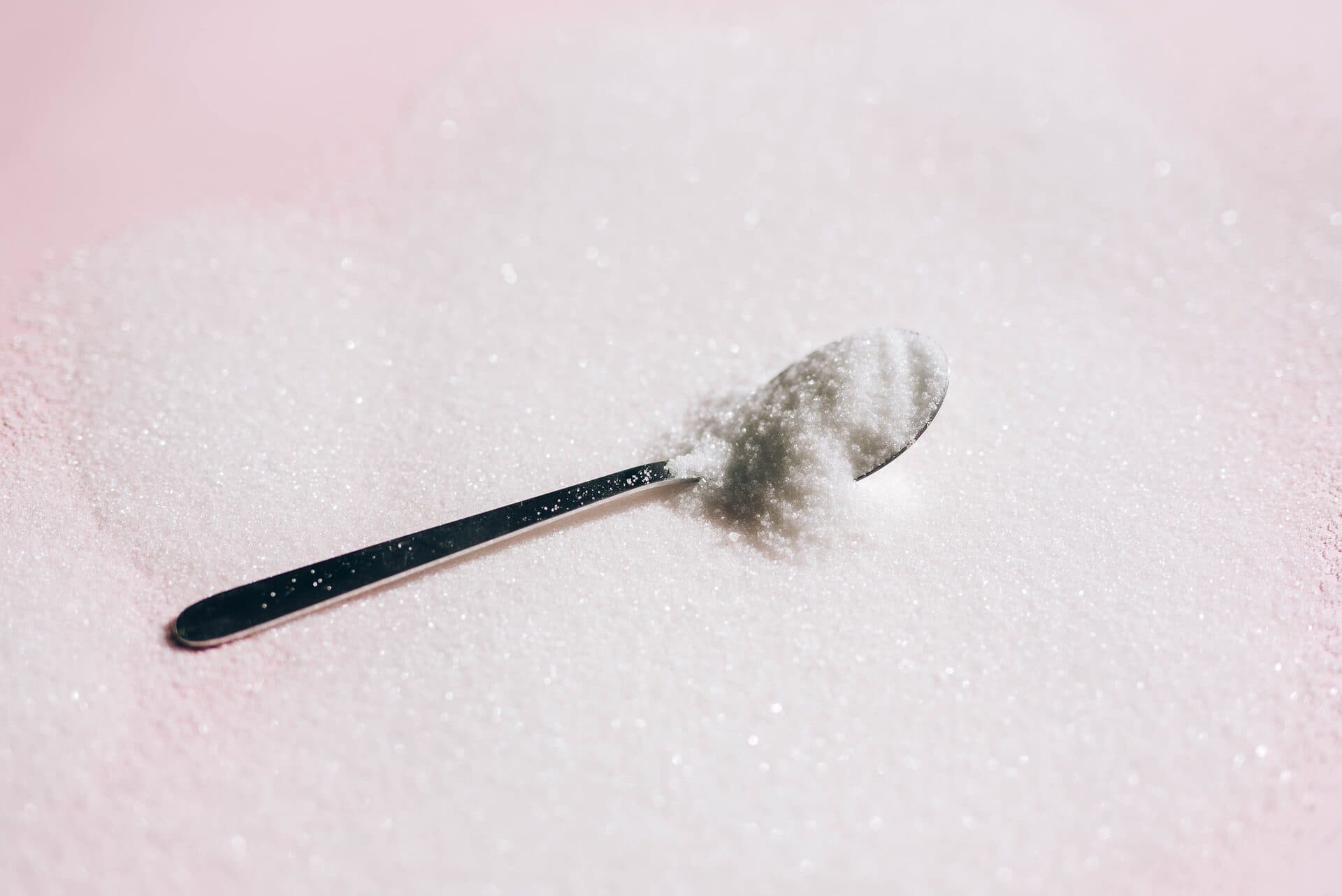
How to Make a Sugar Scrub (Basic Ratio and Two Recipes)
How to make a sugar scrub at home with the right sugar-to-oil ratio. Two recipes, an oil-based one and an emulsified one, plus scent and shelf-life tips.
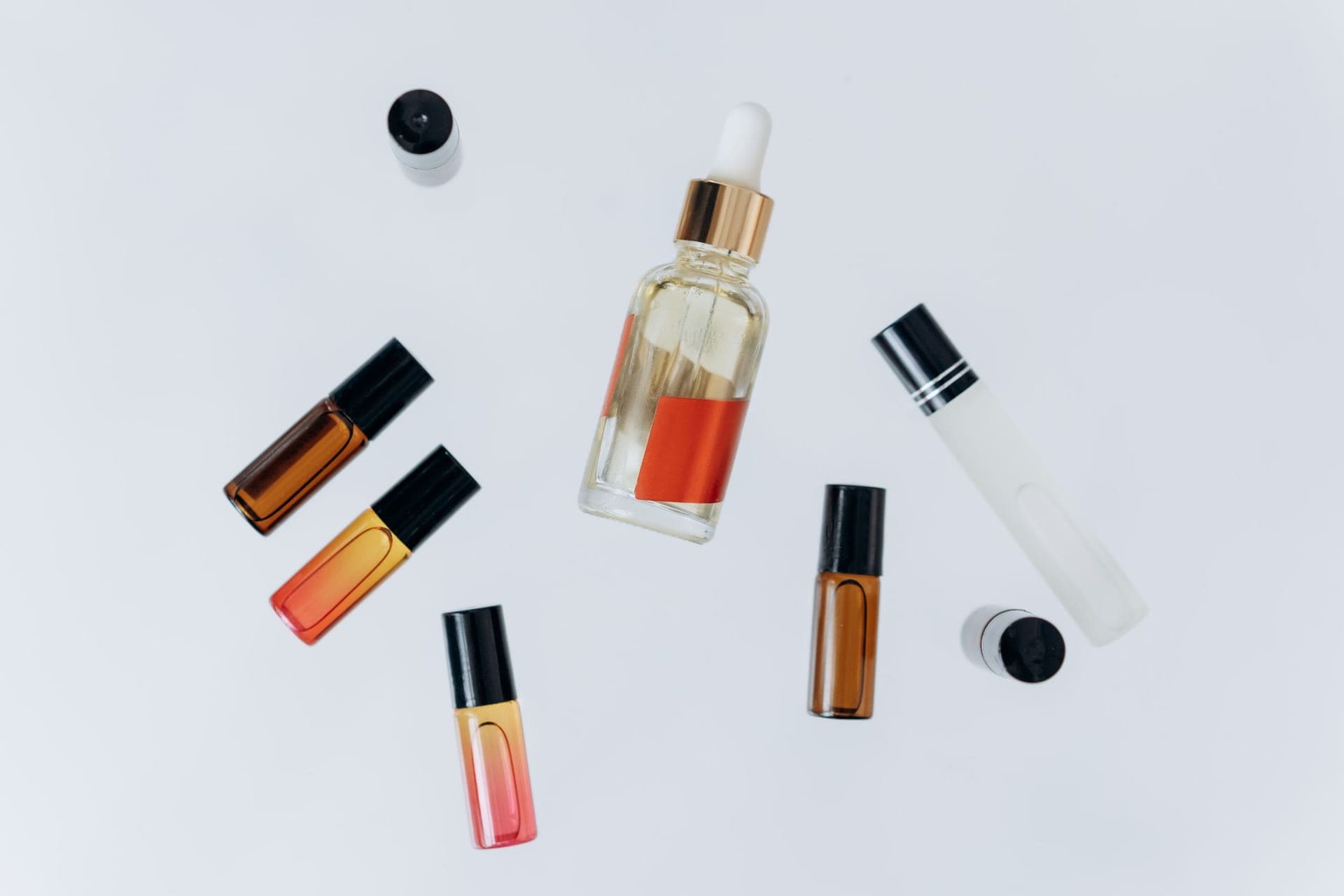
How to Make Beard Oil (DIY Recipe and Carrier Oil Ratios)
How to make beard oil at home with jojoba, argan, and castor oil. A DIY recipe with exact carrier oil ratios, safe essential oil dilution, and scaling tips.
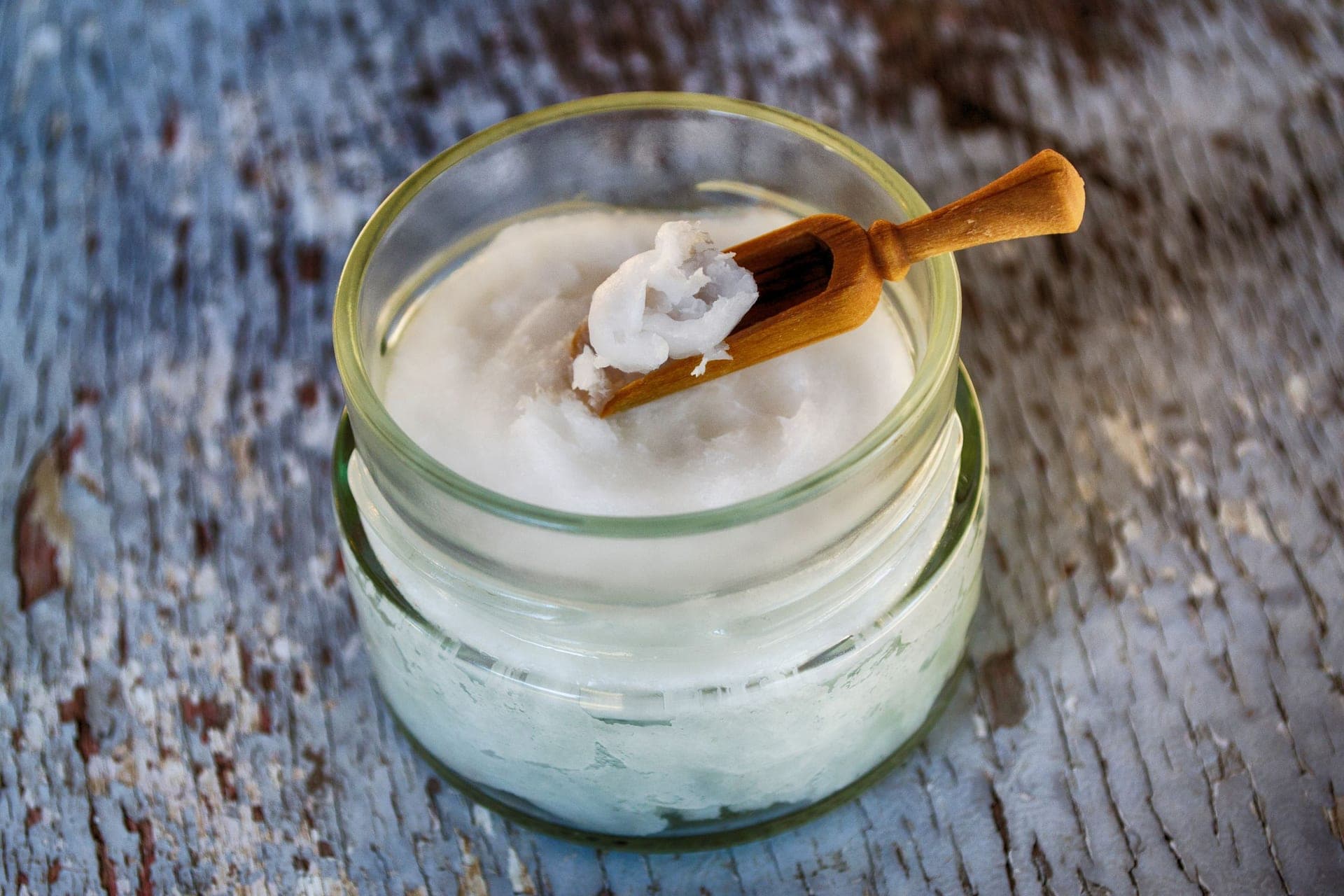
How to Make Natural Deodorant (Cream and Stick Recipes)
How to make natural deodorant at home with coconut oil, shea butter, and arrowroot. Cream and stick recipes, a baking-soda-free version, and exact amounts.
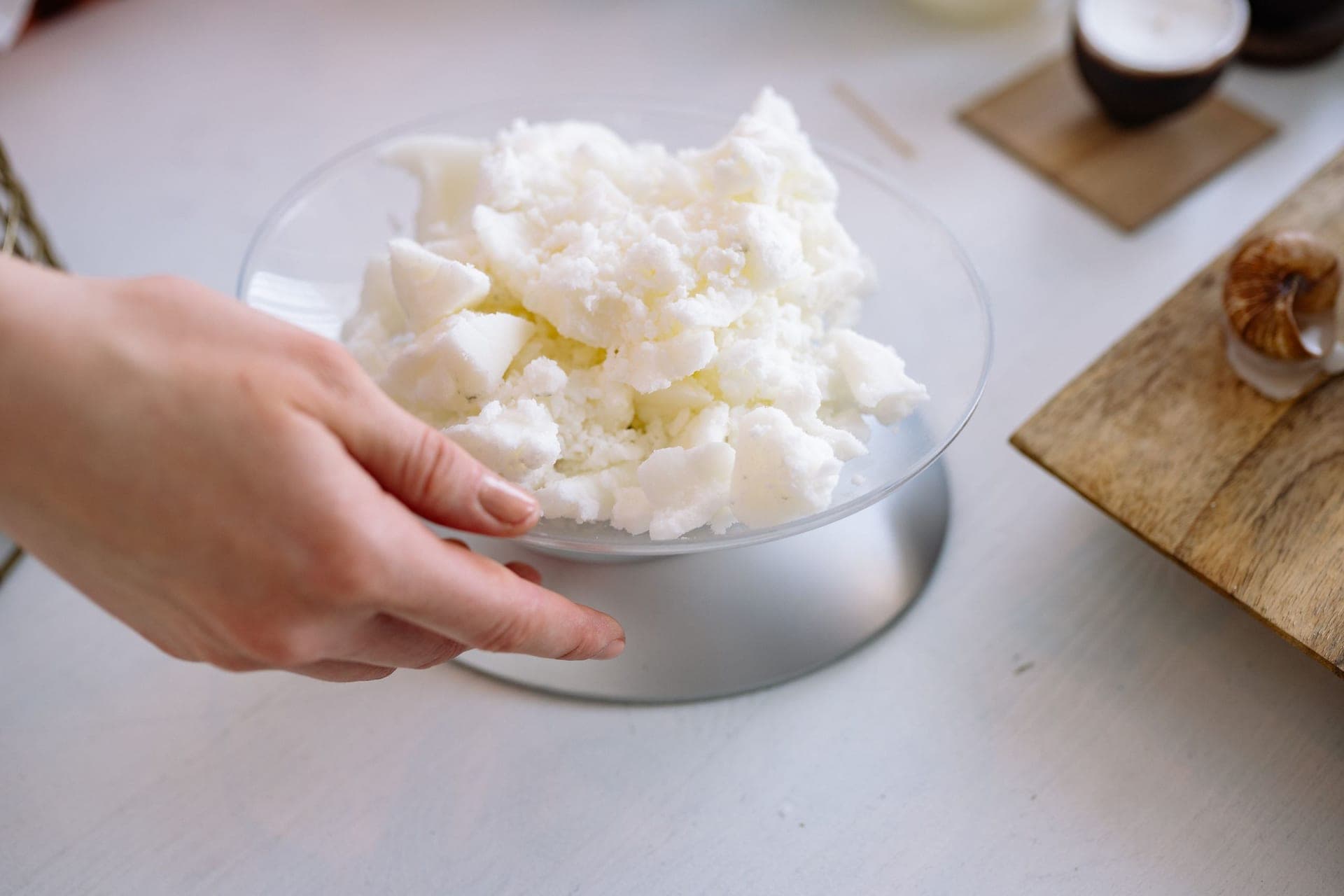
Soap Making Math: How to Calculate Lye by Hand
Soap making math is one formula: oil weight times SAP value, summed, minus superfat. Here it is worked by hand with a real recipe, plus the water math.
How to Make Bath Salts with Epsom Salt and Essential Oils
Learn how to make bath salts with Epsom salt and essential oils in 10 minutes. Get exact ratios, relaxing scent blends, and storage tips for a spa soak at home.
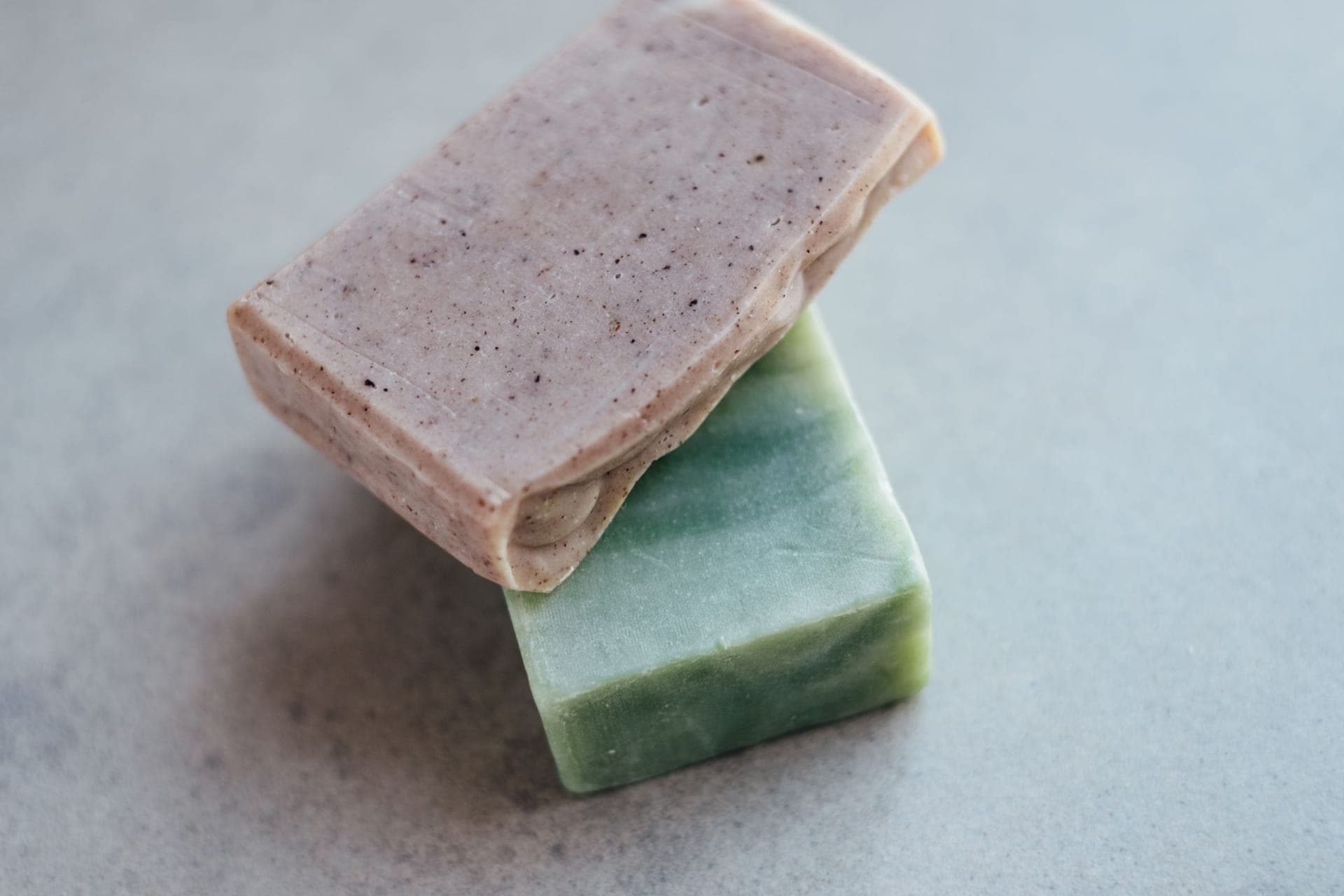
How to Make Aleppo Soap: The Ancient Olive and Laurel Recipe
Aleppo soap is a traditional Syrian bar made from olive oil, laurel berry oil, and lye. Here's what it is, its benefits, the laurel grading, plus a home recipe.
Where to Buy Essential Oils: A Soapmaker's Guide to Quality and Price
Where to buy essential oils for soap making and skincare, how to spot real quality, what to skip, and honest price ranges across 7 trusted sources.
How to Make Lip Balm: An Easy Beginner Recipe You Can Customize
Learn how to make lip balm at home with an easy 3-ingredient recipe. Get the wax-to-oil ratio, vegan and tinted versions, and fixes for soft or grainy balm.
Soap Making Tips in Your Inbox
Get practical tips, new recipes, and guides. No spam, unsubscribe anytime.
Ready to Make Soap?
Try our free soap calculator to get started. Calculate lye, water, and oils for your perfect recipe.
Open Calculator