How to Make a Rice Water Shampoo Bar (That Won't Dry Out Your Hair)
How to make a rice water shampoo bar at home, with a cold-process recipe, a no-lye option, and the honest truth about what rice water does for hair.
This article contains Amazon links. As an Amazon Associate, Soaply earns from qualifying purchases at no extra cost to you.
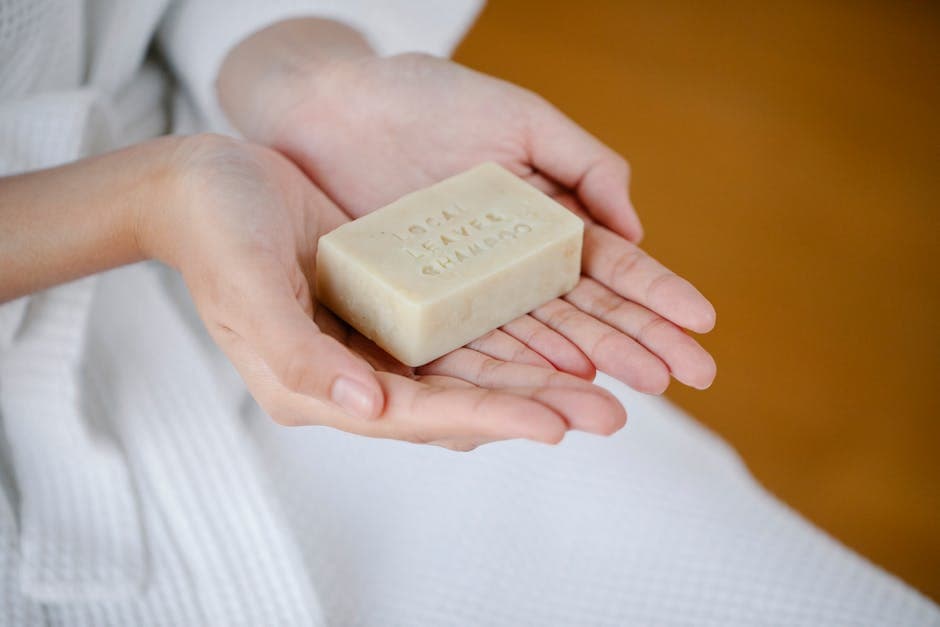
A rice water shampoo bar is a solid shampoo made with the starchy water left over from soaking or cooking rice, used in place of some or all of the plain water a bar recipe calls for. You can make one two ways. The first is a cold-process bar, where rice water stands in for the liquid you dissolve your lye in. The second is a syndet or melt-and-pour bar, where you stir rice water or hydrolyzed rice protein into a ready-made base and never touch lye at all. The cold-process route is the one you formulate from scratch, and you can run the oils and lye through the Soaply shampoo bar calculator before you start. This guide walks through both methods, shows you three ways to make the rice water itself, and gives you the honest story on what rice water does and doesn't do for hair.
Quick pick: If you'd rather buy than brew, search for a ready-made rice water shampoo bar and check the label for whether it's a true soap or a gentler syndet. If you're making your own, the only extras you'll want on top of your oils are a silicone soap mold and, optionally, a bottle of hydrolyzed rice protein for the strengthening claim without relying on starch alone.
- What a Rice Water Shampoo Bar Actually Is
- What Rice Water Does for Hair (and What It Doesn't)
- How to Make Rice Water Three Ways
- How to Make a Rice Water Shampoo Bar (Cold Process)
- A No-Lye Option: Syndet and Melt-and-Pour
- How to Use and Store Your Bar
- Common Problems and Fixes
- Frequently Asked Questions
What a Rice Water Shampoo Bar Actually Is
Before you pick a recipe, it helps to know that "shampoo bar" covers two very different things, and rice water fits into both.
A cold-process shampoo bar is real soap. You saponify oils with sodium hydroxide, and the rice water simply replaces the water you'd normally dissolve the lye in. Like any soap, the finished bar is mildly alkaline, with a pH usually around 9 to 10. That's fine for skin and for plenty of people's hair, but it does lift the hair cuticle, which is why a soap-based shampoo bar works best with an acidic rinse afterward. More on that below.
A syndet bar is not soap at all. It's built from mild synthetic surfactants such as sodium cocoyl isethionate, and it can be formulated close to hair's own slightly acidic pH. Most of the commercial bars sold as "rice water shampoo" are syndets, and they usually get their rice benefit from hydrolyzed rice protein rather than from the cooking water. A typical label reads something like sodium cocoyl isethionate, vegetable glycerin, hydrogenated castor oil, and hydrolyzed rice protein. If you've seen a bar that promises to match your scalp's pH, it's almost certainly a syndet.
So when someone says "rice water shampoo bar," they could mean either one. The cold-process version is the one a soap calculator helps with, so that's where we'll spend most of our time, with a no-lye option further down for anyone who wants the gentler route.
What Rice Water Does for Hair (and What It Doesn't)
Here's the part most recipes skip. The evidence for rice water is thinner than the internet suggests, so it's worth being straight about it before you commit a whole batch.
The one claim with real support is smoothing. A study from a Japanese cosmetics company found that the rinse water from washing rice reduced the surface friction of hair and slightly improved its elasticity, and the researchers pointed to inositol, a sugar alcohol in rice, as the main reason. That's a genuine cosmetic effect, if a modest one. It's why hair can feel slippery and easier to detangle after a rice water wash.
The catch from that same research: rice water used on its own tended to leave a flaky residue on the hair surface, and the scientists recommended refined inositol extracts over raw rinse water. That's a hint that more isn't better here.
The bigger claims, that rice water grows hair or repairs it from the inside, don't hold up as well. The famous example, the long-haired Yao women of Huangluo in China, almost certainly comes down to many factors beyond their rice rinses, and reviews of the topic keep landing on the same conclusion: the growth and repair evidence is largely anecdotal, and good clinical studies are missing. Treat rice water as a conditioning, smoothing ingredient, not a hair-growth treatment, and you won't be disappointed.
One real risk is worth flagging. Rice water adds starch and, if you use protein additives, protein. Too much of either can leave hair feeling dry, stiff, or straw-like, an effect sometimes called protein overload. Several people who've used rice water bars report exactly this after a few weeks. The fix is simple and we'll cover it: use it less often and alternate with a plain conditioning bar.
How to Make Rice Water Three Ways
You need the rice water before you make the bar. All three methods start with about half a cup of uncooked white or brown rice, rinsed once to wash off loose dust so you're not bottling grit.
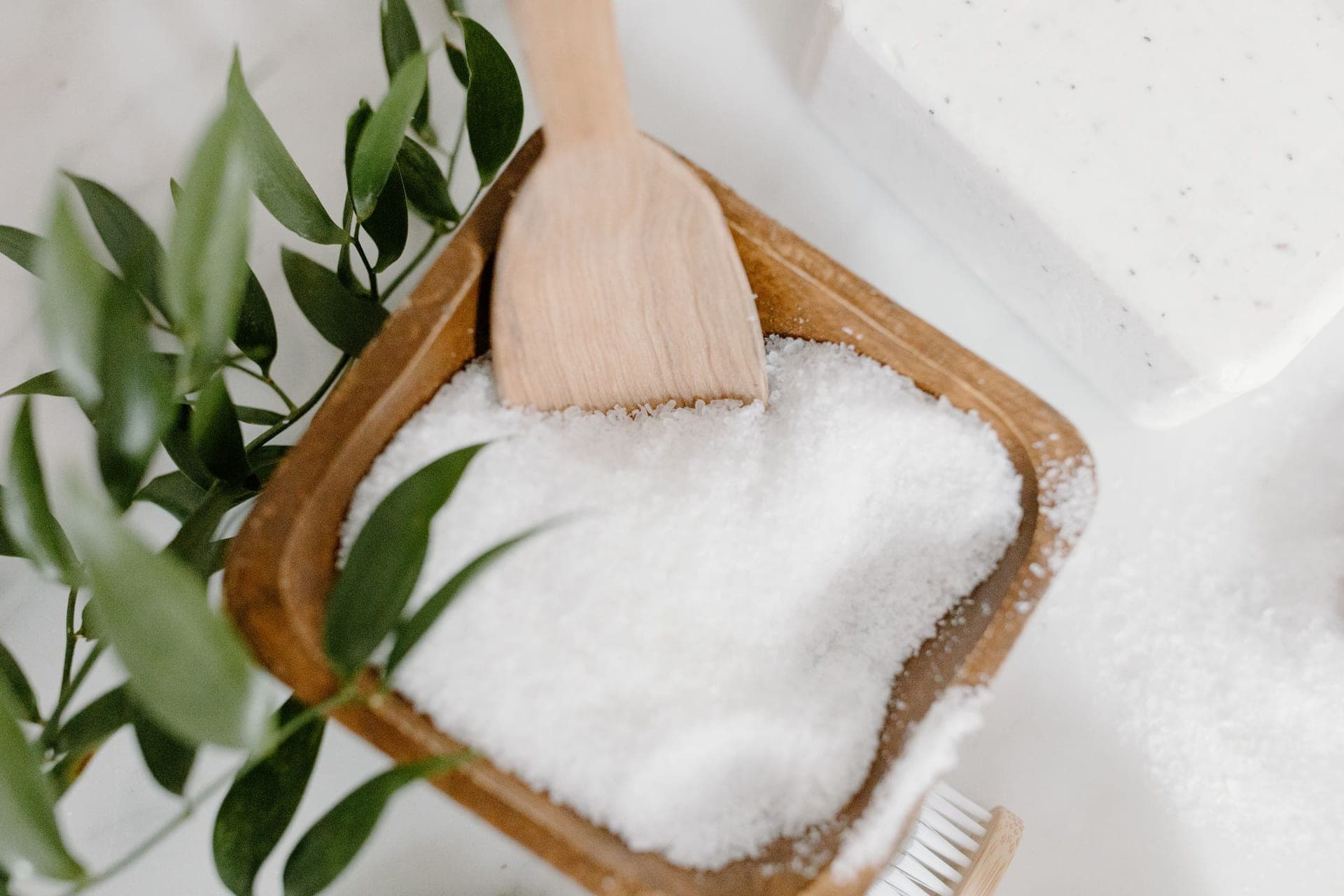
Soaked rice water (quickest, mildest). Put the rinsed rice in a bowl with two to three cups of room-temperature water, swirl it, and let it sit for 30 minutes, stirring once or twice. Strain off the cloudy water and you're done. This is the gentlest version and the easiest to control.
Boiled rice water (more concentrated). Cook your rice in extra water, then pour off and keep the starchy liquid once it cools. It's richer in starch than the soaked version, so dilute it with plain water until it's just lightly cloudy before you use it. Concentrated starch is where the stiff, flaky feel comes from.
Fermented rice water (strongest and most debated). Leave soaked rice water covered at room temperature for 12 to 24 hours until it smells faintly sour, then strain. Fermenting lowers the pH and, fans argue, frees up more of the useful compounds. It also smells unmistakable, and leaving it too long turns it genuinely unpleasant and more likely to irritate. If you ferment, dilute it well and don't push past a day.
Whichever you choose, keep the rice water in the fridge and use it within a few days. If it smells off or looks slimy, pour it out and make a fresh batch. Fresh liquid is one less thing that can turn your bar rancid later.
How to Make a Rice Water Shampoo Bar (Cold Process)
Here's the important technique point: rice water behaves like milk in cold-process soap. It carries sugars and starch, and those react with the heat of the lye. Dump sodium hydroxide into room-temperature rice water and it can scorch, turn orange or brown, and heat up fast enough to volcano. The workaround is the same one soapers use for milk soap: chill the liquid hard, and add the lye slowly.
Start with a hair-friendly oil blend. Shampoo bars do better with a bit more conditioning and a slightly higher superfat than a body bar, so the soap cleans without stripping. Here's a balanced starting point by weight:
| Oil | Percentage | What it does |
| --- | --- | --- |
| Coconut oil | 25% | cleansing and lather |
| Olive oil | 30% | gentle, conditioning body |
| Castor oil | 15% | boosts and stabilizes lather |
| Shea butter | 15% | conditioning, reduces stripping |
| Sweet almond or avocado oil | 15% | softening, extra glide |
Run that blend through the Soaply shampoo bar calculator to get your exact sodium hydroxide and liquid amounts. Don't guess the lye from a recipe you found elsewhere, since the amount depends on the precise oils and the weight you're making. Set the superfat to 6 to 8 percent for hair, pick a lye concentration around 33 percent, and use your rice water as the full liquid. If you're new to the tool, the guide to using a soap calculator walks through each field.
Then make it like this:
- Freeze your measured rice water into cubes, or chill it to a slush. Cold liquid keeps the sugars from scorching.
- Weigh and melt the coconut oil and shea butter, then stir in the liquid oils so the whole oil blend lands around 90 to 100 F.
- Working in a ventilated spot with gloves and goggles, add the lye to the frozen rice water a little at a time, stirring constantly, and keep the container in an ice bath. It'll still turn tan or amber. That color is normal.
- When both are near 90 to 100 F, pour the lye solution into the oils and blend to a light trace. Keep it cool and don't rush to a thick trace.
- Stir in any extras at trace: a tablespoon of hydrolyzed rice protein per pound of oils, a little inositol, or your essential oils. Keep additives small.
- Pour into your silicone mold. Because the rice sugars make the batch run hot, leave it uncovered on the counter rather than insulating it, so it doesn't overheat and crack.
- Unmold after 24 to 48 hours, cut into bars, and cure them 4 to 6 weeks. Curing matters as much here as with any soap, and the curing guide explains why a longer cure gives a harder, milder, longer-lasting bar.
Before you rely on it daily, it's worth checking the finished bar's pH. A quick soap pH test tells you the bar has fully saponified and sits in the normal soap range. If you want the full walkthrough of a standard bar first, the complete shampoo bar guide is the place to start, and this rice water version is a variation on it.
A No-Lye Option: Syndet and Melt-and-Pour
If the alkaline pH of true soap worries you, or you just don't want to handle lye, you have two no-cook-chemistry routes that match what most store-bought rice water bars really are.
The closest match to a commercial bar is a syndet. You melt sodium cocoyl isethionate noodles with a little butter and glycerin, work in hydrolyzed rice protein and a touch of your rice water, and press the paste into a mold. A syndet can be dialed to a scalp-friendly pH around 5 to 6, which is gentler on the hair cuticle than soap and usually skips the need for an acidic rinse. It takes some practice and specific surfactants, so it's a step up in sourcing, not in danger.
The easiest route of all is melt-and-pour. Grate or cube a clear glycerin soap base, melt it gently, stir in a spoon of rice water or rice protein once it's off the heat, and pour. It won't carry much rice water before it gets soft, so keep the addition small. This won't perform like a dedicated hair bar, but it's a fine weekend project and a no-risk way to try the idea. The tradeoff across all of these is the same: you give up control over the exact fatty acid profile that cold process gives you, which is what the oils guide is all about.
How to Use and Store Your Bar
Wet your hair thoroughly, then either rub the bar between your hands to build lather or glide it straight along your scalp a few times. Massage the lather in with your fingertips, focus on the roots, and rinse until the water runs clear.
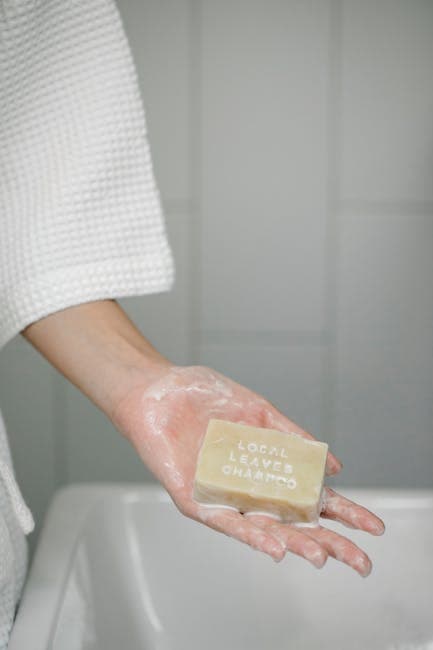
If you made a cold-process soap bar, finish with an acidic rinse. Mix one to two tablespoons of apple cider vinegar into a cup of water, pour it over your hair after rinsing, wait a few seconds, and rinse again. The acid flattens the cuticle that the alkaline soap lifted, which is the difference between hair that feels slick and hair that feels like straw. The castile soap shampoo article goes deeper on why soap-based hair washing needs that step.
Between washes, let the bar dry out on a draining dish or a slatted soap holder. A bar that sits in its own puddle turns soft and disappears fast. And because of the starch-and-protein dryness mentioned earlier, treat a rice water bar as a once- or twice-a-week bar rather than your everyday wash, and alternate it with a plain, oil-rich conditioning bar. Your hair tells you quickly if you've overdone it.
Common Problems and Fixes
Hair feels dry, stiff, or straw-like. This is the classic starch or protein overload. Use the bar less often, cut or drop the rice protein, always follow with the vinegar rinse, and alternate with a conditioning bar. Give it a week or two to recover.
The bar came out dark brown or scorched. The rice sugars overheated when they met the lye. Next time, freeze the rice water solid, add the lye more slowly in an ice bath, and don't insulate the mold.
It barely lathers. Usually too little coconut or castor oil, or the bar is still young. Make sure castor sits around 15 percent, keep coconut near 25 percent, and give the bar the full cure before you judge it.
It smells sour or goes off. Either you used fermented rice water that was too far gone, or your oils are turning rancid. Use fresh, well-strained rice water, store the cured bars somewhere cool and dry, and add a little rosemary oleoresin to the oils to slow oxidation.
💬 Frequently Asked Questions
Is a rice water shampoo bar good for your hair?
It can be, for smoothness and shine. Rice water contains inositol, which reduces surface friction and helps hair feel softer and detangle more easily. The stronger claims about growth and repair aren't well supported, and overusing rice water can actually dry hair out, so think of it as a conditioning bar, not a treatment.
Can I just add rice water to melt-and-pour soap?
Yes, in small amounts. Melt your glycerin base, take it off the heat, and stir in a spoonful of rice water or rice protein before pouring. Too much makes the bar soft and sweaty, so keep the addition light and use the bar within a few weeks.
How often should I use a rice water shampoo bar?
Once or twice a week is plenty for most people. Rice water's starch and any added protein can build up and leave hair stiff with daily use. Alternate it with a gentler conditioning wash and always follow a soap-based bar with a diluted vinegar rinse.
Does a rice water shampoo bar make hair grow faster?
There's no solid clinical evidence that it does. The long hair often credited to rice water, like that of the Yao women of Huangluo, likely comes from many factors. What rice water reliably offers is a temporary smoothing and conditioning effect, not faster growth.
How long does a homemade rice water shampoo bar last?
A well-cured cold-process bar keeps for a year or more if you store it cool and dry and let it dry between uses. The rice water you make separately is the perishable part, so keep it in the fridge and use it within a few days, or freeze it in cubes for your next batch.
Pick your route, soaked rice water for an easy first try or fermented for a stronger version, and formulate the bar around oils your hair actually likes. When you're ready to build the recipe, set your oils and superfat in the Soaply shampoo bar calculator and let it handle the lye math so your very first rice water bar comes out balanced.
Ready to Try It?
Use the free Soaply shampoo bar calculator to size your batch and get every ingredient in grams and percent.
Open Calculator