How to Make a Face Serum (DIY Oil Serum Recipe and Ratios)
How to make a face serum at home: the oil-to-actives ratio, the best carrier oils by skin type, safe active percentages, and a simple 30ml recipe.
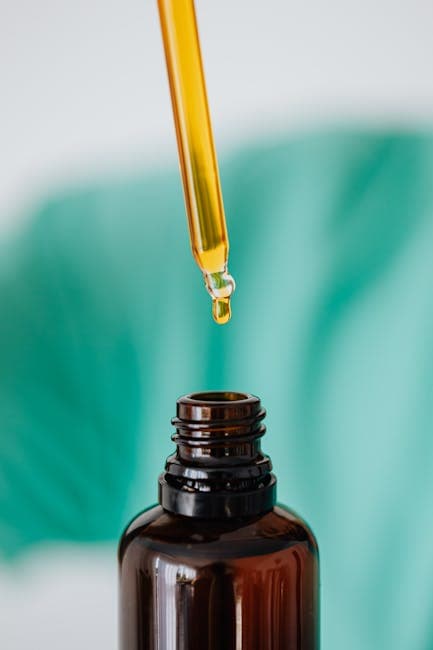
To make a face serum you blend a few lightweight carrier oils in a small dropper bottle and, if you want them, add a low dose of active ingredients like vitamin C or vitamin E. A reliable everyday formula for a 30 mL (1 oz) bottle is 15 mL jojoba, 9 mL rosehip seed oil, and about 5.5 mL argan, plus roughly 6 drops of vitamin E. Cap it, roll it between your palms to mix, and you've got a facial oil that would run $30 or more on a shelf for a couple of dollars in ingredients. The blending takes five minutes. What trips people up is the ratio of oils to actives and picking oils that suit their skin, because the wrong carrier can clog pores and the wrong active percentage can sting or go to waste. This guide covers both, and lets you resize any recipe in seconds with the Soaply face serum calculator.
- Oil Serum vs Water Serum: Know Which One You Want
- The Basic Face Serum Formula
- Best Carrier Oils for a Face Serum
- A Simple Face Serum Recipe
- Recipes by Skin Type
- Choosing Active Ingredients and Safe Percentages
- How to Blend, Bottle, and Store
- Common Face Serum Mistakes
- Frequently Asked Questions
Oil Serum vs Water Serum: Know Which One You Want
Before you buy a single ingredient, sort out which kind of serum you're after, because "face serum" covers two very different products and the recipes don't overlap.
An oil serum, sometimes called a facial oil, is all oil and no water. It's carrier oils plus a few oil-soluble actives. It has no water in it, so bacteria and mold have nothing to grow in, which means it doesn't need a preservative. This is the kind you can safely make at your kitchen counter, and it's the kind the Soaply calculator builds.
A water serum is the other thing people picture: a thin, gel-like liquid built around water-loving actives like hyaluronic acid or niacinamide. The moment water is in the bottle, microbes can grow, so a water serum needs a proper broad-spectrum preservative measured to the maker's usage rate. Skip that step and you're painting a petri dish on your face within a week or two. Making a stable water serum also usually means combining oil and water, which needs an emulsifier and a bit more equipment.
Neither is better. They just do different jobs, and you can layer a water serum under an oil serum if you like both. The rest of this guide is about the oil serum, since it's the beginner-friendly one that needs no preservative and no lab gear.
The Basic Face Serum Formula
An oil serum is two parts by percentage, and they add up to 100.
- Carrier oils: 85 to 98 percent. These are the base. They carry everything else onto your skin and do most of the moisturizing.
- Active ingredients: 2 to 15 percent. Vitamins, antioxidants, and botanical extracts that target a specific goal like brightening or fine lines.
That's the whole structure. If you use no actives at all, a blend of well-chosen carrier oils is already a good serum. Actives are the upgrade, not the requirement.
Two rules keep a batch safe and stable. First, essential oils are actives too, and on facial skin you keep the total of all essential oils under 1 percent, because the face is more reactive than the rest of the body. Second, every active has a recommended percentage and a hard maximum. Going over the max wastes money at best and irritates skin at worst. The calculator flags both limits as you build, so you don't have to memorize them.
Best Carrier Oils for a Face Serum
A face oil has different priorities than a body oil. You want fast absorption so it doesn't sit greasy, a low pore-clogging score so it doesn't cause breakouts, and enough of the right fatty acids for your skin type. Pore-clogging is rated on a comedogenic scale from 0 (won't clog) to 5 (clogs easily). Here's how the popular serum oils compare.
| Carrier oil | Absorption | Comedogenic (0-5) | Shelf life | Best for |
| --- | --- | --- | --- | --- |
| Squalane (plant-derived) | Fast | 0 | ~2 years | Every skin type, including oily |
| Jojoba | Fast | 2 | Years | Balancing, mimics skin's own sebum |
| Rosehip seed | Fast | 1 | ~6 months | Brightening, scars, fine lines |
| Argan | Fast | 0 | ~2 years | Dry and aging skin |
| Hemp seed | Fast | 0 | ~1 year | Oily and acne-prone skin |
| Grapeseed | Fast | 1 | ~1 year | Oily skin, very light feel |
| Sweet almond | Medium | 2 | ~1 year | Sensitive, gentle |
| Avocado | Slow | 3 | ~1 year | Very dry, mature skin |
A few of these earn their spot for a reason. Squalane is the safe default: it clogs nothing, suits every skin type, and has almost no scent or color. Jojoba is technically a liquid wax, not an oil, and its makeup is close to your skin's own sebum, which is why it plays well even on oily skin. Rosehip is the star for brightening and scars thanks to its vitamin content, but it's the diva of the group: it goes off in about six months, so use it fast and store it cool. If you want the fatty-acid breakdown behind any of these, the reference pages for jojoba oil, rosehip oil, and argan oil lay out exactly what's in them.
Most people blend two or three carriers so the serum absorbs well, lasts a while, and still nourishes. A splash of a long-lasting oil like jojoba or squalane also buys the whole bottle more time on the shelf.
A Simple Face Serum Recipe
This makes one 30 mL (1 oz) dropper bottle of a balanced everyday serum. It absorbs fast, suits normal to slightly dry skin, and skips anything harsh, so it's a fine first batch.
Everyday glow serum (30 mL):
- 15 mL jojoba oil (50 percent)
- 9 mL rosehip seed oil (30 percent)
- 5.5 mL argan oil (about 18.5 percent)
- 6 drops vitamin E, about 0.3 mL (1 percent)
- 3 drops frankincense essential oil, about 0.15 mL (0.5 percent)
A milliliter is roughly 20 drops of oil, which is how the drop counts above line up with the percentages. If you'd rather work in ounces, or scale this to a batch of ten bottles for gifts, punch the numbers into the calculator and it converts and multiplies for you.
To mix: measure the carrier oils straight into the bottle, add the vitamin E and essential oil drops, cap it, and roll the bottle between your palms for thirty seconds. Don't shake it hard; there's no water to emulsify, so you're just combining oils. Label it with the date. Use two or three drops on clean, slightly damp skin at night, after any water-based products and before moisturizer.
Recipes by Skin Type
The everyday recipe is a starting point. Swap the oils and actives to match what your skin actually needs, keeping carriers at 85 to 98 percent and actives at 2 to 15 percent.
- Oily or acne-prone: jojoba 40 percent, hemp seed 30 percent, grapeseed 23 percent, plus green tea extract 2 percent and tea tree essential oil at 1 percent or less. All light, fast oils with low clogging scores. Hemp and jojoba help balance oil rather than pile it on.
- Dry or dehydrated: squalane 50 percent, rosehip 30 percent, argan 17 percent, plus vitamin E 1 percent. Add a little avocado oil if your skin is very dry and you don't mind a slower, richer feel.
- Aging or dull: rosehip 35 percent, argan 30 percent, camellia seed 26.5 percent, plus bakuchiol 1 percent, oil-soluble vitamin C 5 percent, and vitamin E 1 percent. This leans on brightening and cell-turnover actives.
- Sensitive or reactive: squalane 50 percent, jojoba 45 percent, plus calendula extract 3 percent and vitamin E 1 percent. Keep it simple and leave essential oils out entirely; fragrance is the usual trigger for reactive skin.
If sensitive skin is your main concern, our guide to soap for sensitive skin covers the same fragrance-and-irritation logic from the cleansing side.
Choosing Active Ingredients and Safe Percentages
Actives are where a serum stops being a plain oil and starts targeting something. Because an oil serum is anhydrous, you need oil-soluble forms of these actives; the water-soluble versions won't dissolve. Here are the ones that work in an oil base and the percentages to hold them at.
| Active | Recommended | Max | What it does |
| --- | --- | --- | --- |
| Vitamin E (tocopherol) | 1% | 2% | Antioxidant, and it slows the oils from going rancid |
| Vitamin C (tetrahexyldecyl ascorbate) | 5% | 10% | Brightening, evens tone. Use the oil-soluble form named here |
| Bakuchiol | 1% | 2% | A gentle, plant-based stand-in for retinol, and it's considered pregnancy-safe |
| CoQ10 | 0.5% | 1% | Antioxidant for aging skin |
| Retinyl palmitate | 0.5% | 1% | A mild retinoid. Use at night, and avoid it during pregnancy |
| Green tea extract (oil-soluble) | 1% | 2% | Soothing antioxidant, good for acne-prone skin |
| Essential oils (total) | under 1% | 1% | Scent and minor benefits. This is a strict ceiling for the face |
Two of these earn a note. Vitamin E does double duty: it's an antioxidant for your skin and a mild guard against rancidity for the oils, which is why almost every recipe above includes about 1 percent. And essential oils are the easiest place to go wrong. They feel like a harmless finishing touch, but on facial skin more than 1 percent total can sensitize you over time, so treat that 1 percent as a hard line, not a target.
Add your actives, keep each one at or below its recommended percentage, and let carrier oils fill whatever's left to reach 100 percent. The calculator handles that top-up math and warns you the moment an active or your essential-oil total goes too high.
How to Blend, Bottle, and Store
Face serums live in a 30 mL glass dropper bottle, and amber or cobalt glass is worth it because light degrades oils and actives faster than anything except heat. A dropper also lets you dose two or three drops cleanly instead of pouring.
Mixing is low-drama. Measure carriers into the bottle, add active and essential-oil drops, cap it, and roll it between your palms. No heating, no whisking. Because there's no water, there's nothing to emulsify and nothing for microbes to feed on, so an oil serum needs no preservative. What it does need is protection from air, light, and heat, all of which speed up rancidity.
Shelf life comes down to your shortest-lived ingredient. A blend heavy on rosehip is good for about six months; one built on jojoba, squalane, and argan can hold up closer to a year. Store it out of the bathroom if you can, since the shower's heat and steam age oils quickly. Trust your nose: a serum that smells sharp, waxy, or like old crayons has gone off, and it's time to make a fresh bottle.
Common Face Serum Mistakes
- Too many actives at once. Piling vitamin C, retinoid, and three essential oils into one bottle invites irritation and wastes pricey ingredients. Pick one or two goals per serum.
- The wrong form of an active. Standard vitamin C (ascorbic acid) is water-soluble and won't dissolve in oil. Use the oil-soluble form, tetrahexyldecyl ascorbate, or it just grits at the bottom.
- Heavy oils on oily skin. Reaching for a rich oil like avocado when your skin is already oily can clog pores. Match the comedogenic score to your skin.
- Overdoing essential oils. More scent is not more benefit. Above 1 percent on the face, you're courting sensitization.
- Clear bottles on a sunny shelf. Light and heat are what turn a serum rancid early. Amber glass, cool spot, done.
💬 Frequently Asked Questions
How do you make a face serum at home?
Blend carrier oils to make up 85 to 98 percent of the bottle, then add up to 15 percent oil-soluble actives like vitamin E or vitamin C. For a 30 mL bottle, a simple mix is 15 mL jojoba, 9 mL rosehip, 5.5 mL argan, and 6 drops vitamin E. Combine in a dropper bottle and roll to mix. No heat or preservative needed for an oil serum.
What is the best base oil for a face serum?
Squalane and jojoba are the safest all-around bases. Squalane has a comedogenic score of 0 and suits every skin type, and jojoba mimics skin's own sebum so it balances rather than clogs. Rosehip and argan are popular add-ins for brightening and anti-aging, but they work best blended with a longer-lasting oil.
Do homemade face serums need a preservative?
An oil-based serum has no water, so bacteria and mold can't grow in it, which means it doesn't need a preservative. A water-based serum, such as a hyaluronic acid serum, does need a broad-spectrum preservative because water lets microbes multiply. Adding about 1 percent vitamin E to an oil serum helps guard against rancidity, not microbes.
How long does a homemade face serum last?
It depends on the shortest-lived oil in the blend. A rosehip-heavy serum lasts about six months, while one based on jojoba, squalane, or argan can keep close to a year. Store it in amber glass away from heat and light, and toss it if the scent turns sharp or waxy.
Can I use essential oils in a face serum?
Yes, but keep the total of all essential oils under 1 percent, since facial skin sensitizes more easily than skin elsewhere. For a 30 mL bottle that's roughly 6 drops total. Skip essential oils entirely for sensitive or reactive skin, where fragrance is the most common trigger.
Start Blending
A good face serum is mostly a matter of matching a couple of light carrier oils to your skin, keeping actives inside their safe range, and bottling it away from heat and light. Once you've got the ratio, you can turn out a targeted serum for a fraction of retail. Build and resize your formula with the Soaply face serum calculator, and if you want to branch into other skin oils next, our recipes for beard oil and massage oil use the same carrier-and-dilution logic.
Ready to Try It?
Use the free Soaply face serum calculator to size your batch and get every ingredient in grams and percent.
Open Calculator