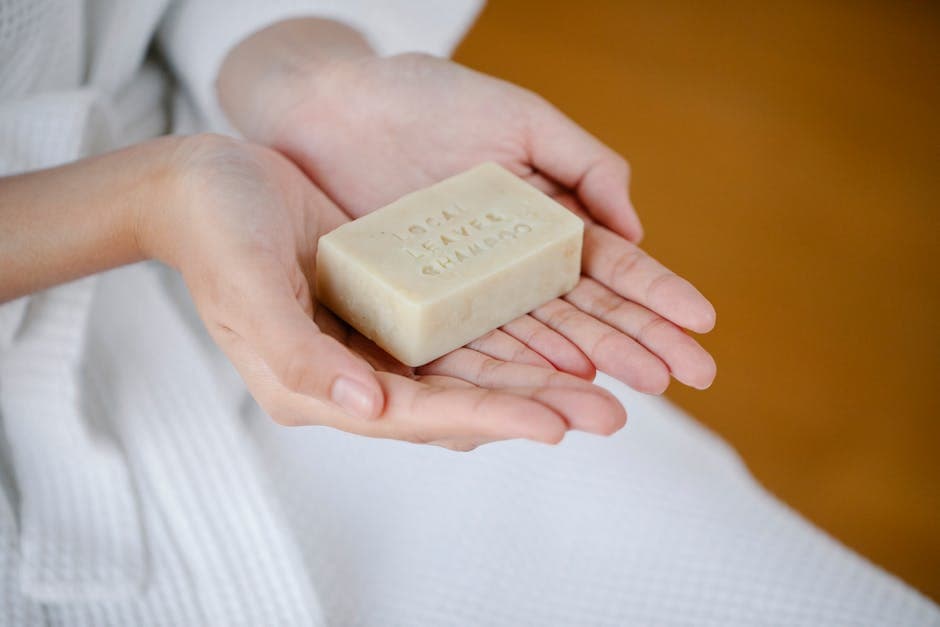
How to Make Bath Salts with Epsom Salt and Essential Oils
Learn how to make bath salts with Epsom salt and essential oils in 10 minutes. Get exact ratios, relaxing scent blends, and storage tips for a spa soak at home.
This article contains Amazon links. As an Amazon Associate, Soaply earns from qualifying purchases at no extra cost to you.
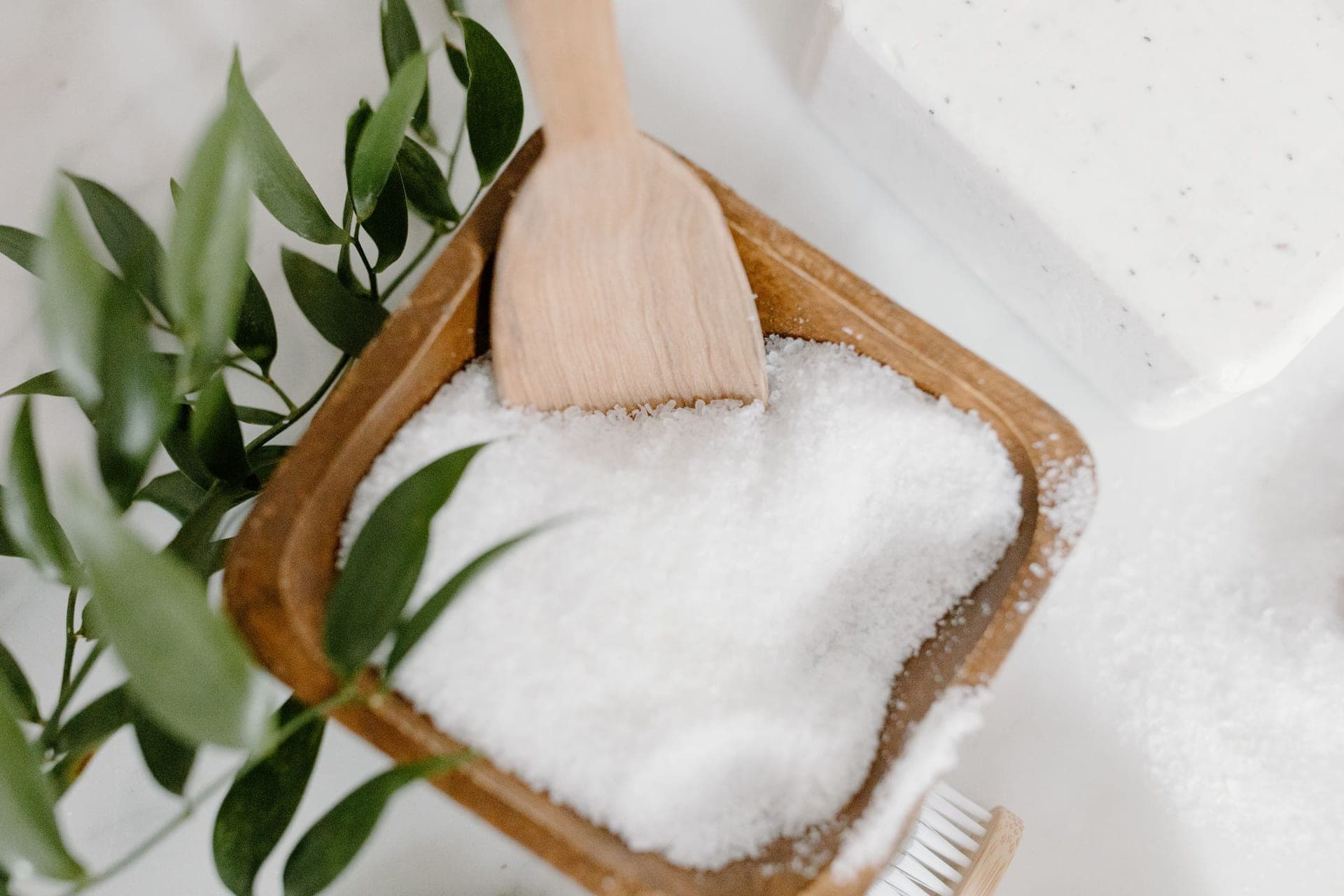
To make bath salts, stir 3 cups of Epsom salt with 1.5 cups of coarse sea salt and 1/2 cup of baking soda, then mix in 20 to 40 drops of your favorite essential oils. That's the whole recipe. A batch of homemade bath salts with Epsom salt and essential oils takes about ten minutes, costs a few dollars, and turns an ordinary tub into a spa-quality soak. Below you'll get the exact ratios, the scent blends that actually hold up in water, and the storage and safety details most quick recipes skip.
The fast recipe: 3 cups Epsom salt + 1.5 cups coarse sea salt + 1/2 cup baking soda + 20 to 40 drops essential oil + 1 teaspoon carrier oil (optional). Mix, jar, and use about 1/2 cup per bath.
- What Bath Salts Are Made Of
- The Basic Bath Salts Recipe
- Step by Step: How to Make Bath Salts
- Choosing Your Salts: Epsom vs Sea Salt
- How Much Essential Oil to Use
- Relaxing Essential Oil Blends to Try
- Adding Color and Botanicals
- How to Use and Store Bath Salts
- Safety Notes Worth Reading
- Frequently Asked Questions
What Bath Salts Are Made Of
Bath salts are a dry blend of mineral salts scented with essential oils, and sometimes tinted or mixed with dried botanicals. Because they contain no water, they don't need a preservative and they keep almost indefinitely if you store them dry. That's the big advantage over a lotion or a bath bomb with fresh add-ins.
A good jar of bath salts usually has three or four parts:
- Epsom salt. This is magnesium sulfate, not true salt. It's the workhorse of most recipes because it dissolves fast and is cheap by the bag.
- Coarse sea salt or Dead Sea salt. These add mineral variety, a nicer texture, and a slower dissolve that looks pretty in the jar.
- Baking soda. Optional, but it softens the water slightly and gives the blend a smooth, silky feel.
- Essential oils. The scent and the reason most people run a bath in the first place.
You can stop at Epsom salt and essential oil if you want the two-ingredient version. The extra salts and baking soda are there to improve texture and give you a blend that feels more like something you'd buy.
The Basic Bath Salts Recipe
This makes roughly one large jar, about 5 cups of finished bath salts, which is enough for eight to ten baths. The ratio is what matters, so scale it up or down and keep the same feel.
| Ingredient | Amount | Job |
| ------------ | -------- | ----- |
| Epsom salt | 3 cups | Fast-dissolving base |
| Coarse sea salt | 1.5 cups | Texture and minerals |
| Baking soda | 1/2 cup | Silky feel, softens water |
| Essential oil | 20 to 40 drops | Scent |
| Carrier oil (optional) | 1 teaspoon | Helps oils disperse in water |
| Colorant or dried botanicals | to taste | Looks |
A simpler two-to-one version works too: 2 cups of coarse sea salt to 1 cup of Epsom salt, scented the same way. Use whichever ratio you have salt for. Neither is wrong.
Step by Step: How to Make Bath Salts
The whole process is really just measure, mix, and jar.
- Combine the dry salts. Pour the Epsom salt, sea salt, and baking soda into a large glass or stainless bowl. Stir until evenly mixed. Skip plastic if you're using a lot of essential oil, since some oils can degrade cheap plastic over time.
- Add the carrier oil, if using. Drizzle in a teaspoon of a light oil like sweet almond, jojoba, or fractionated coconut. This gives the essential oils something to cling to so they disperse in the bathwater instead of floating on top.
- Add the essential oils. Drop them straight onto the salt and stir right away. Break up any clumps as you go. The salt absorbs the oil, which is exactly what you want.
- Color it, if you like. Add a tiny pinch of cosmetic mica or a drop of skin-safe colorant and stir until the tint is even. A little goes a long way.
- Jar and rest. Spoon into an airtight jar. Let it sit sealed for a day so the scent settles into the salt. That short rest makes the smell rounder and more even.

That's it. No heat, no cure time, no chemistry to get wrong. If you've ever made a salt bar soap, this is the low-effort cousin that skips the lye entirely.
Choosing Your Salts: Epsom vs Sea Salt
People mix these up all the time, so here's the plain version. Epsom salt is magnesium sulfate. It's not table salt, it dissolves quickly, and it's the cheapest way to bulk up a batch. Coarse sea salt and Dead Sea salt are true salts with a broader mineral makeup, a coarser grain, and a slower dissolve that keeps your jar looking chunky and appealing.
| Salt type | Texture | Dissolves | Best for |
| ----------- | --------- | ----------- | ---------- |
| Epsom salt | Fine to medium | Fast | The bulk of any batch |
| Coarse sea salt | Chunky | Medium | Texture and looks |
| Dead Sea salt | Coarse | Medium | A mineral-rich soak |
| Himalayan pink salt | Coarse | Slower | Color and presentation |
Avoid regular table salt as your main ingredient. It's very fine, it can feel harsh, and the anti-caking additives don't belong in a bath. A blend of Epsom plus one coarse salt gives you the best of both: a quick base and a texture that actually looks like something.
How Much Essential Oil to Use
For a full batch of about 5 cups, 20 to 40 drops of essential oil is a sensible range. That works out to roughly two to four drops per half-cup scoop, which is gentle enough for most adults. If you want a single-bath dose instead of a batch, 5 to 10 drops total is plenty.
The key thing to understand is that essential oils don't dissolve in water. Dropped straight into the tub, they float and can touch skin undiluted, which is how irritation happens. Mixing them into the salt first, plus that optional teaspoon of carrier oil, helps them spread through the water instead of pooling. If you want to nail an exact scent load by weight rather than counting drops, our fragrance and essential oil tools do the math for you.
Not sure which oils survive contact with skin and water? Our guide to the best essential oils for scenting breaks down which ones are skin-friendly and which to dilute hard or skip.
Relaxing Essential Oil Blends to Try
Single oils are great, but a two or three-oil blend feels more finished. Here are combinations that work well in the bath. Amounts are for a full 5-cup batch.
| Blend | Oils | Mood |
| ------- | ------ | ------ |
| Classic calm | 25 drops lavender | Bedtime wind-down |
| Deep relax | 15 lavender + 10 chamomile + 5 bergamot | Stress relief |
| Muscle soak | 15 eucalyptus + 10 peppermint + 5 rosemary | After a workout |
| Bright morning | 15 sweet orange + 10 grapefruit + 5 lemongrass | Uplifting |
| Forest spa | 15 cedarwood + 10 eucalyptus + 5 fir needle | Grounding |
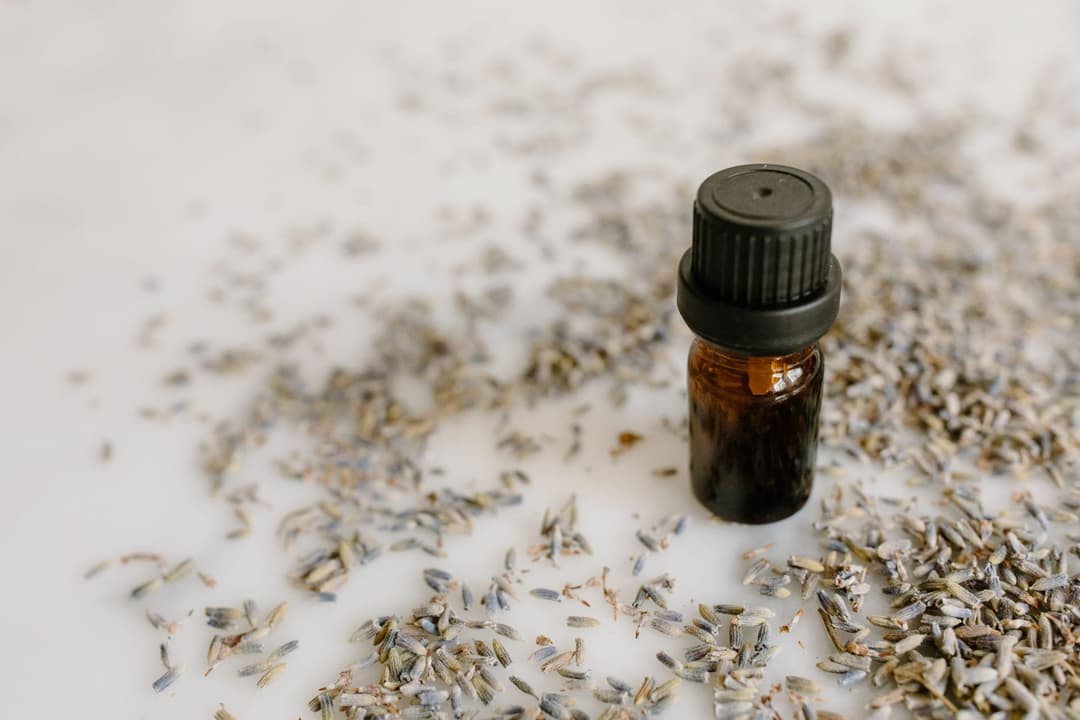
Lavender is the safe bet if you only buy one oil, which is why a jar of lavender bath salts is the most common starter recipe. It's calming, it blends with almost everything, and most people already like the smell. Go easy on hot oils like cinnamon, clove, and oregano, and treat citrus oils with care since they can make skin more sensitive to sunlight.
Adding Color and Botanicals
Color is optional and purely for looks. A tiny pinch of cosmetic mica stirred into the salt tints the whole batch. Skin-safe liquid colorants work too, but use a single drop at a time since salt takes color fast. Steer clear of ordinary food dye in large amounts, since it can stain a tub or a light-colored towel.
Dried botanicals like lavender buds, rose petals, or calendula make a jar look gorgeous on a shelf. There's one catch: loose petals float, cling to skin, and can clog a drain. The clean fix is to keep the pretty botanicals in the jar for looks, then scoop the salt into a muslin bag or a tea infuser before you drop it in the water. You get the visual appeal without fishing petals out of the tub afterward.
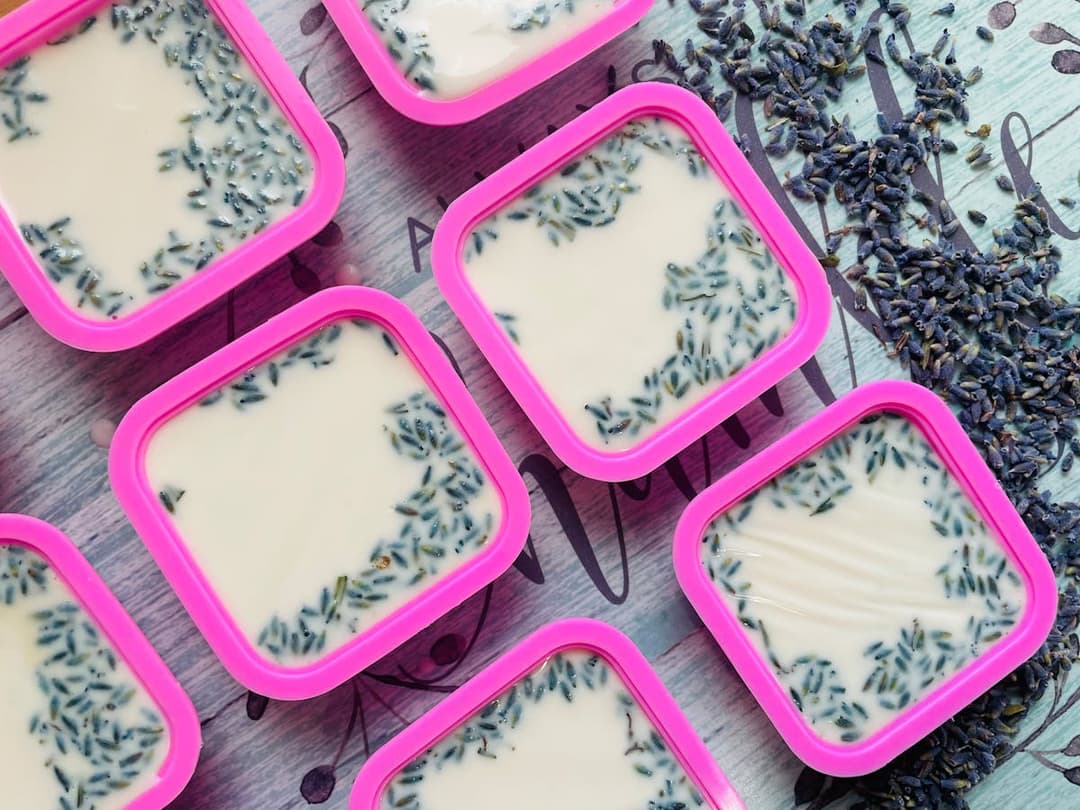
If you like the botanical look, the same dried flowers show up in a lot of handmade projects. Our notes on using dried flowers in soap cover which ones hold their color and which ones turn brown.
How to Use and Store Bath Salts
To use them, run a warm bath and stir in about 1/2 cup of salts once the tub is full, swishing the water so they dissolve. Soak for 15 to 20 minutes. You don't strictly need to rinse afterward, but a quick rinse washes off any oil residue and keeps the tub from getting slick.
Store the finished salts in an airtight glass jar or a sealed bag, somewhere cool and out of direct light. Kept dry, homemade bath salts last a long time. The salt itself won't spoil, but the essential oil scent fades over months, so a batch smells its best within about six months to a year. If the aroma goes faint, stir in a few fresh drops to wake it back up. For more on why oils lose their punch over time, see do essential oils expire.
Bath salts also make an easy homemade gift. Layer two colors in a clear jar, add a ribbon and a label with the scent and a use amount, and you've got a present that took ten minutes and costs almost nothing.
Safety Notes Worth Reading
Bath salts are gentle, but a few things are worth keeping in mind:
- Dilute your oils. Never toss undiluted essential oil straight into the tub. Mix it into the salt and a carrier oil first so it disperses.
- Patch test new oils. If your skin is sensitive, rub a little of the finished salt on your forearm before a full soak.
- Mind the tub. Oils and salts can make surfaces slippery. Rinse the tub after, and take care getting out.
- Pregnancy and health conditions. Some essential oils aren't recommended during pregnancy, and Epsom salt soaks aren't right for everyone. Check with a doctor if you're pregnant, have heart or kidney issues, or are making salts for young children.
- Keep it dry. Moisture makes salts clump and can cut the shelf life, so keep water out of the jar.
💬 Frequently Asked Questions
What is the ratio of Epsom salt to essential oil for a bath?
For a full 5-cup batch of bath salts, use 20 to 40 drops of essential oil, which comes out to about two to four drops per half-cup scoop. For a single bath, 5 to 10 drops total is plenty. Always mix the oil into the salt first so it disperses instead of floating.
Do homemade bath salts need a preservative?
No. Bath salts contain no water, so there's nothing for bacteria or mold to grow in, and they don't need a preservative. Just keep them dry and sealed. That's the main reason they store so much longer than a fresh, water-based product.
How long do homemade bath salts last?
The salt keeps almost indefinitely, but the essential oil scent fades over time. A batch smells its best within about six months to a year. If the aroma weakens, stir in a few fresh drops of essential oil to refresh it.
Can I use table salt to make bath salts?
It's not the best choice. Table salt is very fine, it can feel harsh, and it often has anti-caking additives. A blend of Epsom salt plus a coarse sea salt gives you a smoother soak and a better-looking jar. Save the table salt for the kitchen.
What's the difference between bath salts and a bath bomb?
Bath salts are a loose, dry blend you scoop into the water, while a bath bomb is a pressed, fizzing ball made with citric acid and baking soda. Salts are simpler and store longer. Bombs are more of a show but take more skill to get right.
Make Your Next Batch a Little Fancier
Homemade bath salts are about as forgiving as a recipe gets: mix Epsom salt, sea salt, and baking soda, scent it, and jar it. Once you've got the basic blend down, play with layered colors, custom oil combos, and a moisturizing follow-up like a jar of homemade body butter for after your soak. Ready to dial in the exact salt and scent amounts for your own jar? Run the numbers with the free Soaply bath salts calculator.
Ready to Try It?
Use the free Soaply bath salts calculator to size your batch and get every ingredient in grams and percent.
Open Calculator