Body Butter vs Lotion: What's the Difference (and Which to Make)?
Body butter vs lotion: the real difference is water. Learn which to use for dry skin, why lotion needs a preservative, and which one you should make at home.
The difference between body butter and lotion comes down to one ingredient: water. Lotion is an emulsion, a blend of water and oil held together by an emulsifier, so it's light, spreads fast, and sinks in quickly. Body butter has no water in it at all. It's a whipped blend of butters and oils that sits on the surface of your skin and seals moisture in. That one difference decides how each product feels, how long it keeps, whether it needs a preservative, and which one your skin actually wants. This guide walks through all of it, and when you're ready to mix a batch, you can size either recipe with the Soaply body butter calculator or the Soaply lotion calculator.
Short answer: Reach for body butter on rough, very dry spots like elbows, heels, and hands, especially in winter or right after a shower. Reach for lotion for light, all-over daily moisture or if your skin is oily or breakout-prone. Plenty of people keep both.
- What Body Butter Is
- What Lotion Is
- The Real Difference: Water Changes Everything
- Body Butter vs Lotion, Side by Side
- How Each One Feels on Your Skin
- Which One Should You Use?
- Shelf Life and Why Lotion Needs a Preservative
- Which One Should You Make?
- Frequently Asked Questions
What Body Butter Is
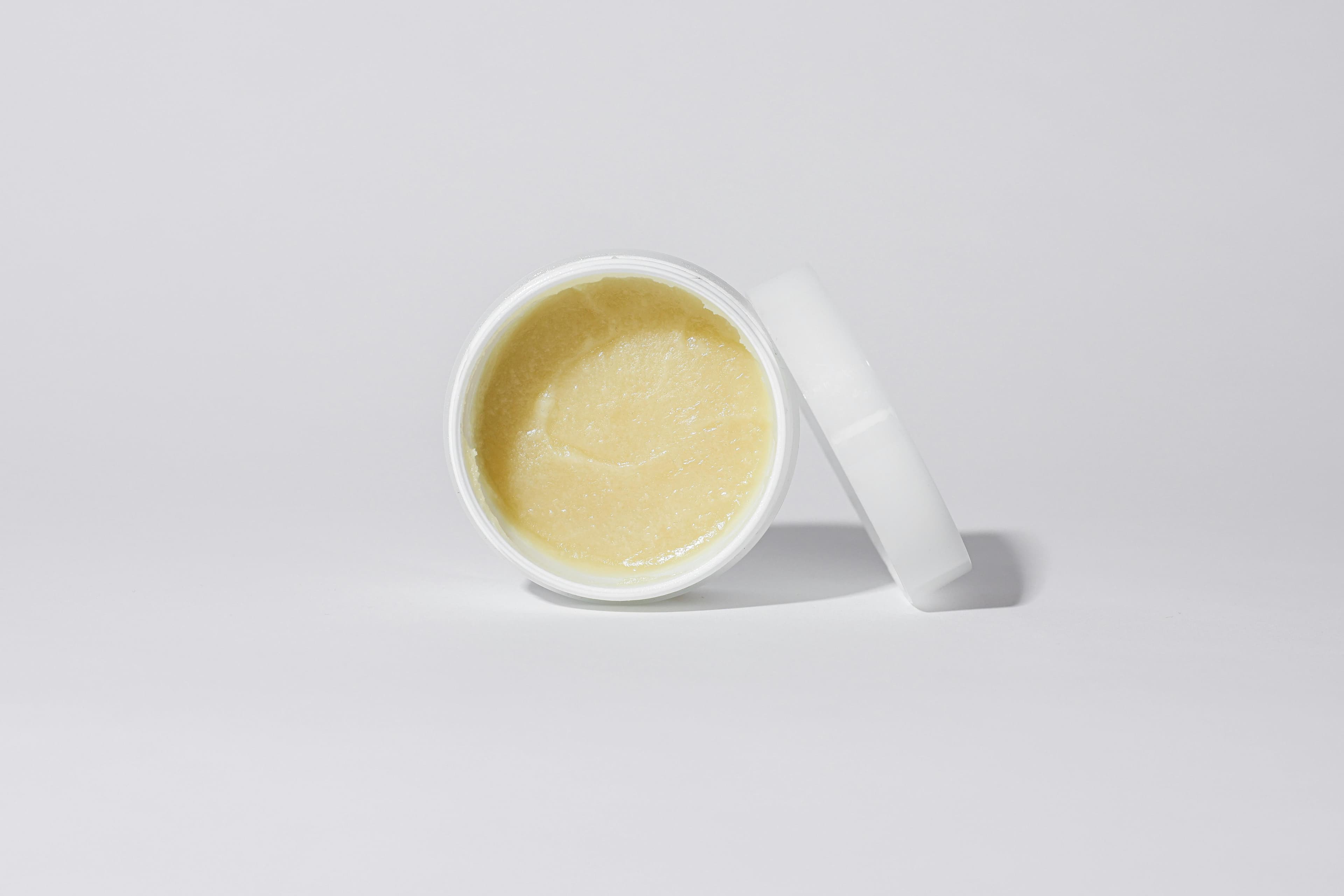
Body butter is an anhydrous product, which is a formulator's way of saying it contains no water. It's built from solid butters like shea butter, cocoa butter, and mango butter, softened with a liquid oil, and usually whipped so it goes on light instead of like a block of wax. A little starch or arrowroot can cut the greasy feel, and most makers add a scent and an antioxidant like vitamin E.
Because there's no water, body butter doesn't add moisture to your skin. It works by occlusion: the layer of fat slows the water already in your skin from evaporating, so your skin stays hydrated longer. That's why it feels richest on skin that's damp, and why a thick butter does so much for cracked heels and winter-dry hands. If you want the full method, our guide on how to make body butter has the whipped recipe start to finish.
What Lotion Is
Lotion is an emulsion. You take a water phase, an oil phase, and an emulsifier that lets the two stay mixed instead of separating like oil and vinegar. The result pours and spreads easily, and because a big chunk of it is water, it feels light and absorbs in seconds.
That water does real work. It delivers hydration directly, and it carries water-loving ingredients like glycerin, aloe, or hydrolyzed proteins that a pure-oil product can't hold. The trade is that an emulsion is a more fussy thing to make and to keep. You need the right emulsifier, usually emulsifying wax, and you need a preservative, which we'll get to. Our walkthrough on how to make lotion covers the heat-and-hold method that keeps a batch stable.
The Real Difference: Water Changes Everything
Every other difference between these two products flows from that one fact. Here's the chain.
Water means you need an emulsifier. Oil and water don't mix on their own, so a lotion falls apart without something to bind them. Body butter skips this entirely because there's nothing to emulsify.
Water means you need a preservative. Anything with water in it can grow bacteria, yeast, and mold, and your bathroom is warm and humid. A lotion without a broad-spectrum preservative can go off within a couple of weeks, often before you can see or smell it. Body butter, with no water, doesn't feed those microbes, so it doesn't need a preservative at all.
Water means lighter texture and faster absorption. A product that's half water or more spreads thin and sinks in quickly. A product that's all fat sits heavier and takes longer to disappear.
Water means hydration versus sealing. Lotion hands your skin water and a bit of oil together. Body butter brings no water, so its job is to trap what's already there. Neither approach is better in the abstract. They solve different problems.
Body Butter vs Lotion, Side by Side
| Feature | Body Butter | Lotion |
| --- | --- | --- |
| Contains water | No | Yes |
| Needs an emulsifier | No | Yes |
| Needs a preservative | No | Yes |
| Texture | Thick, rich, whipped | Light, pourable |
| Absorption | Slower, can feel greasy | Fast, sinks in |
| What it does | Seals in existing moisture | Delivers water plus oil |
| Best for | Very dry, rough skin | Daily all-over use |
| Shelf life | 6 to 12 months (oils can go rancid) | Weeks without a preservative, up to a year with one |
| Difficulty to make | Easier | Trickier |
How Each One Feels on Your Skin
Lotion feels light. You rub it in, it's gone in under a minute, and your skin feels soft without a film. That's the appeal for daytime, for the whole body, and for anyone who hates a slick finish.
Body butter feels rich and stays put a little longer. Whipping air into it helps a lot, and so does adding a touch of starch, but even a well-made butter leaves more of a cushion than a lotion does. Some people love that on a dry winter night. Others find it too heavy for a whole-body, every-morning routine.
One tip helps both of them: apply to slightly damp skin. Straight out of the shower, you're locking in water that's already on your skin, and both products hold it in better that way.
Which One Should You Use?
Match the product to your skin and the season, not to which one sounds fancier.
Pick body butter if your skin runs dry, if you're treating rough patches on elbows, knees, heels, or hands, or if it's the middle of winter and lotion alone isn't cutting it. Nighttime is a good slot for it, since you're not rushing to get dressed over a greasy layer.
Pick lotion if you want something for the whole body every day, if your skin is only mildly dry, or if you lean oily or breakout-prone and a heavy butter feels like too much. Rich butters like cocoa butter and coconut oil can clog pores for some people, so it's smart to keep thick butters off your chest and back if you break out there.
And there's nothing wrong with using both. A common routine is lotion over most of the body and a dab of butter on the driest spots. Most of the "which is better" advice online comes from skincare brands selling one or the other, so take the sweeping claims with a grain of salt and go by how your own skin responds.
Shelf Life and Why Lotion Needs a Preservative
This is the part that trips up new makers, so it's worth being blunt about it.
Homemade lotion needs a broad-spectrum preservative. Not vitamin E, not grapefruit seed extract, not a splash of vodka. Those are antioxidants or weak at best, and none of them reliably stop mold and bacteria in a water-based product. A proper preservative is a specific cosmetic ingredient you add at a small, measured percentage. Without it, a lotion can grow something nasty in a week or two, and you often can't tell by looking. If you're giving lotion to friends or selling it, this isn't optional.
Body butter is the easier of the two here. No water means no home for microbes, so you don't need a preservative. What you do need to watch is rancidity. The oils and butters will slowly oxidize and eventually smell like old crayons or stale nuts. A bit of vitamin E slows that down, and storing the jar away from heat and light helps. Most homemade body butter stays good for six months to a year.
Which One Should You Make?
If you're new to this, body butter is the gentler starting point. There's no emulsion to stabilize and no preservative math, so a first batch is hard to mess up. Weigh your butters and oil, melt, chill, whip, done. Start with the recipe in our body butter guide and run your jar size through the Soaply body butter calculator to get the butter-to-oil ratio right.
Move to lotion when you're ready to work with a water phase. The payoff is a lighter product that a lot of people prefer for daily use, but you'll need to get the emulsifier percentage and the preservative dose right every time. The Soaply lotion calculator handles those percentages for you and scales the batch to whatever container you're filling, which takes most of the guesswork out of your first few tries.
💬 Frequently Asked Questions
Is body butter the same as lotion?
No. Body butter is a water-free blend of butters and oils that seals moisture in. Lotion is an emulsion of water and oil that delivers hydration and absorbs faster. Because lotion contains water it needs an emulsifier and a preservative, and body butter needs neither.
What is body butter used for?
Body butter is used to soften and protect very dry or rough skin, like elbows, knees, heels, and hands. It forms a rich layer that slows moisture loss, so it shines in winter and right after a shower. It's a treatment for dry spots more than an all-over daily lotion.
Is body butter better than lotion for dry skin?
For very dry or cracked skin, body butter usually wins because it seals moisture in more effectively than a lighter lotion. For mild dryness or everyday full-body use, lotion is often the better fit. Many people use butter on problem areas and lotion everywhere else.
Can I use body butter as a daily lotion?
You can, but it may feel too heavy for all-over daily use, especially in warm weather or on oily skin. It also doesn't add water the way a lotion does. If you like the richness, apply a thin layer to damp skin so a little goes further.
Does homemade body butter need a preservative?
No. Body butter contains no water, so bacteria, yeast, and mold can't grow in it, and a preservative isn't needed. Add a little vitamin E to slow the oils from going rancid, and keep the jar cool and dry. Homemade lotion, which does contain water, always needs a broad-spectrum preservative.
The Bottom Line
Body butter and lotion aren't rivals, they're tools for different jobs. Butter seals, lotion hydrates, and the water in a lotion is what sets everything else apart, down to needing a preservative. If you're deciding what to make first, start with a body butter batch and size it with the Soaply body butter calculator, then graduate to lotion once you're comfortable working with a water phase.
Ready to Try It?
Use the free Soaply lotion calculator to size your batch and get every ingredient in grams and percent.
Open Calculator