How to Make Beard Balm (DIY Recipe with Wax, Butter, and Oil Ratios)
How to make beard balm at home with beeswax, shea butter, and carrier oils. A DIY recipe, exact hold ratios, a vegan option, and how to fix a grainy batch.
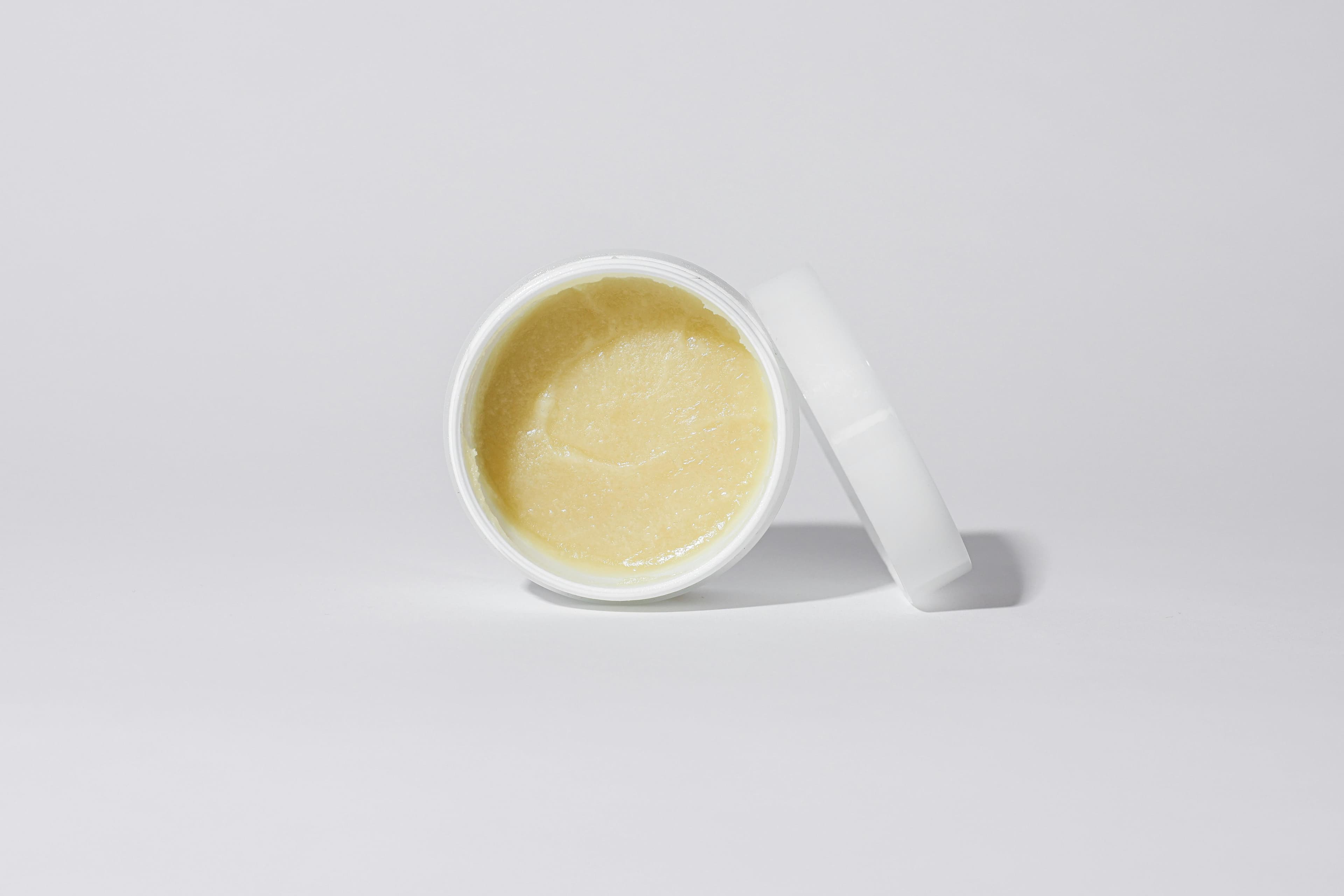
A beard balm is a beard oil with two solids added, a wax for hold and a butter for conditioning, so it softens the beard and helps shape it at the same time. A reliable medium-hold recipe for a 2 ounce (about 56 g) batch is 8 g beeswax, 14 g shea butter, 33 g carrier oils, and 15 to 20 drops of essential oil. You melt the wax and butter together, stir in the oils, pour into tins, and let it set, which takes about 20 minutes start to finish. The part people get wrong is the ratio, because the amount of wax decides whether you end up with a conditioning balm or a brick. This guide gives you the recipe, the ratios for light, medium, and firm hold, a beeswax-free version, and the fix for a grainy batch. You can build the oil part of any balm in seconds with the Soaply beard oil calculator.
- Beard Balm vs Beard Oil
- What Goes Into a Beard Balm
- The Ratio That Controls Hold
- A Simple Beard Balm Recipe
- How to Melt, Pour, and Set It
- Build the Oil Blend First
- How to Make Beard Balm Without Beeswax
- How to Apply Beard Balm
- Why Your Beard Balm Turned Out Wrong
- Frequently Asked Questions
Beard Balm vs Beard Oil
Both condition the beard, but they do different jobs. Beard oil is all liquid: carrier oils and a drop or two of essential oil. It sinks in, softens the hair, and calms the skin underneath, and that's where it stops. It gives you nothing in the way of hold.
A beard balm starts from that same oil blend and adds body. A butter makes it creamy and loads it with extra conditioning, and a wax, usually beeswax, gives it structure so it can tame stray hairs and hold a longer beard in shape through the day. Think of a balm as a leave-in that conditions like an oil but also styles, sitting somewhere between an oil and a styling product.
It helps to see the whole family on one line. At the soft end is beard oil, pure conditioning and no hold. Next is beard butter, which is oils and butter with little or no wax, so it's rich and creamy but barely holds. Then beard balm, with enough wax for light to medium hold. At the firm end is mustache wax, mostly beeswax with just enough oil to spread, built for shaping a mustache rather than conditioning. Pick the point on that line that matches your beard and you've chosen your recipe.
What Goes Into a Beard Balm
Every balm is four ingredients, and each one has a job.
Carrier oils are the base and the biggest share, usually 55 to 70 percent. They're the conditioning heart of the balm, the same oils you'd use in a beard oil. Jojoba is the one to build around because it absorbs cleanly and keeps for years. Argan and sweet almond add softness, and a small amount of castor adds shine and a little grip. The jojoba oil profile and argan oil page have the fatty-acid details if you want them.
Butter is what makes a balm a balm instead of an oil. Shea butter is the usual pick, soft and creamy and loaded with conditioning fatty acids. Cocoa butter is harder and firms the balm up, with a faint chocolate smell, so use less of it or pair it with shea. Mango butter sits in the middle and is less prone to the graininess that shea and cocoa can develop.
Wax gives hold. Beeswax is standard. It melts around 145F (about 63C), sets firm, and seals a little moisture into the hair. The amount of wax is the single biggest lever in the whole recipe, which is the next section. For a plant-based build you'd swap in candelilla wax, covered further down. The guide to using beeswax goes deeper on the material.
Essential oil is there only for scent, at 1 to 2 percent. Beard skin is facial skin and more sensitive than the skin on your arms, so keep the dose low and patch test anything new. Because a balm has no water in it, it needs no preservative, the same as beard oil and unlike a water-based lotion. The only thing that spoils it is the oil going rancid.
The Ratio That Controls Hold
If you remember one thing, make it this: the beeswax percentage decides the hold, and nothing else moves it as much. Raise the wax and the balm gets stiffer in the tin and holds harder on the beard. Drop it and the balm goes soft and behaves more like a thick oil.
Here's the range worth knowing, as a percent of the total batch weight.
| Hold | Beeswax | What it feels like |
| --- | --- | --- |
| Light | about 10% | soft, conditions more than it holds, good for short or fine beards |
| Medium | about 15% | the all-rounder, light shaping plus conditioning |
| Firm | 20 to 25% | real grip for taming a long or coarse beard, noticeably harder in the tin |
The rule when you adjust: whatever you add in wax, take out of the carrier oils so the total still lands at 100. Push past 25 percent wax and you've basically made a mustache wax, stiff and short on conditioning. For most beards, 15 percent is the place to start.
A Simple Beard Balm Recipe
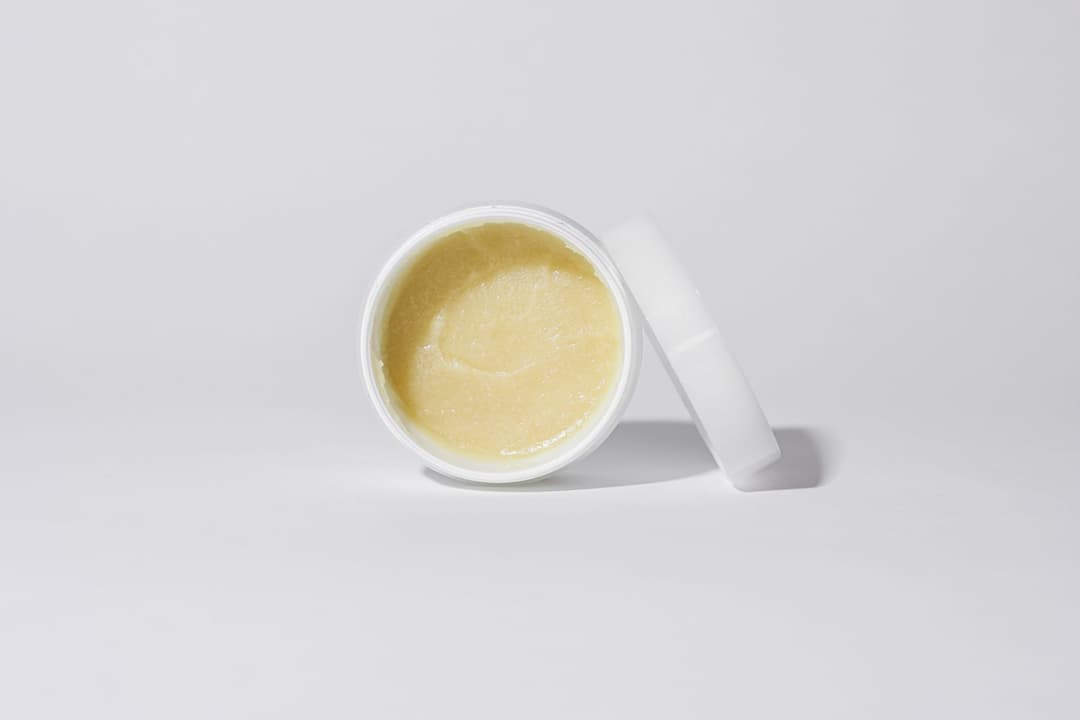
This is a medium-hold balm that fills about two 1 ounce tins, roughly 56 grams total. A kitchen scale that reads in grams makes this easy, since beard balm is small enough that measuring by volume gets sloppy.
| Ingredient | Amount | Percent |
| --- | --- | --- |
| Beeswax | 8 g | ~15% |
| Shea butter | 14 g | ~25% |
| Carrier oils (jojoba, argan, a little castor) | 33 g | ~58% |
| Essential oil | 15 to 20 drops | ~1 to 2% |
For the oil portion, a blend that works is 20 g jojoba, 9 g argan or sweet almond, and 4 g castor. Lean harder on jojoba if you want it lighter, or bump the argan for more slip in a long beard.
How to Melt, Pour, and Set It
- Weigh the beeswax and shea butter into a heatproof jar or measuring cup. Set the jar in a saucepan with an inch of simmering water, a double boiler. Don't melt wax in a pan straight on the burner, since it scorches and it's flammable.
- Heat until the wax and butter are fully liquid and clear. Fully is the word that matters, especially with shea, and the troubleshooting section explains why.
- Add the carrier oils and stir. The cool oils drop the temperature, so give it a moment to come back to a clean liquid.
- Take the jar off the heat and let it cool for a minute or two, until it's warm rather than hot. Now add the essential oil and stir it through. Drop the scent into wax that's still near boiling and a good part of it flashes off.
- Pour into your tins before the mix starts to set at the edges. Beeswax firms up fast, so work quickly, and gently reheat if it seizes in the jar.
- Let the tins set. Cooling them in the fridge for 20 to 30 minutes helps keep shea from turning grainy. Once solid, cap and label with the date.
Build the Oil Blend First
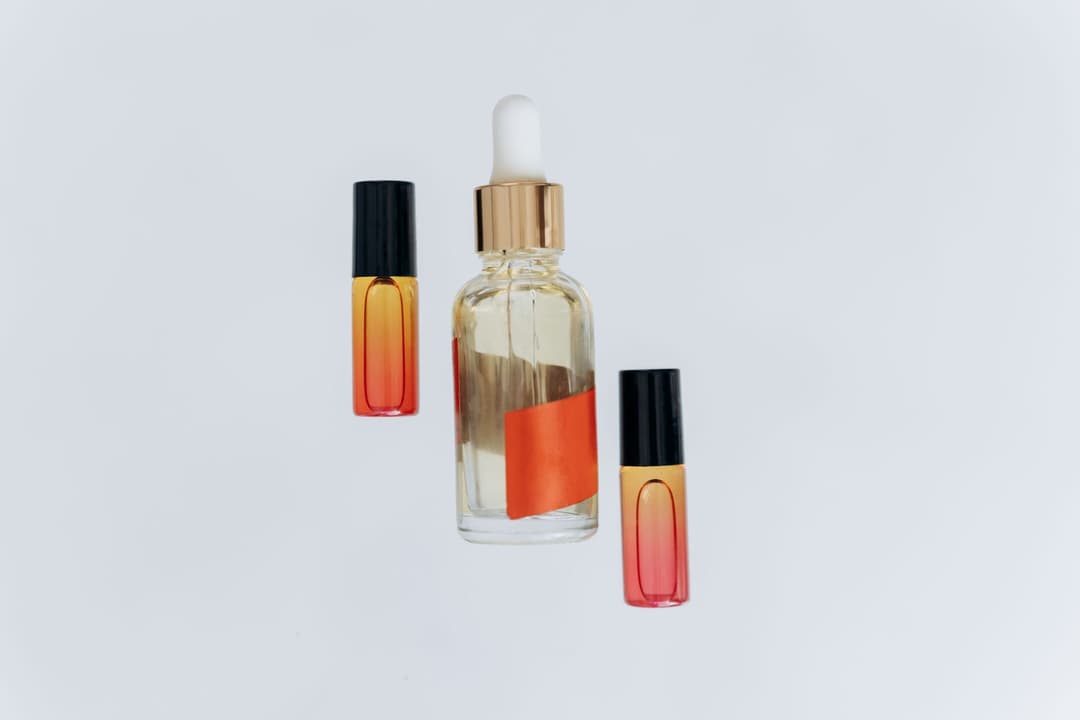
The carrier oils are more than half the balm and they're the part that does the conditioning, so it pays to get that blend right before you melt anything. This is also where the Soaply beard oil calculator earns its keep, even though it was built for oils rather than balms.
Here's the trick. Decide your batch weight and what share of it is liquid oil, say 58 percent of a 56 gram batch, which is about 33 grams. Treat that oil portion as the batch in the calculator, set your carrier percentages and your essential-oil dilution, and it hands you the exact amount of each oil plus the number of drops. Then weigh your wax and butter separately and melt everything together. The calculator does the fiddly oil-and-drop math, and you add the two solids on top.
That workflow also makes scaling painless. Making six tins for gifts is just a bigger oil portion in the calculator with the same wax and butter percentages, no guessing at drop counts.
How to Make Beard Balm Without Beeswax
Most of a beard balm is already plant-based. The butters and the carrier oils are vegan to begin with, so the only animal ingredient to swap is the beeswax.
Candelilla wax, from the candelilla shrub, is the usual replacement. The catch is that it's harder than beeswax, so you don't use the same amount. A good starting point is about half to two-thirds of the beeswax weight. If your recipe called for 15 percent beeswax, try 8 to 10 percent candelilla and adjust from there. Carnauba wax is harder still and sets very firm, so people use only a small amount of it, often blended with another wax rather than on its own.
Everything else stays the same. If you're new to firm plant butters, the lip balm guide walks through a candelilla swap in a smaller, simpler recipe, which is a low-stakes way to learn how the wax behaves.
How to Apply Beard Balm
Use less than you think. Drag a thumbnail across the top of the balm to pick up a small amount, then rub it between your palms until it melts from a solid into an oil. Work it through the beard from the skin outward, not just over the surface, so the conditioning reaches the roots where itch and flaking start. Finish by combing it through to spread it evenly and set the shape.
The best time is right after a shower, while the beard is clean and still a little damp. A short beard needs a pea-sized dab, and a full one might want twice that. If the beard looks greasy or clumps together, you used too much, so scale back next time. Some men run a lighter beard oil at night and a balm during the day for hold, but one or the other is plenty to start.
Why Your Beard Balm Turned Out Wrong
It's too hard to scoop. Too much wax, or a firm butter like cocoa doing more than you expected. Remelt the batch, add more carrier oil, and cut the wax by a few percent. In cold weather any balm firms up, so a winter batch can run slightly softer by design.
It's too soft and won't hold. Not enough wax. Remelt and add a gram or two more beeswax, then test a small amount on a spoon in the fridge to check the set before you pour the whole batch.
It's grainy or gritty. This is the common one, and it comes from the butter rather than the wax. Shea and cocoa butter contain fats that recrystallize into coarse grains if they melt only partway or cool slowly. The fix has two parts: melt the butter all the way to a clear liquid, not just soft, and cool the poured tins quickly, for example in the fridge, so it sets before big crystals form. The same graininess shows up in whipped body butter and has the same cause.
It feels greasy on the beard. Either you're using too much or the oil blend is too heavy. Apply less first. If it still sits on top, shift the carriers toward jojoba and drop or cut the castor, the same move that fixes a greasy beard oil.
It smells like old crayons. That's rancid oil. A carrier oxidized, usually a short-lived one like grapeseed or hemp seed. Next batch, lean on jojoba, add a few drops of vitamin E, make less at once, and keep the tins out of heat and light.
💬 Frequently Asked Questions
What is beard balm made of?
Four things: carrier oils for conditioning, a butter like shea for creaminess, a wax like beeswax for hold, and a small dose of essential oil for scent. Carrier oils are the bulk at 55 to 70 percent, and because there's no water, a balm needs no preservative.
What is the ratio for beard balm?
A common medium-hold ratio by weight is about 15 percent beeswax, 25 percent butter, and the rest carrier oils, with essential oil at 1 to 2 percent. Use around 10 percent wax for a softer, lighter hold and 20 to 25 percent for firm hold.
Is beard balm better than beard oil?
Neither is better, they do different jobs. Beard oil conditions and absorbs with no hold, which suits short beards. Beard balm conditions and adds light to medium hold, which helps tame and shape a longer or coarser beard. Plenty of people use both.
Does beard balm help your beard grow?
No product makes hair grow from the follicle faster, since that comes down to genetics and overall health. What a balm does is keep the hair and skin conditioned so the beard looks fuller and breaks less, and it eases the itch and flaking that make a lot of men quit during the grow-out.
How long does homemade beard balm last?
Because it has no water, a balm keeps as long as its shortest-lived oil, usually six months to a year. A jojoba-heavy blend with a little vitamin E, stored cool and dark, lasts longer. If it smells sharp or like old crayons, the oil has gone rancid and it's time to toss it.
Start Blending
Beard balm is a short ingredient list and about twenty minutes of work, and once you find your wax ratio you can make it for a dollar or two a tin. Start with the 15 percent beeswax recipe, patch test your scent, and adjust the wax up or down until the hold feels right. When you're ready to dial in the oil blend at the center of it, let the Soaply beard oil calculator handle the amounts, and read the jojoba oil profile if you want to understand why it anchors almost every good blend.
Ready to Try It?
Use our free soap calculator to create your perfect recipe with real-time property predictions.
Open Calculator