How to Make Beard Oil (DIY Recipe and Carrier Oil Ratios)
How to make beard oil at home with jojoba, argan, and castor oil. A DIY recipe with exact carrier oil ratios, safe essential oil dilution, and scaling tips.
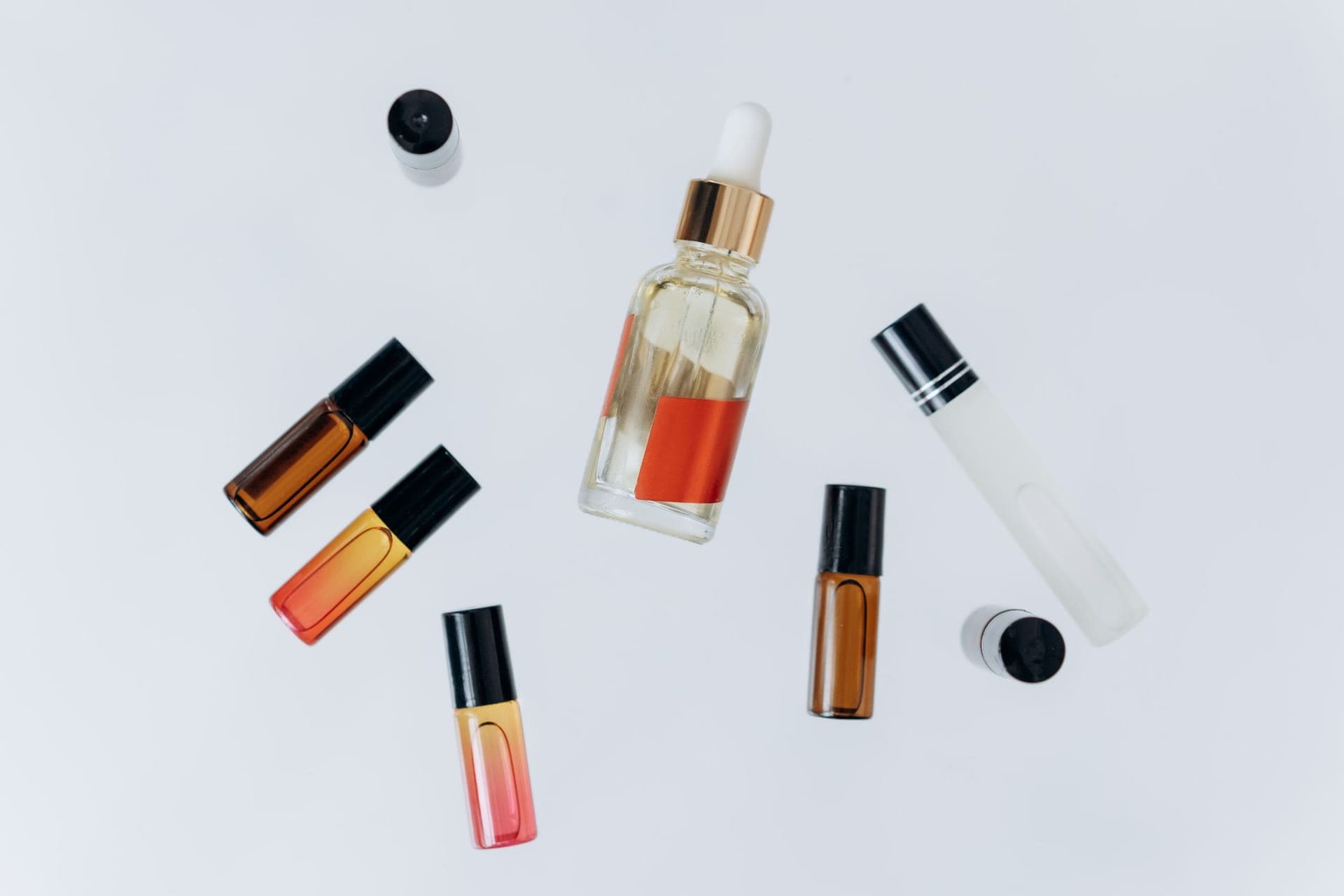
To make beard oil you blend a few lightweight carrier oils in a small bottle, add a low dose of essential oil for scent, and shake. That's the whole process. A solid starting point for a 1 ounce (30 mL) bottle is 18 mL jojoba, 9 mL argan or sweet almond, and 3 mL castor oil, plus 6 to 12 drops of essential oil. It takes about five minutes and costs a fraction of what a barber shop charges for a bottle. The part that trips people up isn't the mixing, it's the ratios. Too much castor and the oil turns sticky, too much essential oil and the skin under your beard gets irritated, the wrong carrier and the batch goes rancid in a couple of months. This guide covers the oils that belong in a beard blend, gives you a recipe with exact amounts, and lets you resize any batch in seconds with the Soaply beard oil calculator.
- Why Make Your Own Beard Oil
- What Beard Oil Is Actually Made Of
- The Best Carrier Oils for Beard Oil
- A Simple Beard Oil Recipe
- How to Scale and Bottle Your Batch
- Essential Oils and Safe Dilution
- How Much to Use and When
- Why Your Beard Oil Feels Greasy
- Frequently Asked Questions
Why Make Your Own Beard Oil
Cost is the obvious one. A 1 ounce bottle of name-brand beard oil runs $15 to $25, and most of what's inside is cheap carrier oil. Blend your own and that same ounce costs a dollar or two once you own the oils. Buy a few carriers up front and you can make a dozen bottles from them.
Control is the better reason. When you mix it yourself you decide exactly which oils go in and how strong the scent is. If cedarwood makes you sneeze or sandalwood reads too sweet, change it. If your skin reacts to a common carrier, swap it out. You also skip the synthetic fragrance and silicone that show up on a lot of commercial labels, which matters if the skin under your beard is prone to itch or flaking.
There's a practical payoff too. The same jojoba and sweet almond you buy for beard oil work in a homemade natural deodorant, in body butter, and in a bar of men's soap, so nothing sits in the cupboard going to waste.
What Beard Oil Is Actually Made Of
Beard oil is simpler than the marketing suggests. It's two things: carrier oils and essential oils.
Carrier oils make up 97 to 99 percent of the bottle. They're the moisturizing part, the oils that soften the hair and condition the skin underneath. Essential oils make up the last 1 to 3 percent, and they're only there for scent. Because they're concentrated, they need a lot of diluting.
Some people add a third ingredient, vitamin E oil, at around half a percent to one percent. It acts as an antioxidant and stretches the shelf life of a blend that includes oils prone to oxidation. It's optional. If your carriers are stable to begin with, you can skip it.
That's the entire formula. No water, no emulsifier, no preservative. Because there's no water in beard oil, bacteria have nothing to grow in, so it doesn't need the preservative that a lotion or body butter does. The only thing that spoils beard oil is the oil itself going rancid, and you control that by picking stable carriers.
The Best Carrier Oils for Beard Oil
Not every oil belongs on your face. You want oils that absorb without leaving a slick film, and ideally ones that keep for a while. Here are the ones worth knowing.
Jojoba oil is the one I'd build every blend around. Technically it's a liquid wax rather than an oil, and its structure is close to the sebum your own skin produces. That's why it absorbs cleanly instead of sitting on top, and it resists going rancid, so it has a long shelf life. If you use one carrier, make it this. The jojoba oil profile has the full fatty acid breakdown.
Argan oil is the second pillar of most beard blends. It's high in oleic and linoleic acids plus vitamin E, absorbs well, and leaves the beard soft and conditioned without much grease. It costs more than the others, so plenty of people use it as a supporting player rather than the whole base. The argan oil page covers the details.
Sweet almond oil is the budget workhorse. Light, mild, easy to find, and it plays well with everything. The one caveat is nut allergies. If you or the person you're gifting to reacts to tree nuts, leave it out.
Grapeseed oil is very light and soaks in fast, which people love, but it's high in linoleic acid and oxidizes quickly. A blend leaning on grapeseed might only keep three to six months. Use it in small amounts, or plan to make small batches.
Castor oil is the odd one out. It's thick and sticky on its own, so you never use much, but a small share, around 5 to 10 percent, adds shine and a little weight that helps tame flyaways. Go past that and the whole bottle feels tacky.
Hemp seed oil conditions well but oxidizes fast, so treat it like grapeseed: small percentage, small batches, store it cool.
A dependable default is to lean on jojoba for stability, add argan or sweet almond for feel, and finish with a touch of castor for shine.
A Simple Beard Oil Recipe
Here's a reliable blend for a 1 ounce (30 mL) bottle. It's mostly jojoba for the reasons above, with argan for feel and a splash of castor for shine.
| Ingredient | Amount | Percent |
| --- | --- | --- |
| Jojoba oil | 18 mL | 60% |
| Argan or sweet almond oil | 9 mL | 30% |
| Castor oil | 3 mL | 10% |
| Essential oil | 6 to 12 drops | ~1 to 2% |
- Pour the jojoba, argan, and castor into a clean 1 ounce bottle. A glass dropper bottle, or one with an orifice reducer, works best.
- Add your essential oil, starting at 6 drops for a light scent and going up to 12 for a stronger one. Stay in that range for a face product.
- Cap it and roll the bottle between your palms for 20 seconds to mix. Don't shake it hard, you'll just whip in bubbles.
- Label it with the date and let it sit overnight so the scent settles before you judge it.
That's a beard oil most men will be happy with. Want it lighter? Drop the castor and go half jojoba, half sweet almond. Want more slip for a longer beard? Bump the argan up and the jojoba down.
How to Scale and Bottle Your Batch
The recipe above makes one bottle. The moment you want three bottles for gifts, or a 4 ounce dropper to keep for yourself, the drop math gets fiddly. Doubling is easy, but going from a 30 mL recipe to a 50 mL bottle at a specific dilution is where people guess and get it wrong.
That's what the Soaply beard oil calculator is for. Set your bottle size and the percentage of each carrier, pick your essential oil dilution, and it hands you the exact milliliters of each oil plus the number of drops to add. Change the batch size and every number updates, so you can go from one test bottle to a case of gifts without redoing the arithmetic by hand.
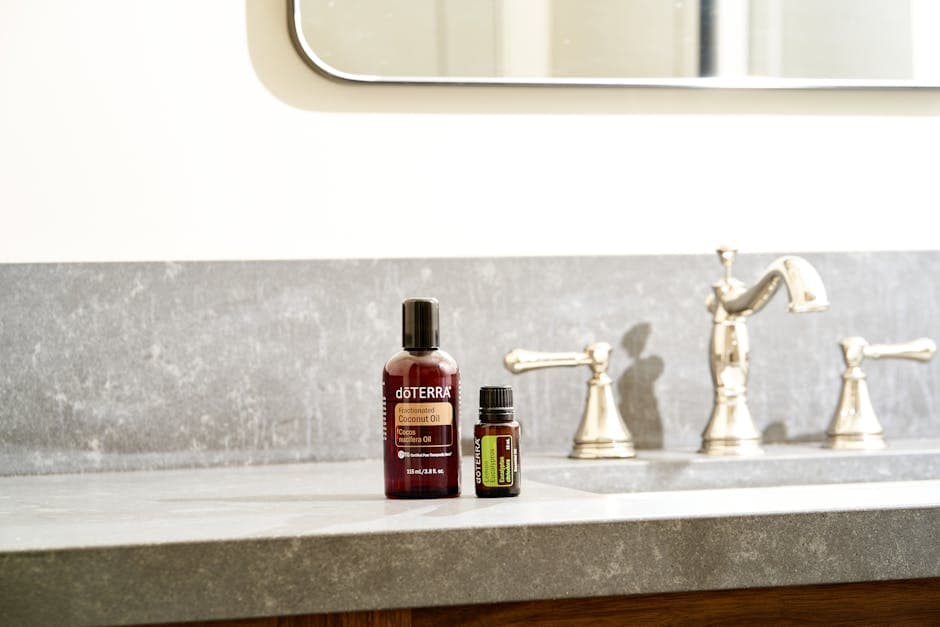
When you bottle, use glass if you can. Essential oils can degrade some plastics over time, and amber or cobalt glass blocks the light that speeds up oxidation. A 1 ounce dropper bottle is the standard size and dispenses cleanly onto your palm.
Essential Oils and Safe Dilution
Essential oils are concentrated, and the skin under a beard is facial skin, which is more sensitive than the skin on your arms. That's why beard oil sits at the low end of the dilution range, usually 1 to 2 percent rather than the 3 percent you might use in a body lotion.
Here's the rough conversion. One milliliter of essential oil is about 20 drops. So one percent of a 30 mL bottle is roughly 6 drops, and two percent is about 12. Start low. You can always add a drop or two to the next batch, but you can't pull scent back out once it's in.
Popular scents for beard oil are cedarwood, sandalwood, bay rum blends, pine, and a citrus paired with a woody note. Whatever you pick, patch test the first time you try a new essential oil. Put a small dab on the inside of your wrist, wait 24 hours, and check for redness before it goes anywhere near your face. If you have sensitive skin, stick to 1 percent and lean on the gentler oils.
One note on citrus: some citrus essential oils, especially cold-pressed bergamot and lime, are phototoxic, which means they can react with sunlight and burn skin. For a leave-on face product, look for a distilled or FCF (furocoumarin-free) version, or keep citrus to a low dose.
How Much to Use and When
A little goes a long way. For a short beard, 2 to 3 drops is plenty. A full beard might want 4 to 6. More than that and you're back to the greasy look you're trying to avoid.
The best time to apply is right after a shower, while your face is still slightly damp and the pores are open. Warm the drops in your palm, work them through the beard from the roots out to the tips, and comb it through so the oil reaches the skin, not just the hair. Do it daily and the itch and flaking usually ease within a week or two, which is the dry skin underneath settling down.
Why Your Beard Oil Feels Greasy
If your beard looks slick and heavy an hour after applying, one of two things is going on. Either you're using too much, or the blend is too heavy for your skin. Cut the amount first. If it still sits on top, the carriers are the problem.
Heavier oils, like a big share of castor or olive oil if you tried it, don't absorb well on the face. Shift the blend toward jojoba and grapeseed, which soak in faster, and drop the castor to 5 percent or cut it entirely. You want an oil that disappears into the beard and leaves it soft, not shiny.
If the oil smells sharp or like old crayons, it's gone rancid. That's oxidation, and it means a carrier oil passed its prime. Next batch, lean harder on jojoba, add a little vitamin E, make a smaller amount, and store the bottle away from heat and light.
💬 Frequently Asked Questions
What is the best carrier oil for beard oil?
Jojoba oil is the top choice for most people. Its structure is close to your skin's own sebum, so it absorbs cleanly without feeling greasy, and it has a long shelf life. Argan and sweet almond are strong second choices when you want a softer feel.
How long does homemade beard oil last?
A blend built on stable oils like jojoba and argan keeps about a year. If you use oils that oxidize fast, such as grapeseed or hemp seed, expect closer to three to six months. Adding a little vitamin E oil and storing the bottle cool and dark extends the life of any blend.
Do you need essential oils in beard oil?
No. Essential oils are there only for scent. An unscented beard oil made of nothing but carrier oils conditions the hair and skin just as well, and it's the safest option for anyone with sensitive skin or fragrance allergies.
How much essential oil should I add to beard oil?
Keep it at 1 to 2 percent, which is roughly 6 to 12 drops per 1 ounce (30 mL) bottle. Beard skin is facial skin and more sensitive, so start at the low end and patch test any new oil before it touches your face.
Can I use coconut oil in beard oil?
You can, but fractionated coconut oil is the better pick. Regular coconut oil is solid at room temperature and can feel heavy or clog pores for some people, while the fractionated kind stays liquid, absorbs lighter, and lasts a long time.
Start Blending
Beard oil is one of the easiest things you can make at home, and once you nail your ratio you'll never pay barber-shop prices again. Start with the jojoba-heavy recipe above, patch test your scent, and adjust from there. When you're ready to scale a batch or dial in a precise dilution, the Soaply beard oil calculator does the math for you. If you want to understand the oils first, the jojoba oil profile is a good place to start.
Ready to Try It?
Use the free Soaply beard oil calculator to size your batch and get every ingredient in grams and percent.
Open Calculator