How to Make Wax Melts (A Wickless Recipe for Strong Scent Throw)
Learn how to make wax melts at home: which wax to use, how much fragrance for strong scent throw, pouring into clamshells, curing, and fixing weak throw.
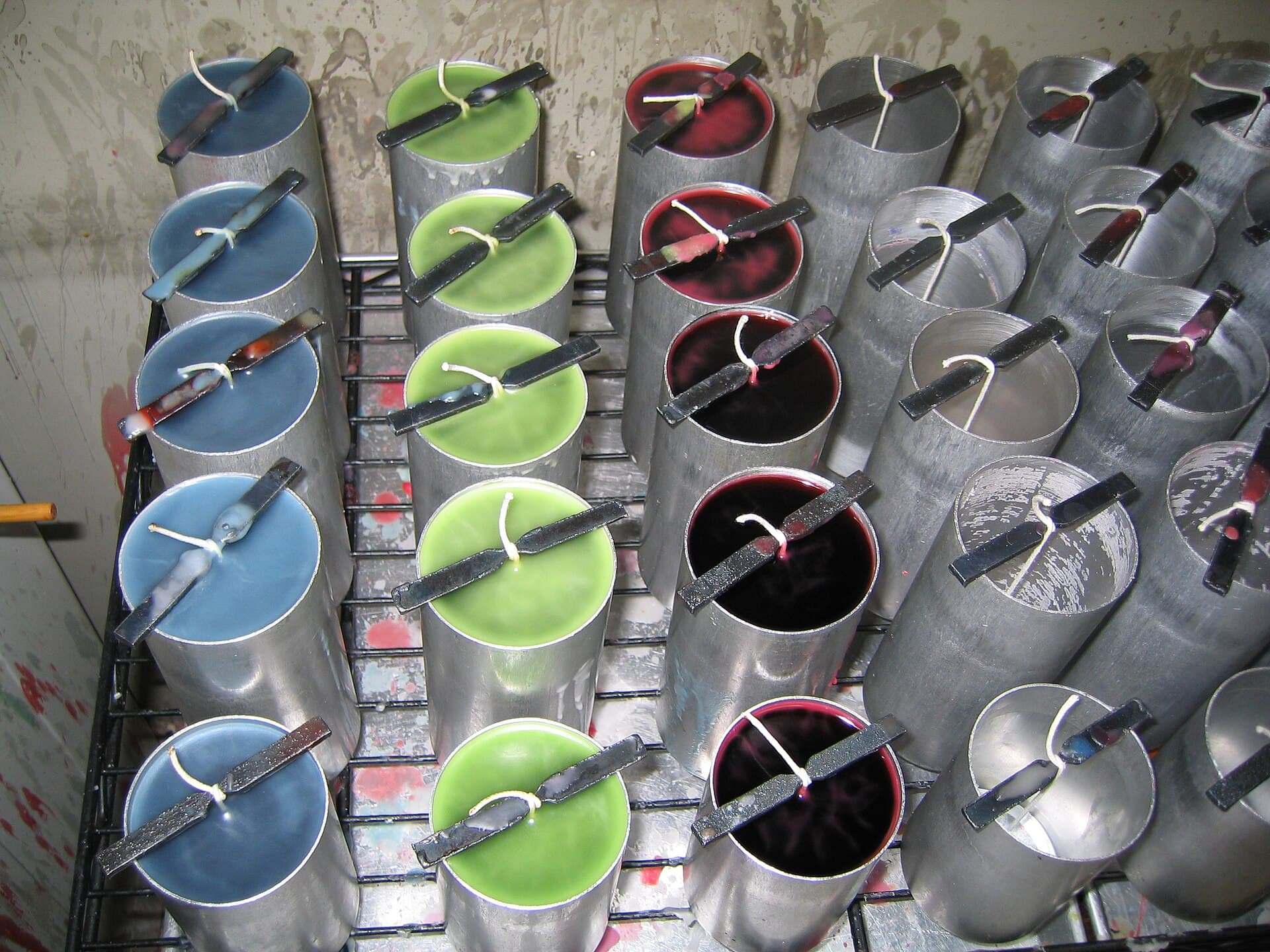
To make wax melts, you melt wax, stir in fragrance oil once the wax is fully liquid, then pour it into clamshells or silicone molds and let it set. There's no wick and no flame, so the whole thing is simpler than a candle. And because nothing has to burn cleanly, you can push the fragrance higher than you would in a candle, usually 10 to 12 percent of the wax weight. That's the trick behind a melt with strong scent throw. A batch takes about 20 minutes of hands-on time and a couple of dollars in materials. Below is the recipe, the wax and fragrance math, and the fixes for the problems that show up once you start giving them away or selling them.
The fast recipe: Melt about 3 oz of wax per 6-cavity clamshell, heat it to 170 to 185°F, stir in fragrance oil at 10 percent of the wax weight for two full minutes, add color if you want it, then pour at the wax's pour temperature. Pop the melts out once cool, or sell clamshells as they are.
- What You Need to Make Wax Melts
- How Wax Melts Differ From Candles
- Choosing Your Wax
- How Much Wax and Fragrance You Need
- How to Make Wax Melts Step by Step
- Clamshells, Silicone Molds, and Snap Bars
- Do Wax Melts Need to Cure?
- Coloring Wax Melts
- Fixing Common Wax Melt Problems
- Are Wax Melts Cheaper to Make?
- Frequently Asked Questions
What You Need to Make Wax Melts
The kit is short, and there's no wick or flame to deal with:
- Wax. A pillar or tart blend made for melts is the easy pick. Soy works too. More on that below.
- Fragrance oil. Buy oil made for candles and wax, not the skin-safe kind for lotions.
- Molds. Plastic clamshells, silicone shapes, or snap-bar molds. This is your only real choice to make.
- A digital scale. You measure wax and fragrance by weight, so a scale reading to 0.1 oz or 1 g is the one tool you can't skip.
- A pouring pitcher and a thermometer. A cheap aluminum pitcher in a pot of simmering water works as a double boiler, and a thermometer tells you when to add scent and when to pour.
- Color (optional). Candle dye or a little mica if you want tinted melts.
No wicks, no wick stickers, no wick bars. That whole side of candle making just isn't part of this.
How Wax Melts Differ From Candles
A candle burns its own fuel: the wick pulls melted wax up and the flame consumes it. A wax melt does none of that. It sits in a warmer and melts from outside heat, either a light bulb or a small hot plate, and nothing burns. That single difference changes two things.
First, there's no wick to size, which is the fiddliest part of candle making gone entirely. Second, the fragrance ceiling is only about what the wax can physically hold, not about keeping a flame clean. So melts take more fragrance than candles, 10 to 12 percent against the 6 to 10 percent typical for candles, and a good melt can scent a room faster than a candle poured from the same wax. The trade-off is that the wax has to hold a shape and release from a mold, or sit neatly in a clamshell, so firmness matters more here than it does in a jar. If you want the wicked version too, here's how to make candles.
Choosing Your Wax
Any candle wax will melt in a warmer, but they don't all behave the same in a mold or throw scent equally. Here's how the common ones compare, with the fragrance load each can carry:
| Wax | Max fragrance | Pour temp | Best for |
| --- | --- | --- | --- |
| Pillar / tart blend | 12% | 170-180°F | Made for melts. Firm, clean release, strong throw. The default. |
| Paraffin (IGI 4630) | 12% | 170-180°F | Strongest throw, releases easily from molds, traditional. |
| Coconut soy blend | 12% | 140-150°F | Creamy look, strong cold and hot throw. |
| Coconut wax | 12% | 140-150°F | Premium, clean melt, higher cost. |
| 464 soy | 10% | 135-145°F | Soft. Fine in clamshells, may not hold a shaped mold without a firmer additive. |
| Beeswax blend (50/50) | 8% | 145-160°F | Natural. Blend with soy so it melts and releases. |
| Palm | 8% | 200-210°F | Hard wax with crystalline patterns. |
If you're making melts in shaped silicone molds, lean toward a pillar or tart blend or paraffin. They hold detail and pop out clean. Soy on its own is soft and better suited to clamshells, where the container holds the wax for you. If you like working with natural wax, our notes on using beeswax explain why a straight beeswax melt is stubborn and why a 50/50 soy blend behaves better.
How Much Wax and Fragrance You Need
With a candle you match wax to a jar's volume. Melts are simpler: you measure by the weight of wax each mold holds. Rough capacities:
- 6-cavity clamshell: about 3 oz of wax (0.5 oz per cube)
- 10-cavity clamshell: about 4 oz (0.4 oz per cube)
- Snap bar: about 2.5 oz
- Shot cups: about 1 oz each
- Shaped silicone molds: varies, weigh water in one cavity to estimate
Decide how many molds you want, multiply by the wax per mold, and that's your wax weight. Fragrance is a percentage of that wax weight, not the total finished weight. At 10 percent, 10 oz of wax takes 1 oz of fragrance. Melts do best at 10 to 12 percent, and below about 6 percent the throw gets weak. The percentages work the same way they do in candles and soap, and our guide to calculating fragrance load walks through the math if it's new to you.
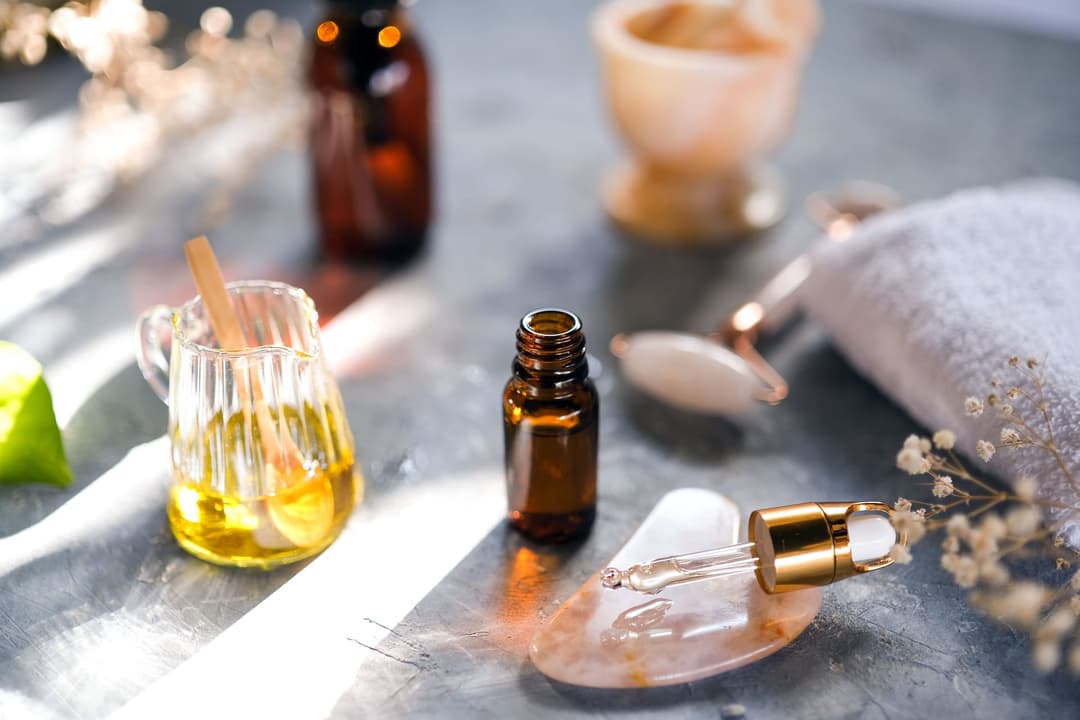
The one hard rule is to respect the wax's maximum. Pour in more fragrance than the wax can bind and the excess sweats out later as an oily film. The Soaply wax melt calculator caps the fragrance slider at each wax's ceiling and gives you the exact weights for your mold count, so you're not doing the percentages by hand or guessing at the limit.
How to Make Wax Melts Step by Step
- Weigh your wax and melt it in a pitcher set in simmering water, or in a wax melter, heating to about 170 to 185°F until it's fully liquid.
- Weigh your fragrance oil at 10 to 12 percent of the wax weight.
- Take the wax off the heat, pour in the fragrance, and stir gently for a full two minutes. This is what binds the oil into the wax. Rushing it is the number one cause of weak throw and sweating.
- Add color now if you're using it.
- Let the wax cool to its pour temperature. Check the table above: soy around 135 to 145°F, pillar and paraffin blends 170 to 180°F.
- Pour into clamshells or molds and tap the mold on the counter to release trapped air bubbles.
- Let them set fully, four to six hours, or overnight to be safe. Silicone releases best once the wax is completely cool and firm, and a short spell in the freezer helps stubborn shapes pop out.
Use fragrance oil, not essential oils, for the scent. Essential oils are pricey, throw weakly in wax, and many of them flash off at warmer temperatures. Here's the full difference between essential oils and fragrance oils if you're deciding.
Clamshells, Silicone Molds, and Snap Bars
Your mold choice shapes both the look and the packaging.
Clamshells are the plastic six-cube trays you've seen in stores. You pour straight in, snap the lid shut, and label. There's nothing to unmold, and the clamshell doubles as packaging, which makes it the easiest route if you're selling.
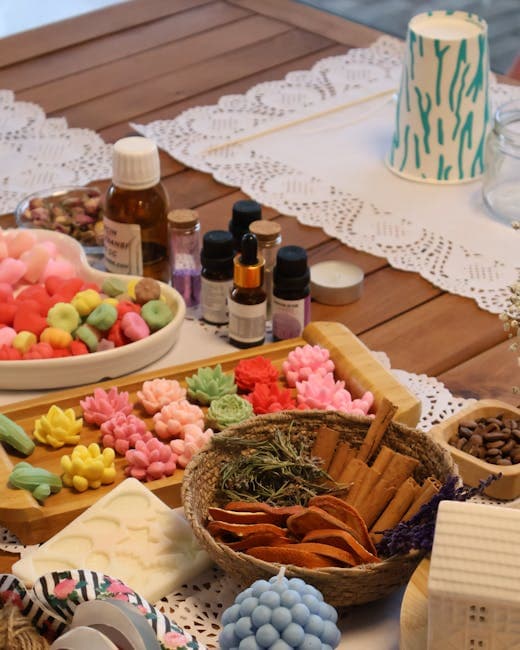
Silicone molds give you hearts, stars, flowers, and other shapes. They look great and gift well, but you have to unmold each piece, and soft soy can tear or stick. A firmer wax holds the detail and releases cleanly.
Snap bars are a break-apart bar, usually around 2.5 oz, that the buyer snaps into chunks as needed. They use less packaging per ounce and are a popular format at markets.
Do Wax Melts Need to Cure?
This is where makers disagree, so here's the honest version. You can use a melt the moment it's hard, and plenty of people do. But like candles, the fragrance keeps binding into the wax for a week or two after pouring, and both the cold throw (the smell in the package) and the hot throw (the smell when it's warming) get noticeably stronger if you let them rest. If your melts smell flat the day you pour them, don't scrap the recipe. Give them a week in a cool, dark spot and smell again. Soy gains the most from a rest, while paraffin and pillar blends throw well sooner.
Coloring Wax Melts
Color is optional and it doesn't change the scent. You've got three options: liquid candle dye (a few drops per pound), dye blocks or chips (shave in a little at a time), and mica powder for shimmer.
One warning is specific to melts. Mica and heavy dyes can leave a residue or film in the buyer's warmer, and a customer scrubbing out a stained dish is a common complaint. Use mica sparingly, tint lightly, or leave melts uncolored if you're unsure. And never use crayons to color wax. They aren't made for melting and they gum up warmers.
Fixing Common Wax Melt Problems
Weak scent throw. Usually too little fragrance, oil that wasn't stirred in long enough, or melts that haven't rested. Push to 10 to 12 percent, stir a full two minutes off the heat, and cure a week. A warmer running too hot also flashes the scent off fast, so a gentle bulb warmer often smells better than a hot plate.
Oily film or sweating. Too much fragrance for the wax, over its stated max. Drop back to the ceiling and stir longer so the oil binds in.
Won't release from the mold. The wax is too soft or not fully cool. Switch to a firmer wax for shaped molds, or chill the mold for 10 to 15 minutes before you try again.
Soft, greasy cubes. Soy on its own is soft. Use a pillar or tart blend made for melts, or accept that clamshells, which hold the wax, suit soft wax better than open molds.
White frosty coating. That's frosting, natural to soy and purely cosmetic. It doesn't affect the scent at all.
Cracking or holes. Poured too hot or cooled too fast. Pour at the wax's recommended temperature and let melts cool at room temperature, away from a draft.
Are Wax Melts Cheaper to Make?
Yes, by a wide margin. Wax runs around $7 a pound and fragrance oil around $2 an ounce, so a 6-cavity clamshell holding about 3 oz of wax at 10 percent fragrance costs roughly $1.50 to $2.50 in materials once you add the clamshell and a label. That same pack sells for $5 to $8. Since a pound of wax makes five or six clamshells, one batch stretches a long way.
Melts are also how a lot of makers test a new fragrance before committing it to a full candle run, because a single small mold costs pennies. If you're selling, price off your real costs plus your time, not off a guess. The Soaply wax melt calculator has a cost mode that totals wax, fragrance, packaging, and labels per pack and suggests a retail range, and our guide to pricing handmade goods covers the rest of the math.
💬 Frequently Asked Questions
How much fragrance oil do you put in wax melts?
Most melts use 10 to 12 percent fragrance oil by weight of the wax, higher than candles because there's no wick or flame to keep clean. That's about 1 to 1.2 oz of fragrance per 10 oz of wax. Don't go past your wax's stated maximum, or the oil sweats back out.
Do wax melts need to cure?
Not for safety, you can use them as soon as they're hard. But the scent throw gets stronger if you let them rest one to two weeks in a cool, dark place while the fragrance binds into the wax. Soy benefits the most from a cure.
Can I use candle wax to make wax melts?
Yes. Any candle wax melts fine in a warmer. The catch is firmness: soft container soy works in clamshells but is hard to unmold from shaped silicone molds. A pillar or tart blend made for melts holds detail and releases cleanly.
Why are my wax melts not smelling strong?
The usual causes are too little fragrance, not stirring the oil in long enough, or using them before they've rested. Bump the load to 10 to 12 percent, stir a full two minutes off the heat, and cure a week. A warmer running too hot also burns off the scent quickly.
How long do homemade wax melts last?
Stored in a cool, dark spot away from heat and sunlight, wax melts hold their scent for about one to two years. The wax itself doesn't spoil, but the fragrance fades over time, so make them in batches you'll get through within a year or so.
Pour Your First Batch
Wax melts are the friendliest way into wax crafting: no wick to fuss with, a short ingredient list, and a payoff you can smell the same day. Melt your wax, stir in fragrance at 10 to 12 percent, pour, and you're done. Once the basic batch feels easy, try a firmer wax for shaped molds or test a new scent before you commit it to a full candle. Ready to nail the exact wax and fragrance weights for your molds? Run the numbers with the free Soaply wax melt calculator.
Ready to Try It?
Use the free Soaply wax melt calculator to size your batch and get every ingredient in grams and percent.
Open Calculator