How to Make Aleppo Soap: The Ancient Olive and Laurel Recipe
Aleppo soap is a traditional Syrian bar made from olive oil, laurel berry oil, and lye. Here's what it is, its benefits, the laurel grading, plus a home recipe.
This article contains Amazon links. As an Amazon Associate, Soaply earns from qualifying purchases at no extra cost to you.
Aleppo soap is a hard, olive-based bar made from just four things: olive oil, laurel berry oil, lye, and water. It takes its name from the Syrian city of Aleppo, where it's been made the same way for centuries, and it's widely considered one of the oldest soaps in the world. If you've ever picked up a rough brown block that smelled faintly of bay leaves and cut into a green center, that's Aleppo soap. This guide covers what it actually is, what the laurel percentage on the label means, its benefits for skin, how it stacks up against Castile and African black soap, and a home recipe you can make in a slow cooker.
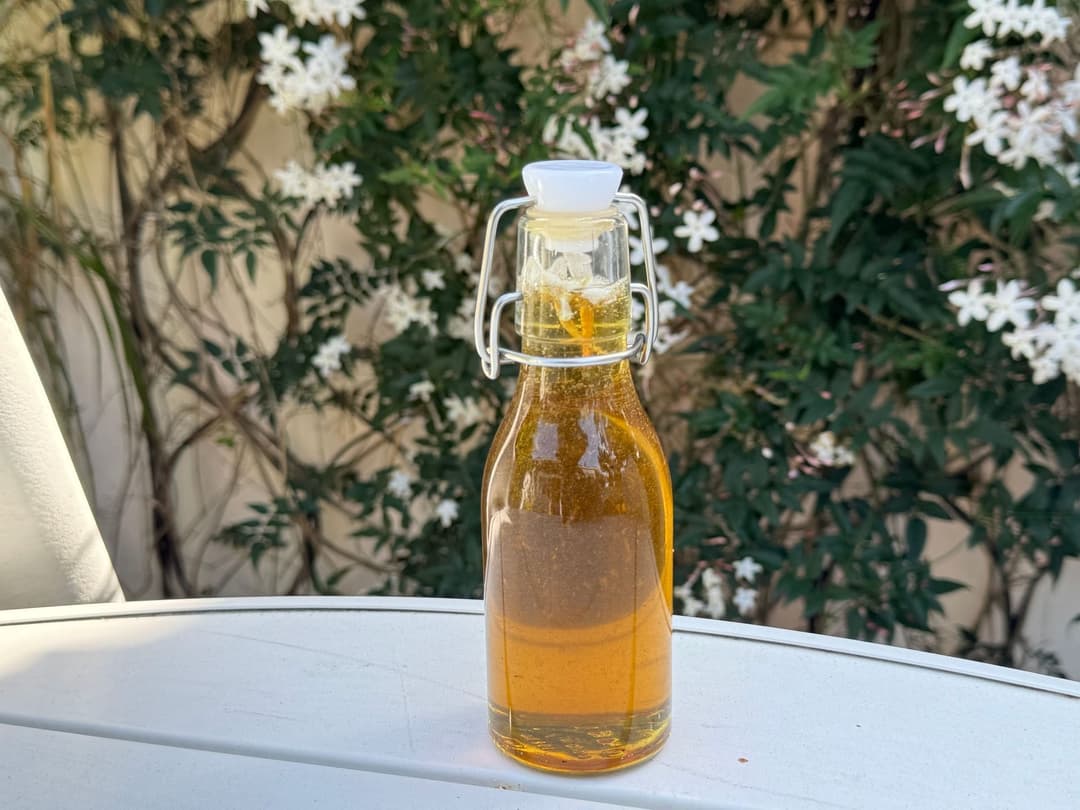
Quick pick: Want the real thing without making it? A block of genuine Aleppo soap with 20 to 40 percent laurel oil is a great starter. To make your own, you'll need a bottle of laurel berry oil.
What Is Aleppo Soap?
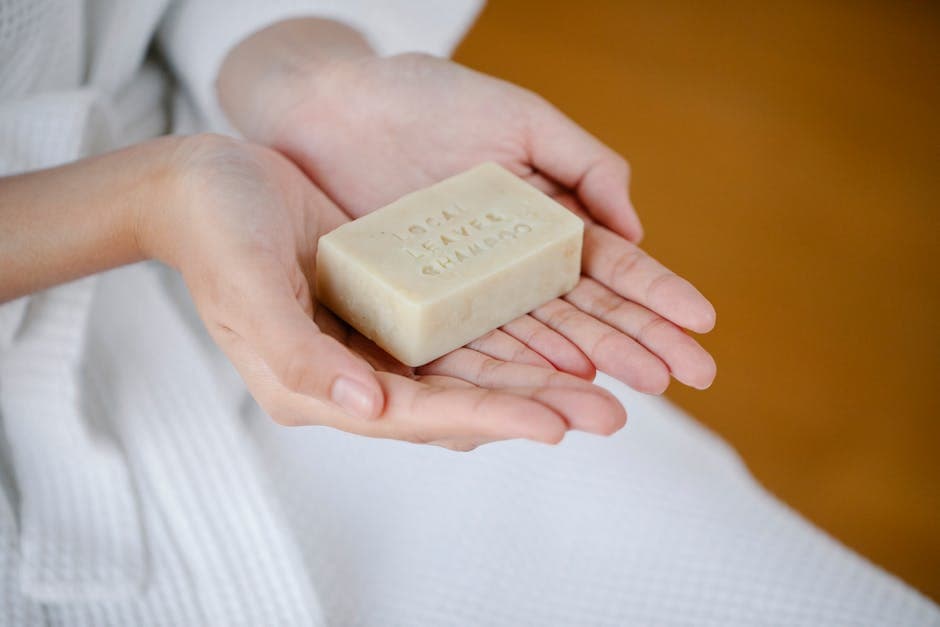
Aleppo soap, called savon d'Alep in French and sometimes ghar soap after the Arabic word for laurel, is a traditional hard soap that comes from Aleppo in northern Syria. It's made by cooking olive oil with lye, stirring in laurel berry oil near the end, then pouring the hot batch out to set, cutting it into cubes, stamping each one, and aging the bars for months or even years before they're sold.
It's one of the oldest continuously made soaps anywhere. The technique traveled west along Mediterranean trade routes and is widely credited as the ancestor of Castile soap in Spain and Marseille soap in France. What sets Aleppo apart from those cousins is the laurel berry oil, an ingredient the olive-only bars don't use.
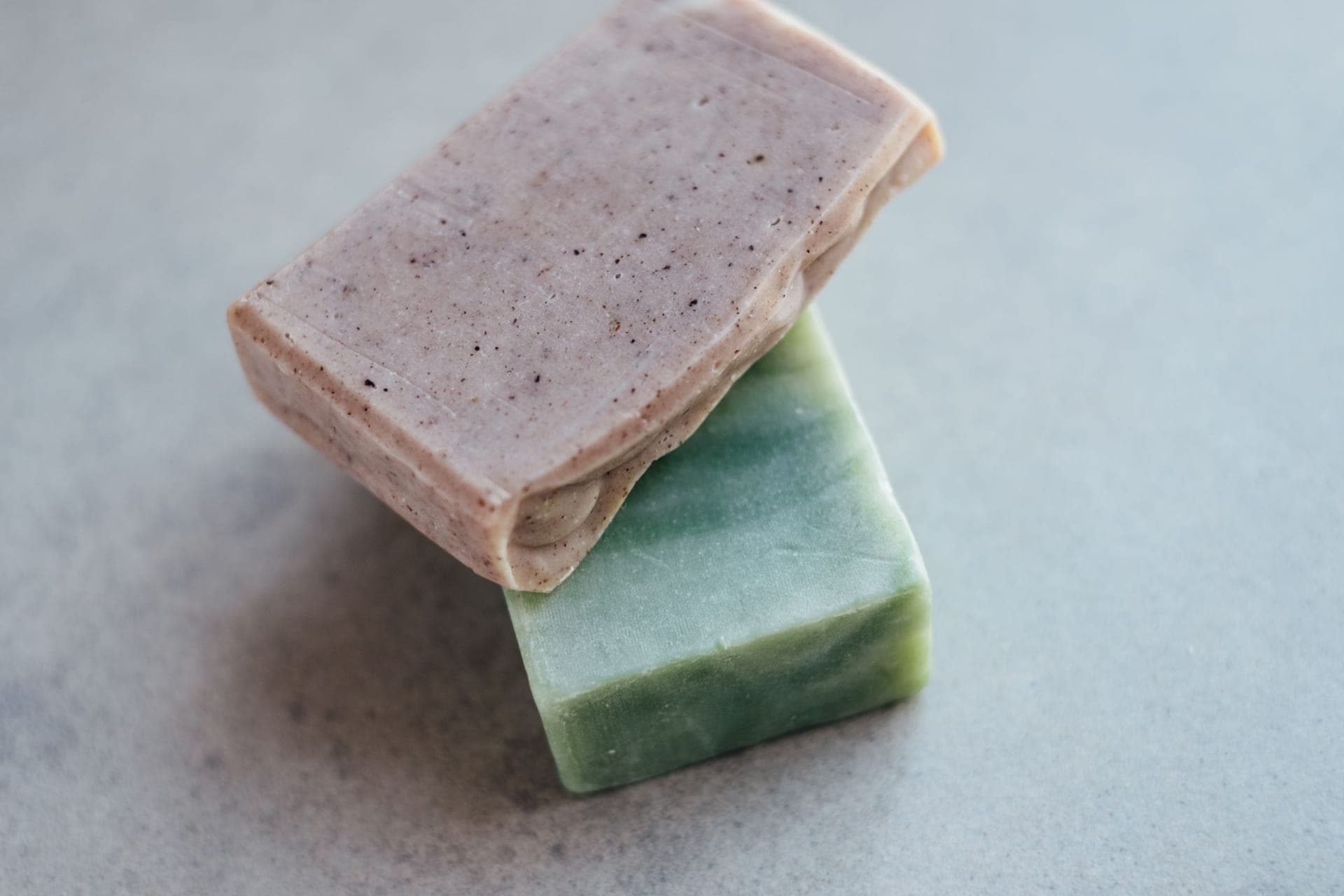
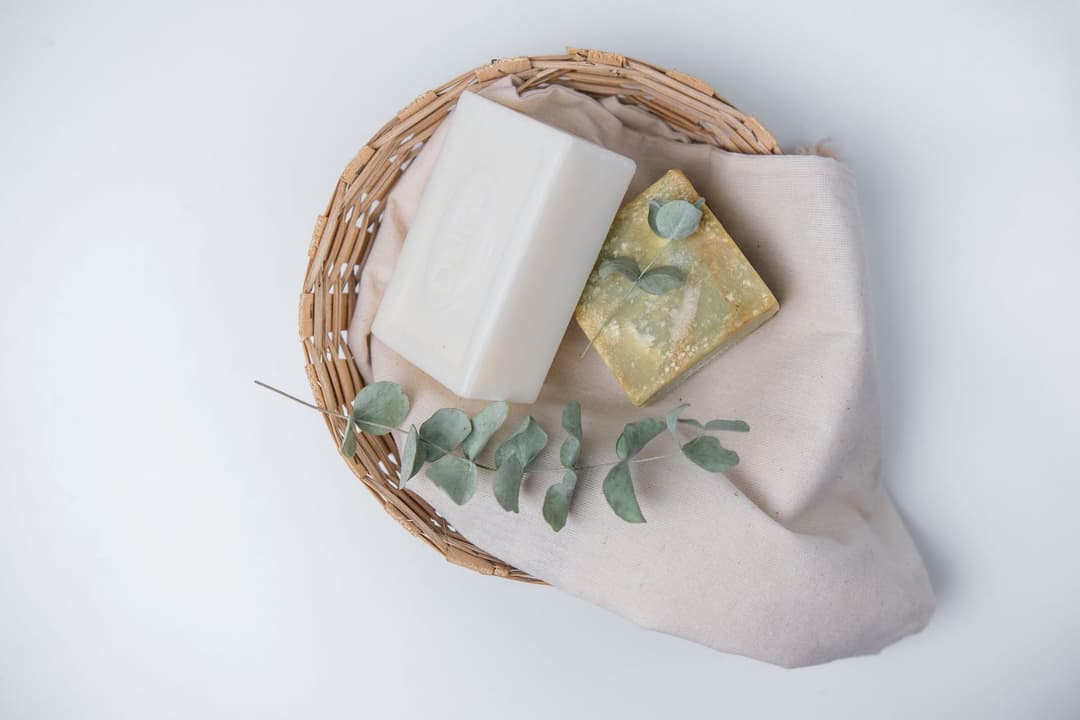
You can spot a traditional bar instantly. The outside is a dusty tan or brown from years of air exposure, while a fresh cut reveals a deep olive green inside. That two-tone look isn't a defect. It's the signature of a bar that's been aged the old way.
What Is Aleppo Soap Made Of?
The ingredient list is short, which is a big part of the appeal. Authentic Aleppo soap contains only these:
| Ingredient | Role |
| --- | --- |
| Olive oil | The base oil; makes up the bulk of the bar and gives a gentle, conditioning wash |
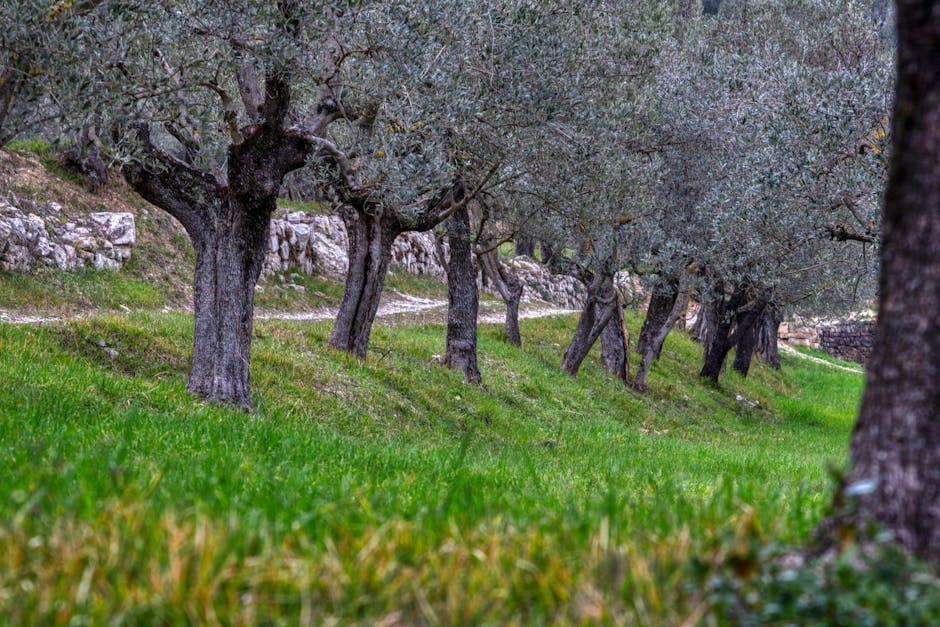
| Laurel berry oil | Pressed from bay laurel berries; adds a woody, herbal scent and a cleansing, slightly antibacterial character |
| Sodium hydroxide (lye) | Turns the oils into soap through saponification |
| Water | Dissolves the lye so it can react with the oils |
That's it. No palm oil, no synthetic fragrance, no added color. The green comes from the olive and laurel oils themselves, and the scent is entirely the laurel. Because the recipe leans so heavily on olive oil, Aleppo behaves a lot like a Castile bar: mild, low-lather, and hard-wearing once it's fully aged. The laurel berry oil is the special ingredient, and how much of it goes in is the single biggest thing that changes the bar.
If you're curious about the reaction that turns these oils into soap in the first place, our explainer on what saponification is breaks down the chemistry in plain terms.
What the Laurel Oil Percentage Means
When you shop for Aleppo soap, you'll see numbers like 2%, 12%, 20%, or 40%. That figure is the share of laurel berry oil in the bar, and it's the main quality and price signal. More laurel means a richer scent, a more cleansing feel, and a higher price, because laurel berry oil is far more expensive and harder to get than olive oil.
Here's a rough guide to what the grades mean in practice:
| Laurel percentage | Best for |
| --- | --- |
| 2 to 5% | Everyday body soap; mild, gentle, budget-friendly |
| 12 to 20% | A step up in scent and cleansing; a popular all-purpose choice |
| 25 to 40% | Prized for oily, acne-prone, or troubled skin, and often used on the face and hair |
| Over 40% | Specialty bars; intense laurel scent, sometimes used more like a treatment bar |
Higher laurel percentages are traditionally recommended for oily and blemish-prone skin, while lower percentages suit dry or sensitive skin that wants something milder. None of these are medical treatments, so think of the grade as a comfort and preference dial rather than a prescription. For a first bar, something in the 12 to 20 percent range is an easy place to start.
Aleppo Soap Benefits for Skin
People reach for Aleppo soap for a few practical reasons, most of which come straight from its simple, olive-heavy formula:
- It's gentle and low-irritation. With no synthetic fragrance or dye and a base of skin-loving olive oil, it's an easy pick for people who react to heavily scented commercial soaps.
- Olive oil conditions as it cleans. Olive-based bars are known for a soft, non-stripping wash, which is why Castile and Aleppo both have such loyal followings among people with dry or reactive skin.
- Laurel adds a cleansing, herbal character. Bay laurel oil brings a woody scent and is traditionally valued for a slightly antibacterial, clarifying feel, which is why higher-laurel bars get pointed toward oily and blemish-prone skin.
- The ingredient list is short and readable. Four ingredients, all recognizable, is a genuine selling point if you're trying to simplify what goes on your skin.
- It's a true multitasker. Fans use one bar for face, body, hands, hair, and even shaving, which we'll get into below.
A quick honesty note: Aleppo soap is a soap, not a medicine. Plenty of people with eczema or acne find it comfortable, but it won't cure a skin condition, and laurel can be sensitizing for a few people. Patch test a new bar on your forearm before you use it on your face.
Aleppo Soap vs Castile vs African Black Soap
These three traditional soaps get compared a lot because they're all old, plant-based, and famous for being gentle. Here's how they differ:
| Soap | Main ingredients | Character |
| --- | --- | --- |
| Aleppo | Olive oil plus laurel berry oil | Hard olive bar with a woody, herbal scent and a mild, cleansing wash |
| Castile | 100% olive oil | Ultra-mild, low-lather, very hard once cured; no added scent |
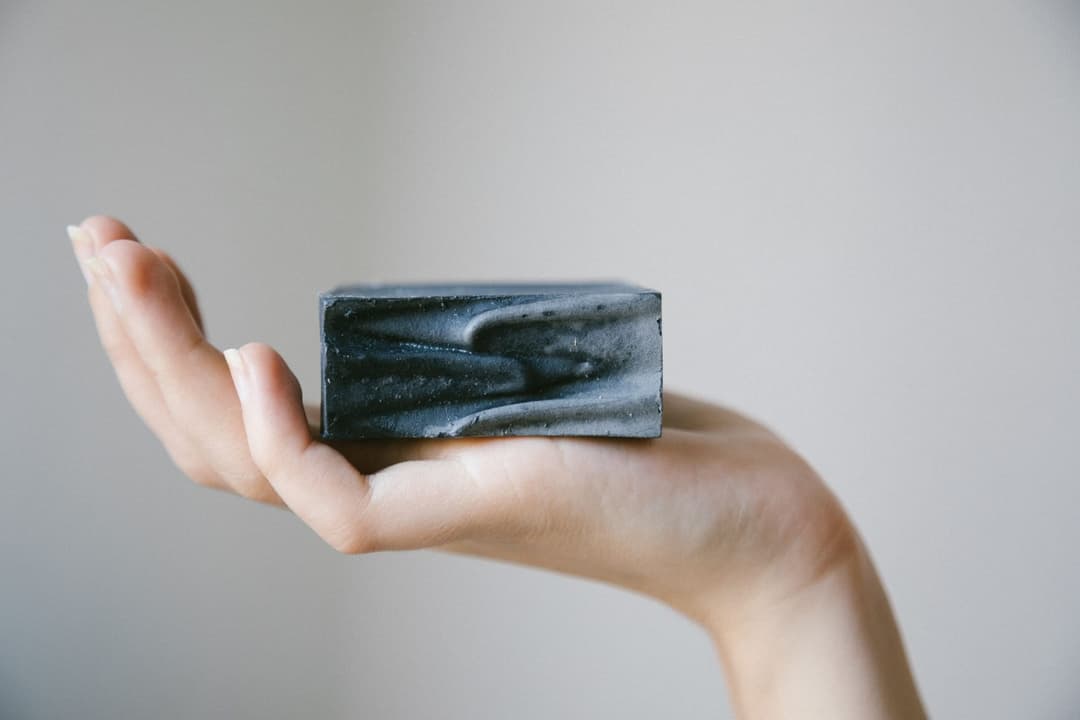
| African black soap | Plantain or cocoa pod ash, palm and shea, cocoa butter | Soft, earthy, deeply cleansing; often crumbly and dark |
Aleppo is basically Castile with laurel berry oil added, which gives it a scent and a slightly more cleansing feel that plain Castile lacks. African black soap comes from a completely different tradition and process, using plant ash rather than laurel. If you like the idea of a simple olive bar, our guides on how to make Castile soap and how to make African black soap are worth a read alongside this one.
How to Make Aleppo Soap at Home
Traditional Aleppo soap is cooked, not made cold process, so a hot process method in a slow cooker gets you closest to the real thing. Cooking also means the soap is safe to use much sooner, though a long cure still makes it better. Before you start, read our soap making safety guide, because you're working with lye and it deserves respect: goggles, gloves, good ventilation, and no kids or pets underfoot.
Sample recipe (about a 1.5 pound batch, 20% laurel):
| Ingredient | Amount |
| --- | --- |
| Olive oil | 500 g (80%) |
| Laurel berry oil | 125 g (20%) |
| Sodium hydroxide (lye) | run through the calculator |
| Distilled water | run through the calculator |
| Superfat | 5% |
| Lye concentration | 33% |
Run these exact oils and weights through the free Soaply soap calculator and it returns your precise lye and water. For this recipe that lands near 82 grams of sodium hydroxide, but always use the number your calculator gives for your batch, and recalculate any time you change an oil or the amounts. New to the tool? Our walkthrough on how to use a soap calculator covers every field.
Steps:
- Prep and measure. Weigh your olive oil into the slow cooker on low. Weigh the laurel berry oil separately and set it aside to add later. Measure your water and lye into two more containers.
- Mix the lye solution. In a well-ventilated spot, slowly add the lye to the water (never water to lye) and stir until it clears. It gets hot and fumes for a minute, so turn your face away. Let it cool while the oils warm.
- Combine and reach trace. Pour the lye solution into the warm olive oil and blend with a stick blender until you reach a thick trace, where the batter looks like pudding.
- Cook. Cover and cook on low, checking every 15 minutes. Over about 45 to 60 minutes the soap will bubble, fold, and turn translucent and glossy like petroleum jelly. That's the sign saponification is done.
- Add the laurel. Turn off the heat and let it cool for a few minutes, then stir in the laurel berry oil (this is your scent and part of your superfat). Adding it after the cook keeps more of its character in the finished bar.
- Mold it. Spoon the thick soap into a lined mold and press it down firmly to avoid air pockets. Traditional bars are cut into cubes, so a slab or loaf mold works well.
- Cut and cure. Unmold after 24 hours, cut into bars, and cure them (more on that next). Hot process soap is technically usable in a few days, but Aleppo rewards patience.
For a deeper look at the crockpot technique itself, our full hot process soap guide walks through every stage with troubleshooting.
How Aleppo Soap Is Cured and Aged
This is where Aleppo really separates itself. Traditional makers age the cut, stamped bars in stacked towers for anywhere from nine months to two years before selling them. During that long rest, water evaporates, the bar hardens into a dense block, and the surface slowly oxidizes from green to that classic tan-brown crust while the inside stays green.
The payoff for aging is a milder, longer-lasting bar. A well-aged Aleppo soap is rock hard, so it doesn't dissolve into mush in the shower, and the extended cure smooths out any harshness. At home you won't age for two years, but give your bars at least four to six weeks, and longer is genuinely better with an olive-heavy recipe like this. Our guide on why curing soap matters explains what's happening chemically during that wait and why rushing it gives you a softer, shorter-lived bar.
One classic test of an aged bar: a traditional Aleppo soap will float in water once it's fully dried out and hardened. If yours sinks, it just needs more time.
How to Use Aleppo Soap
Part of the charm is how many jobs one bar can do:
- Face and body wash. Work up a lather in wet hands and wash as usual. Lower laurel percentages suit sensitive skin, higher ones suit oily skin.
- Shampoo bar. Some people wash their hair with it, especially higher-laurel bars. Rinse well, and a diluted vinegar rinse afterward helps if your water is hard.
- Shaving soap. The olive base gives a slick, cushioning lather that's kind to skin. Swirl a wet brush on the bar to build lather.
- Hand and household soap. Because it's so hard and long-lasting, one bar at the sink goes a long way.
Keep the bar on a well-draining dish between uses so it dries out fully. Like any olive-heavy soap, it lasts longest when it isn't left sitting in a puddle.
How to Spot Real Aleppo Soap
The market is full of bars that borrow the name without the substance, so if authenticity matters to you, check for these:
- A short ingredient list. Real Aleppo soap is olive oil, laurel berry oil, water, and lye (often listed as sodium olivate and sodium laurate on the label). Palm oil, added fragrance, or dye means it's a knockoff.
- The two-tone look. A tan or brown exterior with a green interior when cut is the traditional signature.
- A stamped bar. Traditional makers stamp each cube with their workshop's seal.
- A stated laurel percentage. Reputable sellers tell you the laurel content, since that's the whole quality story.
- That earthy, olive-and-bay scent. It should smell natural and herbal, not perfumed.
If you'd rather buy than make, a genuine Aleppo soap block that lists its laurel percentage is a safe bet, and it's a nice reference bar to compare against your own batch. Curious how olive and laurel rank among all the fats you could put in a bar? Our roundup of the best oils for soap making puts them in context.
💬 Frequently Asked Questions
What is Aleppo soap made of?
Authentic Aleppo soap contains only four ingredients: olive oil, laurel berry oil, sodium hydroxide (lye), and water. There's no palm oil, synthetic fragrance, or added color. The green tint and herbal, woody scent come entirely from the olive and laurel oils themselves.
Is Aleppo soap good for your face?
Many people use it as a facial cleanser, and its mild, olive-based formula suits sensitive skin well. Higher-laurel bars, around 25 to 40 percent, are traditionally favored for oily and blemish-prone skin. It's a soap, not a treatment, so patch test first and stop if it irritates your skin.
What does the percentage on Aleppo soap mean?
The percentage tells you how much laurel berry oil is in the bar. Higher percentages mean a stronger scent, a more cleansing feel, and a higher price. Lower percentages (2 to 12 percent) are milder and cheaper, while 20 to 40 percent bars are prized for oily or troubled skin.
How long does Aleppo soap need to cure?
Traditional Aleppo soap ages for nine months to two years, which makes it very hard and long-lasting. A homemade hot process version is usable within days but is far better after at least four to six weeks of curing. With an olive-heavy recipe like this, longer curing always improves the bar.
Can I make Aleppo soap without laurel berry oil?
Not really. Laurel berry oil is what makes Aleppo soap Aleppo soap, giving it the signature scent and cleansing character. Leave it out and you've essentially made a Castile bar. If you can't find laurel oil, making Castile soap is the natural alternative.
Make Your Own Batch
Aleppo soap proves you don't need a long ingredient list to make something people have loved for centuries. Olive oil for a gentle wash, laurel berry oil for scent and character, and a long cure for a hard, lasting bar. When you're ready to build your version, plug your exact oils and batch size into the free Soaply soap calculator so your lye, water, and superfat come out right the first time.
Ready to Try It?
Use our free soap calculator to create your perfect recipe with real-time property predictions.
Open Calculator