How to Make Natural Deodorant (Cream and Stick Recipes)
How to make natural deodorant at home with coconut oil, shea butter, and arrowroot. Cream and stick recipes, a baking-soda-free version, and exact amounts.
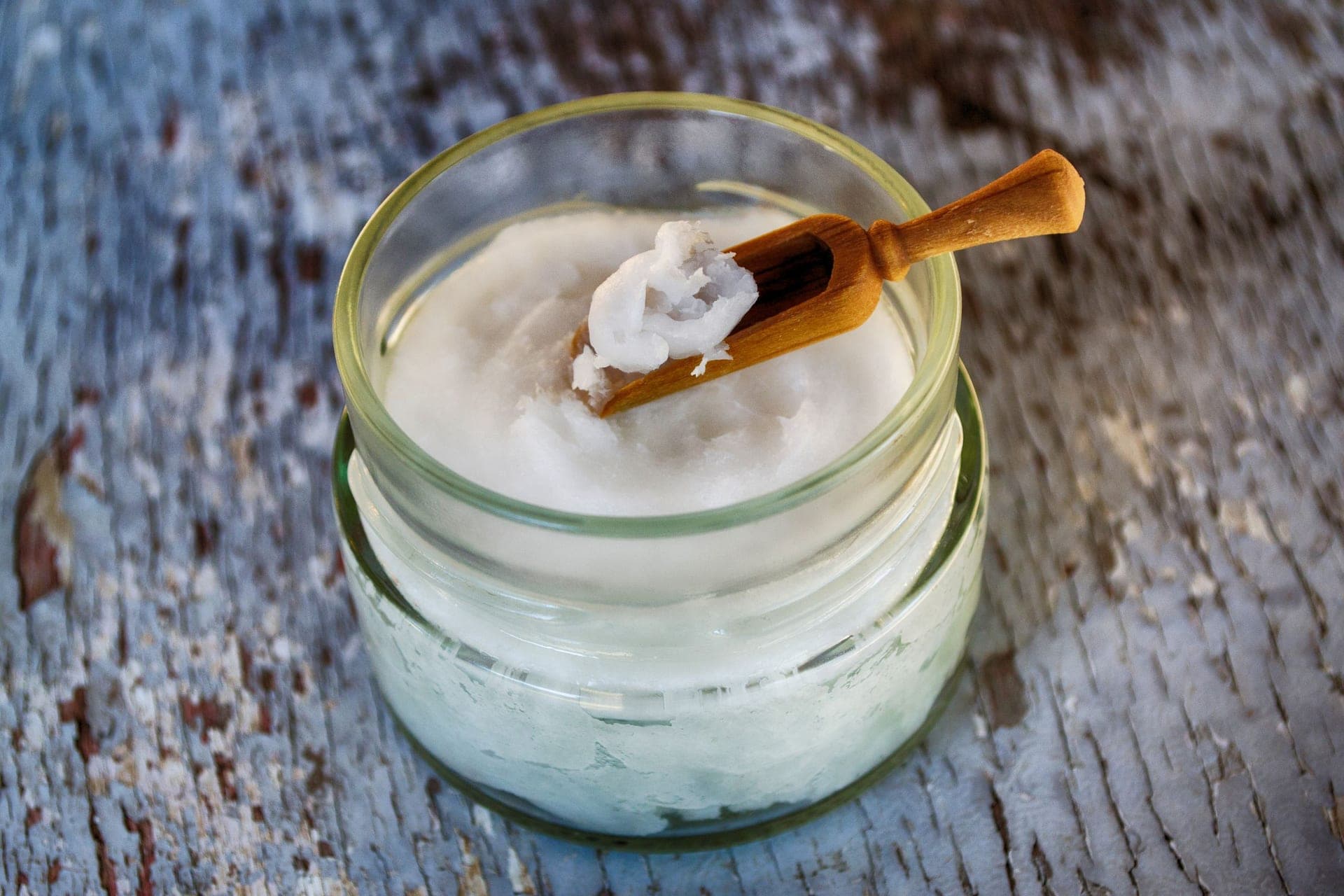
To make natural deodorant at home you melt a base of coconut oil and shea butter, stir in arrowroot powder and a pinch of baking soda to neutralize odor, then scent it with a few drops of essential oil and pour it into a tin or a push-up tube. The whole thing takes about fifteen minutes of hands-on time and sets in an hour. The tricky part isn't the method, it's the ratios: too much baking soda irritates your skin, too little wax leaves a stick that crumbles, and too much essential oil turns a nice underarm balm into a rash. This guide gives you three tested recipes with exact amounts, and you can resize any of them in seconds with the Soaply deodorant calculator.
- Why Make Your Own Deodorant
- Deodorant vs Antiperspirant: An Honest Note
- The Four Parts of Every Natural Deodorant
- Basic Natural Deodorant Cream Recipe
- How to Make a Deodorant Stick
- Natural Deodorant Without Baking Soda
- Essential Oils That Fight Odor
- Why Your Homemade Deodorant Failed
- How Long It Lasts and How to Store It
- Frequently Asked Questions
Why Make Your Own Deodorant
The main reason people start is the ingredient list. A drugstore stick can run twenty-plus items, and if you're trying to skip aluminum, synthetic fragrance, or parabens, a homemade version puts you in charge of every gram. You also save money over time. A batch of two or three tins costs a few dollars in raw materials once you own the oils, and those same oils carry over into lotion bars and body butter, so nothing sits unused.
There's a control angle too. Skin varies. Some people can't touch baking soda without turning red, others need the extra odor punch it gives. When you mix your own, you dial the formula to your own armpits instead of hoping a mass-market bar happens to suit you.
Deodorant vs Antiperspirant: An Honest Note
This matters, so here it is up front: a natural deodorant does not stop you from sweating. Antiperspirants use aluminum salts to plug your sweat glands, and there's no plant-based swap that does the same job. What a homemade deodorant does is control odor. Sweat itself is nearly odorless. The smell comes from bacteria on your skin breaking it down, and the baking soda, clays, and essential oils in these recipes go after that bacteria and the moisture it feeds on.
So if you're expecting bone-dry underarms all day, a natural deodorant won't get you there. If you want to smell fresh without aluminum, it works well once you find your ratio. Set that expectation before you make your first batch and you won't be disappointed.
The Four Parts of Every Natural Deodorant
Almost every recipe you'll see, including the ones below, is built from four jobs. Understanding the jobs is what lets you adjust a recipe instead of blindly following it.
Butters and oils (the base). These melt at body temperature and glide the formula onto your skin. Coconut oil is the workhorse because it's mildly antibacterial and firm at room temperature but soft enough to spread. Shea butter adds a soothing, moisturizing body, and its anti-inflammatory reputation is part of why it pairs so well with baking soda. Aim for roughly 45 to 60 percent of the formula here.
Absorbents (moisture control). Arrowroot powder is the favorite: it's silky, gentle, and soaks up wetness without the grit some people dislike in cornstarch. Kaolin and bentonite clay do similar work and add a little odor control of their own. This group usually runs 40 to 55 percent.
Odor neutralizer. Baking soda is the classic. It raises the skin's surface pH just enough to make life hard for odor bacteria, and a little goes a long way. Keep it at or under 20 percent of the formula, and lower for sensitive skin. If baking soda bothers you, magnesium hydroxide does a similar job far more gently, which is the whole point of the baking-soda-free recipe further down.
Essential oils (scent and backup antibacterial). Optional, but most people want a scent. Many of the oils that smell good on skin, like tea tree and lavender, happen to be antibacterial too, so they pull double duty.
For a stick, you add a fifth ingredient, wax, to hold the shape. More on that below.
Basic Natural Deodorant Cream Recipe
This is the recipe to start with. It goes in a small tin or jar, and you apply a pea-sized amount with your fingertips. The percentages below fill one 2 oz (about 57 g) tin.
- Coconut oil, refined: 35% (20 g)
- Shea butter: 15% (8.5 g)
- Arrowroot powder: 30% (17 g)
- Baking soda: 20% (11 g)
- Essential oil: about 12 drops
- Vitamin E oil: 2 to 4 drops (optional, extends shelf life)
Method:
- Melt the coconut oil and shea butter together in a heatproof bowl set over a pan of simmering water. Stir until fully liquid, then take it off the heat.
- Add the arrowroot powder and baking soda. Stir until smooth with no dry pockets. It'll look thin and glossy at this stage.
- Let it cool for a few minutes until it starts to thicken at the edges. Now stir in your essential oil and the vitamin E. Adding scent to a slightly cooled base keeps the heat from cooking off the aroma.
- Pour into your tin and let it set at room temperature, about an hour, or 20 minutes in the fridge.
If your kitchen runs warm and the cream stays too soft, swap 5 percent of the coconut oil for cocoa butter to firm it up. If it sets too hard to scoop, nudge the coconut oil up and the shea down. That kind of tweaking is exactly what the Soaply deodorant calculator is built for: change one number and it rebalances the batch and flags anything unsafe.
How to Make a Deodorant Stick
A stick uses the same idea with wax added so it holds a solid shape you can twist up. Without wax, a stick just smears. Here's a formula for a standard 2.5 oz push-up tube, scaled here to percentages for one container.
- Coconut oil, refined: 30% (21 g)
- Shea butter: 10% (7 g)
- Beeswax: 15% (11 g)
- Arrowroot powder: 25% (18 g)
- Baking soda: 15% (11 g)
- Kaolin clay: 5% (3.5 g)
- Essential oil: about 12 to 15 drops
Method is nearly identical to the cream, with one change: melt the beeswax first because it has the highest melting point, around 145°F, then add the coconut oil and shea butter to the melted wax. Once everything is liquid and the powders are stirred in, work quickly. Wax formulas start to set fast. Pour into the tube, leave the twist mechanism at the bottom, and let it cool undisturbed so the top sets flat.
For a vegan stick, swap the beeswax for candelilla wax, but use a little less. Candelilla is harder than beeswax, so about 12 percent gives a similar firmness to 15 percent beeswax. Jojoba oil is a nice optional addition here at 5 percent or so, since it mimics skin's own sebum and keeps a wax-heavy stick from feeling draggy.
Natural Deodorant Without Baking Soda
If baking soda leaves you red, raw, or itchy, you're not doing anything wrong. Baking soda is alkaline, your skin is slightly acidic, and for some people that mismatch causes irritation no matter how well you blend it. The fix isn't more arrowroot, it's a gentler odor fighter. Magnesium hydroxide is the standout: it neutralizes odor at a pH far closer to your skin's own, and it's the same active ingredient in milk of magnesia that some people dab on straight.
This recipe skips baking soda entirely and fills one 2 oz tin.
- Shea butter: 30% (17 g)
- Coconut oil, refined: 20% (11 g)
- Arrowroot powder: 35% (20 g)
- Kaolin clay: 10% (5.5 g)
- Magnesium hydroxide: 5% (3 g)
- Essential oil: about 10 drops
Make it exactly like the cream. Because there's no baking soda, you can be a bit freer with application, and it suits daily use on sensitive skin. It won't neutralize a hard workout quite as aggressively as the baking soda version, so that's the trade you're making: gentler on the skin, a touch milder on strong odor. Searches for a magnesium hydroxide deodorant have grown for exactly this reason, and it's worth trying if the classic recipe stings.
Essential Oils That Fight Odor
Scent is personal, but some essential oils earn their place by fighting bacteria as well as smelling good. Keep the total under 10 to 15 drops per ounce of finished deodorant. Underarm skin is thin and goes on twice a day, so this isn't the place to be heavy-handed.
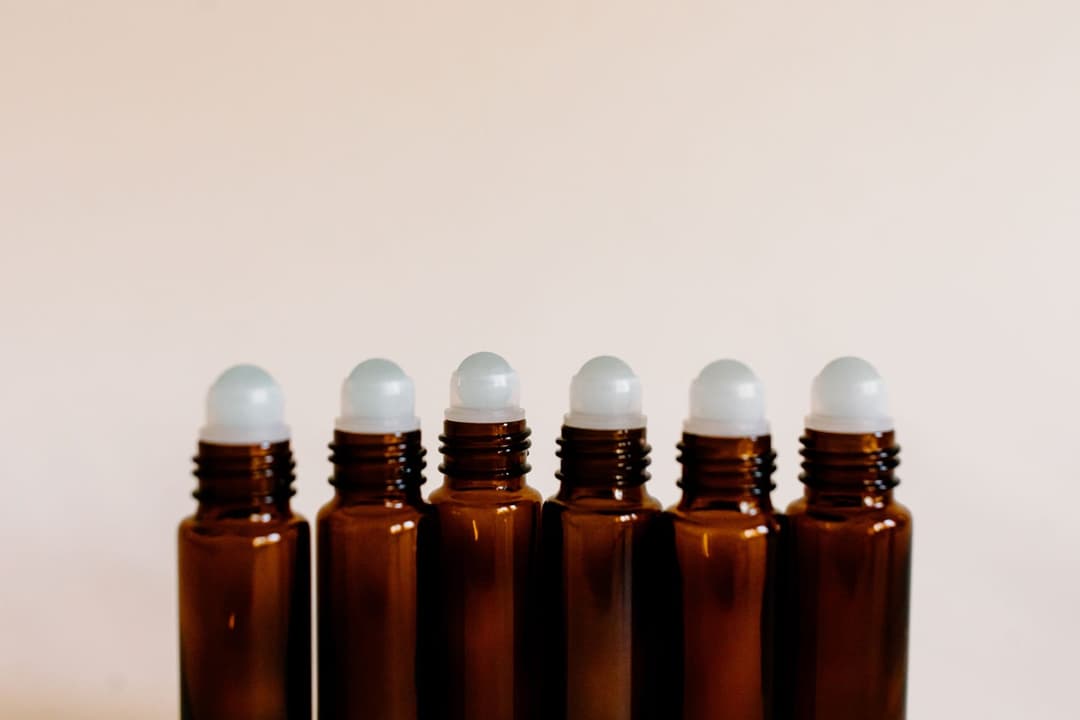
Strong performers for deodorant:
- Tea tree: powerful antibacterial and antifungal, the classic odor fighter
- Lavender: calming scent and mild antibacterial, blends with almost anything
- Cedarwood or cypress: warm, woodsy notes that suit an unscented-leaning or men's blend
- Palmarosa: rose-like and genuinely antibacterial, a favorite for a floral scent that still works
- Lemongrass: fresh and sharply antibacterial, a little goes a long way
A word of caution on citrus. Lemon, bergamot, and several other citrus oils are phototoxic, meaning they can make skin react to sunlight. Your underarms don't usually see the sun, so it's lower risk than a face product, but if you wear tank tops in summer, either skip them or use a bergaptene-free bergamot. A simple, reliable starter blend is 8 drops lavender plus 4 drops tea tree per 2 oz tin.
Why Your Homemade Deodorant Failed
A few problems come up again and again, and each has a clear cause.
It irritates my skin. Almost always the baking soda. Drop it to 10 to 15 percent, or move to the magnesium hydroxide recipe. Give your skin a week to settle before you judge the new batch.
My stick crumbles or won't twist up. Not enough wax, or you poured it too cool and it seized in clumps. Bump the wax to 15 percent and pour while it's still fully liquid.
It's greasy and slow to absorb. Too much oil, not enough absorbent. Shift 5 to 10 percent from the coconut oil over to arrowroot and it'll feel drier on contact.
It went soft and melted in the bathroom. Coconut oil melts at 76°F, so a warm room turns a cream to liquid. Add 5 percent cocoa butter or a little wax to raise the melting point, or just store it somewhere cool.
It stopped working after a couple of weeks. This usually isn't the deodorant, it's your skin adjusting when you come off an antiperspirant. Many people report a rocky first week or two before things level out. That adjustment is widely described by makers rather than proven in studies, so treat it as a common experience, not a guarantee.
How Long It Lasts and How to Store It
Because these recipes are anhydrous, meaning they contain no water, they don't need a preservative and they keep for a good while. Expect six months to a year, with the coconut oil being the first thing to eventually go rancid. A few drops of vitamin E oil in the mix stretches that out. Store it away from heat and direct sun. If a cream gets soft in summer, a spell in the fridge firms it right back up without harming it. Toss any batch that smells off or changes color, and always scoop cream deodorant with clean, dry fingers to keep bacteria out of the tin.
💬 Frequently Asked Questions
What ingredients do I need to make natural deodorant?
At minimum, four things: a solid oil or butter like coconut oil and shea butter, an absorbent powder like arrowroot, an odor neutralizer like baking soda or magnesium hydroxide, and optional essential oils for scent. A stick needs wax on top of that to hold its shape.
Can you make deodorant without baking soda?
Yes. Replace the baking soda with magnesium hydroxide, which controls odor at a pH much closer to your skin's own and rarely irritates. Kaolin clay and extra arrowroot help handle moisture in a baking-soda-free formula.
Does homemade deodorant stop sweat?
No. Natural deodorant controls odor, it doesn't stop sweating the way an aluminum antiperspirant does. Sweat is nearly odorless on its own; the smell comes from bacteria, which is what the baking soda, clay, and essential oils target.
How long does homemade deodorant last?
An anhydrous deodorant with no water keeps roughly six months to a year. Adding a few drops of vitamin E oil and storing it away from heat extends its life. Discard it if the scent turns or the color changes.
How much essential oil is safe in deodorant?
Keep the total under 10 to 15 drops per ounce of finished product. Underarm skin is thin and you apply it daily, so a lighter hand is safer, especially with strong oils like peppermint or tea tree.
Ready to Mix Your Batch
Pick one of the three recipes, weigh your ingredients, and you'll have a working deodorant within the hour. When you want to resize a batch, swap an oil, or check that your baking soda isn't creeping into irritation territory, run the numbers through the Soaply deodorant calculator. It handles the percentages, scales to any tin or tube, and warns you before a formula turns harsh.
Ready to Try It?
Use the free Soaply deodorant calculator to size your batch and get every ingredient in grams and percent.
Open Calculator