Where to Buy Essential Oils: A Soapmaker's Guide to Quality and Price
Where to buy essential oils for soap making and skincare, how to spot real quality, what to skip, and honest price ranges across 7 trusted sources.
This article contains Amazon links. As an Amazon Associate, Soaply earns from qualifying purchases at no extra cost to you.
The best places to buy essential oils are dedicated essential oil companies, soap and craft suppliers who sell by the ounce and the pound, and a handful of trustworthy sellers on big marketplaces. Where you should shop comes down to what you're making. If you're scenting a whole batch of cold process soap, you want a supplier who sells lavender or tea tree by the pound at a fair price. If you're blending a facial roll-on, you want small bottles of tested, single-species oil. This guide walks through where to buy essential oils for both, how to tell a real bottle from a watered-down one, and what you should actually expect to pay.
Quick pick: A starter essential oil set for soap and skincare is the cheapest way to test scents before you commit to buying the big bottles. Just check that each oil lists its botanical (Latin) name.
Where to Buy Essential Oils: The Short Answer
There are four kinds of places that sell essential oils, and each one suits a different buyer:
- Soap and craft suppliers. Companies that serve soap makers and candle makers sell essential oils by weight, often in 1 lb and larger sizes, at prices built for people who use a lot. This is where you'll get the best per-ounce value for soaping.
- Dedicated essential oil companies. These brands specialize in single-species oils, publish batch test reports, and cater to aromatherapy and skincare. You pay more per ounce, but you know exactly what's in the bottle.
- Big online marketplaces. Amazon and similar sites carry both good and questionable oils. Some reputable brands sell there directly, so it's fine as long as you read the label and reviews carefully.
- Local stores. Health food shops, co-ops, and craft stores let you buy a bottle today without shipping, which is handy when you just need one oil for a small batch.
If you make soap, start with a soap supplier for your workhorse scents and keep a dedicated brand on hand for the delicate oils you use in leave-on products. Most soap makers end up buying from two or three places for exactly this reason.
Best Places to Buy Essential Oils Online
Online is where most soap makers and skincare crafters end up, because the selection is wider and the bulk pricing is far better than a retail shelf. Here's how the main options compare:
| Source type | Best for | Watch out for |
| --- | --- | --- |
| Soap and craft suppliers | Buying by the pound for soap and bath products | Some carry fragrance oils too, so read the product type |
| Dedicated aromatherapy brands | Skincare, roll-ons, tested single oils | Higher price per ounce |
| Large marketplaces | Convenience, small trial sizes | Mislabeled or diluted oils from unknown sellers |
| Bulk botanical distributors | Volume buyers and small businesses | Minimum order sizes |
A few habits make online buying safe. Buy from a listing that names the botanical species, not just "lavender oil." Check whether the seller publishes a GC/MS report or at least a country of origin. And start with the smallest size when you're trying a new supplier, so a bad bottle only costs you a few dollars instead of a few hundred.
If you're still deciding between true essential oils and synthetic scents, read our breakdown of essential oils vs fragrance oils before you spend anything. The two are priced and labeled very differently, and mixing them up is the most common buying mistake.
Where to Buy Essential Oils Locally
Sometimes you just need one bottle today. These are the local spots worth checking:
- Health food stores and co-ops. Almost always stock the common oils like lavender, peppermint, tea tree, eucalyptus, and lemon. Prices run higher than online, but you can smell before you buy.
- Craft stores. Chains that sell soap bases and candle supplies often carry small bottles of essential and fragrance oils. Double-check the label, because the two sit side by side on the same shelf.
- Farmers markets and apothecaries. Small local distillers sometimes sell their own oils. Ask about how it was produced and whether it's pure.
- Pharmacies and big-box stores. Selection is thin and quality is hit or miss, so treat these as a last resort.
Local buying works great for a single small batch. Once you're making soap regularly, the math pushes you back online, where the same oil often costs half as much per ounce.
How to Tell If an Essential Oil Is Good Quality
This is the part that trips up new buyers. There's no government "grade" for essential oils, so phrases like "therapeutic grade" are marketing, not a standard. Judge quality by these signals instead:
- The botanical name is on the label. A real oil lists its species, like Lavandula angustifolia for true lavender or Melaleuca alternifolia for tea tree. No Latin name is a red flag.
- The seller shares testing. The gold standard is a GC/MS report, which breaks down the oil's chemical makeup and shows whether it's been cut with anything. Reputable sellers publish these or send them on request.
- The price makes sense. Rose, melissa, and sandalwood are expensive to distill. If a bottle of "rose essential oil" costs the same as peppermint, it's diluted or synthetic.
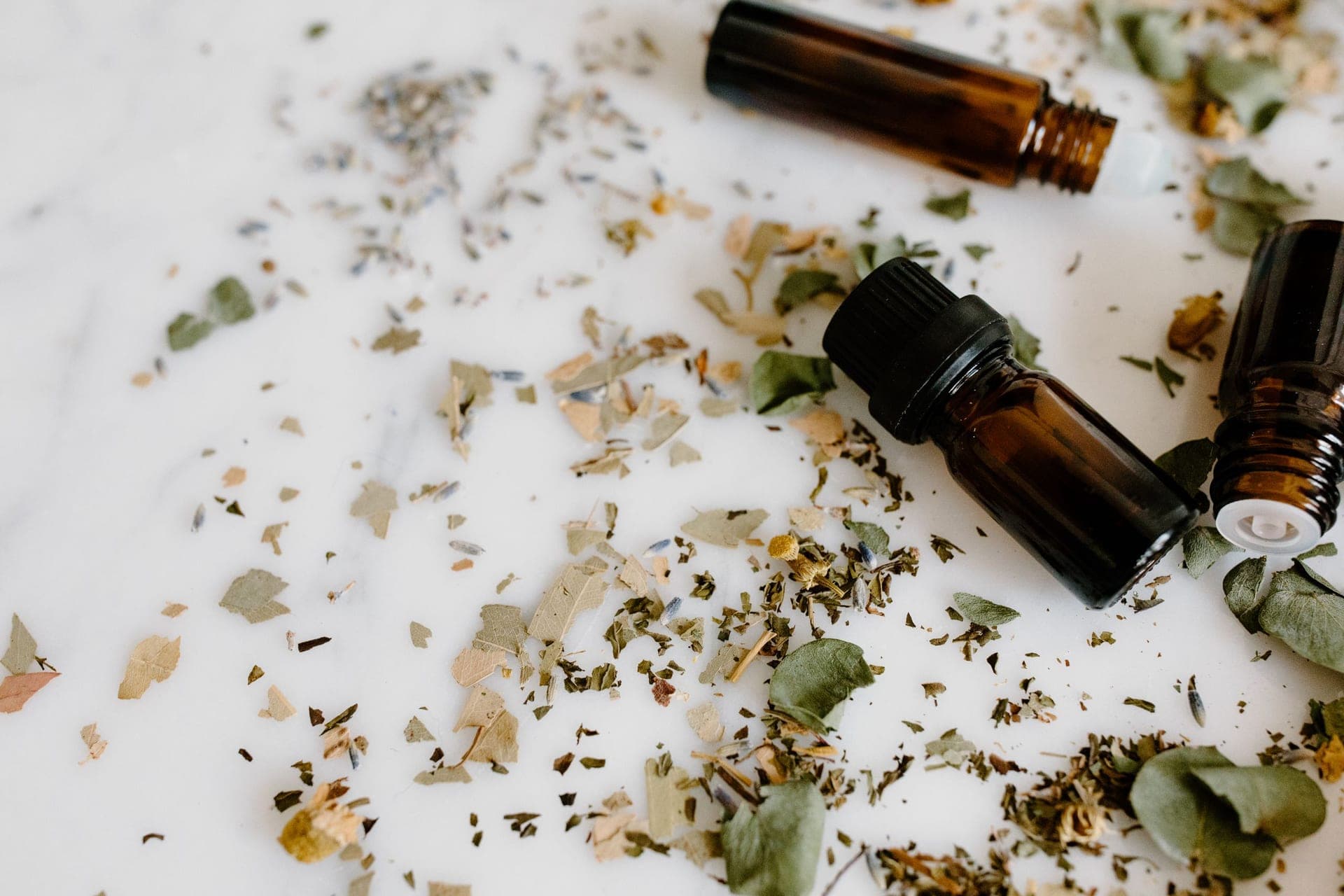
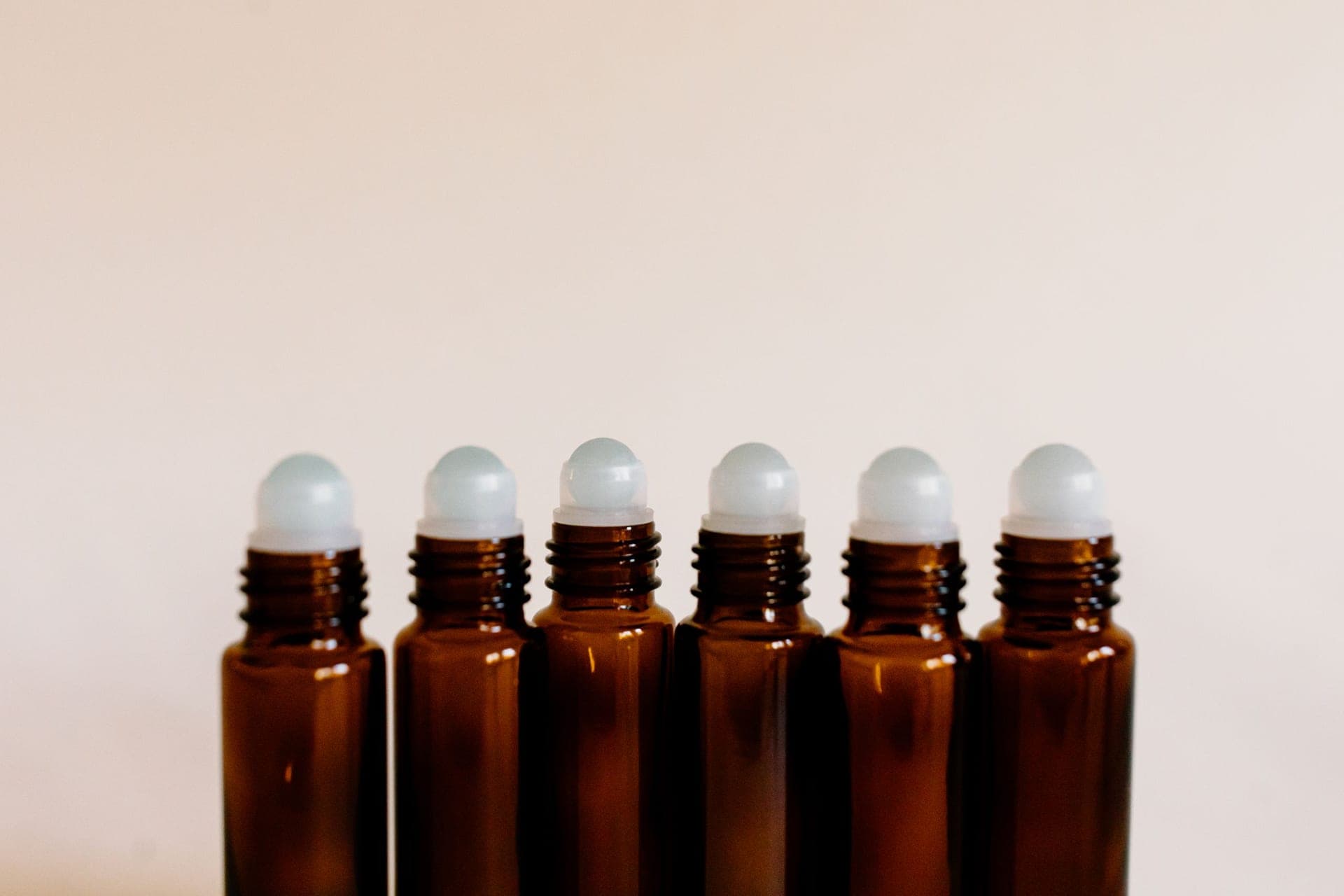
- The packaging is right. Essential oils come in dark amber or cobalt glass to block light. Clear plastic bottles signal a product that wasn't made to last.
- The label says pure. Look for wording like 100% pure essential oil. If it reads "fragrance," "perfume oil," or "blended with carrier oil," it's a different product.
One more tell: the "grease spot" test. Put a drop on a plain sheet of paper and let it dry. Most pure essential oils evaporate and leave little to no oily ring. If it leaves a greasy stain, it's likely been stretched with a carrier oil. Thicker oils like sandalwood and patchouli are exceptions, so don't use this test on those.
Essential Oils vs Fragrance Oils: Don't Get Fooled
The single biggest buying trap is paying essential oil prices for a fragrance oil, or the reverse. Essential oils are distilled or pressed from plants. Fragrance oils are blended in a lab. Neither is "bad," but they behave differently and cost different amounts.
Fragrance oils are usually cheaper, come in scents that don't exist as essential oils (think cucumber, ocean, or vanilla cupcake), and often hold up better through the lye stage of soap. Essential oils are plant-derived, can carry aromatherapy benefits, and appeal to buyers who want a natural label. When you shop, read the product type first and the scent name second. If the name is a food or a fantasy scent, it's a fragrance oil no matter how "natural" the listing sounds.
Buying Essential Oils for Soap Making
Soap makers have needs a casual buyer doesn't, so shop with these in mind:
- Buy by weight, not by the tiny bottle. A soap recipe might call for an ounce of essential oil for a single loaf. Ounce-sized retail bottles get expensive fast, so a soap supplier's 1 lb size is the right move for your regular scents.
- Pick oils that survive saponification. Lye is harsh on delicate scents. Sturdy oils like lavender, tea tree, peppermint, eucalyptus, litsea, and the citrus-friendly blends hold up well. Softer florals often fade. Our list of essential oils for soap that actually last covers which ones to trust.
- Mind the flash point for shipping. Some suppliers list a flash point. It matters more for candles than soap, but very low flash point oils can face shipping limits.
- Nail your usage rate. Too much essential oil can irritate skin or seize your batch. Figure out how much to add with a fragrance calculator before you buy, so you order the right amount. Our guide to calculating fragrance load and the Soaply calculator walk you through safe percentages.
The practical takeaway: buy your three or four staple soaping scents in large sizes from a soap supplier, and save the boutique brands for the special oils you use a drop at a time.
How Much Do Essential Oils Cost?
Price swings hugely by species, because some plants give up their oil easily and others barely yield a drop. These are rough ranges you'll see for a 1 oz bottle from a mid-range supplier. Treat them as a sanity check, not a quote:
| Essential oil | Rough price per ounce | Why |
| --- | --- | --- |
| Sweet orange, lemongrass | $3 to $8 | High-yield, cheap to produce |
| Lavender, peppermint, eucalyptus, tea tree | $8 to $18 | Popular, moderate yield |
| Frankincense, clary sage, ylang ylang | $20 to $45 | Lower yield, slower to distill |
| Rose, melissa, sandalwood | $60 to $300+ | Tiny yield, huge amount of plant needed |
Buying larger sizes almost always drops the per-ounce cost. A pound of a common oil often works out to less than half the price of the same amount bought one small bottle at a time, which is exactly why soap makers size up.
Should You Buy Essential Oils in Bulk?
Bulk buying saves real money, but only on oils you'll actually finish. Essential oils don't last forever. Most keep their scent and skin safety for one to three years, and citrus oils fade faster than that. If you buy a pound of an oil you use a few drops of, it can go off before you use it up.
Here's a simple rule. Buy in bulk when you use an oil in most of your batches, like lavender or a signature blend. Buy small when you're testing a scent or only reach for it now and then. And store every bottle somewhere cool, dark, and tightly capped, because heat, light, and air are what wear an oil out. Our guide on whether essential oils expire covers shelf life and storage in detail.
5 Mistakes to Avoid When Buying Essential Oils
- Chasing the cheapest bottle. A rock-bottom price on an oil that's expensive to distill means it's been cut. Pay a fair price or expect a fake.
- Ignoring the botanical name. "Eucalyptus oil" could be one of several species with different chemistry. The Latin name tells you what you're really getting.
- Buying huge sizes of an untested oil. Order a small bottle first. If you love it, size up on your next order.
- Confusing fragrance oils with essential oils. Read the product type every time, especially in craft stores where they share a shelf.
- Storing them badly after you buy. Even a great oil turns if it sits warm in clear glass. Protect your investment with cool, dark storage and tight lids.
Avoid these five and you'll get more scent, longer shelf life, and safer soap out of every bottle you buy.
💬 Frequently Asked Questions
Where is the cheapest place to buy essential oils?
Soap and craft suppliers that sell by the pound usually give the best per-ounce price on common oils like lavender, peppermint, and tea tree. For one-off small bottles, large online marketplaces are cheap, but read the label for the botanical name and buy from a reputable seller.
How can I tell if an essential oil is pure?
Check for the botanical (Latin) name, dark glass packaging, and a price that matches how hard the plant is to distill. The best proof is a GC/MS test report from the seller. A drop on paper that leaves no greasy ring is another quick clue for most oils.
Are essential oils from Amazon good quality?
Some are excellent and some are diluted or mislabeled, because anyone can sell there. Stick to listings that name the species, show testing or country of origin, and come from an established brand with strong reviews. Start with a small size to test a new seller.
What essential oils should a beginner soap maker buy first?
Lavender, tea tree, peppermint, and sweet orange are the easiest starting scents. They hold up well through saponification, they're affordable, and they blend nicely together. Buy your favorites by the pound once you know you'll use them often.
Do essential oils expire?
Yes. Most last one to three years, and citrus oils fade fastest. Heat, light, and air speed up the process, so store bottles cool, dark, and tightly capped. If an oil smells sour, sharp, or off, retire it from skin products.
Buy Smart, Then Scent Your Soap Right
Where to buy essential oils comes down to matching the source to the job: soap suppliers for your bulk staples, dedicated brands for delicate leave-on oils, and a careful eye on the label wherever you shop. Once your oils arrive, dial in exactly how much to use so your bars smell great and stay skin safe. Run your recipe through the Soaply soap calculator to set the right fragrance load before your next batch.
Ready to Try It?
Use our free soap calculator to create your perfect recipe with real-time property predictions.
Open Calculator