How to Make Shower Steamers (Eucalyptus Recipe, No Oil)
How to make shower steamers at home with baking soda and citric acid. A eucalyptus congestion recipe, the no-oil rule, blends by mood, and fixes for fast fizz.
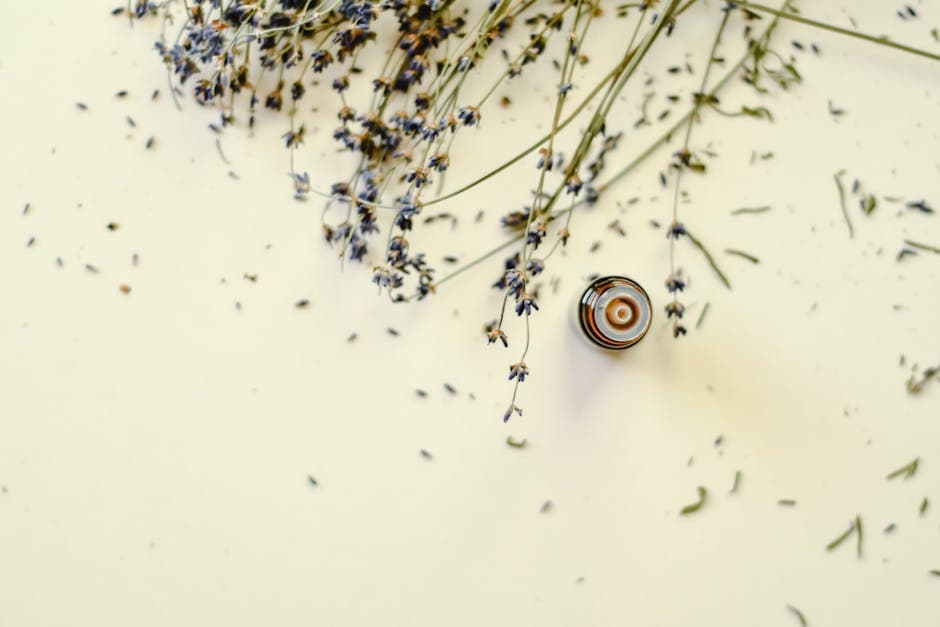
A shower steamer is a pressed tablet of baking soda and citric acid, scented with essential oils, that you set on your shower floor. Hot water and steam hit it, it fizzes slowly, and it releases a cloud of eucalyptus or peppermint vapor you breathe in while you wash. Think of it as aromatherapy for the shower, not a bath product. You don't bathe in it, and that one difference changes the whole recipe. This guide gives you a eucalyptus steamer that clears a stuffy head, the ratios that make it last more than ten seconds, and the single rule that separates a good steamer from a slippery mess.
If you've already made bath bombs, you know most of the chemistry. The Soaply bath bomb calculator handles the same baking soda and citric acid base, and it scales a steamer batch just as well once you leave the oils out.
What Shower Steamers Are, and How They Differ From Bath Bombs
Shower steamers and bath bombs share the same fizz. Both are built on baking soda, a base, and citric acid, an acid, that stay inert while dry and react the moment they meet water, releasing carbon dioxide bubbles. That's the fizzing you see and hear.
The similarity ends there. A bath bomb dissolves in a tub of warm water, so it's designed to soften and scent the water and leave a little conditioning oil on your skin. A shower steamer never goes in a tub. It sits on the shower floor, off to the side, and the point isn't the water at all. It's the steam. As the steamer slowly activates, it pushes its essential oils into the hot, humid air, and you breathe that in. People reach for them during a cold, a sinus headache, or a slow morning when a hit of eucalyptus helps more than a second coffee does.
Because the job is different, three things change. You drop the oils, you push the essential oil load way up, and you want the thing to last. A bath bomb that fizzes out in thirty seconds is fine. A steamer that does the same is a waste.
The One Rule That Trips People Up: No Oils
Here's the rule people break first. A shower steamer gets no carrier oil and no butter. None.
There are two reasons, and both matter. The first is safety. Oils and butters make a shower floor dangerously slick, and a fall in the shower is a lot worse than a greasy ring around the tub. The second is performance. A film of oil coats the baking soda and citric acid and muffles the reaction, so a steamer with oil in it fizzes weakly and gives up its scent fast. You want a clean, dry powder that reacts crisply when the water reaches it.
This is the opposite of a bath bomb, where a spoonful of oil is welcome because it conditions your skin and slows the fizz a touch. If you're adapting a bath bomb recipe you already like, the move is simple. Cut the oils and butters completely, then raise the essential oils to carry the scent on their own.
What You Need
The shopping list is short and cheap.
- Baking soda. The base. Plain sodium bicarbonate from the grocery store is fine.
- Citric acid. The acid. It's sold in the canning aisle or online in bulk, and it's the half that fizzes, so don't skip it.
- Essential oils. This is where a steamer earns its keep. Eucalyptus, peppermint, and rosemary for a clear-your-head blend. Lavender and cedarwood for a wind-down. More on blends below.
- A binder. A small spray bottle of witch hazel or rubbing alcohol. You spritz this to dampen the powder just enough to pack it, and alcohol sets off less early fizzing than plain water does.
- Optional hardener. A tablespoon of kaolin clay or cornstarch firms the tablet and slows the fizz, which makes the steamer last longer in the shower.
- A mold. A silicone mold, a muffin tin, or a bath bomb mold all work. Flatter, puck-shaped cavities are easier to balance on a shower ledge than spheres.
- Optional menthol crystals. For extra cooling and sinus-opening punch. Menthol dissolves into essential oils, so you stir a small amount into your oil blend before adding it to the powder.
A Eucalyptus Shower Steamer Recipe
This congestion blend fills about six puck-shaped cavities. It leans on eucalyptus and peppermint, the two oils most tied to easier breathing.
| Ingredient | Amount | Notes |
| --- | --- | --- |
| Baking soda | 1 cup (about 230 g) | The base |
| Citric acid | 1/2 cup (about 115 g) | Hold the 2 to 1 ratio |
| Kaolin clay or cornstarch | 1 tablespoon | Optional, hardens and slows the fizz |
| Eucalyptus essential oil | 20 to 30 drops | The star of the blend |
| Peppermint essential oil | 15 to 20 drops | Cooling, opens the sinuses |
| Rosemary essential oil | 10 drops | Rounds it out, optional |
| Witch hazel or rubbing alcohol | a few spritzes | To bind |
That drop count is far higher than you'd use in a bath bomb of the same size, and that's on purpose. There's no oil to carry the scent, and the vapor has a whole shower of air to fill, so a steamer needs a heavy hand with the essential oils.
Here's the method:
- Whisk the baking soda, citric acid, and clay or cornstarch in a bowl until there are no lumps. Breaking up clumps now means an even fizz later.
- If you're using menthol crystals, stir a gram or two into your essential oils first until they dissolve, then combine all the oils in a small cup.
- Drizzle the oils over the powder and whisk fast. Essential oils carry a trace of moisture, so they can kick off a little early fizzing. Working quickly keeps that to a minimum.
- Now spritz the witch hazel or alcohol, one or two sprays at a time, mixing after each. You're after the texture of damp sand that holds its shape when you squeeze a handful. Go slow. Two sprays too many and the batch starts fizzing in the bowl.
- Pack the mix firmly into your mold. Press hard. The tighter you pack, the longer the steamer holds together in the shower.
- Let the tablets set 4 to 24 hours, then pop them out and let them dry another day before you store them.
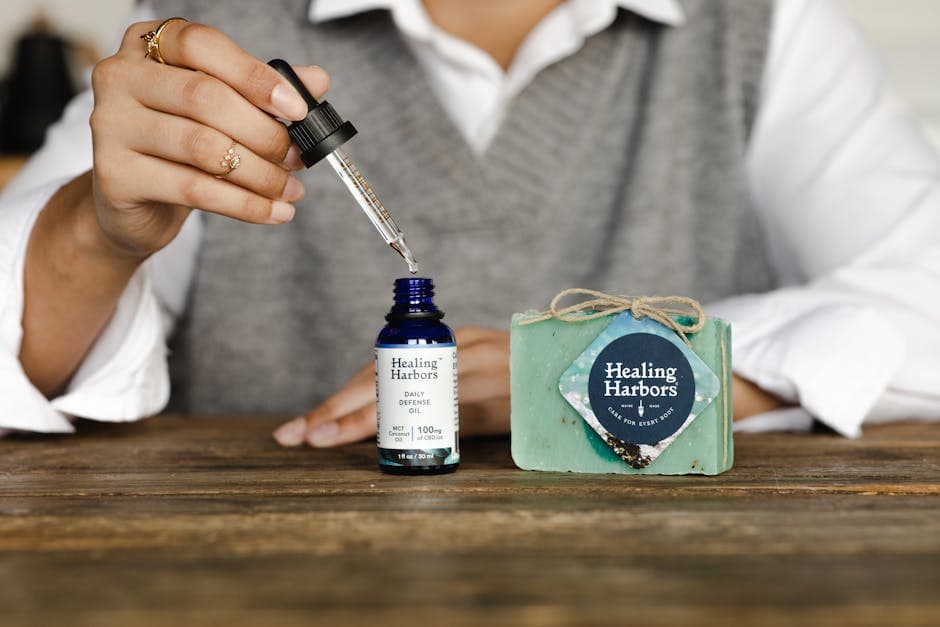
Store the finished steamers in an airtight container or a sealed bag, away from any humidity. A steamer left open in a muggy bathroom slowly reacts with the moisture in the air and goes flat.
Essential Oil Blends by Mood
The base recipe stays the same. Swap the oils to change what the steamer does.
| Blend | Oils | Good for |
| --- | --- | --- |
| Congestion | Eucalyptus, peppermint, rosemary | Colds, stuffy sinuses |
| Wake up | Peppermint, sweet orange, rosemary | Groggy mornings |
| Wind down | Lavender, cedarwood | Evening showers, sleep |
| Spa | Eucalyptus, lavender | A plain relaxing steam |
Use essential oils here, not fragrance oils. A fragrance oil smells fine, but the respiratory, clear-the-sinuses effect comes from real eucalyptus and peppermint, and a synthetic won't do that job. If you're weighing the two for a different project, our guide to essential oils vs fragrance oils lays out when each one makes sense.
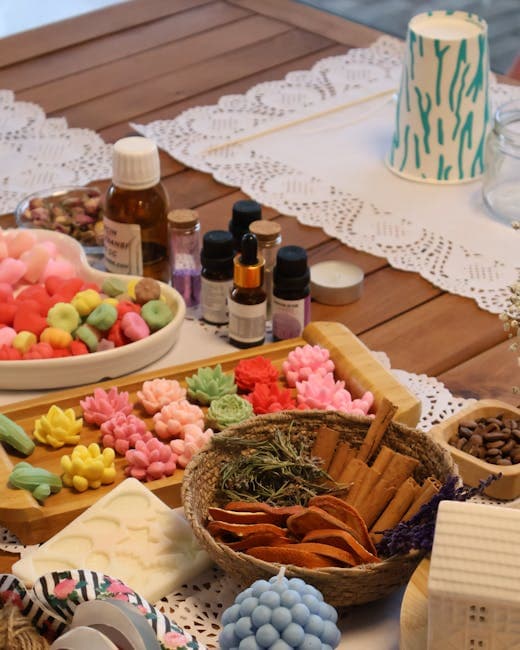
How to Use a Shower Steamer
Placement is the whole game. Set the steamer on the shower floor or a ledge in a corner, out of the direct spray. If the stream lands on it, it dissolves in seconds and you've wasted it. You want only the splashing water and the ambient steam to activate it slowly, so it fizzes and scents the air over several minutes instead of all at once.
Turn the water warm, get the steam going, set the steamer where a little water will reach it, and breathe. A well-packed steamer with a hardener in it lasts most of a normal shower. A loosely packed one, or one sitting in the stream, goes fast.
Are Shower Steamers Safe?
Mostly, with a few real cautions worth stating plainly.
The big one is children. Eucalyptus, peppermint, menthol, and camphor can cause breathing problems in babies and young kids, and the risk is higher with the concentrated vapor a steamer puts out. Don't run these oils in a shower a baby or toddler will use next, and keep young children out of a steamy bathroom while a eucalyptus or peppermint steamer is going. For a child's bathroom, skip these oils or skip the steamer.
A couple of smaller points. Strong menthol and peppermint can tighten the chest for some people with asthma, so test a mild one first if that's you. Some essential oils aren't recommended during pregnancy, so check your specific oils if that applies. And the obvious one: a steamer is a concentrated dose of essential oil, so it goes on the shower floor, never on your skin.
Troubleshooting
It fizzed in the bowl. Too much moisture, too fast. Either you spritzed heavily, added the oils too slowly, or the room is humid. Spritz in smaller bursts next time, work faster, and keep the bowl away from a running kettle.
It crumbled when I unmolded it. Too dry. Add a spritz or two more binder until a squeezed handful holds, and pack harder into the mold.
No scent in the shower. Three usual causes. You set it under the direct stream so it dissolved before it could steam, you used too few drops of oil, or the oils faded because the steamers sat out in the open. Move it out of the stream, bump the drops up, and store them sealed.
It dissolves too fast. Add the tablespoon of kaolin clay or cornstarch, pack it tighter, and keep it well clear of the direct water.
My shower floor is slippery. You used oil. Leave it out entirely and the problem goes away.
Shower Steamers vs Bath Bombs
Same fizz, different product. They run on the identical baking soda and citric acid reaction, so if you can make one you can make the other. The differences are what to remember. A steamer gets no oil, a much higher essential oil load, and a spot out of the water stream, because its job is to scent the steam, not the water. A bath bomb wants a little oil, a lighter scent, and a tub. If you want the tub version, our bath bomb recipe walks through it, and a bath salt soak is another easy way to scent a bath.
Scaling, Cost, and Selling
Shower steamers are cheap. A batch of six runs maybe a dollar or two in baking soda, citric acid, and oils, and they're a popular craft-fair and gift item because they look nice and solve a real problem. The economics look a lot like bath bombs, which we break down in the bath bomb guide.
When you want to size a batch to a specific mold or make a big run for a market, the Soaply bath bomb calculator does the math. It holds the baking soda and citric acid at the right ratio, scales to any batch size, and gives you a per-unit cost. For a steamer, just set the oils and butters to zero and keep your essential oil percentage high. The base and the acid are the only ingredients the fizz actually needs, and those are exactly what the calculator gets right.
💬 Frequently Asked Questions
Why do my shower steamers fizz out too fast?
Usually they're sitting in the direct water stream, which dissolves them in seconds. Set them in a corner where only splashes and steam reach them. Packing the tablets tightly and adding a tablespoon of kaolin clay or cornstarch also slows the fizz so they last longer.
Can I use fragrance oil instead of essential oil?
You can for scent alone, but you'll lose the point. The congestion-clearing, sinus-opening effect comes from real eucalyptus and peppermint essential oils. A fragrance oil only smells like them. For a steamer meant to help you breathe, use essential oils.
Do shower steamers actually help with congestion?
They won't cure a cold, but the eucalyptus and menthol vapor can make a stuffy nose feel more open while you're in the steam, the same idea behind leaning over a bowl of hot water. The relief lasts about as long as you keep breathing it in.
How long do homemade shower steamers last?
Sealed airtight and kept dry, several months. The fizz weakens over time as the baking soda slowly reacts with moisture in the air, and the essential oils fade, so they're best in the first few months. Humidity is the enemy, so store them in a closed container, not an open dish on the bathroom shelf.
Can you make shower steamers without citric acid?
Not with a real fizz. Citric acid is the acid half of the reaction, and there's no reliable dry household swap. Cream of tartar gives a much weaker result. If you can't get citric acid, you're better off waiting until you can than settling for a steamer that barely reacts.
Start With One Batch
Mix a small batch, leave the oils out, go heavy on the eucalyptus, and set the first one well clear of the water stream. Once you've got the feel for how much binder clumps the powder without setting it off, size your next run to your mold with the Soaply bath bomb calculator. It's the same base and acid as a bath bomb, just drier and more fragrant, which is exactly what a steamer should be.
Ready to Try It?
Use our free soap calculator to create your perfect recipe with real-time property predictions.
Open Calculator