How to Make a Foot Soak That Soothes Tired, Dry Feet
Learn how to make a foot soak with Epsom salt and essential oils. Get the exact recipe, blends for cracked heels, sore feet, and odor, plus safety tips.
This article contains Amazon links. As an Amazon Associate, Soaply earns from qualifying purchases at no extra cost to you.
To make a foot soak, stir 1/2 cup of Epsom salt and 2 tablespoons of baking soda into a basin of warm water, then add 5 to 8 drops of essential oil that you've mixed into a teaspoon of carrier oil first. Soak your feet for 15 to 20 minutes, dry them off, and follow with a moisturizer. That's the whole thing. A foot soak costs pennies per use, takes two minutes to throw together, and does more for aching, cracked, or smelly feet than most of the pricey products at the drugstore. Below you'll get the exact amounts, blends for specific problems, and the safety details that matter if you have diabetes or sensitive skin.
The fast recipe (one soak): 1/2 cup Epsom salt + 2 tablespoons baking soda + a basin of warm water + 5 to 8 drops essential oil (peppermint or lavender) stirred into 1 teaspoon carrier oil. Soak 15 to 20 minutes, then use a pumice stone and moisturize.
- What Goes in a Foot Soak
- Foot Soak vs Bath Salts: What's Different
- The Basic Foot Soak Recipe
- How to Do a Foot Soak Step by Step
- Best Foot Soak for Your Problem
- Essential Oils for Feet
- Common Mistakes
- Is a Foot Soak Safe?
- Frequently Asked Questions
What Goes in a Foot Soak
A foot soak is a short list of cheap ingredients, and you probably have most of them already.
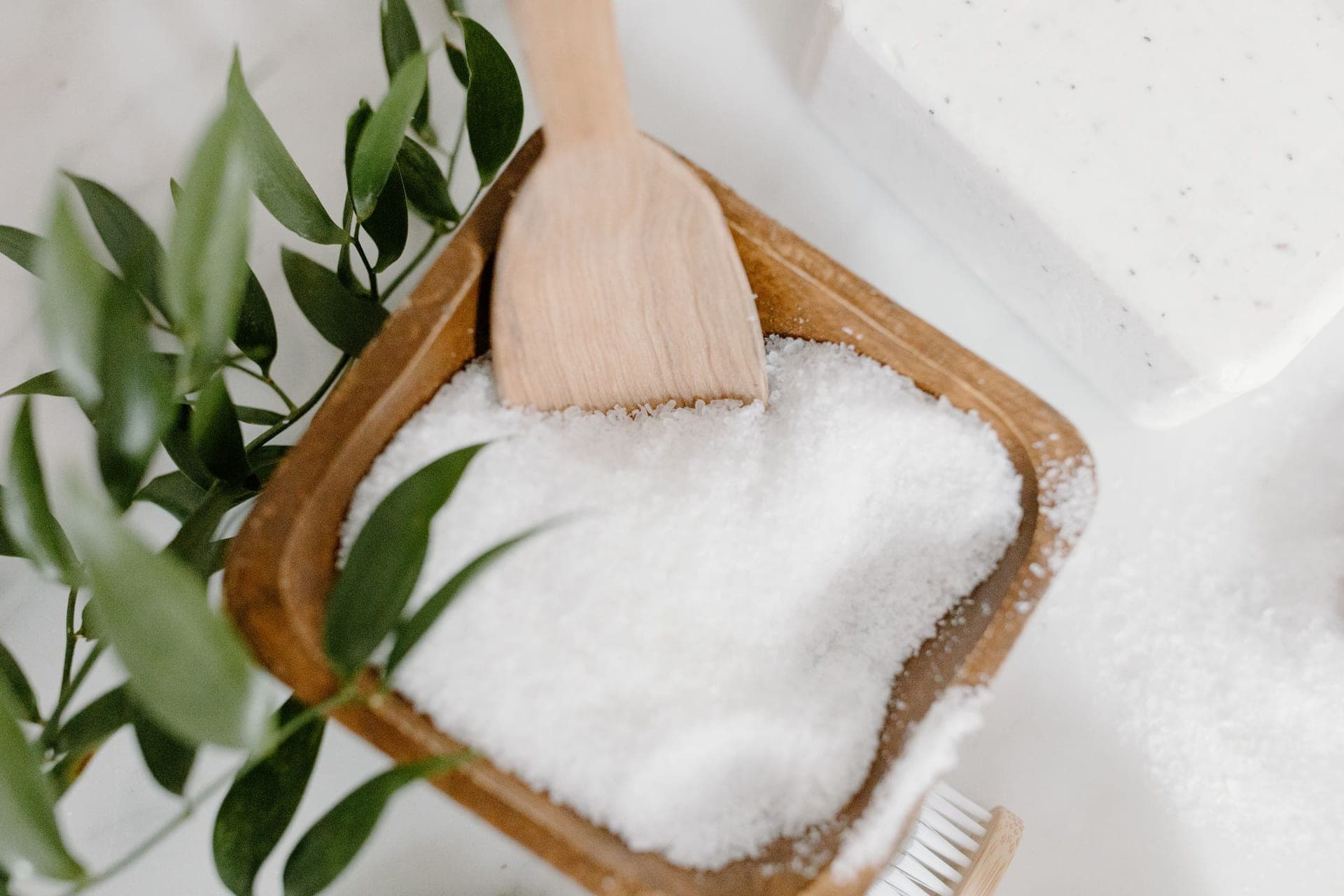
- Epsom salt. This is magnesium sulfate, not table salt. It dissolves fast in warm water and is the backbone of almost every foot soak. People reach for it because a warm Epsom salt soak feels good on sore muscles and tired feet, and it's a couple of dollars a bag.
- Baking soda. A spoonful softens the water, helps with odor, and leaves skin feeling smooth. It's optional but worth adding, especially for feet that sweat a lot.
- Coarse sea salt (optional). A handful of true sea salt adds minerals and a bit of grit that helps when you scrub afterward. Skip it if all you have is Epsom, the soak still works.
- Carrier oil (optional). A teaspoon of something like jojoba or sweet almond oil does two jobs. It keeps the water from drying your skin out, and it gives the essential oils something to cling to so they disperse instead of floating as a slick on top.
- Essential oils. This is where a plain salt soak turns into something targeted. Peppermint cools hot, tired feet. Tea tree and eucalyptus help with odor. Lavender is the calming all-rounder. More on blends below.
You can skip straight to Epsom salt and warm water if that's all you've got. Everything else is there to make the soak feel better and do a specific job.
Foot Soak vs Bath Salts: What's Different
A foot soak and a jar of homemade bath salts start from the same chemistry, salt plus a little oil and scent, but you use them differently, and the differences change the recipe.
The big one is water volume. A bathtub holds 40 or more gallons, so a half cup of salt disappears into it. A foot basin holds maybe one to two gallons. That means a foot soak is far more concentrated per gallon, so you use less salt per session and the essential oil you add is working in a much smaller space. Go easy on the drops.
The second difference is the goal. A tub soak is about relaxing your whole body. A foot soak is targeted. You're trying to soften a callus, calm a throbbing arch, or knock down foot odor. That focus is why peppermint, tea tree, and a pumice stone show up here and rarely show up in a relaxing tub blend.
The third is what comes after. Feet have the thickest, driest skin on your body, so a soak is usually step one of two. Soak to soften, then scrub or pumice, then seal it in with a moisturizer. A tub soak rarely needs that follow-up.
The Basic Foot Soak Recipe
Here's a blend you can mix fresh in the basin, or batch into a jar to keep by the tub. The jar version is the same idea as bath salts, just sized for feet, so you can run the exact amounts through the Soaply bath salts calculator and scale it to whatever jar you have.
Per single soak:
| Ingredient | Amount | Why it's there |
| --- | --- | --- |
| Epsom salt | 1/2 cup | The main event, soothes and softens |
| Baking soda | 2 tablespoons | Deodorizes, softens the water |
| Coarse sea salt | 2 tablespoons (optional) | Minerals and a little grit |
| Carrier oil | 1 teaspoon | Keeps skin from drying, carries the scent |
| Essential oil | 5 to 8 drops | Targets your specific problem |
To batch a jar (about 8 to 10 soaks): mix 4 cups Epsom salt, 1 cup baking soda, and 1 cup coarse sea salt in a glass or stainless bowl. Stir in 2 tablespoons of carrier oil and 40 to 60 drops of essential oil, breaking up clumps as you go. Store it in a sealed jar away from the shower steam. Scoop out about 2/3 cup per soak.
Keep the essential oil out of thin plastic containers if you're storing a batch for a while, since some oils break down cheap plastic over time. Glass is safer.
How to Do a Foot Soak Step by Step
- Fill a basin with warm water. Warm, not hot. You want it comfortable enough to leave your feet in for a while. A dishpan, a plastic tub, or a dedicated foot bath all work. Fill it enough to cover your ankles.
- Add the salts and stir. Pour in the Epsom salt and baking soda and swish the water until they dissolve. Warm water dissolves them faster than cold.
- Mix the oil and scent, then add. Put your essential oil drops into the teaspoon of carrier oil first, stir, then pour that into the basin. Adding neat essential oil straight to water lets it sit on the surface where it can irritate skin.
- Soak for 15 to 20 minutes. Longer isn't better. Past about 20 minutes your skin starts to wrinkle and can actually dry out once you get out.
- Scrub while skin is soft. This is the moment a pumice stone or foot file works best. Dead skin on heels and calluses comes off easily after a soak.
- Dry and moisturize. Pat your feet dry, especially between the toes, then lock in the softness with a rich cream or a bar of homemade body butter. Soaking opens the door, moisturizer keeps the water in.
Best Foot Soak for Your Problem
Different feet need different soaks. Match the blend to what's bothering you.
Dry, cracked heels. Lean on the oil and the follow-up here. Use the full teaspoon of carrier oil in the water, soak the full 20 minutes, pumice the hard skin, then slather on a thick balm and pull on cotton socks overnight. Lavender or a little geranium keeps it pleasant.
Aching, tired feet. This is Epsom salt's home turf. Use the full half cup, keep the water comfortably warm, and add peppermint for its cooling finish or eucalyptus and rosemary for a muscle-soak feel. A blend of 4 drops peppermint and 3 drops lavender is hard to beat after a long day on your feet.
Smelly feet. Odor is a bacteria problem, so lean on baking soda and antimicrobial oils. Bump the baking soda to 3 tablespoons and use tea tree, eucalyptus, or a mix of both. Dry thoroughly between the toes afterward, since lingering moisture is what feeds the smell in the first place.
Athlete's foot. Be honest with yourself here. A soak can calm the itch and the odor, and tea tree has a real reputation for foot fungus, but a warm soak won't cure an established fungal infection on its own. If the skin is peeling, blistering, or spreading, you need an antifungal from the pharmacy. Use the soak as comfort, not as the treatment.
Essential Oils for Feet
Feet can take a slightly stronger scent than facial skin, but the skin between your toes is still thin, so don't overdo it. Stay in the 5 to 8 drop range per single soak and always use real essential oils rather than fragrance oils, since the cooling and deodorizing effects come from the actual plant compounds, not from something that only smells like them.
| Essential oil | Best for | Notes |
| --- | --- | --- |
| Peppermint | Hot, tired feet | Cooling finish, go light, it's strong |
| Tea tree | Odor, athlete's foot | Antimicrobial, earns its place on feet |
| Eucalyptus | Odor, congestion | Pairs well with peppermint |
| Lavender | Relaxing, dry skin | The safe all-rounder |
| Rosemary | Aching muscles | Good in a post-workout blend |
Skip citrus oils like lemon and bergamot if you're going outside soon after, since some are phototoxic and can react with sunlight on your skin.
Common Mistakes
A few things trip people up:
- Water too hot. Hot water feels great for a minute but dries skin and is risky if you can't feel temperature well. Warm is the target.
- Dropping essential oil straight in. It floats, concentrates, and can sting. Always mix it into a carrier oil or a spoonful of the salt first.
- Soaking too long. More time doesn't soften more. After 20 minutes you're just pruning and drying out.
- Skipping the moisturizer. A soak without a follow-up can leave feet drier than before, because you've pulled water out of the skin and then let it evaporate. Seal it in.
- Using fine table salt as the base. It's harsh and often has anti-caking additives. Epsom salt or a coarse sea salt is the way.
Is a Foot Soak Safe?
For most people a warm foot soak is about as low-risk as self-care gets. A few situations call for caution.
If you have diabetes or any nerve damage (neuropathy), talk to your doctor before soaking, and never use hot water. The danger is that you may not feel the temperature correctly and can burn or injure skin without noticing, and small foot injuries are slow to heal. Keep the water lukewarm and keep soaks short.
Don't soak feet with open wounds, cuts, or active infections unless a doctor tells you to. Salt in an open cut stings, and a shared basin can carry bacteria. If you're pregnant, check which essential oils are safe first, since several aren't recommended during pregnancy. And patch test any new oil on your forearm before you commit your feet to a whole basin of it.
💬 Frequently Asked Questions
How long should you soak your feet?
Fifteen to 20 minutes is the sweet spot. That's long enough to soften skin and relax muscles but short enough that your skin doesn't start to dry out. Soaking much longer tends to leave feet pruned and can actually pull moisture out, so always follow a longer soak with a moisturizer.
Can you use table salt for a foot soak?
You can in a pinch, but it's not ideal. Table salt is very fine, can feel harsh, and usually contains anti-caking additives. Epsom salt is cheap and feels better, and a coarse sea salt adds minerals and a texture that helps when you scrub. Save the table salt for cooking.
How often should you do a foot soak?
Two or three times a week is fine for most people. If your feet are very dry or you're working on cracked heels, you can soak daily for a week or two, as long as you moisturize every time. Daily hot soaks without a follow-up can dry skin out, so watch how your feet respond and ease off if they feel tight.
Does a foot soak help with foot fungus?
It can soothe the itch and odor, and tea tree oil has real antimicrobial properties, but a soak won't cure an established case of athlete's foot by itself. Treat it as comfort alongside a proper antifungal from the pharmacy. If the skin is cracking, peeling, or spreading, see a doctor.
What is the best thing to soak your feet in?
Warm water with Epsom salt and a spoonful of baking soda is the reliable base. From there you add a carrier oil so skin doesn't dry out and a few drops of essential oil matched to your goal, peppermint for tired feet, tea tree for odor, lavender to relax. It's cheap, fast, and does more than most store-bought soaks.
Make Your Own Blend
A foot soak is one of the easiest things you can make at home, and once you've got the salt-and-soda base down, you can tweak the scent and oils for whatever your feet need that day. Want to batch a bigger jar or dial in the exact salt ratios and essential oil amounts? Run the numbers with the free Soaply bath salts calculator, then keep a jar by the tub for the next time your feet have had enough. For a matching scrub to use while your skin is still soft, try a homemade salt scrub.
Ready to Try It?
Use our free soap calculator to create your perfect recipe with real-time property predictions.
Open Calculator