Soap Making Supplies: The Complete Beginner Checklist
Everything you need to start making soap at home. A complete supply list covering equipment, base oils, lye, molds, fragrances, and safety gear with budget estimates.
This article contains Amazon links. As an Amazon Associate, Soaply earns from qualifying purchases at no extra cost to you.
Starting your first batch of cold process soap requires some specific equipment and ingredients. The good news: most of what you need is affordable, and several items are probably already in your kitchen. This guide breaks down every supply you need, what to look for when buying, and roughly what you should expect to spend.
- Essential Equipment
- Safety Gear
- Base Oils and Butters
- Lye (Sodium Hydroxide)
- Water
- Molds
- Fragrances
- Colorants
- Nice-to-Have Extras
- Budget Breakdown
- Where to Buy Soap Making Supplies
- Frequently Asked Questions
Essential Equipment
These are the tools you cannot do without for cold process soap making. No shortcuts here.
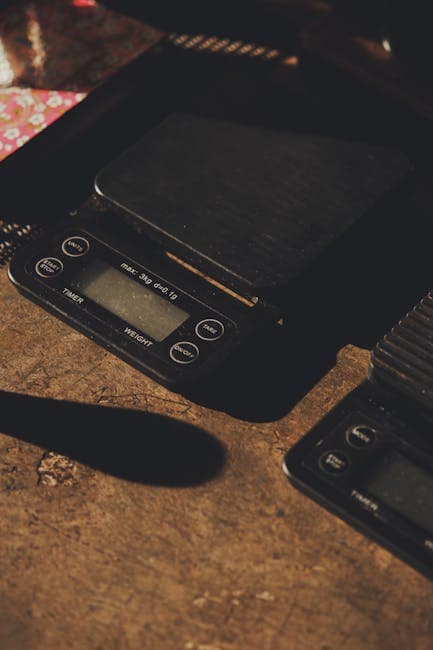
Digital Kitchen Scale
This is the single most important piece of equipment. Soap making is chemistry, and every ingredient must be measured by weight, not volume. A cup of coconut oil and a cup of olive oil weigh different amounts, so volume measurements will throw off your lye calculations and produce unsafe soap.
What to look for:
- Accuracy to 0.1 oz or 1 gram
- Capacity of at least 5 lbs (2.5 kg)
- Tare function (zeroes out the container weight)
- Budget: $10-25
Stick Blender (Immersion Blender)
A stick blender brings your soap to trace in minutes instead of the hours it would take by hand stirring. Any basic immersion blender works. You do not need a fancy model.
What to look for:
- Stainless steel shaft (plastic can degrade with lye contact over time)
- Two-speed is nice but not required
- Dedicated to soap making (do not use it for food afterward)
- Budget: $15-30
Stainless Steel Pot
Your main mixing vessel. It needs to be large enough to hold all your oils plus the lye solution with room to blend without splashing. For a 2 lb batch of soap, a 4-6 quart pot works well.
What to avoid:
- Aluminum (reacts with lye and creates toxic fumes)
- Cast iron (lye strips the seasoning)
- Non-stick coatings (lye can damage the coating)
- Copper or tin (reactive metals)
Stainless steel is the only safe option for soap making. A basic restaurant-supply pot costs $15-30.
Heat-Safe Mixing Containers
You need a container to mix your lye solution. Heavy-duty polypropylene (PP, recycling number 5) pitchers work well and are cheap. Pyrex or tempered glass also works but can shatter from thermal shock if you are not careful.
Budget: $5-10 for a PP pitcher
Thermometer
You need to monitor the temperature of both your lye solution and your oils. An infrared (no-contact) thermometer is the most convenient option. A candy thermometer or instant-read kitchen thermometer also works.
Budget: $10-20 for infrared, $5-10 for a probe thermometer
Spatulas and Spoons
Have a few silicone spatulas for scraping and stirring. A long-handled stainless steel spoon is useful for stirring the lye solution. Avoid wooden spoons, as lye will eat into them over time.
Budget: $5-10
Safety Gear
Lye (sodium hydroxide) is a caustic substance that causes chemical burns on contact with skin and can blind you if it gets in your eyes. Safety gear is not optional. For a detailed overview of lye safety practices, read our soap making safety guide.
Safety Goggles
Not glasses. Goggles. You need splash protection around the sides. Chemistry lab goggles or tight-fitting safety goggles are what you want.
Budget: $5-10
Rubber Gloves
Dish gloves or nitrile gloves that extend past your wrist. You will be handling raw soap batter that contains active lye, so bare hands are never acceptable until the soap has fully cured.
Budget: $5-10
Long Sleeves and Closed-Toe Shoes
Wear old clothes that cover your arms. An apron is smart too. Lye solution and raw soap batter will ruin fabric and burn skin.
Ventilation
Mix your lye solution near an open window or outdoors. The reaction produces fumes that irritate your lungs and eyes. A kitchen exhaust fan on high also works.
Base Oils and Butters
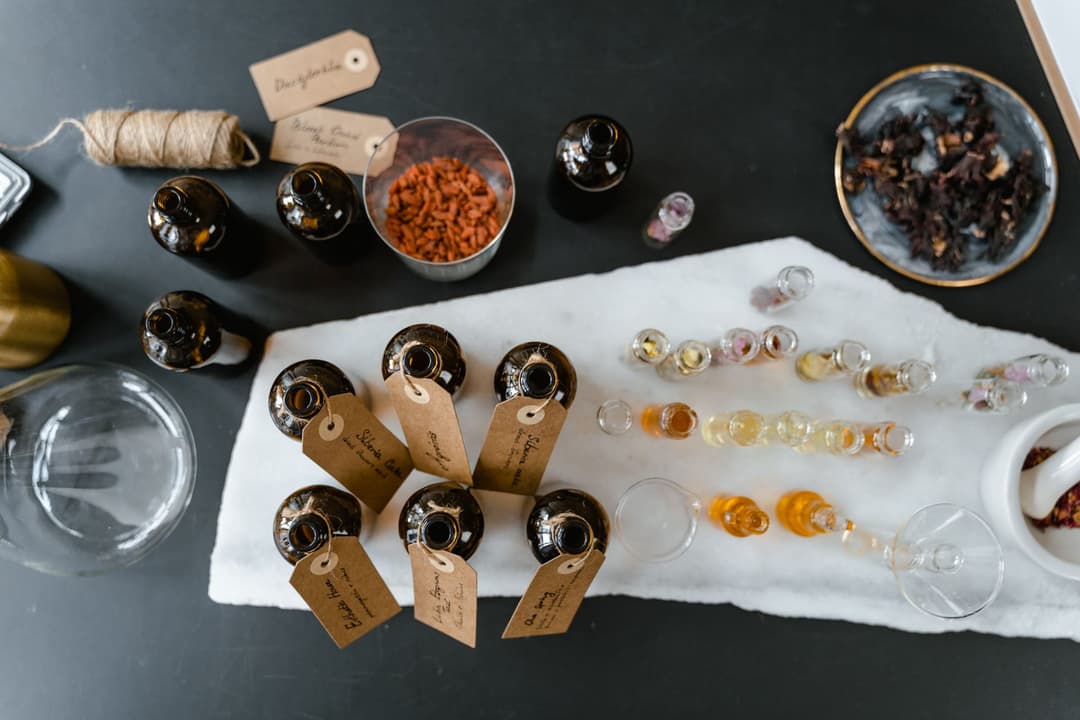
Oils and butters are the main ingredients in soap. Different oils produce different bar qualities: hardness, lather, conditioning, and cleansing. The Soaply calculator shows you bar property predictions as you adjust your oil percentages.
Starter Oil Kit (5 Essential Oils)
For your first batches, these five oils cover all the basics:
| Oil | What It Does | Approx. Cost |
| ----- | ------------- | ------------- |
| Coconut Oil (76 degree) | Hardness, cleansing, big fluffy lather | $8-12 / 32 oz |
| Olive Oil (pomace grade) | Conditioning, gentle cleansing, silky feel | $8-15 / 32 oz |
| Palm Oil | Hardness, stable creamy lather | $8-12 / 32 oz |
| Shea Butter | Conditioning, bar hardness, luxury feel | $10-15 / 16 oz |
| Castor Oil | Lather boost, bubbles, moisture | $6-10 / 16 oz |
Pomace olive oil is cheaper than extra virgin and actually works better for soap making because it reaches trace faster. Save the good olive oil for cooking.
For a deeper look at oil selection, read our complete oil guide or best oils for beginners.
Palm-Free Alternative
If you want to skip palm oil for sustainability reasons, substitute with:
- Lard or tallow (provides similar hardness and lather)
- Cocoa butter (hardness, but more expensive)
- Mango butter (conditioning + some hardness)
Our palm-free soap recipes guide covers tested formulas without palm.
Lye (Sodium Hydroxide)
Sodium hydroxide (NaOH) is required for cold process bar soap. There is no substitute and no way around it. Every bar of soap, including commercial bars, was made with lye. By the time the soap cures, the lye has fully reacted with the oils and no free lye remains in the finished bar. Our article on making soap without lye explains the chemistry in detail.
What to buy:
- Food-grade or technical-grade NaOH with 97-99% purity
- Sold as "lye," "caustic soda," or "sodium hydroxide"
- Available in flakes, beads, or micro-beads (beads dissolve fastest)
What to avoid:
- Drain cleaner labeled as "lye" (may contain additives)
- Anything less than 97% purity
Budget: $10-15 for 2 lbs (enough for 6-8 batches)
For liquid soap, you need potassium hydroxide (KOH) instead. See our liquid soap guide for details.
How Much Lye Do You Need?
The exact amount depends on your oil recipe. Every oil has a different SAP value (the amount of lye needed to saponify it). This is why a lye calculator is essential. Plug your oils and weights into the Soaply calculator and it tells you precisely how much NaOH and water you need. For an explanation of the math, read our guide on understanding lye concentration.
Water
Distilled water is the standard for soap making. Tap water contains minerals that can affect the final soap, particularly causing cloudiness or orange spots (DOS - dreaded orange spots). A gallon of distilled water costs about $1 at any grocery store.
For specialty soaps, you can replace some or all of the water with:
Molds
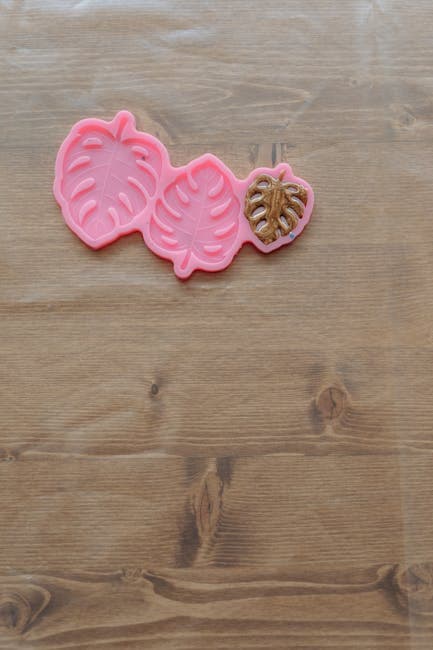
You need something to pour your soap batter into while it solidifies. There are several options at different price points.
Mold Options
| Mold Type | Cost | Pros | Cons |
| ----------- | ------ | ------ | ------ |
| Silicone loaf mold | $12-25 | Easy unmolding, reusable, most popular | Needs support (floppy when full) |
| Wooden mold with liner | $25-50 | Professional look, sturdy | Heavier, needs parchment lining |
| Individual cavity silicone | $8-15 | No cutting needed, fun shapes | Smaller batches, many molds needed |
| Repurposed containers | Free | Pringles cans, milk cartons | Inconsistent, single-use |
For beginners, a silicone loaf mold is the best value. It produces a standard loaf that you cut into 8-10 bars. For more on choosing molds, check our soap molds guide.
Fragrances
Fragrance is optional but most soap makers add it. You have two categories to choose from.
Essential Oils
Plant-derived, natural scents. More expensive per ounce but valued by customers who prefer natural products. Lavender, peppermint, tea tree, and citrus blends are popular starting points. Read our essential oils vs fragrance oils comparison for help choosing.
Budget: $8-15 per 1 oz bottle (enough for 1-2 batches)
Fragrance Oils
Synthetic or blended scents designed for soap and candle making. Much wider scent selection and more affordable than essential oils. Make sure any fragrance oil you use is rated "body safe" or "skin safe" by the supplier.
Budget: $5-10 per 1 oz bottle
How Much Fragrance to Use
The standard fragrance load for cold process soap is 6% of the oil weight. For a 2 lb batch, that is about 1.7-1.9 oz of fragrance. The Soaply fragrance calculator computes this automatically based on your batch size. For a deep dive on fragrance rates, read our fragrance load guide.
Colorants
Also optional, but color makes your soap visually appealing. Options include:
- Micas - Shimmery mineral pigments, wide color range ($3-6 per jar)
- Oxide pigments - Matte colors, very stable ($3-5 per jar)
- Natural colorants - Turmeric, spirulina, cocoa powder, clay (varies)
- Liquid dyes - Easy to use but can bleed in swirls ($5-8 per bottle)
A set of 3-4 basic mica colors (white, blue, green, pink) gives you plenty of options. Read our natural colorants guide for plant-based options.
Nice-to-Have Extras
These are not required for your first batch but become useful quickly:
- Soap cutter - Wire or single-bar cutter for clean, even cuts ($10-30)
- Curing rack - A baker's cooling rack works perfectly ($5-15)
- pH test strips - To verify your soap is safe (zap test works too) ($5-8)
- Rubbing alcohol - Spray on top to prevent soda ash ($3)
- Plastic wrap - For covering molds during the first 24 hours ($3)
- Parchment paper - For lining molds if needed ($3-5)
- Notebook - For recording your recipes and notes (or use Soaply's recipe manager)
Budget Breakdown
Here is a realistic estimate for getting started with everything you need for your first several batches:
Minimum Starter Budget
| Category | Items | Cost |
| ---------- | ------- | ------ |
| Equipment | Scale, stick blender, pot, pitcher, thermometer, spatulas | $55-100 |
| Safety | Goggles, gloves | $10-20 |
| Oils | 5 basic oils (enough for 3-4 batches) | $40-65 |
| Lye | 2 lbs NaOH | $10-15 |
| Water | 1 gallon distilled | $1 |
| Mold | Silicone loaf mold | $12-25 |
| Fragrance | 2-3 scents | $15-30 |
| Colorants | 2-3 micas | $9-18 |
| Total | $150-275 |
That gets you fully set up with enough supplies for 3-4 batches of soap (roughly 30-40 bars). Your per-bar cost works out to $3-7 for the first batches, dropping as you buy supplies in larger quantities.
Where to Buy Soap Making Supplies
Online Suppliers
Dedicated soap supply vendors offer the widest selection, best prices on specialty items, and products tested specifically for soap making.
Popular online soap supply vendors carry everything from base oils to molds to fragrances under one roof. Buying from a dedicated supplier means you know the oils are fresh, the fragrances are body-safe, and the lye is the right purity.
Amazon
Good for equipment (scales, stick blenders, thermometers, goggles) and basic ingredients like coconut oil and lye. Prices are competitive, and Prime shipping is convenient. Check our recommended supplies on Amazon for curated picks.
Local Stores
Grocery stores carry olive oil, coconut oil, and distilled water. Hardware stores sometimes stock lye (check the drain cleaner aisle for pure sodium hydroxide with no additives). Craft stores like Hobby Lobby or Michaels carry melt-and-pour supplies but rarely stock cold process ingredients.
Buying in Bulk
Once you know you enjoy soap making, buying oils in bulk (gallon jugs instead of 32 oz bottles) cuts your per-batch cost significantly. A gallon of coconut oil costs $20-25 compared to $10-12 for 32 oz.
💬 Frequently Asked Questions
Can I use kitchen equipment for soap making?
You can, but anything that touches lye or raw soap batter should be dedicated to soap making and not used for food preparation afterward. Stainless steel is easy to clean and safe for both, but cross-contamination is a concern with porous materials.
What is the cheapest way to start making soap?
Focus on the basics: a scale, stick blender, stainless pot, and a few oils. Skip fancy molds (use a lined cardboard box), skip fragrance and color for your first batch, and buy just enough oil for one recipe. You can get started for under $75 if you already own some kitchen items.
Do I need a soap making kit?
Kits can be convenient but often include items you do not need and skip items you do. You are usually better off buying individual supplies based on a checklist like this one. Kits also tend to be more expensive per item than buying separately.
How long do soap making supplies last?
Oils have a shelf life of 6-18 months depending on the type (check for rancid smells). Lye lasts indefinitely if stored sealed and dry. Fragrances last 1-2 years. Molds and equipment last for years with proper care.
What supplies do I need for melt and pour soap?
Melt and pour requires far less equipment: a microwave-safe container, soap base, fragrance, colorant, and a mold. No lye, scale, or safety gear needed. See our melt and pour guide for the full process.
Get Started
With this supply list and roughly $150-200, you have everything needed to make your first batch of cold process soap. Use the Soaply calculator to build your recipe, our beginner's guide for step-by-step instructions, and the cost calculator to track your ingredient expenses per bar.
Ready to Try It?
Use our free soap calculator to create your perfect recipe with real-time property predictions.
Open Calculator