Best Oils for Soap Making: A Complete Guide
Discover the best oils for handmade soap making. Learn how coconut, olive, shea, and castor oil affect bar hardness, lather, and moisturizing properties.
Best Oils for Soap Making: A Complete Guide
Choosing the right oils is the most important decision in soap making. Each oil brings unique properties to your soap, from hardness and lather to moisturizing and shelf life.
- Understanding Soap Bar Properties
- The Essential Oils for Beginners
- Oil Categories
- Building a Balanced Recipe
- Palm-Free Alternatives
- Oils to Avoid or Limit
- Using Soaply to Build Recipes
- Quick Reference Chart
- Where to Buy Oils
- Frequently Asked Questions
Understanding Soap Bar Properties
Before diving into specific oils, let's understand what we're optimizing for:
- Hardness - How solid and long-lasting the bar is
- Cleansing - How effectively it removes oils and dirt
- Conditioning - How moisturizing it feels
- Bubbly Lather - Big, fluffy bubbles
- Creamy Lather - Dense, lotion-like lather
- INS Value - Overall quality indicator (ideal: 136-170)
Our calculator shows these properties in real-time as you build your recipe!
The Essential Oils for Beginners
🥥 Coconut Oil (20-30%)
The workhorse of soap making. Coconut oil creates:
- Hard bars
- Excellent cleansing
- Big, bubbly lather
Caution: Above 30%, it can be drying. Balance with conditioning oils.
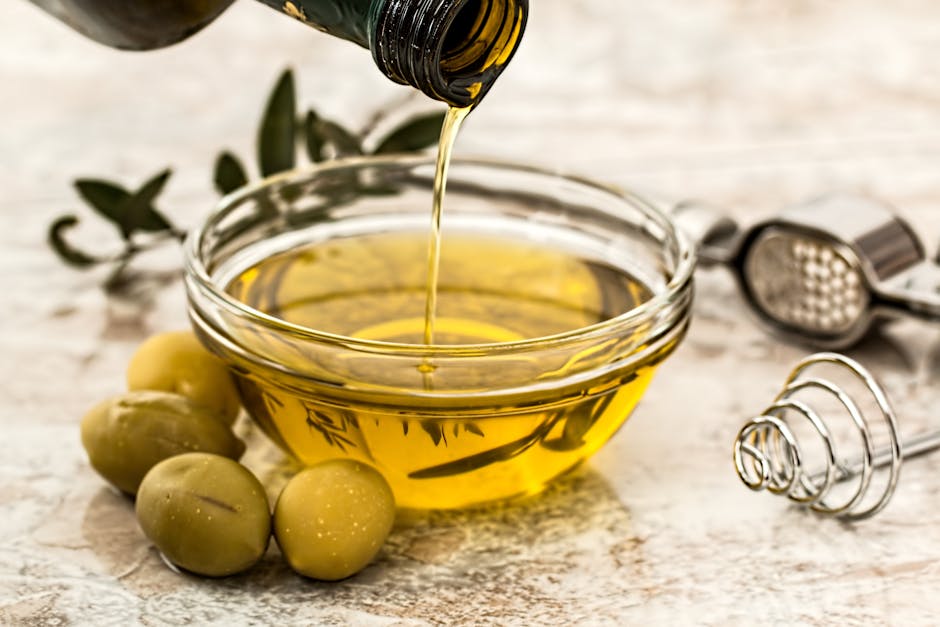
🫒 Olive Oil (25-100%)
The gentle moisturizer. Olive oil provides:
- Conditioning properties
- Creamy lather
- Gentle cleansing
Tip: High-olive soaps (Castile) need longer cure times (6-12 months for best results).
🧈 Shea Butter (5-15%)
Luxury addition for:
- Extra conditioning
- Creamy lather
- Bar hardness
🌴 Palm Oil (20-30%)
Creates hard, long-lasting bars with:
- Mild lather
- Good stability
Note: If using palm, choose sustainably sourced (RSPO certified) or substitute with lard, tallow, or palm-free hardening oils.
🌻 Castor Oil (5-10%)
The lather booster! A little goes a long way:
- Stabilizes lather
- Adds bubbles
- Moisturizing
Warning: Above 10% can make soap sticky.
Oil Categories
Hardening Oils
Make your bar solid and long-lasting:
- Coconut Oil
- Palm Oil
- Cocoa Butter
- Lard/Tallow
- Babassu Oil
Conditioning Oils
Add moisture and skin-loving properties:
- Olive Oil
- Avocado Oil
- Sweet Almond Oil
- Rice Bran Oil
- Hemp Seed Oil
Specialty Oils
Use at 5-15% for specific benefits:
- Castor Oil - Lather boost
- Jojoba Oil - Closest to skin sebum
- Argan Oil - Luxurious conditioning
- Neem Oil - Antibacterial properties
Building a Balanced Recipe
The ideal soap recipe includes oils from multiple categories:
| Category | Percentage | Purpose |
| ---------- | ------------ | --------- |
| Hardening | 40-60% | Structure, longevity |
| Conditioning | 25-40% | Moisturizing, gentleness |
| Specialty | 5-15% | Lather, luxury |
Example Balanced Recipe
| Oil | Amount | Property |
| ----- | -------- | ---------- |
| Coconut Oil | 25% | Cleansing, hardness |
| Olive Oil | 35% | Conditioning |
| Palm Oil | 20% | Hardness |
| Shea Butter | 10% | Conditioning |
| Castor Oil | 10% | Lather |
This creates a balanced bar with good hardness, cleansing, and moisturizing properties.
Palm-Free Alternatives
Looking to go palm-free? Try these swaps:
| Instead of Palm | Try |
| ----------------- | ----- |
| Palm Oil | Lard, Tallow, or Cocoa Butter |
| Palm Kernel Oil | Babassu Oil |
Palm-Free Recipe Example:
- 30% Olive Oil
- 30% Lard or Tallow
- 20% Coconut Oil
- 10% Shea Butter
- 10% Castor Oil
Oils to Avoid or Limit
High Linoleic Oils (Use Sparingly)
These oils can cause DOS (Dreaded Orange Spots) - rancidity in soap:
- Grapeseed Oil
- Sunflower Oil (high-linoleic)
- Hemp Seed Oil
Limit to 10% or less, or use high-oleic versions.
Expensive Oils
Use as superfatting oils or at low percentages:
- Argan Oil
- Tamanu Oil
- Sea Buckthorn Oil
Using Soaply to Build Recipes
Our calculator includes 68+ oils with accurate SAP values. As you add oils, you'll see:
- Real-time property predictions - Watch hardness, cleansing, etc. update
- Warnings - If your recipe is unbalanced
- INS value - Target 136-170 for ideal bars
Try experimenting with different combinations to see how properties change!
Quick Reference Chart
| Oil | Hardness | Cleansing | Conditioning | Lather |
| ----- | ---------- | ----------- | -------------- | -------- |
| Coconut | High | High | Low | Bubbly |
| Olive | Low | Low | High | Creamy |
| Palm | High | Low | Medium | Creamy |
| Shea Butter | Medium | Low | High | Creamy |
| Castor | Low | Low | High | Bubbly |
| Cocoa Butter | High | Low | High | Low |
| Avocado | Low | Low | High | Creamy |
Start Creating
Ready to build your perfect recipe? Use our free Soaply calculator to experiment with oil combinations and see properties update in real-time.
Remember: The best recipe is one you enjoy using! Don't be afraid to experiment.
Related Articles
- Soap Bar Properties Explained - Understand what the numbers mean
- Palm-Free Soap Recipes - Great alternatives to palm oil
- Complete Guide to Superfat - How superfat affects your bar
Where to Buy Oils
Looking for quality soap making oils? Here are some options on Amazon:
- Coconut Oil (76° Refined)
- Olive Oil (Pomace Grade) - Pomace is ideal for soap
- Shea Butter (Unrefined)
- Castor Oil (Cold Pressed)
- Cocoa Butter
💬 Frequently Asked Questions
What is the best all-around oil for soap making?
Olive oil is the most versatile soap making oil. It's gentle, moisturizing, and works well at any percentage from 20% to 100%. For a balanced bar, pair it with coconut oil for lather and a hard butter like shea or cocoa for firmness.
Can you make soap with just one oil?
Yes! 100% olive oil soap is called Castile soap and has been made for centuries. 100% coconut oil soap with a high superfat also works well. Single-oil soaps are simpler but may lack the balanced properties of a multi-oil blend.
How much coconut oil is too much in soap?
Most soap makers cap coconut oil at 25-30% of the recipe. Above that, bars can feel drying and strip the skin's natural oils. If you want more coconut, increase your superfat percentage to 8-10% to compensate.
What oils make the hardest soap bars?
Coconut oil, palm oil, tallow, lard, and cocoa butter all produce hard bars. For the hardest bar possible, combine two or more of these at 40-60% of your total recipe. Check the hardness score in our calculator before mixing.
Do I need to use palm oil in soap?
No. Many excellent recipes skip palm entirely. You can substitute with lard, tallow, cocoa butter, or babassu oil. Check out our palm-free soap recipes for tested alternatives.
Ready to Try It?
Use our free soap calculator to create your perfect recipe with real-time property predictions.
Open Calculator