Can You Make Soap Without Lye? The Truth Every Beginner Needs to Know
Learn why all real soap requires lye (sodium hydroxide), what "no-lye" soap actually means, and the safest alternatives for beginners who want to avoid handling lye directly.
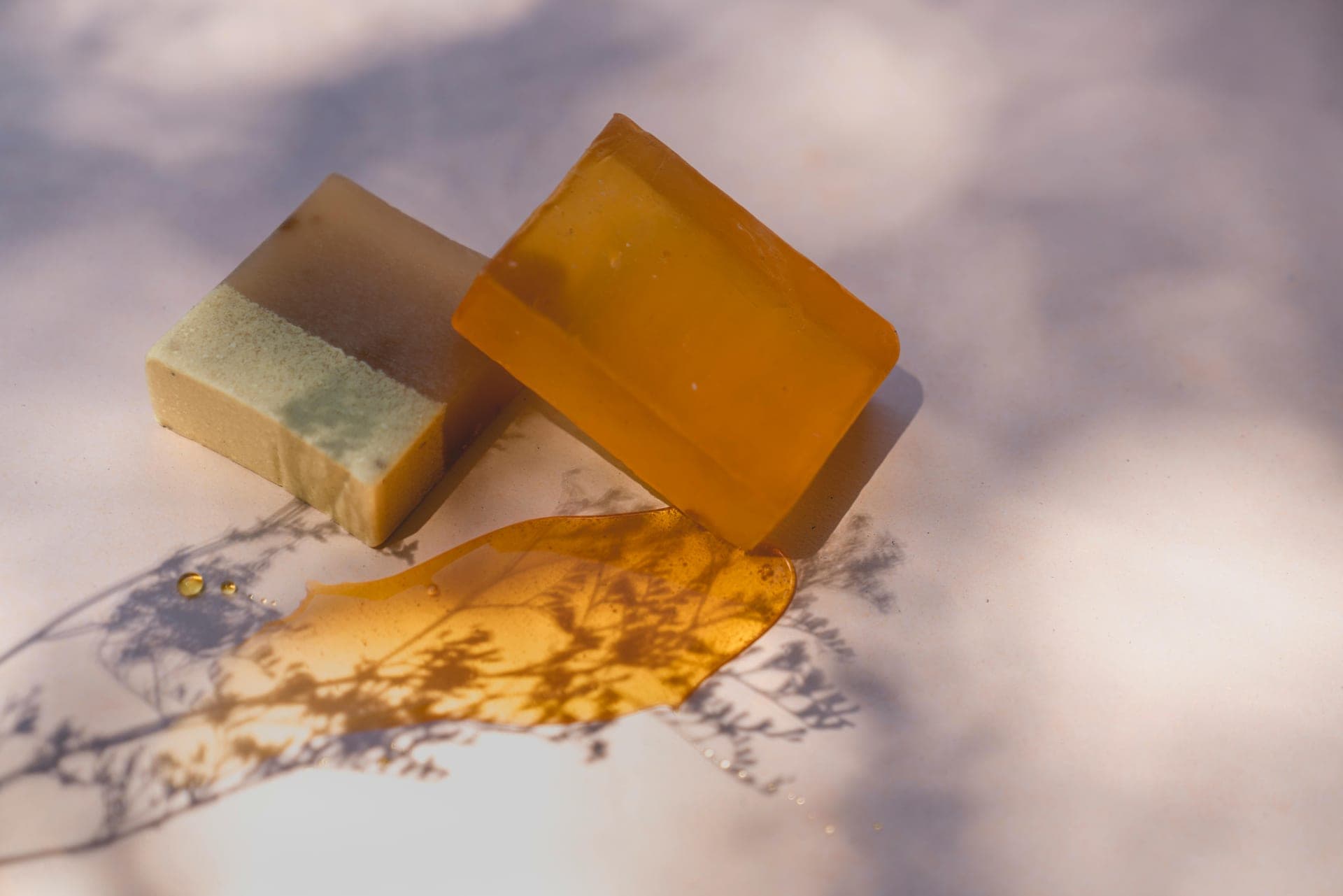

"Can you make soap without lye?" is one of the most common questions in soap making : and the answer might surprise you.
The short answer: No. All real soap is made with lye. But you can make soap without ever touching lye yourself.
Let's break down what that means, why lye is essential to the chemistry, and what your options are if you'd rather skip the safety goggles.
Why Every Bar of Soap Contains Lye
Soap is the result of a chemical reaction called saponification. This happens when a fat or oil reacts with an alkali (lye):
Fat/Oil + Lye (NaOH) + Water → Soap + Glycerin
This isn't optional. It's not a shortcut that commercial manufacturers use. It's the fundamental chemistry that creates soap. Without lye, you can make a cleanser, a detergent, or a surfactant bar : but not soap.
Here's the important part: there is no lye in the finished product. When saponification is complete (and the recipe is properly formulated), all the lye has been consumed by the chemical reaction. What remains is soap and glycerin.
Every bar of soap you've ever used : from a $1 grocery store bar to a $15 artisan bar at the farmers market : was made with lye at some point in the process.
What People Really Mean by "No-Lye Soap"
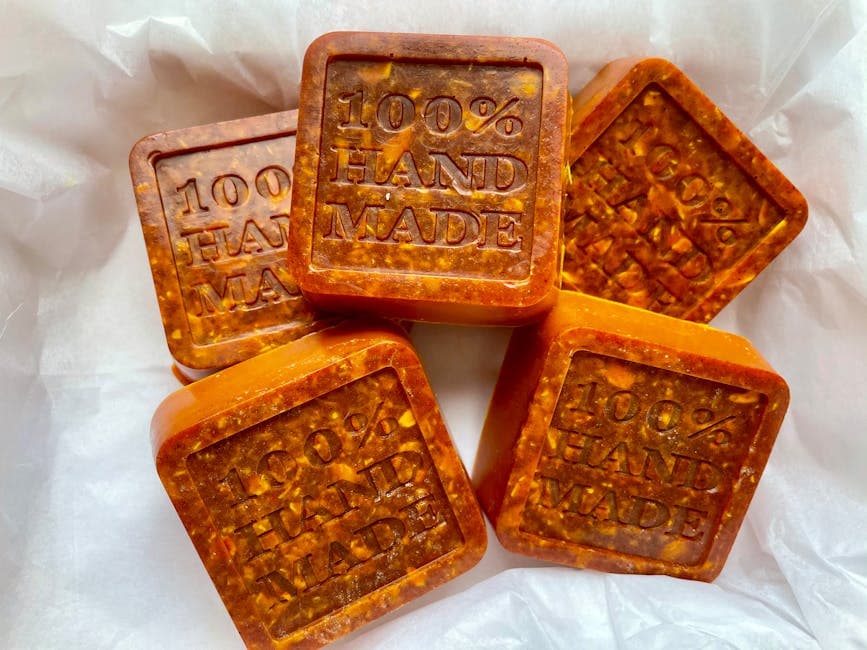
When someone searches for soap without lye, they usually mean one of these things:
1. "I don't want to handle lye myself"
This is completely valid. Sodium hydroxide is caustic and requires proper safety precautions. If you want to make soap at home without directly handling lye, melt and pour soap is your best option.
2. "I want a natural, gentle cleanser"
Some people associate lye with harsh chemicals. But as we covered above, properly made soap contains zero lye. The lye is entirely consumed during saponification. Cold process soap with a proper superfat percentage (typically 5-8%) is actually one of the gentlest cleansers you can use.
3. "I'm confused about the ingredients list"
If you see "sodium hydroxide" on a soap label, that's because labeling regulations require listing the ingredients used in production, even if they don't exist in the final product. Similarly, "sodium tallowate" or "sodium cocoate" are the saponified (finished soap) names for tallow or coconut oil that has reacted with lye.
Option 1: Melt and Pour Soap (No Lye Handling)
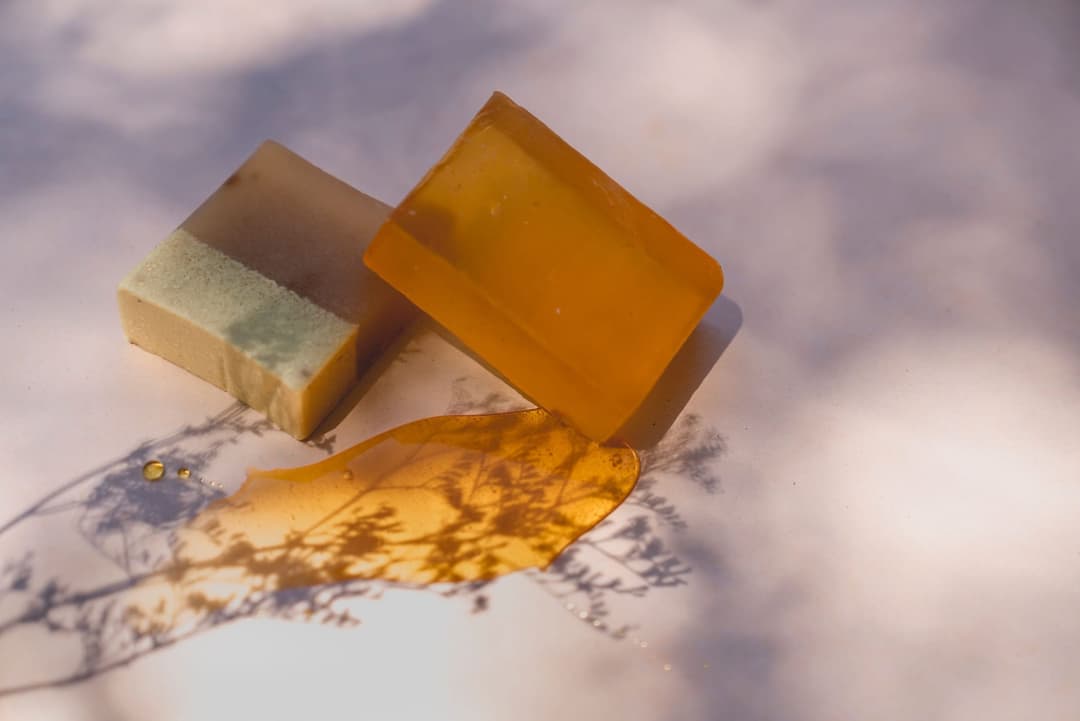
Melt and pour soap is the most popular alternative for people who want to avoid handling lye. Here's how it works:
- Buy a pre-made soap base: the saponification has already been done for you
- Melt it in a double boiler or microwave
- Add your extras: fragrance oils, colorants, exfoliants, botanicals
- Pour into molds and let it cool
- Unmold and use: no curing time needed
Pros of Melt and Pour
- No lye handling whatsoever
- Ready to use in hours (no 4-6 week cure)
- Great for making soap with kids
- Easy to add embeds, layers, and swirls
- Perfect for gifts and small batches
Cons of Melt and Pour
- Less creative control over the base recipe
- You can't choose your own oil blend
- Bases can contain synthetic ingredients (check labels)
- Generally sweats in humid conditions
- Higher per-bar cost than cold process
Recommended Melt and Pour Bases
- Shea butter base: moisturizing, creamy lather
- Goat milk base: gentle, great for sensitive skin
- Clear glycerin base: perfect for embeds and visual designs
- Olive oil base: mild and conditioning
Option 2: Rebatching (Minimal Lye Contact)
Rebatching (also called hand-milling) involves taking existing cold process soap and reworking it:
- Grate cold process soap (your own or purchased)
- Add liquid (water, milk, or tea) and melt in a double boiler or slow cooker
- Mix in additives: fragrance, color, exfoliants
- Press into molds
- Let it harden (1-2 weeks)
This is a middle ground: you get more control than melt and pour, and if you start with pre-made soap, you never touch lye. The texture is rustic : not as smooth as cold or hot process.
Option 3: Cold Process Soap (With Proper Safety)
If you're avoiding lye purely out of fear, consider this: thousands of home soap makers handle lye safely every day. With the right precautions, it's straightforward:
Essential Safety Gear
- Safety goggles (not glasses : goggles that seal around your eyes)
- Rubber or nitrile gloves
- Long sleeves
- Well-ventilated workspace (the fumes when mixing lye and water are briefly irritating)
- Vinegar nearby (for neutralizing splashes on surfaces : for skin splashes, use running water)
Key Safety Rules
- Always add lye TO water, never water to lye ("snow falls on the lake")
- Mix lye solution in a heat-safe container (not aluminum : lye reacts with it)
- Keep children and pets away during mixing
- Label your lye container clearly
- Store lye in a dry, secure location
For a complete safety walkthrough, read our Soap Making Safety Guide.
The truth is that the lye mixing step takes about 5 minutes of a multi-hour process. Once your lye solution is mixed into the oils and saponification begins, the mixture becomes progressively safer as the lye is consumed.
What About Syndet Bars?
You may have heard of "syndet" (synthetic detergent) bars. These are technically not soap : they're solid cleansers made from surfactants like sodium cocoyl isethionate (SCI). Popular examples include Dove Beauty Bar and CeraVe Cleansing Bar.
Syndet bars:
- Contain no saponified oils
- Use no lye in production
- Are pH-balanced (lower pH than true soap)
- Can be made at home, but require different ingredients and techniques
If your goal is specifically a lye-free cleansing bar, syndet bars are the only option that is "not soap" by any definition. However, making them at home requires sourcing specialty surfactant ingredients.
So What Should You Do?
Here's a simple decision tree:
Want to make soap and are comfortable with basic safety precautions?
→ Cold process soap making gives you the most control and satisfaction. Use our Soaply calculator to formulate your recipe.
Want to make soap but don't want to handle lye?
→ Melt and pour is your best bet. You still get creative control over additives and design.
Want to make soap with kids?
→ Melt and pour, no question. It's safe, fun, and produces great results in under an hour.
Want a non-soap cleansing bar?
→ Look into syndet bar formulation (a different craft entirely).
FAQ
Is there really no way to make soap without lye?
Correct. Saponification requires an alkali. For bar soap, that's sodium hydroxide (NaOH). For liquid soap, it's potassium hydroxide (KOH). No alkali, no soap. Learn more about lye types in our lye concentration guide.
Is lye soap bad for your skin?
No. Properly formulated and cured cold process soap contains no free lye. With a superfat of 5-8%, there are actually extra conditioning oils left in the bar. Many people with sensitive skin prefer cold process soap over commercial alternatives.
Can I use baking soda instead of lye?
No. Baking soda (sodium bicarbonate) is a much weaker alkali and cannot saponify oils. You'll end up with a greasy, unusable mixture.
Can I use wood ash lye?
Technically, yes. Before commercial lye existed, soap makers leached water through hardwood ash to create potassium hydroxide solution. This produces a soft soap. It's unpredictable in strength and not recommended for beginners : you can't accurately calculate SAP values without knowing the exact concentration.
Why does my soap label list sodium hydroxide if there's none in the finished soap?
FDA labeling regulations require listing all ingredients used in manufacturing, even if they're consumed in the process. Some soap makers instead list the saponified names (like "saponified olive oil" or "sodium olivate") to avoid confusion.
Ready to Start?
Whether you choose melt and pour or decide to try cold process, we've got you covered:
- New to soap? Start with our Beginner's Guide to Cold Process Soap
- Prefer no lye handling? Check out our Melt and Pour Guide
- Ready to formulate? Use the Soaply Calculator to build your perfect recipe
- Choosing oils? Read Best Oils for Soap Making
Ready to Try It?
Use our free soap calculator to create your perfect recipe with real-time property predictions.
Open Calculator