Soap Making Safety: A Complete Guide to Working with Lye
Essential safety guide for soap makers working with sodium hydroxide (lye). Covers protective equipment, first aid, storage, and safe handling practices.
Soap making is a rewarding craft, but it involves a caustic chemical : sodium hydroxide (NaOH), commonly called lye. Lye is what transforms oils into soap through saponification. There's no way around it: if you're making cold process soap, you're working with lye.
The good news? With proper precautions, soap making is perfectly safe. Thousands of people do it at home every day without incident. This guide covers everything you need to know to handle lye safely and confidently.
Understanding Lye
Sodium hydroxide (NaOH) is a strong base with a pH of about 14. It's used in food processing, water treatment, and yes : soap making. When dissolved in water, it creates an exothermic reaction (it generates heat) and produces a highly caustic solution.
For liquid soap, you'll use potassium hydroxide (KOH) instead, which follows the same safety rules.
Key facts:
- Lye solution can reach 200°F (93°C) when first mixed
- It causes chemical burns on contact with skin
- Lye fumes can irritate eyes and lungs
- Once saponification is complete, no lye remains in the finished soap
That last point is important: properly made soap contains zero lye. The lye reacts completely with the oils (especially when you add a superfat), leaving only soap and glycerin.
Essential Protective Equipment
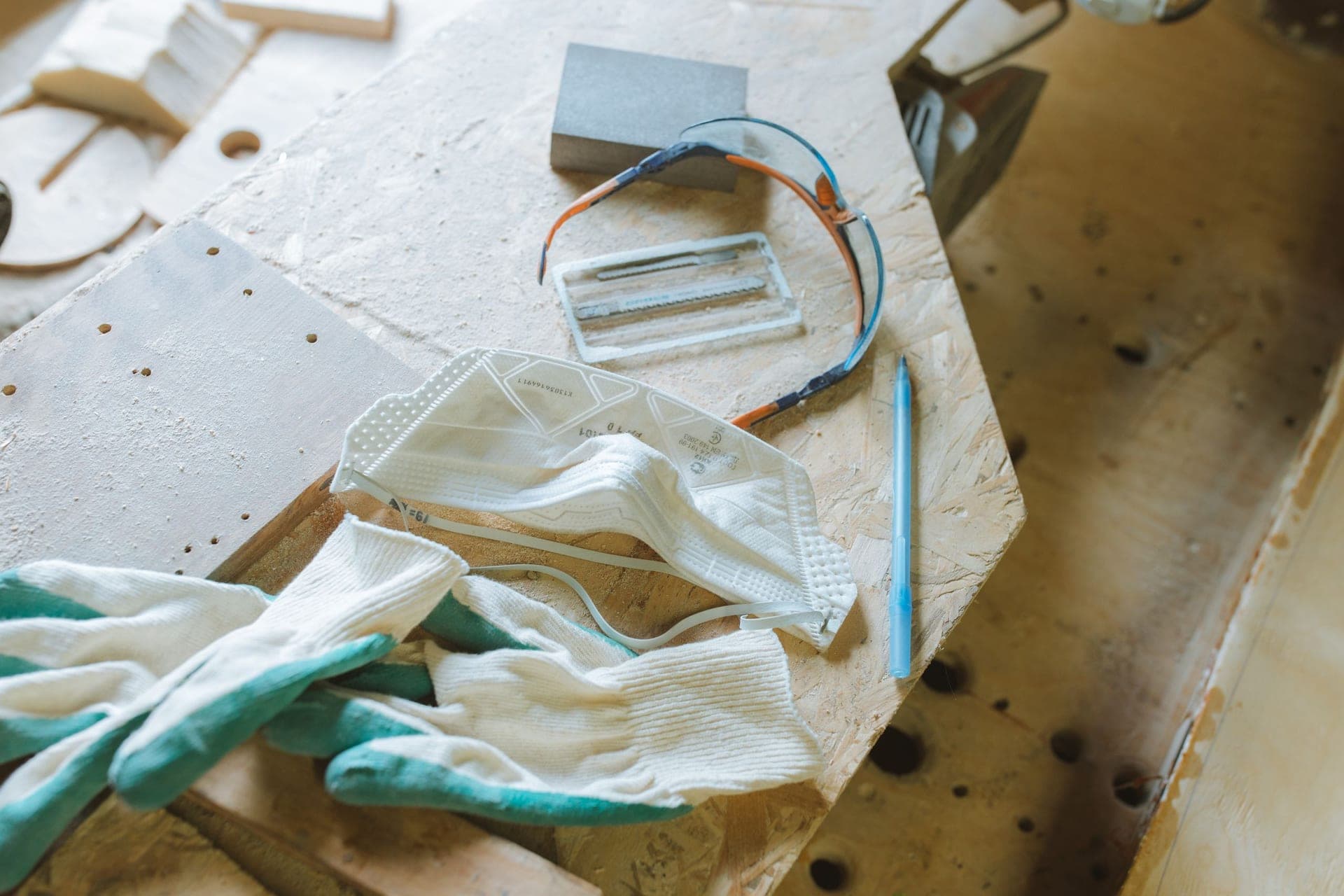
Before you touch lye, you need:
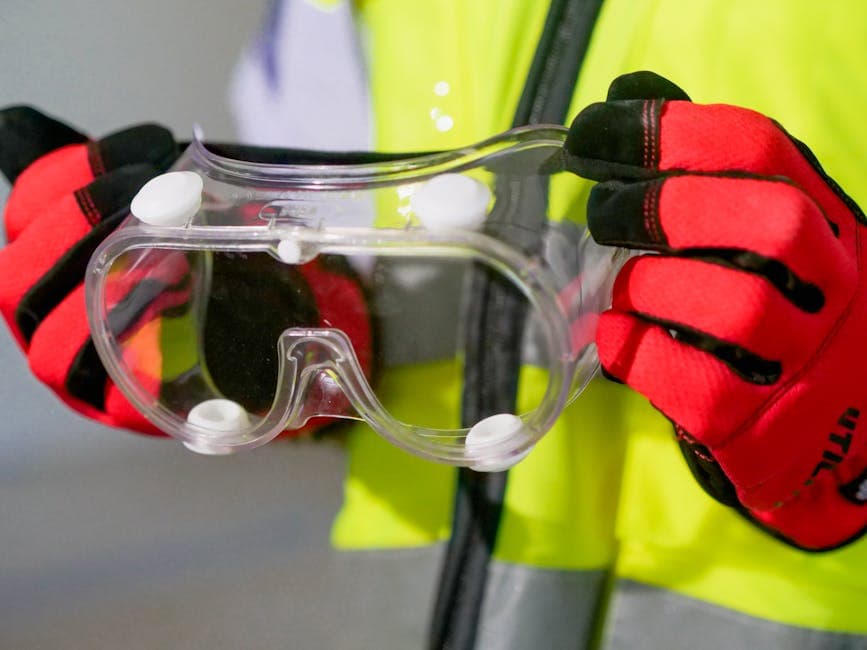
Eye Protection : NON-NEGOTIABLE
- Chemical splash goggles (not regular glasses or safety glasses)
- Must seal around your eyes to prevent splash entry
- This is the single most important piece of safety equipment
- Lye in the eyes can cause permanent blindness
Gloves
- Nitrile or rubber gloves (not latex : lye degrades latex quickly)
- Ensure no gaps at the wrist
- Replace immediately if torn
Clothing
- Long sleeves: roll-proof (no loose cuffs that could dip into lye)
- Long pants and closed-toe shoes
- An apron is a good addition
- Avoid loose jewelry that could contact lye solution
Ventilation
- Work near an open window or turn on the kitchen exhaust fan
- Some soap makers mix lye outdoors
- The fumes are worst in the first 30-60 seconds of mixing
- If you feel any throat irritation, step away and get fresh air
Safe Lye Handling Procedures
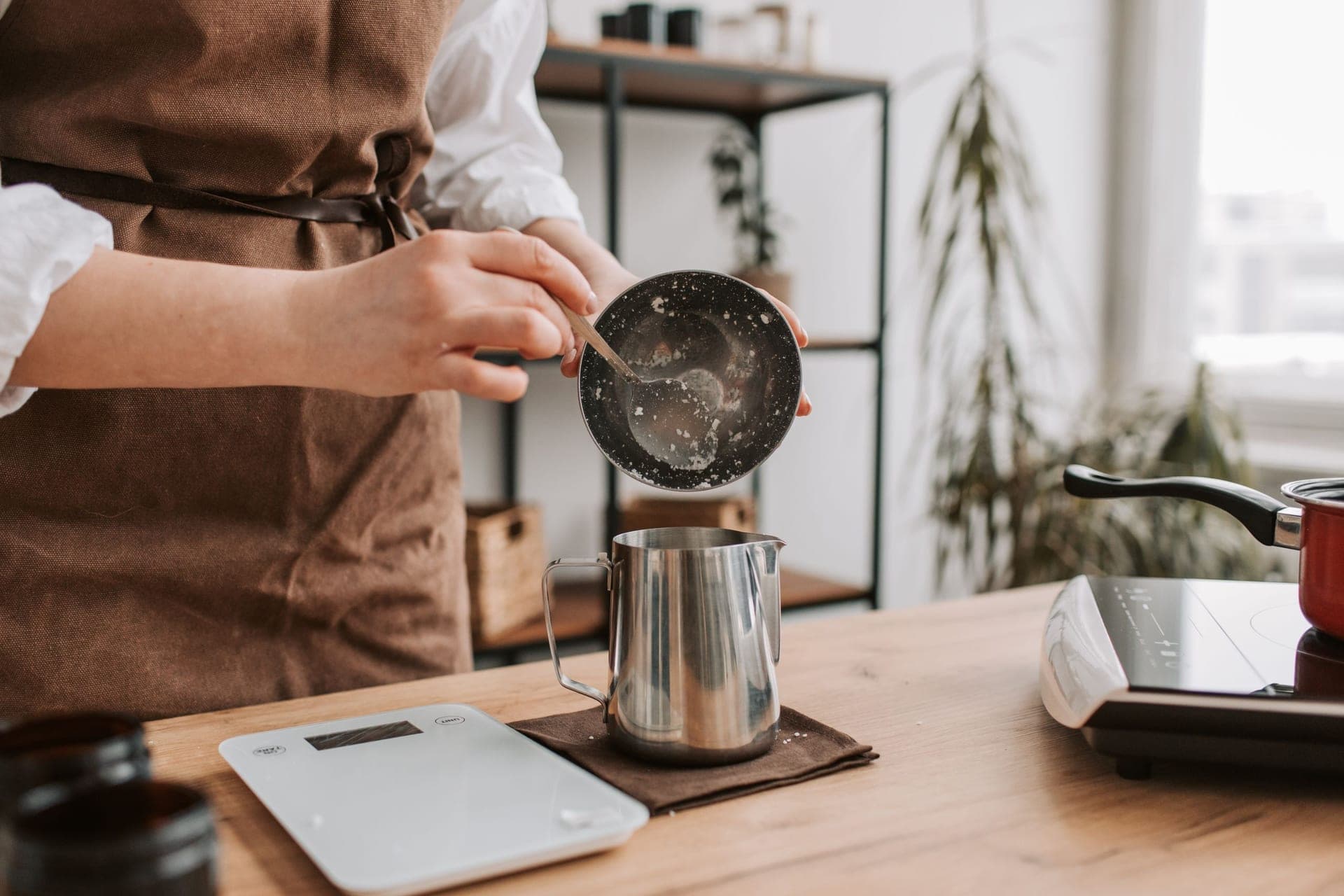
Mixing the Lye Solution
This is the most hazardous step in soap making. Follow these rules every time:
- Always add lye TO water: never water to lye
- Remember: "Snow falls on the lake" (lye crystals into water)
- Use a heat-resistant container
- Never use aluminum (lye reacts violently with it)
- Never use glass (thermal shock can crack it)
- Never use thin plastic (it can warp or melt)
- Add lye slowly
- Adding too fast can cause splashing or boiling
- Stir with a stainless steel or silicone utensil
- Expect heat and fumes
- Hold your breath or turn your head while stirring
- The fumes dissipate within a minute or two
- Set aside to cool
- Label the container "LYE : DO NOT TOUCH"
- Keep away from children, pets, and anyone who doesn't know what it is
During Soap Making
- Keep your workspace clear : no clutter, no distractions
- Have paper towels and white vinegar nearby for cleaning surfaces
- Keep a large container of cool water within reach (for skin contact)
- Don't answer the phone, door, or tend to children mid-pour
- If you need to step away, ensure all lye containers are safely positioned and labeled
After Soap Making
- Wash all lye-contaminated equipment immediately with dish soap and hot water
- Wipe down all surfaces
- Pour any leftover lye solution down the drain with plenty of running water
- Never store mixed lye solution for later use
- Wash your hands even after removing gloves
First Aid for Lye Exposure
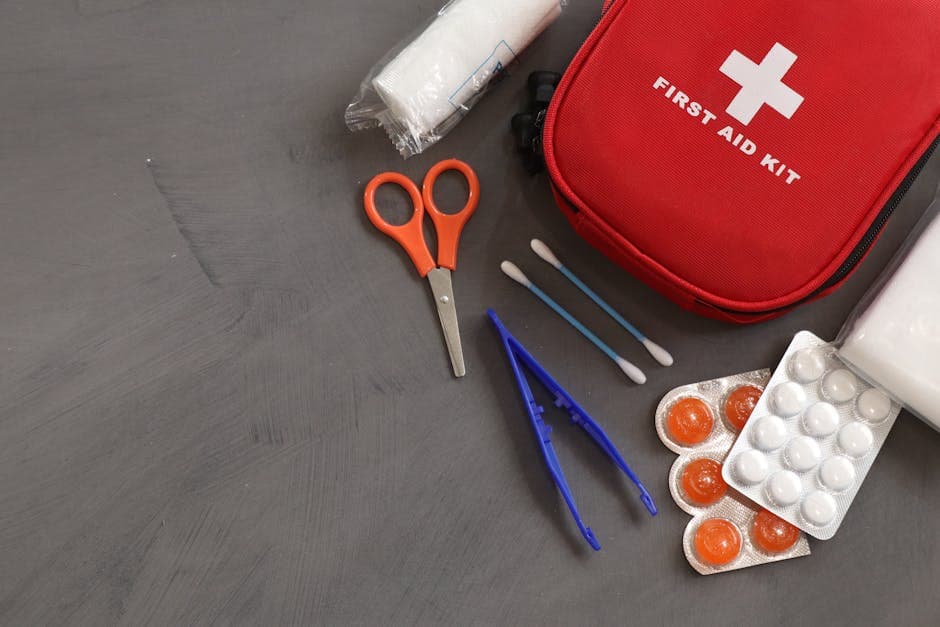
Despite best precautions, accidents can happen. Know what to do:
Lye on Skin
- Immediately flush with cool running water for 15-20 minutes
- Do NOT use vinegar on skin burns (the acid-base reaction generates heat and makes it worse)
- Remove any contaminated clothing while flushing
- If the burn area is large or blistering, seek medical attention
- For minor contact (slight tingling), thorough rinsing is usually sufficient
Lye in Eyes
- Immediately flush with cool running water for at least 20 minutes
- Hold the eye open and let water run across it
- Seek emergency medical attention: even if the eye feels better after rinsing
- Do NOT rub the eye
- This is why goggles are non-negotiable
Lye Ingested
- Call Poison Control immediately (1-800-222-1222 in the US)
- Do NOT induce vomiting
- If the person can swallow, have them drink small sips of water or milk
- Seek emergency medical attention
Lye Fume Inhalation
- Move to fresh air immediately
- If breathing is difficult, seek medical attention
- Normal brief exposure causes only mild throat irritation that resolves quickly
Storing Lye Safely
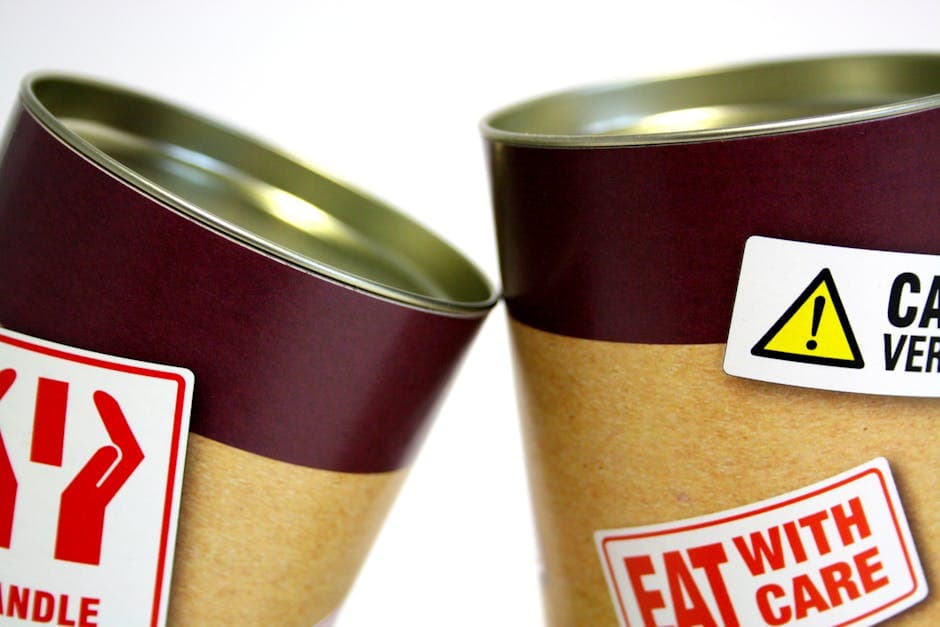
Dry sodium hydroxide is hygroscopic : it absorbs moisture from the air. Improper storage can ruin your lye and create hazards.
- Store in the original container with the lid tightly sealed
- Keep in a cool, dry place away from moisture
- Store away from acids, aluminum, and organic materials
- Keep away from children and pets: use a locked cabinet if needed
- Label clearly: "SODIUM HYDROXIDE : CAUSTIC"
- Don't store near food items
- Check for clumping periodically (clumped lye has absorbed moisture and may be less accurate for weighing)
Safe Equipment Choices
| Material | Safe for Lye? | Notes |
| ---------- | :---: | ------- |
| Stainless steel | ✅ | Best choice for mixing containers and utensils |
| Polypropylene (#5 PP) | ✅ | Good for mixing containers |
| HDPE (#2) | ✅ | Good for storage |
| Silicone | ✅ | Good for utensils and molds |
| Glass | ❌ | Thermal shock risk : can shatter |
| Aluminum | ❌ | Violent reaction with lye |
| Tin/galvanized metal | ❌ | Reacts with lye |
| Copper | ❌ | Reacts with lye |
| Latex | ❌ | Degrades quickly |
| Wood | ⚠️ | Okay short-term, degrades over time |
Working with Children and Pets
If you have children or pets in the house:
- Never make soap when young children are unsupervised nearby
- Ensure the curing area is out of reach (raw soap is still slightly caustic for the first 48 hours)
- Store lye in a childproof location
- Consider making soap during nap time or after bedtime
- Teach older children that your soap supplies are not to be touched
The pH Test: Is Your Soap Safe?
Wondering if your finished soap is safe to use? The zap test is traditional: touch the soap to your tongue. If it "zaps" (feels like touching a 9V battery), there's still free lye. If it just tastes like soap, it's safe.
For a more precise method, use pH strips. Properly made soap has a pH of 8-10. Anything above 10 may indicate excess lye : run your recipe through our calculator to check your math.
Common Safety Mistakes
- Not wearing goggles: "It'll be quick" is how eye injuries happen
- Adding water to lye: Always lye to water, no exceptions
- Using aluminum containers: The reaction produces hydrogen gas and extreme heat
- Getting distracted mid-process: Soap making requires your full attention
- Not labeling lye solution: Someone else might mistake it for water
- Using vinegar on lye burns: Flush with water only
- Skipping the lye calculator: Guessing lye amounts is genuinely dangerous
- Not checking for accurate measurements: Always use a digital scale, never measure lye by volume
Building Confidence
If you're nervous about working with lye, that's actually a good sign : it means you'll be careful. Here are some ways to build confidence:
- Watch experienced soap makers on YouTube before your first batch
- Start with a simple recipe like Castile soap (single oil, simple process)
- Practice your safety routine: lay out all equipment, check your PPE, review the steps
- Make your first batch with a friend who has experience
- If handling lye is a deal-breaker for you, try melt and pour soap making first
Summary
| Rule | Why |
| ------ | ----- |
| Always wear splash goggles | Lye blindness is permanent |
| Add lye to water, never reverse | Prevents violent eruption |
| Use stainless steel or PP containers | Other materials react dangerously |
| Flush skin contact with water for 15+ min | Vinegar makes it worse |
| Run every recipe through a lye calculator | Incorrect lye = dangerous soap |
| Never leave lye unattended or unlabeled | Someone could mistake it for water |
| Work in a ventilated area | Fumes irritate lungs and eyes |
Soap making with lye is safe when you respect the chemistry. Treat lye like any other household chemical that demands attention : bleach, drain cleaner, oven cleaner : and you'll be fine.
Now go make some soap! 🧤🧼
Related reading:
Ready to Try It?
Use our free soap calculator to create your perfect recipe with real-time property predictions.
Open Calculator