How to Substitute Oils in Soap Recipes (Without Ruining Your Batch)
Learn how to swap oils in cold process soap recipes safely. Covers hard vs soft oils, SAP values, usage rates, and a substitution chart for 12 common oils.
This article contains Amazon links. As an Amazon Associate, Soaply earns from qualifying purchases at no extra cost to you.
You found a gorgeous soap recipe online, but you don't have one of the oils it calls for. Maybe palm oil isn't something you want to use, or you ran out of sweet almond oil mid-batch. Can you just swap in something else and call it a day?
The short answer: yes, but you can't wing it. Every oil brings a different SAP value, fatty acid profile, and set of properties to your soap. Swap the wrong oil or skip the lye recalculation, and you'll end up with a batch that's lye-heavy, too soft, or just plain disappointing.
Here's how to make confident oil substitutions every time.
- Why You Can't Just Swap Oils 1:1
- Hard Oils vs Soft Oils: The First Rule
- What Are SAP Values and Why Do They Matter?
- Check Usage Rates Before You Swap
- Oil Substitution Chart for Soap Making
- How to Replace Palm Oil in Soap
- Best Olive Oil Substitutes for Soap
- What to Use Instead of Coconut Oil
- Swapping Butters: Shea, Cocoa, Mango, and More
- Liquid Oils That Are (Mostly) Interchangeable
- Step-by-Step: How to Reformulate a Recipe
- Frequently Asked Questions
Why You Can't Just Swap Oils 1:1
Every oil has a unique saponification (SAP) value. That number tells you how much sodium hydroxide (lye) is needed to turn that specific oil into soap. Coconut oil's SAP value is much higher than olive oil's, for example. If you replace olive oil with coconut oil and don't recalculate the lye, you could end up with a lye-heavy bar that burns skin.
Beyond the lye math, each oil contributes different fatty acids. Those fatty acids determine whether your bar is hard or soft, bubbly or creamy, moisturizing or cleansing. Swapping oils changes the personality of your soap.
The fix is simple: whenever you change an oil in a recipe, run it through a soap calculator to get your new lye and water amounts. It takes about 30 seconds and prevents ruined batches.
Hard Oils vs Soft Oils: The First Rule
The most important guideline for oil substitution is this: replace hard oils with hard oils, and soft oils with soft oils.
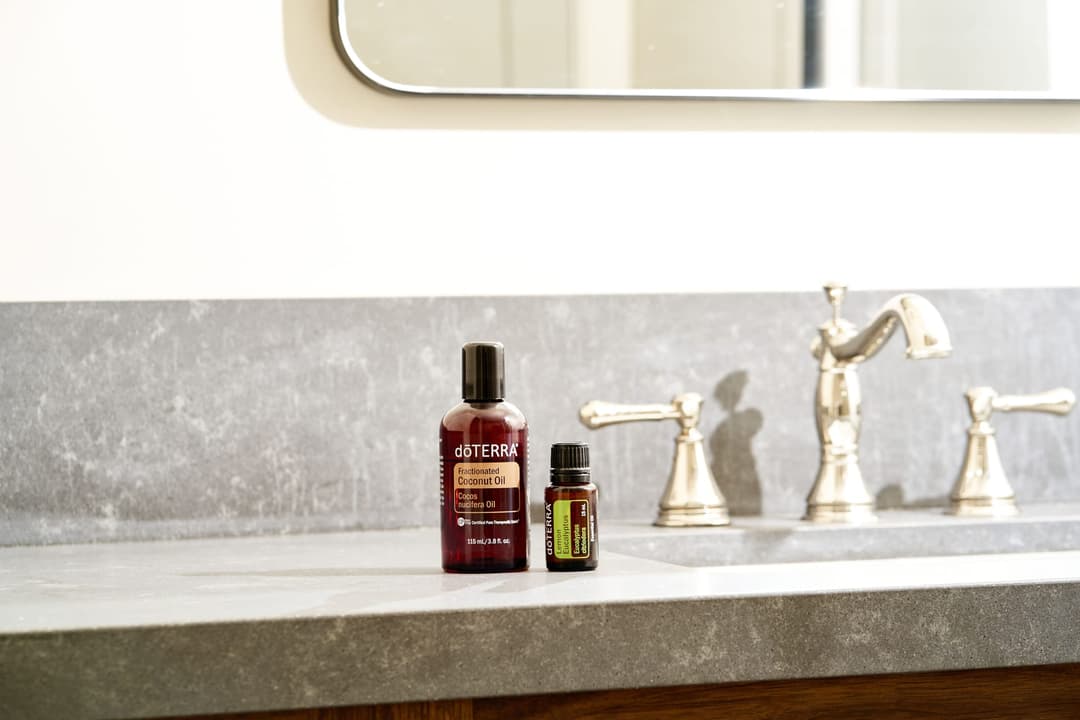
Hard oils are solid at room temperature. They contribute hardness, firmness, and usually lather to your bar. Common hard oils and butters include:
- Coconut oil
- Palm oil
- Lard
- Tallow
- Cocoa butter
- Shea butter
- Mango butter
Soft oils are liquid at room temperature. They contribute conditioning, moisture, and a silky feel. Common soft oils include:
- Olive oil
- Sweet almond oil
- Avocado oil
- Sunflower oil
- Rice bran oil
- Grapeseed oil
- Hemp seed oil
- Castor oil (unique properties; keep reading)
If you replace a hard oil with a soft one, your bar will likely be too soft, take forever to unmold, and may never firm up the way you want. Do the opposite, and you'll get a rock-hard bar that might crack or feel stripping on the skin.
There are exceptions. Olive oil, for instance, produces a surprisingly hard bar after a full cure despite being a liquid oil. But as a starting point, the hard-for-hard, soft-for-soft rule will keep you out of trouble.
What Are SAP Values and Why Do They Matter?
SAP stands for saponification value. It's the amount of potassium hydroxide (KOH) or sodium hydroxide (NaOH) in milligrams needed to saponify one gram of a given oil. For cold process bar soap, you care about the NaOH number.
Here's a quick comparison:
| Oil | NaOH SAP Value |
| ----- | --------------- |
| Coconut oil (76 deg) | 0.178 |
| Palm oil | 0.141 |
| Olive oil | 0.134 |
| Sweet almond oil | 0.136 |
| Castor oil | 0.128 |
| Shea butter | 0.128 |
| Cocoa butter | 0.137 |
| Avocado oil | 0.133 |
Notice how coconut oil needs significantly more lye per gram than olive oil. If you swap 500g of olive oil for 500g of coconut oil without adjusting, you'll be short on lye by a meaningful amount, and you'll get a greasy, unsaponified mess.
This is why recalculating is non-negotiable. Plug your new recipe into the Soaply lye calculator and it handles the math automatically.
Check Usage Rates Before You Swap
Every oil has a recommended usage rate in soap. Go over that rate and you might get a bar with problems.
| Oil | Recommended Max |
| ----- | ---------------- |
| Coconut oil | 30-33% |
| Castor oil | 5-8% |
| Cocoa butter | 15% |
| Hemp seed oil | 15% |
| Grapeseed oil | 15% |
| Shea butter | 15-20% |
| Palm oil | 30-40% |
| Olive oil | Up to 100% |
| Sweet almond oil | 20-30% |
| Rice bran oil | Up to 50% |
So if a recipe calls for 40% palm oil and you want to use cocoa butter instead, you can't just do a straight swap. Cocoa butter maxes out around 15% before it starts making your soap brittle and waxy. You'd need to use 15% cocoa butter and fill the remaining 25% with another hard oil like tallow or lard.
Always check usage rates before plugging numbers into your calculator.
Oil Substitution Chart for Soap Making
Here's a practical reference chart for the most common swaps. Remember, these aren't perfect 1:1 replacements. They're the closest matches based on fatty acid profiles and soap properties.

| If You Need to Replace... | Best Substitutes | Notes |
| --------------------------- | ----------------- | ------- |
| Coconut oil | Babassu oil, palm kernel oil | Babassu is the closest match for lather and hardness |
| Palm oil | Lard, tallow, or a cocoa butter + hard oil blend | Lard is the most direct swap; similar fatty acid profile |
| Olive oil | Rice bran oil, high oleic sunflower oil | Rice bran gives similar hardness after cure |
| Sweet almond oil | Apricot kernel oil, sunflower oil | Nearly identical fatty acid profiles |
| Shea butter | Mango butter, sal butter, kokum butter | All work well as conditioning butters |
| Cocoa butter | Kokum butter, sal butter | Kokum is closest in hardness |
| Avocado oil | Olive oil, rice bran oil | Avocado is luxurious but pricey; these are budget-friendly swaps |
| Castor oil | No direct substitute | Castor is unique for lather boosting; nothing replicates it exactly |
| Sunflower oil | Safflower oil, soybean oil, canola oil | Widely interchangeable for conditioning |
| Lard | Tallow, palm oil | Very similar results in soap |
| Tallow | Lard, palm oil | Tallow and lard are nearly interchangeable |
| Grapeseed oil | Sunflower oil, safflower oil | Similar lightweight feel |
How to Replace Palm Oil in Soap
Palm oil is one of the most common oils in soap recipes, but plenty of soap makers avoid it for environmental reasons. The good news: you've got several solid alternatives.
Lard is the most direct substitute. It has a similar SAP value, similar fatty acid breakdown, and produces a hard, creamy bar. You can swap palm for lard at equal percentages in most recipes.
Tallow works the same way. Beef tallow and palm oil produce bars with very similar characteristics: firm, white, mild, and long-lasting.
If you want to stay plant-based, try a combination approach:
- 15% cocoa butter + remaining percentage split between olive oil and coconut oil
- Or use a blend of shea butter (up to 15%) and rice bran oil to fill the gap
For any of these swaps, plug the new recipe into the Soaply calculator to recalculate your lye. The SAP values differ enough that you'll need a new number.
Check out our palm-free soap recipes for tested formulations you can use right away.
Best Olive Oil Substitutes for Soap
Olive oil is tricky to replace because it behaves differently from most soft oils. While it's liquid at room temperature, it produces a hard, long-lasting bar after a full cure. That's because olive oil is loaded with oleic acid, which creates a dense, firm bar over time.
Rice bran oil is the best substitute. It's high in oleic acid, produces a similar bar hardness, has a mild scent, and costs less than olive oil in many regions. You can swap it in at the same percentage.
High oleic sunflower oil is another good option. Make sure you're getting the "high oleic" variety, not regular sunflower oil. Regular sunflower oil is high in linoleic acid, which produces a softer bar and is more prone to rancidity (called DOS, or "dreaded orange spots").
If a recipe calls for 100% olive oil (a castile soap), rice bran oil at 100% will give you the closest results, though the bar will cure slightly faster and feel a bit different on the skin.
What to Use Instead of Coconut Oil
Coconut oil is the powerhouse behind lather and cleansing in most soap recipes. Replacing it completely changes the character of your soap.
Babassu oil is the closest substitute. It has a similar SAP value, produces similar bubbly lather, and can be used at the same percentages (up to 30-33%). It's more expensive than coconut oil, but if you're dealing with a coconut allergy, it's your best bet.
Palm kernel oil (not the same as palm oil) also works well for lather and hardness, though it shares the same sourcing concerns as regular palm oil.
If you just need to reduce coconut oil rather than eliminate it, drop it to 15-20% and add 5% castor oil to boost lather. Castor oil at even small percentages creates a stable, creamy lather that compensates for less coconut.
Swapping Butters: Shea, Cocoa, Mango, and More
Butters are the easiest category to swap because they all serve a similar purpose in soap: adding hardness and skin conditioning at low percentages.
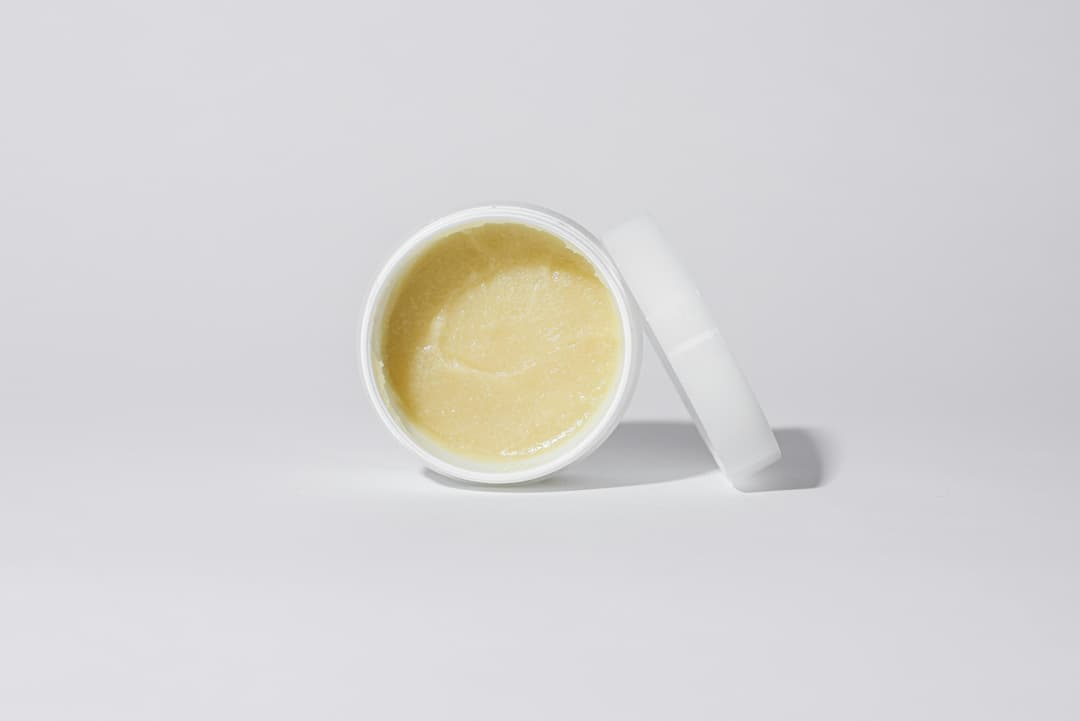
Here's how they compare:
| Butter | Hardness | Conditioning | Max Usage |
| -------- | ---------- | ------------- | ----------- |
| Shea butter | Medium | High | 15-20% |
| Cocoa butter | High | Medium | 15% |
| Mango butter | Medium | High | 15% |
| Kokum butter | Very high | Medium | 10-15% |
| Sal butter | High | Medium | 10-15% |
| Avocado butter | Low-medium | Very high | 12-15% |
Shea and mango butter are nearly interchangeable. Both add creaminess and conditioning without making soap overly hard. Mango butter is slightly harder and has a milder scent.
Cocoa butter and kokum butter are similar in that they both add significant firmness. Cocoa butter has a slight chocolate scent that can come through in unscented soap, while kokum is scentless.
Keep butters under their max usage rate. Too much butter can create a waxy, draggy bar that doesn't lather well.
Liquid Oils That Are (Mostly) Interchangeable
This is where substitution gets easy. Most liquid carrier oils are interchangeable in soap recipes without dramatically changing the final bar. They all contribute conditioning, moisture, and a silky feel.
These oils can generally substitute for each other at equal percentages:
- Sweet almond oil
- Apricot kernel oil
- Sunflower oil (high oleic preferred)
- Safflower oil (high oleic preferred)
- Rice bran oil
- Soybean oil
- Canola oil
A few liquid oils are NOT freely interchangeable:
- Castor oil has unique lather-boosting properties. Keep it at 5-8% and don't swap it out for a regular carrier oil.
- Hemp seed oil tends to spoil faster due to high linoleic acid content. Keep it under 15% and use your soap within a few months.
- Grapeseed oil is also high in linoleic acid and prone to DOS. Keep it under 15%.
For any liquid oil swap, the bar properties won't change much, but always recalculate your lye because SAP values vary between oils. Even a small difference matters when you're working with sodium hydroxide.
Step-by-Step: How to Reformulate a Recipe
Here's the process to follow every time you need to swap an oil:
1. Identify the oil you're replacing and note its percentage.
Write down exactly how much of the recipe it represents. If a recipe uses 500g olive oil out of 1,000g total oils, that's 50%.
2. Choose a substitute from the same category.
Hard for hard, soft for soft. Use the substitution chart above.
3. Check the usage rate of your substitute.
If the original oil was at 40% but your substitute maxes out at 15%, you'll need to split the remainder across other oils.
4. Plug the new recipe into a soap calculator.
Head to the Soaply calculator, enter all your oils and percentages, and get your new lye and water amounts. This step is not optional.
5. Compare the predicted bar properties.
The calculator shows you projected hardness, cleansing, conditioning, bubbly lather, and creamy lather values. If they look dramatically different from what you want, tweak the percentages.
6. Make a test batch.
Whenever you reformulate, make a smaller test batch first. A 500g oil batch is plenty to evaluate how the new formula performs. Take notes on trace speed, unmolding time, lather quality, and how the bar feels after a full 4 to 6 week cure.
💬 Frequently Asked Questions
Can I substitute any oil for any other oil in soap?
Not exactly. You can substitute within categories (hard for hard, soft for soft), but each oil has different SAP values and usage limits. Coconut oil and olive oil serve completely different functions in a recipe. Always match the oil type, check the max usage rate, and run the new recipe through a soap calculator to recalculate your lye amount.
Do I need to recalculate lye when I swap oils?
Yes, every single time. Each oil requires a different amount of lye to saponify. Even if you're swapping two similar oils at the same weight, the lye amount will likely change. Skipping this step can result in a lye-heavy bar (which burns skin) or an oil-heavy bar (which feels greasy and won't harden). Use the Soaply lye calculator to get accurate numbers in seconds.
What's the best palm oil substitute for soap?
Lard is the closest match. It has a similar fatty acid profile, produces a firm white bar with creamy lather, and can be swapped at the same percentage. Tallow is another great option. If you want plant-based alternatives, try a blend of cocoa butter (15%) with additional olive oil or rice bran oil to fill the remaining percentage. We've got several tested options in our palm-free recipes.
Can I use cooking oils from the grocery store to make soap?
Yes, but with caveats. Olive oil, coconut oil, and lard from the grocery store work fine. Avoid oils labeled "blend" because you won't know the exact composition, and that makes lye calculation unreliable. Also avoid anything with added seasonings, flavors, or preservatives. For specialty oils like babassu or high oleic sunflower, you'll usually need to order from a soap supply vendor.
How do I know if my substitution worked?
Look at four things after your bar has fully cured (4 to 6 weeks): hardness (does it hold up in the shower without melting away?), lather (is it bubbly, creamy, or both?), skin feel (moisturizing or drying?), and longevity (does the bar last a reasonable time?). Keep a soap journal and note what you changed so you can dial in your formula over time.
Oil substitution doesn't have to be intimidating. Stick to the hard-for-hard, soft-for-soft rule, check your usage rates, and always let the Soaply calculator handle the lye math. Once you get comfortable swapping oils, you'll stop following other people's recipes and start creating your own. That's where the real fun begins.
Ready to Try It?
Use our free soap calculator to create your perfect recipe with real-time property predictions.
Open Calculator