How to Make Goat Milk Soap (Cold Process Recipe)
Learn how to make creamy goat milk soap with this cold process recipe. Covers freezing the milk, mixing lye safely, a tested oil recipe, and troubleshooting tips.
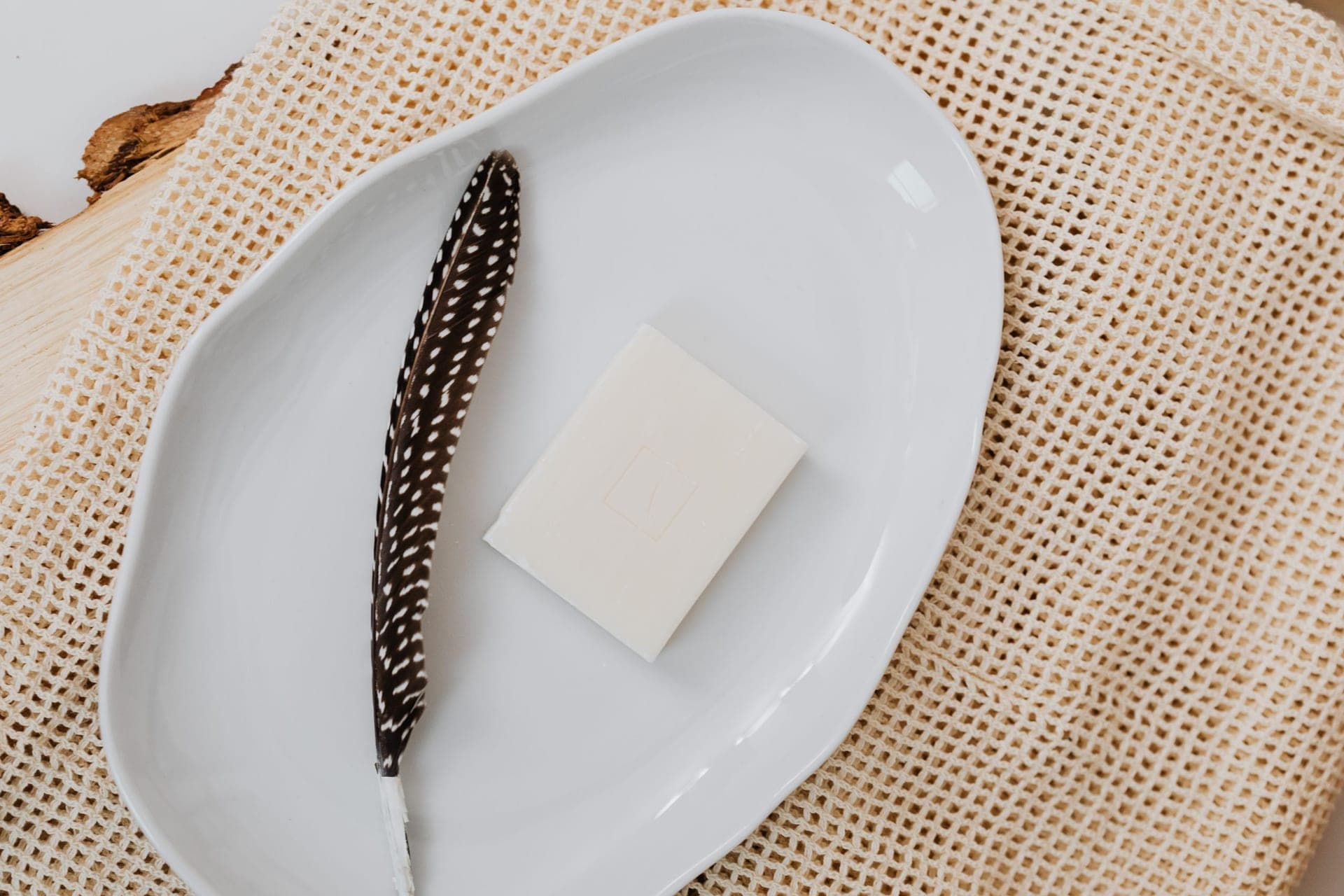
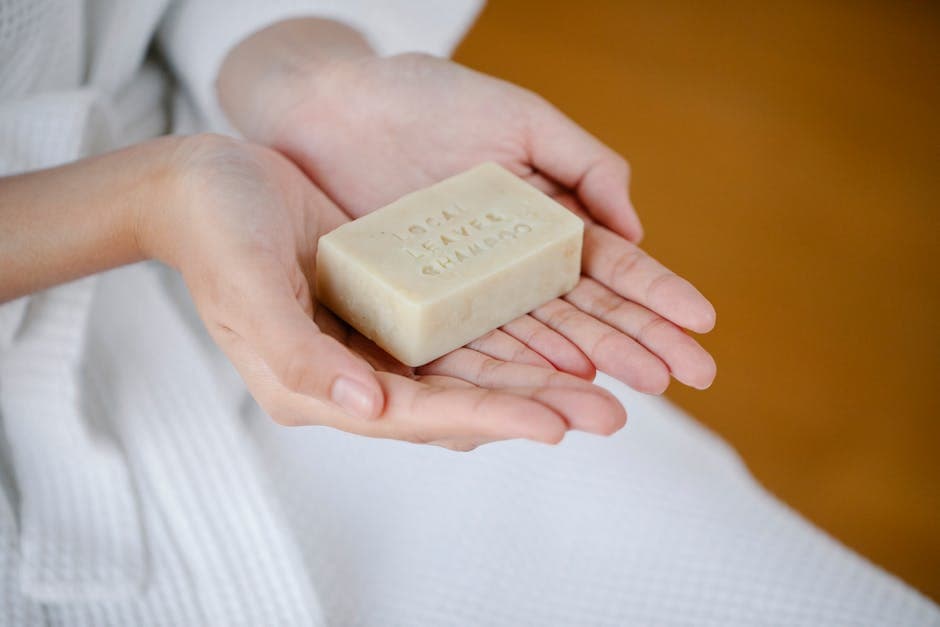
Goat milk soap produces bars that are creamier, more moisturizing, and gentler on skin than regular cold process soap. The natural fats and lactic acid in goat milk add conditioning properties that water-based soap simply can't match.
The process is almost identical to standard cold process soap making, with one critical difference: you need to keep the milk frozen while adding lye to prevent the sugars from scorching. Get that right, and the rest is straightforward.
- Why Goat Milk Makes Better Soap
- Equipment and Ingredients
- Preparing the Goat Milk
- The Recipe
- Step-by-Step Instructions
- Preventing Orange Soap (Scorching)
- Curing and Storage
- Frequently Asked Questions
Why Goat Milk Makes Better Soap
Goat milk contains natural alpha-hydroxy acids (lactic acid) that gently exfoliate skin. It's also rich in vitamins A, D, and B6, plus minerals like selenium. In soap, these translate to:
- Extra creaminess from the milk fats (butterfat adds to the superfat)
- Gentler lather suitable for sensitive and dry skin
- Natural moisturizing from the proteins and fats
- A smooth, almost silky bar texture compared to water-based soap
The catch is that lye reacts aggressively with the sugars in milk. If the milk gets too hot during lye mixing, those sugars caramelize and you end up with dark orange soap that smells like burnt milk. The freezing method below solves this completely.
Equipment and Ingredients
You'll need the same basic cold process equipment plus a few extra items for working with milk.
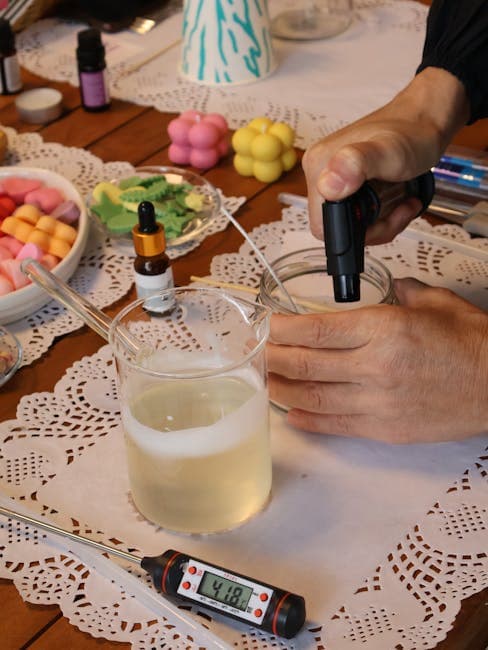
Standard equipment:
- Digital scale (accurate to 0.1g)
- Immersion blender (stick blender)
- Heat-safe mixing containers (stainless steel or heavy-duty plastic)
- Silicone spatula
- Soap mold (silicone loaf mold works great)
- Safety goggles, gloves, and long sleeves
Extra items for milk soap:
- Ice cube trays for freezing milk
- A large bowl for an ice bath
- Thermometer (infrared or digital probe)
For a full safety overview, read our soap making safety guide.
Preparing the Goat Milk
This is the most important step. Freeze the milk at least 24 hours before you plan to make soap.
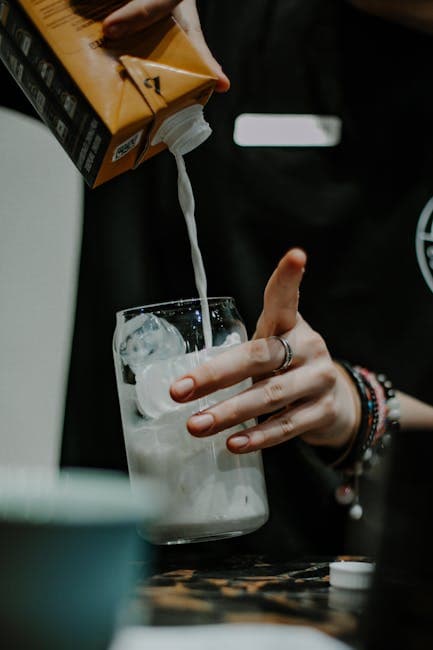
Steps:
- Measure your goat milk by weight (see recipe below)
- Pour into ice cube trays
- Freeze solid, at least overnight
- When ready to soap, pop the frozen milk cubes into your lye-mixing container
Types of goat milk that work:
- Fresh raw goat milk (best results, highest fat content)
- Pasteurized goat milk from the grocery store (works perfectly fine)
- Canned evaporated goat milk (dilute 1:1 with water before freezing)
- Powdered goat milk (reconstitute per package directions, then freeze)
Fresh or pasteurized liquid milk gives the best bars, but all forms produce good soap.
The Recipe
This recipe makes approximately 2.5 lbs of soap (about 8-10 bars depending on your mold).
| Ingredient | Weight |
| ----------- | -------- |
| Olive Oil | 280g (9.9 oz) |
| Coconut Oil (76 degree) | 180g (6.3 oz) |
| Shea Butter | 100g (3.5 oz) |
| Sweet Almond Oil | 80g (2.8 oz) |
| Castor Oil | 60g (2.1 oz) |
| Total Oils | 700g (24.7 oz) |
| Sodium Hydroxide (NaOH) | Run through Soaply calculator |
| Goat Milk (frozen) | Run through Soaply calculator |
Settings for the Soaply calculator:
- Superfat: 5-6%
- Water calculation: use "Water % of Oils" at 33-35%
- Replace all the water weight with frozen goat milk
This oil blend produces a hard, creamy bar with good conditioning. The olive oil and almond oil bring mildness, coconut oil adds cleansing and bubbles, shea butter provides luxury, and castor oil boosts lather.
Plug these exact oil weights into the Soaply calculator to get your precise lye and liquid amounts. The calculator handles the math so you don't have to look up SAP values manually.
Step-by-Step Instructions
Step 1: Freeze the Milk (Day Before)
Weigh out your goat milk, pour into ice cube trays, and freeze overnight. The milk needs to be rock-solid frozen, not slushy.
Step 2: Weigh Everything
Weigh all oils, lye, and have your frozen milk cubes ready. Accuracy matters with lye. Use a digital scale, not measuring cups.
Step 3: Melt and Combine Oils
Melt the coconut oil and shea butter gently (microwave in short bursts or use a double boiler). Add the olive oil, almond oil, and castor oil. Stir to combine. Let the oil mixture cool to around 90-100 F (32-38 C).
Step 4: Add Lye to Frozen Milk (Slowly!)
This is where goat milk soap differs from regular soap:
- Place your frozen milk cubes in a stainless steel container
- Set that container in a larger bowl filled with ice water (ice bath)
- Slowly sprinkle lye over the frozen milk, about a tablespoon at a time
- Stir gently between each addition
- Wait for each bit of lye to dissolve before adding more
- Keep the mixture below 100 F (38 C) at all times
This process takes 15-20 minutes. Don't rush it. The ice bath and frozen milk work together to absorb the heat from the lye reaction.
The mixture will turn from white to pale yellow. A light yellow or cream color is normal and fine. If it turns orange or dark yellow, you're going too fast and the milk is scorching.
Step 5: Combine Lye-Milk and Oils
Once all lye is dissolved in the milk, pour the lye-milk mixture into your oils through a small strainer (to catch any undissolved lye bits). Blend with your stick blender in short bursts until you reach light trace.
Light trace looks like thin pudding. You should be able to drizzle soap batter across the surface and see it sit for a moment before sinking back in.
Step 6: Add Fragrance and Pour
At light trace, add any fragrance oil or essential oil (see our fragrance load guide for usage rates). Stir or briefly blend to incorporate, then pour into your mold.
Scents that pair well with goat milk soap:
- Lavender (classic, calming)
- Honey and oatmeal (complement the creamy feel)
- Vanilla (warm, cozy)
- Unscented (let the milk speak for itself)
Step 7: Insulate Gently
Unlike regular CP soap, do NOT force gel phase with goat milk soap. The sugars in milk generate extra heat during saponification, and gel phase can cause overheating, cracking, or discoloration.
Instead:
- Leave the mold uncovered or lightly covered with a towel
- Place in a cool room (not the oven, not wrapped in blankets)
- If the soap starts to crack on top or "volcano," put it in the refrigerator or freezer for a few hours
Step 8: Unmold and Cut
Wait 24-48 hours before unmolding. Goat milk soap sometimes needs an extra day compared to regular soap because it can be softer at first. If it's still too soft to unmold after 48 hours, put the mold in the freezer for 2 hours, then try again.
Cut into bars and set on a curing rack.
Preventing Orange Soap (Scorching)
The number one problem with goat milk soap is scorched milk turning the bars dark orange or brown. Here's how to avoid it:
| Problem | Solution |
| --------- | ---------- |
| Milk turns orange when adding lye | Milk wasn't frozen solid enough, or lye added too fast |
| Soap turns dark after pouring | Too much heat during saponification. Don't insulate, or refrigerate |
| Top of soap cracks or volcanoes | Overheating. Move to fridge immediately |
| Strong burnt smell | Lye-milk mixture got too hot. Use bigger ice bath next time |
The golden rule: slow and cold. If you keep the milk frozen and add lye gradually in an ice bath, you'll get light, creamy bars every time.
Curing and Storage
Goat milk soap needs the same 4-6 week cure as regular cold process soap. During curing:
- Place bars on a wire rack with airflow on all sides
- Turn bars every few days
- Keep out of direct sunlight (UV can fade milk soap)
- Store in a cool, dry area
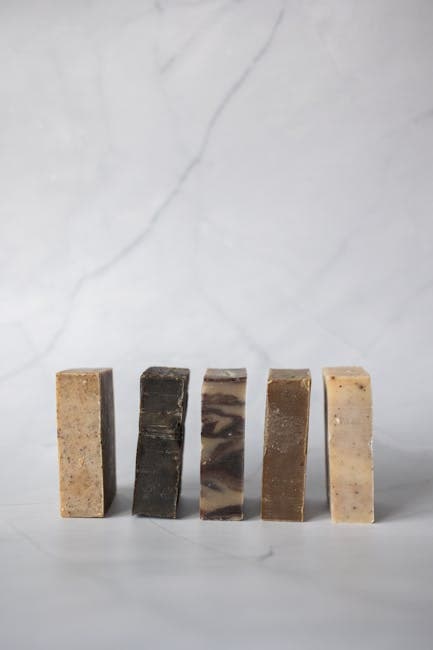
After curing, wrap in wax paper or shrink wrap for storage. Goat milk soap has a shelf life of about 12 months if stored properly. The extra fats from the milk can cause it to develop DOS (dreaded orange spots) faster than regular soap if stored in humid conditions, so keep it dry.
💬 Frequently Asked Questions
Can I use store-bought pasteurized goat milk?
Yes. Pasteurized goat milk from the grocery store works just fine. The pasteurization process removes some beneficial bacteria but doesn't significantly change the soap-making properties. Fresh raw milk gives slightly richer bars, but the difference is subtle.
How much goat milk do I use instead of water?
Replace 100% of the water weight with goat milk. Whatever the calculator says for water, use that same weight in frozen goat milk. Some soapmakers use a 50/50 split (half water, half milk) for an easier process, but full milk replacement gives the creamiest bars.
Can I use goat milk powder instead of liquid milk?
Yes. Reconstitute the powder according to package directions, then freeze it. Alternatively, you can add dry goat milk powder directly to your oils before adding the lye-water solution. Use about 1 tablespoon of powder per pound of oils if going that route.
Why does my goat milk soap smell bad at first?
The lye-milk reaction produces a strong ammonia-like smell that's completely normal. It fades within 24-48 hours and is completely gone by the time the soap is cured. Make soap near an open window or use a fan for ventilation.
Do I need to add extra superfat for goat milk soap?
The milk fats add a small amount of extra superfat naturally, but it's not enough to rely on. Use your standard 5-6% superfat in the Soaply calculator and treat any milk fat as a bonus. Going too high on superfat (over 8%) combined with milk can make bars that are too soft or develop rancidity faster.
Can I combine goat milk with other milks?
Yes. Coconut milk, buttermilk, and even heavy cream can be blended with goat milk. Each adds slightly different properties. Coconut milk adds extra lather, buttermilk increases lactic acid content, and cream adds richness. Use the same freezing and slow-lye method for any milk combination.
Ready to Make Your First Batch?
Goat milk soap is one of the most rewarding recipes you can make. The bars feel noticeably different from regular soap, and they make impressive gifts. Start with the recipe above, use the Soaply calculator for your exact lye and liquid amounts, and remember: freeze the milk, go slow with the lye, and don't overheat.
For more milk soap techniques, check out our complete milk soap guide. If you're brand new to soap making, start with the beginner's guide first.
Ready to Try It?
Use our free soap calculator to create your perfect recipe with real-time property predictions.
Open Calculator