Does Handmade Soap Expire? Shelf Life, Storage, and When to Toss It
Learn how long handmade soap lasts, what causes it to go bad, and 7 storage tips to extend shelf life. Spot dreaded orange spots before they ruin your batch.
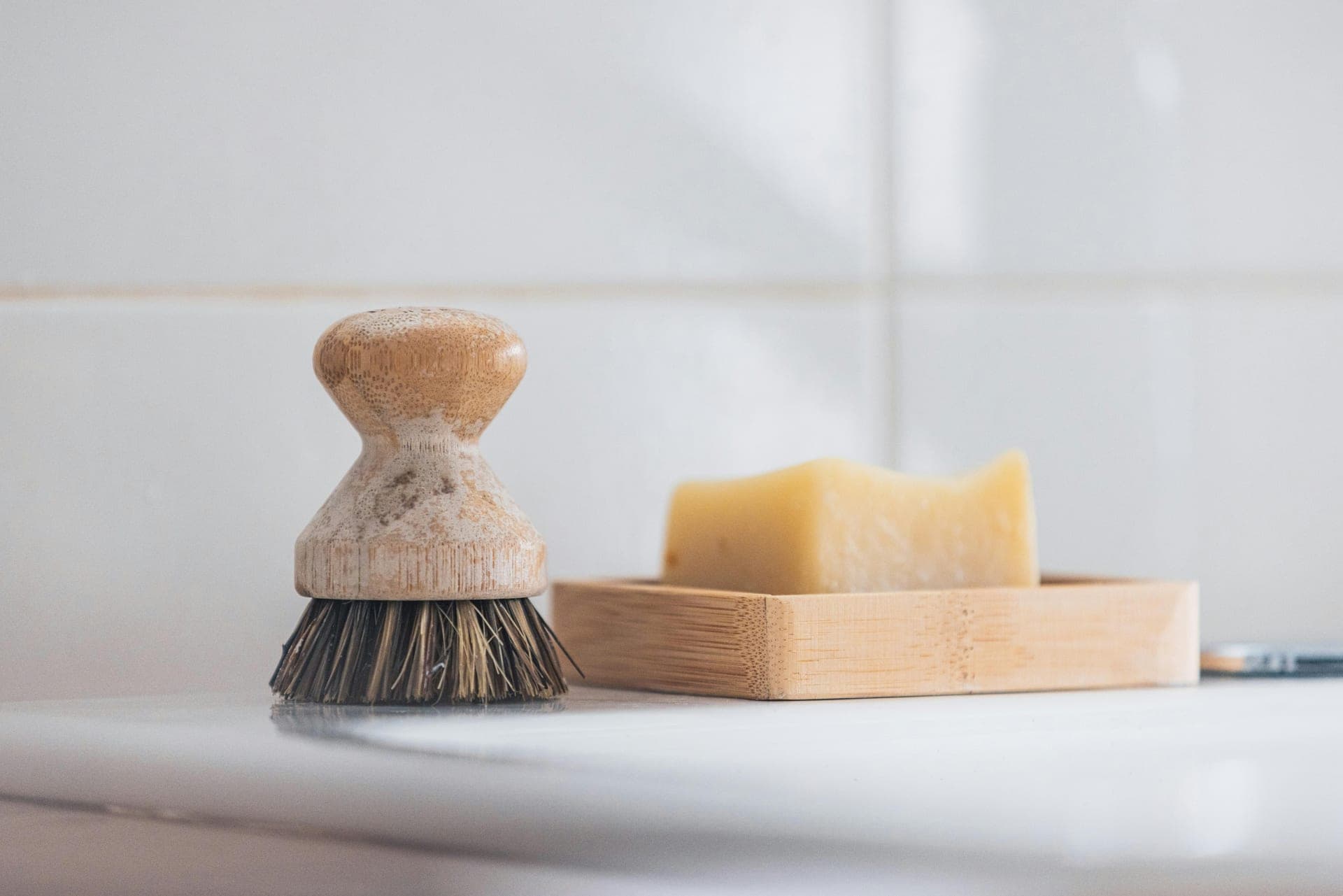
You've got a stash of gorgeous handmade bars sitting on a shelf, and now you're wondering: will they actually go bad? The short answer is yes, sort of. Handmade soap doesn't spoil the way food does, but it can degrade over time. Most cold process bars stay at their best for 12 to 18 months, with proper storage stretching that window to two years or more.
- How Long Does Handmade Soap Actually Last?
- What Makes Soap Go Bad?
- What Are Dreaded Orange Spots (DOS)?
- Which Oils Have the Shortest Shelf Life?
- Does Superfat Percentage Affect Shelf Life?
- 7 Storage Tips to Maximize Shelf Life
- How to Tell If Your Soap Has Gone Bad
- Shelf Life for Sellers: What You Need to Know
- Frequently Asked Questions
How Long Does Handmade Soap Actually Last?
It depends on your recipe and how you store it. Here's a general breakdown:
| Soap Type | Typical Shelf Life |
| ----------- | ------------------- |
| Cold process (standard oils) | 12-24 months |
| Hot process | 12-24 months |
| Milk soaps (goat milk, coconut milk) | 6-12 months |
| Soaps with fresh additives (purees, juices) | 6-12 months |
| Castile soap (100% olive oil) | 2-5 years |
| Melt and pour | 1-2 years |
Castile soap is the outlier here. Because olive oil is relatively stable and the bar gets harder and milder with age, many soapmakers consider older castile bars superior to fresh ones. Some folks intentionally age them for a year or more before using them.
Milk soaps and bars with fresh ingredients sit on the other end. The sugars and proteins in milk can accelerate rancidity, so you'll want to use these within a year.
What Makes Soap Go Bad?
Handmade soap doesn't contain preservatives like commercial bars. That's one of its selling points, but it also means the clock is ticking from the moment you unmold. Three main forces work against your soap:
Oxidation. The unsaponified oils in your soap (the superfat) react with oxygen over time. This is the same process that makes cooking oils go rancid in your pantry. It changes the smell, color, and texture of your bars.
Light exposure. UV light breaks down natural colorants and accelerates oil oxidation. That's why soap stored on a sunny windowsill fades faster than bars kept in a dark closet.
Moisture. Humidity is the enemy. Excess moisture can cause glycerin dew (those little droplets on the surface), encourage mold growth in bars with botanical additives, and soften your bars prematurely.
What Are Dreaded Orange Spots (DOS)?
If you've been making soap for any length of time, you've probably heard of DOS. These small orange or yellow spots that appear on the surface of your bars are a telltale sign of rancidity. They're caused by unsaponified oils oxidizing, and they usually come with an unpleasant, musty smell.
DOS doesn't make soap dangerous to use, but it does affect the scent and appearance. For sellers, it means those bars can't go to market.
Common triggers for DOS include:
- Using old or improperly stored oils. If your base oils were already past their prime, the soap starts at a disadvantage.
- High superfat percentages. More free oil means more oil available to oxidize.
- Metallic contamination. This is actually the biggest trigger many soapmakers overlook. Trace amounts of metals (from tap water, certain colorants, or metal utensils) act as catalysts for oxidation. Always use distilled water and stainless steel tools.
- Warm, humid storage. Heat and moisture accelerate every chemical reaction, including rancidity.
Which Oils Have the Shortest Shelf Life?
Your recipe choice is the single biggest factor in how long your soap lasts. Oils high in linoleic and linolenic fatty acids are more prone to oxidation. Here's how common soap making oils stack up:
| Oil | Shelf Life | Rancidity Risk |
| ----- | ----------- | ---------------- |
| Coconut oil | 2+ years | Low |
| Palm oil | 1-2 years | Low |
| Olive oil | 1-2 years | Low-Medium |
| Shea butter | 1-2 years | Low |
| Castor oil | 1 year | Low-Medium |
| Sweet almond oil | 6-12 months | Medium |
| Avocado oil | 6-12 months | Medium |
| Sunflower oil | 6-9 months | High |
| Grapeseed oil | 3-6 months | High |
| Hemp seed oil | 3-6 months | High |
| Flaxseed oil | 3-6 months | Very High |
If your recipe relies heavily on oils from the bottom of that table, you're working with a shorter timeline. That doesn't mean you should avoid them entirely. Hemp seed oil and grapeseed oil bring great skin benefits. Just keep them below 10-15% of your total recipe and plan to use those bars sooner.
You can run any combination of oils through our free soap calculator to see exactly how your recipe's fatty acid profile shapes up. The balance of oleic, linoleic, and linolenic acids in your formula directly affects longevity.
Does Superfat Percentage Affect Shelf Life?
Yes, and it's a tradeoff worth understanding. Superfat is the percentage of oils in your recipe that don't get converted to soap. Those free oils make your bars more moisturizing, but they're also the oils most vulnerable to going rancid.
- 0-2% superfat: Maximum shelf life, but bars may be drying on skin.
- 3-5% superfat: Good balance between shelf life and skin feel. This is the sweet spot for most recipes.
- 6-8% superfat: Extra moisturizing, but shorter shelf life. Best for soaps you'll use within 6-12 months.
- Above 8%: Noticeably shorter shelf life. Great for personal use bars you'll go through quickly, but risky for inventory that sits.
If you're formulating for a longer shelf life, keep your superfat at 5% or below and pair it with stable base oils like coconut oil, olive oil, and shea butter. Our superfat guide goes deeper into how to dial in the right percentage for your goals.
7 Storage Tips to Maximize Shelf Life
Whether you're stashing bars for personal use or holding inventory for a business, these tips will help your soap last as long as possible:
1. Keep It Cool and Dry
Store bars at room temperature (60-75°F) in a space with low humidity. Avoid bathrooms, laundry rooms, and kitchens where moisture levels swing. A bedroom closet or dedicated storage shelf works well.
2. Block Light Exposure
Keep bars out of direct sunlight and away from fluorescent lighting. Both accelerate oxidation and fade natural colorants. A closed cabinet or cardboard box is ideal.
3. Allow Airflow
Never store soap in airtight containers. Bars need to breathe, especially during and after curing. Use open shelves, wooden crates, or cardboard boxes with the lid off.
4. Wrap Smart
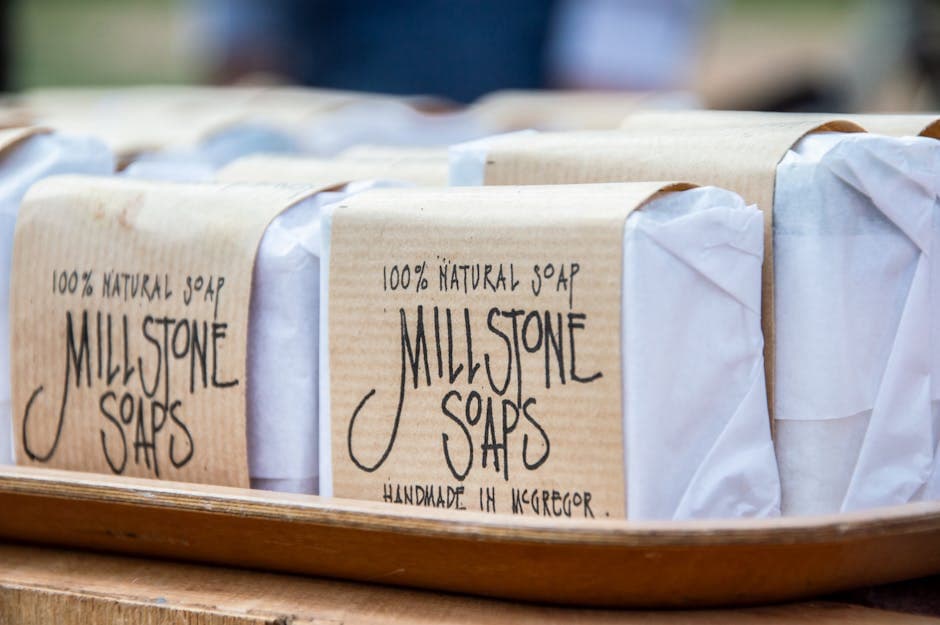
If you need to wrap bars (for gifting or selling), wait until they're fully cured (at least 4-6 weeks for cold process). Use breathable materials like kraft paper, wax paper, or shrink wrap bands that leave the ends open. Avoid plastic wrap that seals out all air.
5. Use Distilled Water in Your Recipe
Tap water contains trace minerals and metals that catalyze oxidation. Switching to distilled water is one of the cheapest ways to extend your soap's shelf life.
6. Add Rosemary Oleoresin Extract (ROE)
ROE is a natural antioxidant that slows down oil oxidation. It's not a preservative in the traditional sense, but it does help prevent DOS. Add it at about 0.02-0.05% of your total oil weight at trace.
7. Rotate Your Stock
If you're a seller, practice first-in-first-out (FIFO) inventory management. Label each batch with the date it was made, and sell older bars first. This sounds obvious, but it's easy to let newer, prettier batches jump the queue.
How to Tell If Your Soap Has Gone Bad
Not every change in appearance means your soap is ruined. Here's what to watch for:
Normal Aging (Still Safe to Use)
- Soda ash: A white, powdery film on the surface. Purely cosmetic. You can wash it off or steam it away.
- Glycerin dew: Small, clear droplets on the surface. Happens in humid conditions. Wipe them off and improve storage.
- Color fading: Natural colorants (especially herbs and clays) may shift over time. This doesn't affect performance.
- Scent fading: Fragrance naturally weakens. The soap still cleans just as well.
Warning Signs (Consider Tossing)
- Orange or yellow spots (DOS): Rancid oil pockets. Small spots on one bar? You can cut them away. Widespread DOS across a batch means the oils have turned.
- Off smell: A stale, crayon-like, or "old grease" smell means oxidation has progressed too far.
- Mold: Green, black, or fuzzy growth. This is rare in properly made soap (the high pH discourages mold), but it can happen with botanical additives that hold moisture. Toss it.
- Texture changes: If bars become slimy, mushy, or crumbly, something went wrong in the formulation or storage.
Shelf Life for Sellers: What You Need to Know
If you're selling handmade soap, shelf life isn't just a quality issue. It's a customer trust issue. Here are some practical guidelines:
Label your batches. Include a "best by" date or a manufacture date on every bar. Most soapmakers use a 12-month window from the production date.
Test your recipes. Before scaling up, make a test batch and let it sit for 6+ months. Check for DOS, scent retention, and texture changes. Not every recipe ages the same way.
Choose stable formulas. For products that'll sit in inventory, lean toward recipes built on coconut oil, olive oil, palm oil, and shea butter. Save the exotic, short-shelf-life oils for made-to-order items.
Package thoughtfully. Our guide on how to package handmade soap covers breathable wrapping options that protect without trapping moisture. Kraft paper and cigar bands are popular choices that look professional and let the soap breathe.
Control your environment. If you're storing large quantities, consider investing in a dehumidifier for your curing and storage area. Consistent temperature and humidity make a huge difference at scale.
Run your production recipes through the Soaply calculator to fine-tune oil ratios and superfat levels for maximum shelf stability. Small adjustments, like swapping 10% of a high-linoleic oil for shea butter, can add months to your bars' usable life.
💬 Frequently Asked Questions
Can you use soap that's 5 years old?
It depends on the soap. Castile (100% olive oil) bars can actually improve with age and may still be excellent after 5 years. Most other cold process soaps will have lost their scent and may have developed DOS by that point. If it smells fine and shows no orange spots or mold, it's still safe to use, but the quality won't match a fresh bar.
Does adding fragrance oil affect soap shelf life?
Fragrance oils themselves don't cause rancidity, but they do fade over time. Heavier, resinous scents (vanilla, patchouli) tend to stick longer than light, citrus-based fragrances. If scent longevity is important, use fragrance at the higher end of the recommended range and choose scents known for staying power.
Is dreaded orange spots (DOS) dangerous?
No. DOS is an aesthetic and scent issue, not a safety hazard. The rancid oil pockets aren't harmful to your skin, but they do smell bad and look unappealing. If only a small area is affected, you can cut it away and use the rest of the bar. Widespread DOS means the whole batch has turned, and those bars are better off discarded.
How should I store soap in a humid climate?
Use a dehumidifier in your storage area and keep bars on open wire racks for maximum airflow. Avoid enclosed spaces like plastic bins. You can also use silica gel packets near (not touching) your bars to absorb excess moisture. Wrapping in wax paper provides a light barrier without trapping humidity.
Does the cure time affect how long soap lasts?
Yes. Properly cured soap (4-6 weeks minimum for cold process) is harder, milder, and more resistant to degradation. Cutting the cure short leaves excess moisture in the bar, which can lead to premature softening and rancidity. Check out our curing guide for the full breakdown on why patience pays off.
Your soap's shelf life starts with the recipe. Use the Soaply calculator to build formulas with stable oils, balanced superfat, and the right lye concentration for bars that look and smell great for months after you make them.
Ready to Try It?
Use our free soap calculator to create your perfect recipe with real-time property predictions.
Open Calculator