Best Soap Molds for Beginners: Silicone, Wood, and Individual Cavity
A practical guide to choosing soap molds for cold process, hot process, and melt-and-pour. Covers silicone loaf molds, wooden molds, individual cavity molds, and DIY options.
Your choice of mold affects how your soap looks, how easily it releases, and whether you need to cut bars by hand. The right mold depends on what kind of soap you make, how many bars you want per batch, and how much you want to spend.
This guide breaks down every common mold type with honest pros and cons so you can pick the right one for your setup.
- Silicone Loaf Molds
- Wooden Loaf Molds
- Individual Cavity Silicone Molds
- Slab Molds
- DIY and Improvised Molds
- Mold Materials to Avoid
- Which Mold for Which Soap Method
- Mold Size and Batch Calculation
- Frequently Asked Questions
Silicone Loaf Molds
Silicone loaf molds are the most popular choice for cold process soapers, and for good reason. They are flexible, nonstick, and require no lining.
Pros:
- No lining needed. Soap pops right out once hardened.
- Easy to clean. Dishwasher safe or a quick hand wash.
- Available in many sizes from small (1 lb) to large (5+ lb).
- Affordable. A quality silicone loaf mold runs $15-25.
- Transparent versions let you monitor gel phase from the sides.
Cons:
- Silicone is flexible, which means the mold can bow or bulge when filled with heavy batter. A cardboard box or wooden frame around the outside solves this.
- Silicone insulates heat differently than wood. It can be harder to achieve full gel phase without insulating the mold with towels.
- After many uses, some silicone molds develop a slight residue or lose their nonstick quality. Wiping with rubbing alcohol between uses helps.
Best for: Beginners making cold process soap. The ease of unmolding alone makes silicone the top recommendation for your first mold.
Wooden Loaf Molds
Wooden molds are the traditional choice and still preferred by many experienced soapers. They produce clean, professional-looking loaves and provide natural insulation for gel phase.
Pros:
- Rigid walls mean no bowing or bulging, even with large batches.
- Wood insulates heat naturally, promoting even gel phase throughout the bar. This gives more consistent color and texture.
- Durable. A well-made wooden mold lasts for years.
- Professional look. If you sell soap, a wooden mold produces uniform, clean-edged loaves.
Cons:
- Must be lined with freezer paper, parchment, or a silicone liner before each use. Lining takes practice to get smooth.
- More expensive ($30-60 for a quality hardwood mold with liner).
- Heavier and bulkier to store.
- If not properly lined or maintained, moisture can warp the wood over time.
Best for: Soapers who want consistent gel phase, sell their soap, or make large batches regularly. Also great if you find silicone molds too floppy.
Tip: Many modern wooden molds come with a fitted silicone liner insert, giving you the rigidity of wood with the easy release of silicone. These hybrid molds are an excellent investment if you plan to make soap regularly.
Individual Cavity Silicone Molds
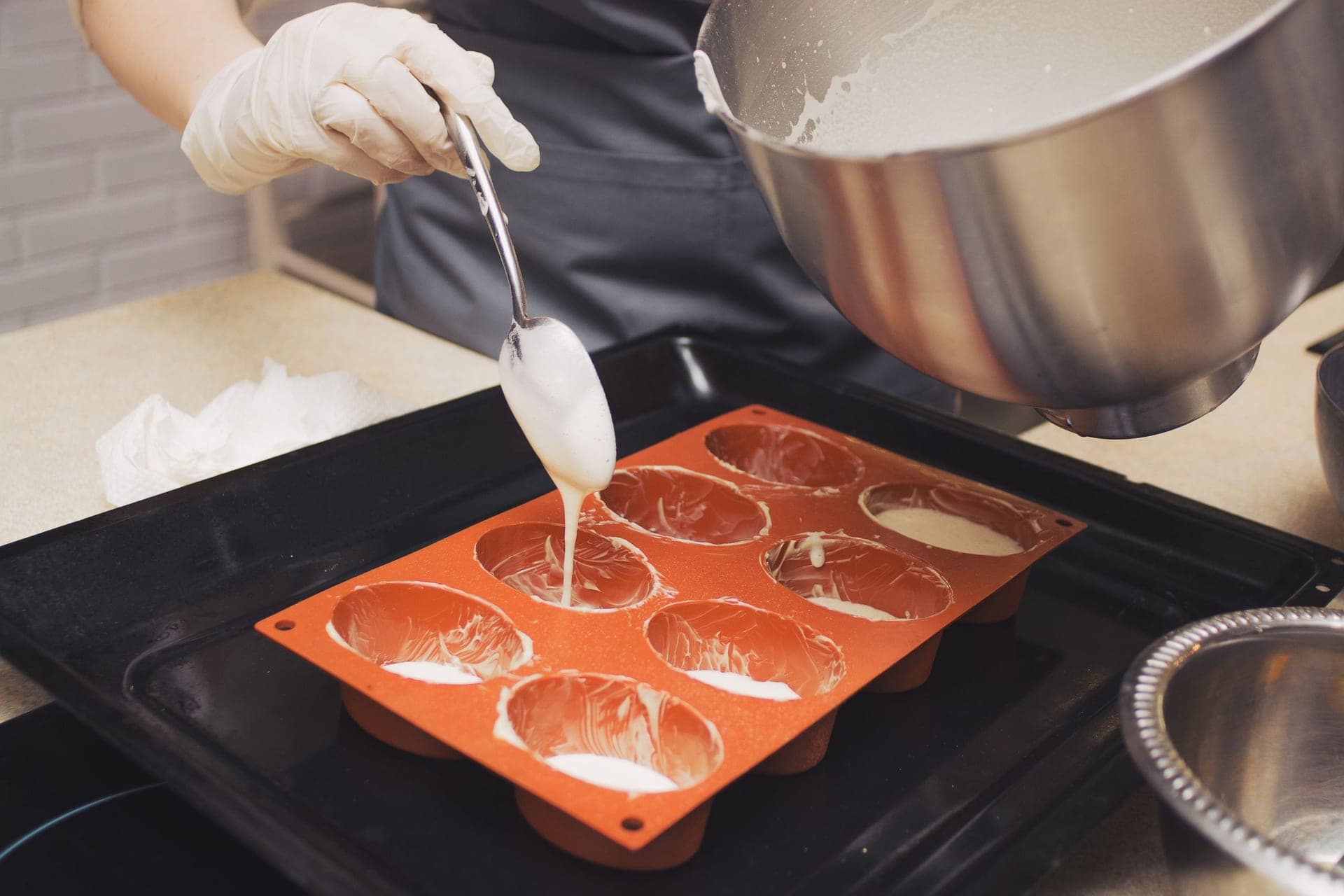
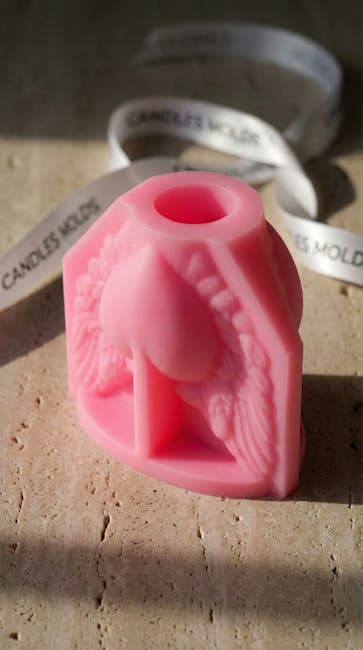
Individual cavity molds produce single bars that need no cutting. Each cavity is a separate bar shape: rectangles, ovals, rounds, or decorative designs.
Pros:
- No cutting required. Each bar comes out ready to cure.
- Uniform bar sizes every time.
- Available in hundreds of shapes and designs.
- Great for melt-and-pour soap, guest soaps, and gifts.
Cons:
- Filling multiple cavities is slower than pouring into a single loaf.
- Harder to do layered designs, swirls, or in-the-pot techniques that require pouring into one open mold.
- Small cavities can make it difficult to work with cold process batter that traces quickly.
- Need a flat, rigid surface underneath (like a baking sheet) to move the filled mold without spilling.
Best for: Melt-and-pour soapers, anyone making shaped or themed soaps, and people who dislike cutting bars.
Slab Molds
Slab molds are wide, shallow trays that produce a large flat sheet of soap. You score and cut the sheet into individual bars after unmolding.
Pros:
- Produce many bars from one pour (20-30+ bars depending on size).
- Great for production soapers making large quantities.
- Flat surface is perfect for embedding tops with botanicals, glitter, or stamps.
- Wide opening gives lots of room for swirl techniques.
Cons:
- Large. You need counter space and shelf space for curing.
- Require a significant batch size to fill (often 5-10 lbs of oils).
- More cutting work since you cut in two directions (rows and columns).
- Expensive for quality versions ($50-100+).
Best for: Experienced soapers making large batches, production soapers, or anyone selling at markets.
DIY and Improvised Molds
You do not need to buy a purpose-made soap mold to start making soap. Many household items work perfectly.
Lined cardboard boxes are the classic beginner mold. Find a sturdy box, line it with freezer paper (shiny side in), and pour. Shoe boxes, small shipping boxes, and even milk cartons work. The downside is they are single-use and sometimes leak at the seams.
Silicone baking pans from kitchen stores work well for soap. Loaf pans, muffin tins, and brownie pans all produce usable shapes. Make sure they are 100% silicone (not silicone-coated metal) so you can flex them to release the soap.
Pringles cans produce perfectly round bars. Line with parchment, pour, and peel away the cardboard once the soap has hardened. A popular trick for round guest soaps.
PVC pipe (3-4 inch diameter) capped at one end makes cylindrical bars. Line with freezer paper or spray with a light coating of cooking spray for easier release.
Mold Materials to Avoid
Glass. Soap batter heats up during saponification and can crack glass. Lye also etches glass over time. Never use glass baking dishes as soap molds.
Tin and aluminum. Lye reacts with aluminum, producing hydrogen gas and potentially ruining your soap. Tin can also react. Stick to silicone, wood (lined), plastic, or stainless steel.
Thin, flimsy plastic. The heat from saponification can warp thin plastic containers. Use heavy-duty HDPE or polypropylene if going the plastic route.
Which Mold for Which Soap Method
| Soap Method | Best Mold Types |
| ------------ | ---------------- |
| Cold process | Silicone loaf, wooden loaf, slab mold |
| Hot process | Silicone loaf (easy cleanup), individual cavities |
| Melt and pour | Individual cavity silicone, silicone loaf |
| Rebatch | Silicone loaf, individual cavity |
Cold process soap needs a mold that can handle heat and allow the soap to sit undisturbed for 24-48 hours. Wooden and silicone loaf molds are ideal.
Hot process soap is thicker and harder to pour smoothly, so wide-mouth molds work better. Individual cavities work if you spoon the soap in rather than pouring.
Melt and pour soap sets quickly and does not generate much heat, so almost any mold works. Individual cavities are popular because the soap releases easily and produces shaped bars without cutting.
Mold Size and Batch Calculation
To figure out how much soap batter your mold holds, calculate its volume:
Length x Width x Height (in inches) = cubic inches
Multiply cubic inches by 0.4 to get approximate ounces of oils needed. This rough formula accounts for the water and lye in the batter.
For example, a mold that measures 8" x 3.5" x 2.5" = 70 cubic inches. 70 x 0.4 = 28 oz of oils for a full mold.
Use the Soaply calculator to dial in exact oil, lye, and water amounts once you know your total oil weight. The calculator handles all the math for lye concentration, superfat, and water ratios.
Tips for Better Unmolding
- Wait long enough. Cold process soap with high olive oil content may need 48-72 hours before unmolding. Coconut-heavy recipes can unmold in 24 hours. See our curing guide for details.
- Sodium lactate added to your cooled lye solution (1 tsp per pound of oils) significantly hardens cold process soap and makes unmolding easier. It is the single best additive for clean release.
- Freeze stubborn soap. If soap will not release from a silicone mold, place it in the freezer for 1-2 hours. The slight contraction usually pops it free.
- Line wooden molds carefully. Smooth out wrinkles in your freezer paper lining before pouring. Wrinkles transfer to the soap surface and require trimming.
💬 Frequently Asked Questions
Do I need to grease silicone molds?
No. Silicone is naturally nonstick for soap. Adding oils or cooking spray can interfere with the soap surface and cause cosmetic issues. Just pour directly into a clean, dry silicone mold.
How many bars does a standard loaf mold make?
A typical silicone loaf mold (8-10 inches long) produces 8-10 bars when cut at 1-inch thickness, or 6-8 bars at 1.25 inches. The exact count depends on the mold width and your preferred bar thickness.
Can I use the same mold for food after making soap in it?
No. Once a mold has been used for soap (which contains lye), dedicate it to soap making only. Even after thorough washing, trace amounts of lye residue can remain in porous materials.
What size mold should a beginner buy?
Start with a silicone loaf mold that holds about 2-3 lbs of oils. This makes 8-10 bars per batch, enough to be satisfying without wasting ingredients if something goes wrong. As you gain confidence, add a larger mold or a slab mold.
How do I prevent soda ash on my soap?
Soda ash (the white powdery coating on cold process soap) forms when unsaponified lye reacts with carbon dioxide in the air. Spraying the top of your soap with 91% isopropyl alcohol immediately after pouring helps prevent it. Covering the mold with a lid or plastic wrap also reduces air exposure during the first 24 hours.
Pick Your Mold and Start Making Soap
For most beginners, a silicone loaf mold in the 2-3 lb range is the right first purchase. It is inexpensive, forgiving, and works well for cold process, hot process, and melt-and-pour soap.
Once you have your mold, use the Soaply calculator to build a recipe sized to your mold volume. If you are new to cold process, start with our beginner's guide for step-by-step instructions, or browse our oil guide to pick the right fats for your first batch.
Ready to Try It?
Use our free soap calculator to create your perfect recipe with real-time property predictions.
Open Calculator