Essential Oils vs Fragrance Oils for Soap: Which Should You Use?
Compare essential oils and fragrance oils for soap making. Learn the pros, cons, costs, safety tips, scent retention, and when to use each type in your recipes.
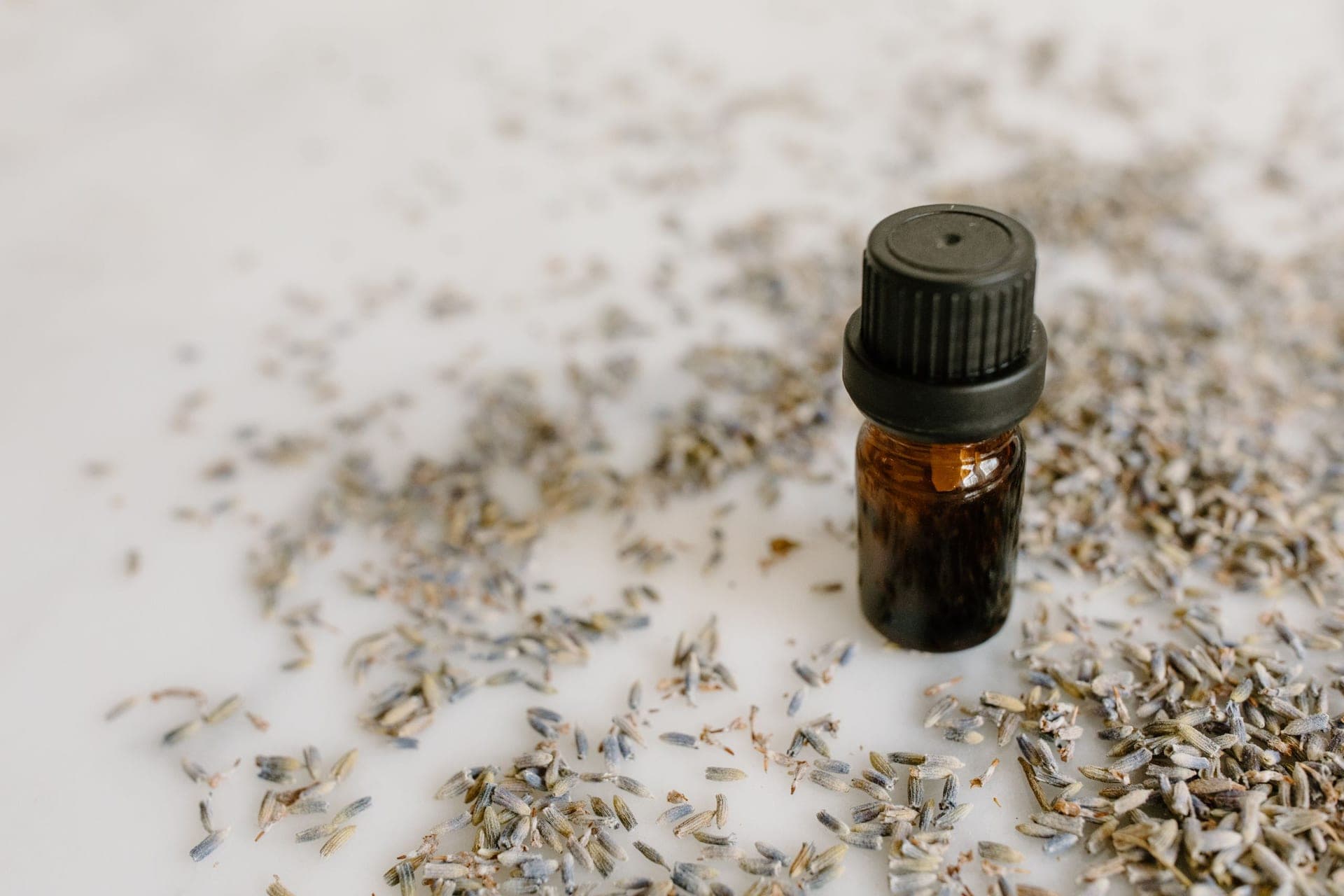
One of the most debated topics in soap making: should you use essential oils (EOs) or fragrance oils (FOs)? Both have loyal fans, and both have real trade-offs. Let's break it down so you can make an informed choice.
- What Are Essential Oils?
- What Are Fragrance Oils?
- Head-to-Head Comparison
- The Cost Reality
- Scent Performance in Cold Process Soap
- Safety Considerations
- When to Choose Essential Oils
- When to Choose Fragrance Oils
- The Hybrid Approach
- Impact on Soap Behavior
- The Bottom Line
- Frequently Asked Questions
What Are Essential Oils?
Essential oils are concentrated plant extracts obtained through steam distillation, cold pressing, or CO2 extraction. They carry the natural scent and beneficial compounds of their source plant.
Examples: Lavender, tea tree, peppermint, eucalyptus, lemongrass, rosemary
Key characteristics:
- 100% derived from plants
- Complex scent profiles with natural variation
- Contain therapeutic compounds
- Limited scent palette (only what nature provides)
- Batch-to-batch variation is normal
What Are Fragrance Oils?
Fragrance oils are synthetic or semi-synthetic scent compounds created in a lab. They can mimic natural scents or create entirely new ones that don't exist in nature.
Examples: "Fresh Linen," "Ocean Breeze," "Birthday Cake," "Leather," "Rain"
Key characteristics:
- Engineered for consistency and strength
- Virtually unlimited scent options
- Consistent batch to batch
- May contain natural isolates blended with synthetics
- Specifically formulated for soap/candle use
Head-to-Head Comparison
| Factor | Essential Oils | Fragrance Oils |
| -------- | --------------- | ---------------- |
| Source | Plants | Lab-created |
| Scent variety | Limited to plants | Unlimited |
| Consistency | Varies by batch | Very consistent |
| Cost | $$ to $$$$ | $ to $$ |
| Scent strength in soap | Often fades | Usually strong |
| Therapeutic claims | Some (with caveats) | None |
| Customer appeal | "Natural" market | Broader market |
| Safety data | IFRA + traditional use | IFRA compliant |
| Soap behavior | Can accelerate/discolor | Varies, usually tested |
The Cost Reality
Essential oils can be significantly more expensive, especially for popular scents:
| Oil | EO Price (per oz) | FO Equivalent (per oz) |
| ----- | ------------------- | ---------------------- |
| Lavender | $4-8 | $1-3 |
| Peppermint | $3-6 | $1-2 |
| Rose | $50-200+ | $2-4 |
| Vanilla | N/A (extract, not EO) | $2-4 |
| Lemon | $3-5 | $1-2 |
| Sandalwood | $30-80 | $2-5 |
Per bar cost example (4 oz bar at 6% fragrance load):
- Lavender EO: ~$0.80-1.60 per bar
- Lavender FO: ~$0.20-0.60 per bar
That difference adds up fast across hundreds of bars.
Scent Performance in Cold Process Soap
This is where fragrance oils often win. The high pH environment of saponification is harsh on delicate scent molecules.
Essential Oils in CP Soap
- Top notes fade fast: Citrus (lemon, orange, grapefruit) are notorious for fading during cure
- Middle notes hold okay: Lavender, rosemary, clary sage retain moderately well
- Base notes hold best: Cedarwood, patchouli, vetiver, clove
Tip: Blend top notes with base notes (anchors) to improve longevity. Add clay to help "fix" scent.
Fragrance Oils in CP Soap
- Specifically formulated to survive saponification
- Most reputable suppliers test FOs in CP soap
- Look for "CP tested" or "Behaves well in CP" on product pages
- Scent strength is usually excellent after cure
The Fading Problem
Many new soapmakers are disappointed when their beautiful lavender EO soap smells like... nothing after 6 weeks. This is the #1 complaint about essential oils in soap.
Solutions for EO fading:
- Use at maximum safe rate
- Blend with anchoring base notes
- Add kaolin clay (1 tsp per pound of oils) as a fixative
- Accept that EO soap will have a subtler scent
Safety Considerations
Both types require safety awareness, but the specifics differ.
Essential Oil Safety
- Highly concentrated. Some can burn skin undiluted
- Phototoxic oils (cold-pressed citrus) can cause sun sensitivity
- Pregnancy cautions for certain oils (clary sage, rosemary)
- Maximum usage rates vary significantly by oil
- Cinnamon bark & clove are common sensitizers, so use sparingly
| Essential Oil | Max in Soap |
| --------------- | ------------- |
| Lavender | 5% |
| Peppermint | 3% |
| Tea Tree | 3% |
| Cinnamon Bark | 0.5% |
| Clove Bud | 0.5% |
| Lemon (cold-pressed) | 3% (phototoxic) |
Fragrance Oil Safety
- IFRA compliance. Reputable suppliers provide safety data sheets
- Designed for cosmetic use. Formulated within safe limits
- Allergen labeling. EU regulations require listing potential allergens
- Skin-safe grades. Always use body-safe FOs, not candle-only
Important: Never use candle fragrance oils in soap. They're not formulated for skin contact. (If you also make candles, WickSuite can help you manage those separately.)
When to Choose Essential Oils
Use EOs when:
- Marketing to the "all-natural" customer segment
- Making therapeutic or aromatherapy soap
- You want to label soap as "naturally scented"
- Making soap with base-note scents (cedarwood, patchouli)
- Creating a premium, artisan product line
- Personal values align with plant-based ingredients
Common EO Blends That Hold Well in Soap
- Lavender + Cedarwood: floral with woody anchor
- Peppermint + Rosemary: invigorating and lasting
- Tea Tree + Eucalyptus: medicinal, stays strong
- Lemongrass + May Chang: citrusy, better retention than lemon
- Patchouli + Orange: earthy-sweet classic
When to Choose Fragrance Oils
Use FOs when:
- You want strong, lasting scent
- Creating "fantasy" scents (baked goods, ocean, etc.)
- Cost per bar matters
- Consistency across batches is important
- Your customers care more about scent than "natural" labeling
- Selling at craft fairs where scent draws people to your booth (find fairs on TheCraftMap)
Popular FO Categories for Soap
- Bakery: Vanilla, cinnamon bun, honey
- Fresh: Clean cotton, rain, cucumber melon
- Floral: Rose garden, jasmine, lily of the valley
- Masculine: Leather, tobacco, sandalwood
- Seasonal: Pumpkin spice, Christmas tree, fresh snow

The Hybrid Approach
Many successful soapmakers use both, and this is often the smartest strategy.
How to Blend EOs and FOs
- Use an EO as the "star" scent
- Add a complementary FO for strength and longevity
- Example: Lavender EO (60%) + Vanilla FO (40%)
Labeling Considerations
If you blend EOs and FOs, you cannot label the soap as "naturally scented." Be transparent:
- "Scented with essential oils and fragrance oils"
- "Lavender essential oil with vanilla fragrance"
Honesty builds trust with customers.
Impact on Soap Behavior
Acceleration (Speeds Up Trace)
Some scents cause soap to thicken rapidly:
- EO offenders: Clove, cinnamon, ylang ylang
- FO offenders: Floral, spice, and vanilla-heavy blends
Tip: Test new scents in small batches first. If it accelerates, soap cooler and skip the stick blender after adding.
Discoloration
- Vanilla (vanillin content): Will turn soap brown over time. This affects FOs more than EOs
- Some EOs (like chamomile) can add color
Making the Decision
Ask yourself these questions:
- Who is my customer? Natural-focused → EOs. Scent-focused → FOs.
- What is my price point? Budget-friendly → FOs. Premium → EOs.
- What scent do I want? Plant-based → EOs. Fantasy → FOs.
- Do I need consistency? Yes → FOs. Some variation okay → EOs.
Calculate Your Costs
Use our Soaply fragrance calculator to figure out exact amounts for either type. Enter your total oil weight, select your desired strength, and get precise measurements.
Our cost calculator can also help you compare the per-bar cost difference between EO and FO options for your specific recipes.
The Bottom Line
There is no wrong answer. Essential oils offer natural appeal and aromatherapy benefits. Fragrance oils offer variety, strength, and value. The best soapmakers understand both and choose strategically based on their product line and customers.
Start experimenting, keep notes on what works, and let your nose (and your customers) guide you!
💬 Frequently Asked Questions
Are essential oils better than fragrance oils for soap?
Neither is inherently better. Essential oils are plant-derived and offer aromatherapy benefits, but they're more expensive and some scents fade during curing. Fragrance oils offer wider variety, stronger scent retention, and lower cost. The best choice depends on your brand positioning and budget.
Do essential oils survive the saponification process?
Most do, but scent strength varies. Woody and resinous essential oils (cedarwood, patchouli) hold up best. Citrus oils (lemon, orange) fade significantly. Using an anchor oil or adding clay as a fixative helps improve retention.
Can you mix essential oils and fragrance oils in soap?
Yes! Many soap makers blend both. You might use a lavender essential oil as the base note and add a fragrance oil for complexity. Just make sure the total fragrance load stays within safe limits. Use our fragrance calculator to get the right amount.
Are fragrance oils safe for skin?
Body-safe fragrance oils that are IFRA compliant are safe for use in soap. Always buy from reputable suppliers and check the recommended maximum usage rate. Never use candle fragrance oils in soap.
Ready to Try It?
Use our free soap calculator to create your perfect recipe with real-time property predictions.
Open Calculator