The Complete Guide to Soap Making Oils: Properties, Costs, and Best Combinations
A guide to every popular soap making oil. Learn what each oil contributes to your bars, typical usage rates, costs, and the best oil combinations.
This article contains Amazon links. As an Amazon Associate, Soaply earns from qualifying purchases at no extra cost to you.
Choosing the right oils is the single most important decision in soap making. Each oil brings unique properties to your bar (hardness, lather, conditioning, shelf life) and the art is in combining them well.
This guide covers the most popular soap making oils, what they contribute, and how to combine them for great results.
- Understanding Oil Properties
- The Essential Oils (The Big Five)
- Specialty Oils Worth Knowing
- Building a Balanced Recipe
- Five Proven Starter Recipes
- Common Mistakes with Oil Selection
- Quick Reference: Oil Properties at a Glance
- Where to Buy Soap Making Oils
- Final Thoughts
- Frequently Asked Questions
Understanding Oil Properties
Every oil affects your soap's final characteristics. Our Soaply calculator shows these as bar properties, scored on a scale:
- Hardness: How firm the bar is. Hard bars last longer in the shower.
- Cleansing: Ability to wash away oils and dirt. Too high = stripping and drying.
- Conditioning: How moisturizing the bar feels. Comes from unsaponified oils and glycerin.
- Bubbly Lather: Big, airy bubbles (think dish soap).
- Creamy Lather: Dense, lotion-like lather (think shaving cream).
- Longevity: How long the bar lasts with regular use. Related to hardness but not identical.
The ideal bar balances all of these. Extreme values in any direction usually mean problems.
The Essential Oils (The Big Five)
These five oils cover 90% of what most soap makers need:
1. Olive Oil
The workhorse of soap making.
| Property | Detail |
| ---------- | -------- |
| Usage Rate | 20-100% |
| Hardness | Low-Medium |
| Lather | Creamy, not bubbly |
| Conditioning | Excellent |
| Cost | Low-Medium |
| Shelf Life | Good |
Olive oil makes gentle, conditioning bars. At 100% (Castile soap), it produces a very mild bar with dense, creamy lather, but it takes 6-12 months to fully cure.
Most recipes use 25-50% olive oil as a base. It is inexpensive, widely available, and hard to go wrong with.
Tips:
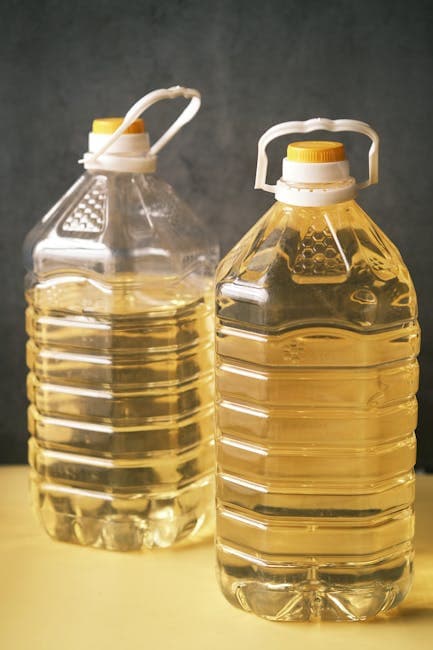
- Use "pomace" grade for soap (cheaper, traces faster than extra virgin)
- Higher percentages = longer cure time
- Pairs excellently with coconut oil for balanced bars
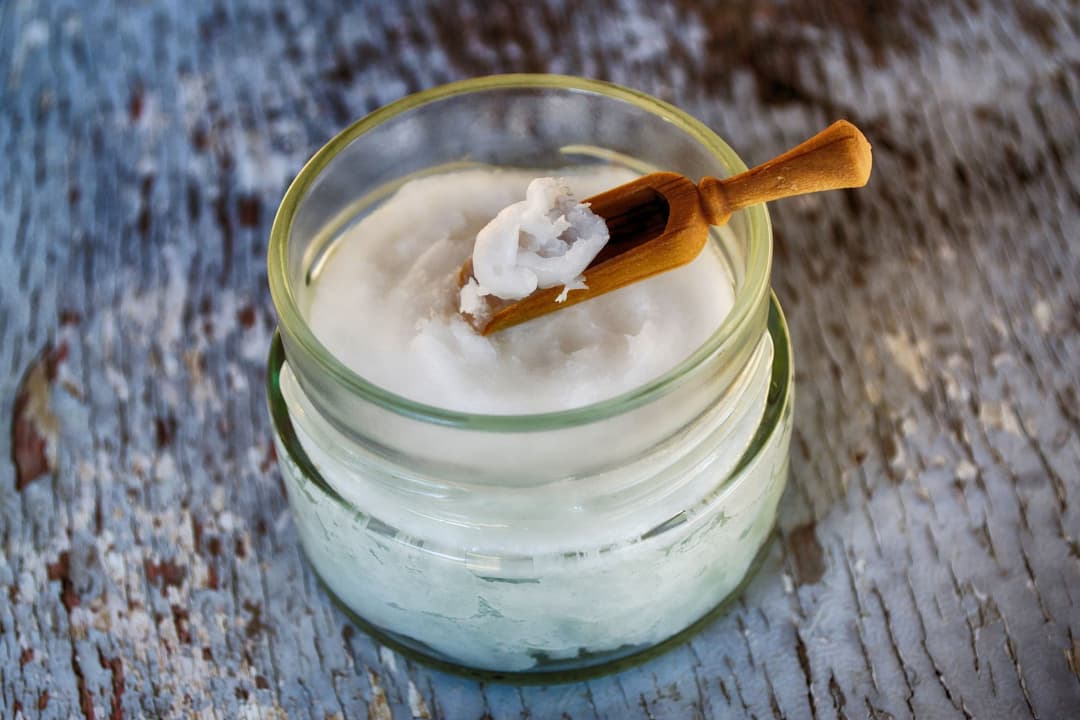
2. Coconut Oil
The lather king.
| Property | Detail |
| ---------- | -------- |
| Usage Rate | 15-30% (up to 100% for specialty bars) |
| Hardness | High |
| Lather | Very bubbly |
| Cleansing | Very high |
| Conditioning | Low |
| Cost | Low |
| Shelf Life | Excellent |
Coconut oil creates hard bars with enormous, fluffy lather. It is also the strongest cleanser, which is why you usually cap it at 25-30%. Above that, bars can feel stripping and drying.
Exception: 100% coconut oil soap with 20% superfat makes a surprisingly nice bar, popular for laundry soap or as a "sailor's soap" that lathers in salt water.
Tips:
- Use 76-degree coconut oil (solid at room temperature) for bar soap
- Fractionated coconut oil is different; it stays liquid and behaves differently in soap
- Keep at 30% or under unless you increase superfat to compensate
Buy coconut oil: Coconut Oil for Soap Making on Amazon
3. Shea Butter
Luxury conditioning.
| Property | Detail |
| ---------- | -------- |
| Usage Rate | 5-15% |
| Hardness | Medium |
| Lather | Creamy |
| Conditioning | Excellent |
| Cost | Medium |
| Shelf Life | Good |
Shea butter adds a silky, luxurious feel to soap. It contributes to creamy lather and excellent skin conditioning. It is one of those ingredients that customers immediately notice. Bars with shea butter just feel nicer.
Tips:
- Unrefined has a nutty scent that may compete with fragrances; use refined if scent matters
- Melts at a lower temperature than other hard oils, so melt gently
- Can slow trace slightly
Buy shea butter: Shea Butter for Soap Making on Amazon
4. Castor Oil
The lather booster.
| Property | Detail |
| ---------- | -------- |
| Usage Rate | 3-10% |
| Hardness | None |
| Lather | Stabilizes and boosts |
| Conditioning | Good |
| Cost | Low |
| Shelf Life | Good |
Castor oil does not do much on its own, but it amplifies the lather from other oils. A small amount (5-8%) dramatically improves both bubble size and lather stability. Almost every experienced soap maker includes it.
Tips:
- Never exceed 10%; too much makes sticky, soft soap
- 5% is the sweet spot for most recipes
- Also acts as a humectant, drawing moisture to skin
Buy castor oil: Castor Oil for Soap Making on Amazon
5. Palm Oil (or Alternatives)
The hardness bar.
| Property | Detail |
| ---------- | -------- |
| Usage Rate | 15-30% |
| Hardness | High |
| Lather | Mild, creamy |
| Conditioning | Moderate |
| Cost | Low |
| Shelf Life | Excellent |
Palm oil creates hard, long-lasting bars. It is the traditional "filler" oil that provides structure without being as stripping as coconut oil.
The sustainability question: Palm oil production is linked to deforestation. If you use it, look for RSPO-certified sustainable palm oil. Many soap makers choose palm-free recipes instead, substituting with lard, tallow, or combinations of other hard oils.
Palm-free alternatives for hardness:
- Lard or tallow (animal-based, excellent soap)
- Cocoa butter + mango butter blend
- Kokum butter
- Babassu oil (similar to coconut but gentler)
Specialty Oils Worth Knowing
Sweet Almond Oil
Lightweight, conditioning, and mild. Great at 5-15% for a gentle bar. Shorter shelf life, so use at moderate percentages.
Avocado Oil
Rich in vitamins, very conditioning. Use at 5-20%. Unrefined avocado oil gives soap a lovely green tint. More expensive but makes premium bars.
Sunflower Oil
Inexpensive and conditioning, but prone to rancidity (dreaded orange spots or DOS). Keep under 15% and use fresh oil. High-oleic sunflower is much more stable.
Rice Bran Oil
Similar to olive oil but traces faster and produces harder bars. Excellent budget substitute at 10-30%.
Jojoba Oil
Technically a liquid wax, not an oil. Very conditioning and skin-friendly. Expensive, so use at 5% max as a luxury addition.
Cocoa Butter
Hard butter that adds firmness and a subtle chocolate scent (unrefined). Use at 5-15%. Too much can inhibit lather.
Mango Butter
Similar to shea but slightly harder. Use at 5-15%. Good palm-free option for adding hardness.
Hemp Seed Oil
Very conditioning with a short shelf life. Use at 5-10% max and include an antioxidant like ROE (rosemary oleoresin extract). Gives bars a greenish color.
Babassu Oil
The "gentle coconut." Similar cleansing and hardness but less stripping. Great for sensitive skin recipes at 15-25%.
Building a Balanced Recipe
Here is a framework for creating well-balanced soap:
The Rule of Thirds (Beginner-Friendly)
- ~33% hard oils (coconut, palm, lard, tallow, butters)
- ~33% olive oil (or rice bran)
- ~33% soft oils (sweet almond, avocado, sunflower) + castor
Target Ranges for Bar Properties
| Property | Target Range | Notes |
| ---------- | ------------- | ------- |
| Hardness | 29-54 | Below 29 = mushy; above 54 = brittle/crumbly |
| Cleansing | 12-22 | Below 12 = weak; above 22 = stripping |
| Conditioning | 44-69 | Higher is more moisturizing |
| Bubbly | 14-46 | Coconut and castor drive this up |
| Creamy | 16-48 | Olive, shea, and hard fats drive this up |
| Longevity | 29-54 | Similar to hardness |
Use the Soaply calculator to check these values as you build your recipe. It calculates all properties in real time.
Five Proven Starter Recipes
1. The Classic Beginner Bar
| Oil | % |
| ----- | --- |
| Olive Oil | 40% |
| Coconut Oil | 25% |
| Palm Oil (or Lard) | 25% |
| Castor Oil | 5% |
| Shea Butter | 5% |
Balanced, forgiving, great for learning. This is the recipe most soap teachers recommend starting with.
2. Pure Luxury (No Palm)
| Oil | % |
| ----- | --- |
| Olive Oil | 35% |
| Coconut Oil | 25% |
| Shea Butter | 15% |
| Sweet Almond Oil | 10% |
| Cocoa Butter | 10% |
| Castor Oil | 5% |
Rich, conditioning, and palm-free. Produces a creamy, dense lather.
3. Budget-Friendly
| Oil | % |
| ----- | --- |
| Olive Oil (Pomace) | 45% |
| Coconut Oil | 30% |
| Rice Bran Oil | 20% |
| Castor Oil | 5% |
Four oils, all affordable. Traces faster than you might expect thanks to pomace olive and rice bran.
4. Sensitive Skin
| Oil | % |
| ----- | --- |
| Olive Oil | 50% |
| Babassu Oil | 20% |
| Shea Butter | 15% |
| Oat Oil | 10% |
| Castor Oil | 5% |
Very gentle cleansing with maximum conditioning. Allow extra cure time (6-8 weeks).
5. The Hard Bar (Great for Gifts)
| Oil | % |
| ----- | --- |
| Coconut Oil | 30% |
| Palm Oil (or Tallow) | 30% |
| Olive Oil | 25% |
| Cocoa Butter | 10% |
| Castor Oil | 5% |
Hard, long-lasting bars that look professional. Good lather balance.
Common Mistakes with Oil Selection
Using too much coconut oil. Anything over 30% will likely be drying. If you want a bubbly bar, add castor oil to boost lather instead.
Ignoring shelf life. Oils like hemp, grapeseed, and walnut go rancid quickly. Keep them under 10% and always add ROE.
Not enough hard oils. Below 25% hard oils (coconut + butters + palm/lard), your bars may be too soft to unmold for days and may never feel "solid."
Random percentages. Do not just throw oils together. Check the bar properties in a calculator. A recipe that is 50% coconut and 50% castor will be terrible. Use Soaply's calculator to verify before you mix.
Skipping castor oil. It is cheap, widely available, and makes a noticeable difference in lather at just 5%. There is almost no reason to leave it out.
Spending the budget on luxury oils. Argan, tamanu, sea buckthorn, and rosehip cost many times what olive oil does, and in a lye bath most of what makes them special is saponified away. Use them at 5% or less, or save them for a face serum where they stay intact.
Quick Reference: Oil Properties at a Glance
When you're standing in front of the shelf trying to remember which oil does what, this is the table to check. Every oil links to its full profile page with SAP values, fatty acids, and usage ranges.
| Oil | Hardness | Cleansing | Conditioning | Lather |
| --- | --- | --- | --- | --- |
| Coconut | High | High | Low | Bubbly |
| Olive | Low | Low | High | Creamy |
| Palm | High | Low | Medium | Creamy |
| Shea butter | Medium | Low | High | Creamy |
| Castor | Low | Low | High | Bubbly, stabilizes |
| Cocoa butter | High | Low | High | Low |
| Avocado | Low | Low | High | Creamy |
| Lard | High | Low | Medium | Creamy |
| Beef tallow | High | Low | Medium | Creamy |
| Babassu | High | High | Low | Bubbly |
| Rice bran | Low to medium | Low | High | Creamy |
| Sweet almond | Low | Low | High | Creamy |
Where to Buy Soap Making Oils
For hobby quantities, grocery stores work fine for olive oil, coconut oil, and castor oil. For larger batches or specialty oils:
- Amazon: Convenient for individual oils and starter kits
- Bramble Berry: Soap-specific oils with consistent SAP values
- Wholesale Supplies Plus: Good prices on bulk oils
- Nature's Garden: Competitive pricing, wide selection
Final Thoughts
Oil selection is where the science and art of soap making meet. Start with proven combinations, understand what each oil contributes, and adjust based on your goals.
The best tool for experimenting? A good calculator. Plug in your oils, check the properties, and know what your bar will be like before you mix a single ingredient.
Try different combinations in the Soaply calculator. It's free and shows you exactly how each oil affects your final bar.
Want to learn more about soap formulation? Check out our guides on superfat, lye concentration, and bar properties.
💬 Frequently Asked Questions
What percentage of each oil should I use in soap?
A balanced beginner recipe is 40% olive oil, 25% coconut oil, 15% palm or lard, 10% shea or cocoa butter, 5% castor oil, and 5% sweet almond. Adjust percentages based on your desired bar properties using the calculator.
Can I substitute one oil for another in a soap recipe?
Yes, but you must recalculate your lye amount since every oil has a different SAP value. Swap oils with similar properties: tallow for palm, avocado for olive, babassu for coconut. Always run substitutions through a lye calculator first.
What oils make the best lather in soap?
Coconut oil creates big, fluffy bubbles while castor oil produces thick, stable lather. For the best lather, use 20-25% coconut oil plus 5% castor oil. Together they give you both bubbly and creamy lather.
Do I need expensive oils to make good soap?
No! Olive oil, coconut oil, and lard or tallow make excellent soap at a low cost. Specialty oils like jojoba and argan are nice additions but not necessary. Start simple, then add luxury oils as you gain experience.
Can you make soap with just one oil?
Yes. 100% olive oil soap is Castile soap, made that way for centuries, and 100% coconut oil soap with a high superfat is a popular laundry and salt-water bar. Single-oil soaps are simple to formulate but give up the balance a blend offers: Castile is slow to lather and slow to cure, and all-coconut is drying unless the superfat is high.
What oils make the hardest soap bars?
Coconut oil, palm oil, tallow, lard, cocoa butter, and kokum butter all make hard bars. For the hardest bar that still lathers well, combine two or more of them at 40 to 60% of the recipe and keep castor oil in for bubbles. Check the hardness score in the calculator before you mix; past the top of the range the bar turns brittle rather than better.
Do I need to use palm oil in soap?
No. Lard, tallow, cocoa butter, babassu, and blends of hard butters all fill the same structural role. The palm-free soap recipes collection has tested formulas, and the palm-free-basic template in the calculator is a ready-made starting point.
Ready to Try It?
Use our free soap calculator to create your perfect recipe with real-time property predictions.
Open Calculator