How to Make Peppermint Soap (Cold Process Recipe With Cooling Lather)
Peppermint soap recipe with the right essential oil dose for a bar that actually smells like mint after cure. Step-by-step cold process guide.
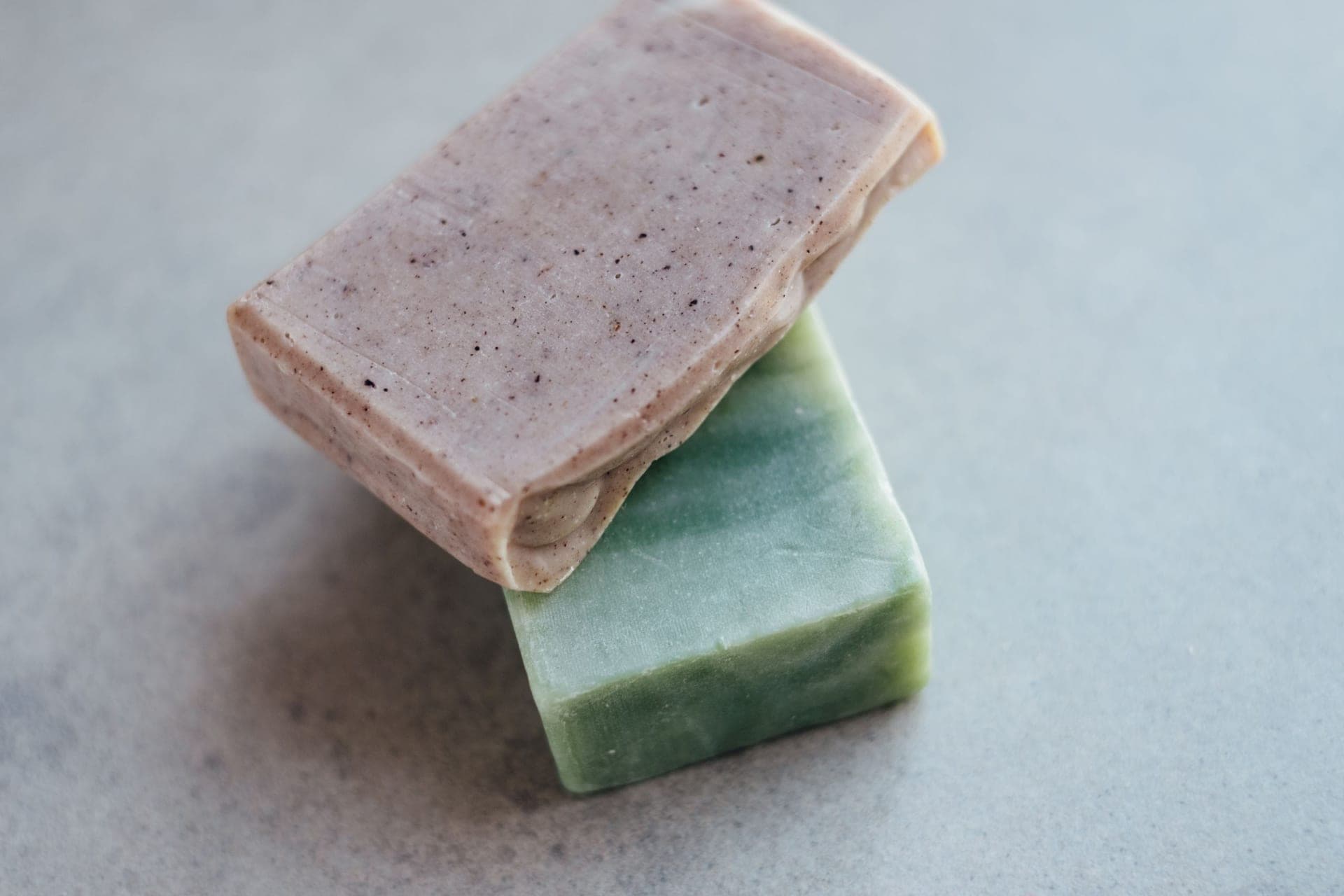
Peppermint soap is a cold process bar scented with peppermint essential oil, usually at 3 to 4 percent of the oil weight, so the final bar smells like real mint and gives a slight cooling tingle on skin. The recipe is straightforward, but peppermint essential oil is potent and pricey, so a few small choices in the formula make the difference between a bar that smells fresh for a year and one that fades in a month.
The cooling sensation people love in peppermint soap comes from menthol, the main compound in peppermint essential oil. Menthol survives cold process saponification well, which is why peppermint is one of the few essential oils that keeps its scent and skin effect in finished soap. Other minty oils like spearmint smell pleasant but lose punch in the bar. Stick with true peppermint (Mentha piperita) for the cooling lather.
- Why Peppermint Works So Well in Cold Process
- Peppermint Essential Oil vs Peppermint Fragrance Oil
- How Much Peppermint Oil to Use
- Peppermint Soap Recipe
- Step-by-Step Instructions
- Natural Color Options for Peppermint Soap
- Scent Blends That Pair Well With Peppermint
- Common Mistakes and How to Avoid Them
- Frequently Asked Questions
Why Peppermint Works So Well in Cold Process
Most essential oils struggle in cold process soap. The high pH and the heat from saponification can wreck delicate citrus notes, soften herbal scents, and erase florals within a few weeks. Peppermint behaves differently.
The reason is menthol. Menthol is a stable crystalline compound that holds up to lye contact, gel phase heat, and the long cure window. A peppermint bar made today still smells strongly of mint a year from now, which is rare for an essential oil scent. It's why peppermint shows up in so many soapmaker's first essential-oil-only recipe.
The cooling sensation is also real. Menthol triggers cold receptors on skin without actually lowering temperature, so a peppermint bar feels chilly in the lather. The effect lasts a minute or two after rinsing, which makes peppermint soap a favorite for summer mornings and post-workout showers.
Peppermint Essential Oil vs Peppermint Fragrance Oil
You can scent soap with either, but they behave differently in the bar.
Peppermint essential oil is steam-distilled from the leaves of Mentha piperita. It contains menthol, menthone, and a handful of supporting compounds, which together give that sharp, clean, slightly green mint scent and the cooling skin effect. Essential oil runs $8 to $15 per ounce depending on grade. Look for first-distill or supplement grade for the strongest scent.
Peppermint fragrance oil is a synthetic blend designed to smell like peppermint. It usually costs less, holds up well in cold process, and lasts longer than essential oil in some formulations. But fragrance oils don't contain menthol, so they smell like peppermint without the cooling effect. If the tingle is the point, use essential oil.
For full background on the difference, see the essential oils vs fragrance oils guide.
A few makers blend the two: 80 percent essential oil for the cooling effect, 20 percent fragrance oil for staying power and cost. That can work, but for a small batch, sticking with pure essential oil is the cleanest approach.
How Much Peppermint Oil to Use
Peppermint is strong, and the soap fragrance load isn't the place to overdo it. Use 3 to 4 percent peppermint essential oil by weight of the oils in the recipe. For a 600 gram oil batch, that's 18 to 24 grams of essential oil.
| Batch Oil Weight | Peppermint EO (3 percent) | Peppermint EO (4 percent) |
| ------------------ | --------------------------- | --------------------------- |
| 454g (1 lb) | 14g | 18g |
| 600g | 18g | 24g |
| 908g (2 lb) | 27g | 36g |
| 1361g (3 lb) | 41g | 54g |
Going above 4 percent risks skin irritation. The IFRA safety limit for peppermint essential oil in leave-on products is around 5 percent, but soap is a rinse-off product, so 4 percent is the practical ceiling. Below 3 percent the cooling effect gets faint and the scent can fade during cure.
Plug your exact oil weights and your target fragrance percentage into the Soaply fragrance calculator to get the precise gram amount. The calculator also handles essential oil blends if you want to combine peppermint with a complementary scent.
Peppermint Soap Recipe
This recipe makes about 1,000 grams of soap, which fills a standard 10 inch silicone loaf mold. The formula is balanced for a hard, long-lasting bar with creamy lather, designed to showcase the peppermint scent without competing with strong base oils.
| Ingredient | Amount | Percentage |
| ------------ | -------- | ------------ |
| Olive Oil | 240g | 40% |
| Coconut Oil (76 degree) | 180g | 30% |
| Palm Oil or Lard | 120g | 20% |
| Castor Oil | 30g | 5% |
| Shea Butter | 30g | 5% |
| Distilled Water | 198g | 33% of oil weight |
| Sodium Hydroxide (Lye) | 84g | calculated by Soaply |
| Peppermint Essential Oil | 21g | 3.5% of oils |
| Superfat | 6% |
Run the oil weights through the Soaply calculator before measuring to confirm the lye amount and the fatty acid profile. The breakdown should land near 50 percent oleic, 16 percent lauric, 13 percent palmitic, and decent stearic and ricinoleic numbers for hardness and creamy lather.
If you want a palm-free version, swap the palm oil for an equal weight of lard, tallow, or a 50/50 mix of cocoa butter and additional olive oil. For more swap guidance, see the palm-free soap recipes post.
Step-by-Step Instructions
Step 1: Prep the Workspace and Gear Up
Set out distilled water, lye, oils, peppermint essential oil, stick blender, scale, mixing pitcher, and mold. Put on goggles, gloves, and a long-sleeve shirt. Turn on ventilation. Lye fumes are sharp for the first 30 seconds, so a window or fan is non-negotiable.
For the complete safety walkthrough, see the soap making safety guide.
Step 2: Mix the Lye Solution
Weigh the distilled water into a heat-safe pitcher. In a separate container, weigh the lye. Slowly add the lye to the water (never the other way around), stirring with a silicone or stainless spoon until fully dissolved. The solution will spike to 180 to 200 degrees F. Set aside in a safe spot to cool.
Step 3: Melt the Oils
Weigh the coconut oil, palm or lard, and shea butter into a stainless or heat-safe container. Melt on low heat or in short microwave bursts until liquid. Add the olive oil and castor oil and stir. Let the combined oils cool to about 95 to 105 degrees F.
Step 4: Wait for the Right Temperature
Both the lye solution and the oils should be within 10 degrees of each other and in the 90 to 110 degree F range. Cooler temperatures give you more working time, which is helpful because peppermint essential oil can slightly accelerate trace.
If you want a deeper dive on temperature choices, see the soap making temperature guide.
Step 5: Combine and Stir to Trace
Pour the lye solution into the oils through a fine mesh strainer. Use the stick blender in short pulses, alternating with hand stirring. Stop at light to medium trace. Peppermint can speed trace slightly, so don't over-blend.
For a visual on what light vs medium trace looks like, see the trace in soap making guide.
Step 6: Add the Peppermint Essential Oil
At light trace, pour in the measured peppermint essential oil and stir by hand or pulse the stick blender once or twice. Peppermint is well-behaved, so it shouldn't seize, but if you're using a high concentration of menthol, mix gently and pour fast.
Step 7: Pour Into the Mold
Pour the batter into the silicone loaf mold in a steady stream. Tap the mold on the counter a few times to release air bubbles. Smooth the top with a spatula or leave a textured peak for a rustic look.
Step 8: Insulate and Wait
Cover the mold with a piece of cardboard and a towel to encourage gel phase. Peppermint soap looks best when it goes through full gel because the scent develops more evenly. Leave undisturbed for 24 to 48 hours.
Step 9: Unmold, Cut, and Cure
After 24 to 48 hours, unmold the loaf. If it's still soft, give it another day. Cut into bars and place on a curing rack with airflow between bars. Cure for 4 to 6 weeks before using.
For more on why curing matters, see the curing soap guide.
Natural Color Options for Peppermint Soap
Peppermint scent pairs well with cool, fresh-looking colors. A few natural options that hold up in cold process:
French green clay. Mix 1 to 2 teaspoons per pound of oils with a small amount of distilled water and stir into the batter at light trace. Gives a soft, earthy green that fits the herbal peppermint vibe.
Spirulina powder. Use sparingly, about half a teaspoon per pound of oils, premixed in a tablespoon of oil. Produces a vivid green that can fade to grey-green over months. Best used in soap that gets used within a year.
Activated charcoal. A teaspoon per pound of oils gives a deep black that contrasts nicely with white in a swirl. Charcoal pairs beautifully with peppermint for a detox marketing angle. For more, see the activated charcoal soap recipe.
Layered white and green. Split the batter and color half with green clay. Pour in alternating layers for a clean, modern look that reads as fresh and minty without being gimmicky. For technique, see the how to make layered soap guide.
Skip food coloring and water-based dyes; they shift or vanish at high pH. For a complete rundown of soap-safe colorants, see the natural soap colorants guide.
Scent Blends That Pair Well With Peppermint
Peppermint is sharp and can dominate a blend. A few combinations that balance it out:
Peppermint and rosemary. Classic herbal duo. Use 70 percent peppermint, 30 percent rosemary essential oil. Smells like a clean garden bath.
Peppermint and eucalyptus. A spa-counter standard. 60/40 peppermint to eucalyptus gives a cooling, slightly medicinal scent. Both oils survive cold process well.
Peppermint and tea tree. Sharp and clean. 70 percent peppermint, 30 percent tea tree. Pairs well with charcoal for a problem-skin bar. For background on tea tree in soap, see the tea tree soap recipe.
Peppermint and lavender. Surprising but it works. 60 percent peppermint, 40 percent lavender essential oil. The lavender softens the bite of the peppermint, and the bar smells fresh without being aggressive.
Peppermint and orange. 60 percent peppermint, 40 percent 10x folded orange essential oil. The 10x fold keeps the citrus scent from disappearing during cure. Avoid regular orange essential oil; it fades in cold process within a few weeks.
Common Mistakes and How to Avoid Them
Using too little essential oil. Peppermint loses some intensity during the 4 to 6 week cure. If you use less than 3 percent, the finished bar can smell faintly herbal but lose the strong mint punch. Stay in the 3 to 4 percent range.
Using spearmint instead of peppermint. Spearmint smells lovely fresh but mostly disappears in finished soap. Spearmint has carvone instead of menthol, and carvone doesn't survive cold process the way menthol does. Stick with true peppermint (Mentha piperita).
Adding peppermint at high trace. Peppermint essential oil can slightly accelerate trace, so a thick-traced batter gives you almost no working time after adding the oil. Add at light trace, mix by hand, and pour fast.
Soaping too hot. Peppermint scent is stable but not invincible. Combining oils and lye solution above 120 degrees F can scorch some of the lighter top notes. Aim for 95 to 105 degrees F for both.
Skipping the strainer. A fine mesh strainer between the lye pitcher and the oil pot catches any undissolved bits. Especially useful with full water recipes where slight clumping can happen.
For a broader troubleshooting reference, see the common soap making mistakes post.
💬 Frequently Asked Questions
How much peppermint essential oil do you put in cold process soap?
Use 3 to 4 percent peppermint essential oil by weight of the oils in the recipe. For a 1 pound (454 gram) oil batch, that's 14 to 18 grams of peppermint essential oil. Going below 3 percent often leads to a faint scent after cure, and above 4 percent risks skin irritation.
Does peppermint soap actually cool the skin?
Yes. Peppermint essential oil contains menthol, which triggers cold receptors on skin without lowering temperature. A properly dosed peppermint bar (3 to 4 percent essential oil) gives a noticeable cooling tingle during use and for a minute or two after rinsing. Peppermint fragrance oils don't have menthol and don't produce this effect.
Can you use spearmint instead of peppermint in soap?
You can, but it won't smell strongly of mint in the finished bar. Spearmint contains carvone instead of menthol, and carvone doesn't survive cold process saponification well. Peppermint (Mentha piperita) is the right oil for soap that smells minty and feels cool after cure.
How long does peppermint soap need to cure?
Peppermint soap cures for 4 to 6 weeks like any standard cold process bar. The scent actually holds up well during cure, sometimes mellowing slightly but rarely fading completely. Bars used at the 4 week mark are mild and have good lather; bars used at 6 weeks are slightly harder and longer-lasting.
Does peppermint soap go bad?
Peppermint cold process soap stays good for at least one to two years when stored in a cool, dry spot. The peppermint scent typically holds up better than most essential oils, and the bar itself rarely develops dreaded orange spots as long as the oils used in the recipe are fresh and the superfat is in a reasonable range.
Run the Numbers Before You Pour
Peppermint soap is one of the easier essential-oil-only recipes because the scent actually behaves in cold process. The hard part is dialing in the fragrance percentage so the bar smells like mint at week 6, not just at week 1. Plug your exact oil weights, target superfat, and peppermint fragrance load into the Soaply calculator before you measure anything. You'll get the precise lye amount and the right essential oil dose for your batch size in one shot.
Once the numbers check out, the rest is just hitting trace, adding the peppermint, and giving the bars time to cure into something that smells like a walk through an herb garden.
Ready to Try It?
Use our free soap calculator to create your perfect recipe with real-time property predictions.
Open Calculator