How to Make Lard Soap (Cold Process Recipe With Old-Fashioned Results)
Learn how to make lard soap with this beginner cold process recipe. Get rendering tips, SAP values, a tested formula, and answers to common questions.
This article contains Amazon links. As an Amazon Associate, Soaply earns from qualifying purchases at no extra cost to you.
Lard soap is the bar your great-grandmother probably grew up using. It's cheap, gentle, and creates a creamy white bar that lasts forever in the shower. If you've already mastered olive and coconut oil recipes, lard is the next traditional fat worth adding to your soap making toolkit.
- Why Make Soap With Lard?
- Lard vs Tallow: What's the Difference?
- How to Render Lard for Soap Making
- Lard Soap Recipe (Cold Process)
- Step-by-Step Instructions
- Can You Make 100% Lard Soap?
- Tips for Better Lard Soap
- Frequently Asked Questions
Why Make Soap With Lard?
Lard gets dismissed as old-fashioned, but it's one of the most underrated fats in soap making. Here's what it brings to a recipe:
It's gentle on skin. Lard has a fatty acid profile that's close to human sebum, which means it's well-tolerated by sensitive skin. Soapmakers with eczema, rosacea, or general skin reactivity often gravitate toward lard for this reason.
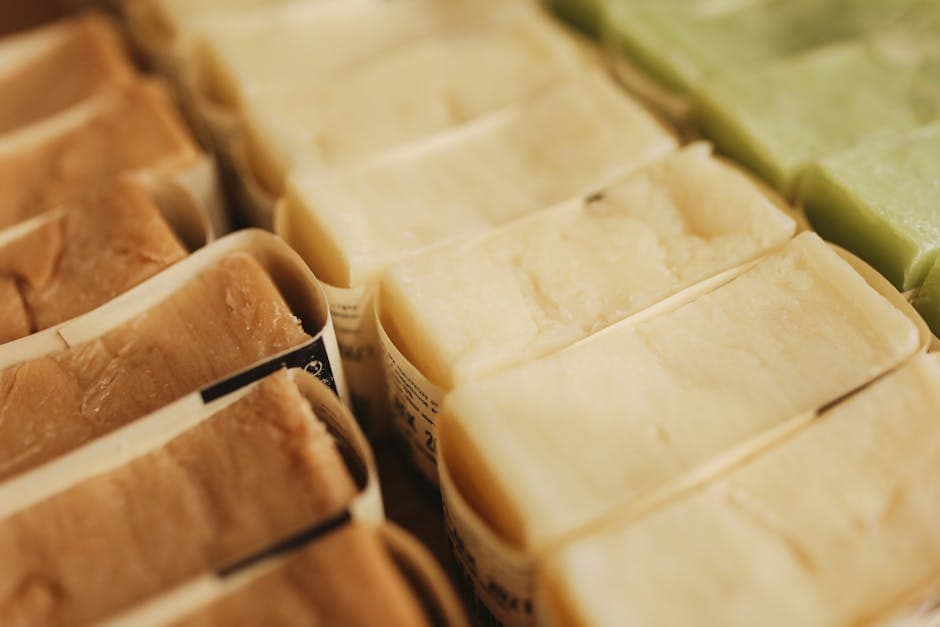
It produces a hard, white bar. Lard creates a firm bar with a clean, almost porcelain-white finish once cured. The hardness comes from its high palmitic and stearic acid content.
It's cheap. A pound of pork fat from the butcher costs around $1 to $3, sometimes less. If you cook bacon at home, you've already got the raw material in your fridge. Compare that to shea butter at $8 to $12 per pound.
It lathers nicely. Lard's lather is creamy and stable rather than fluffy. Pair it with a small amount of coconut oil and castor oil and you'll get a balanced bar that bubbles without stripping skin.
It's a sustainable palm oil substitute. Lard and palm oil have similar SAP values and produce bars with similar properties. If you're avoiding palm for environmental reasons, lard is the closest one-to-one swap available.
Lard vs Tallow: What's the Difference?
Lard is rendered pig fat. Tallow is rendered beef or sheep fat. Both are saturated animal fats that make great soap, but they behave a little differently in a recipe.
| Property | Lard | Tallow |
| ---------- | ------ | -------- |
| Source | Pork | Beef (sometimes mutton) |
| Hardness in soap | Hard, slightly softer than tallow | Very hard |
| Lather | Creamy and stable | Creamy, slightly denser |
| SAP value (NaOH) | 0.138 | 0.140 |
| Color of finished bar | Bright white | Off-white to cream |
| Smell when raw | Mild, slightly porky | Mild, slightly beefy |
| Cost per pound | $1-3 | $2-4 |
Lard accelerates trace less than tallow, which makes it a more forgiving option for beginners trying decorative pours or swirls. If you've already worked with tallow soap, lard will feel familiar but slightly more relaxed at the mixing stage.
How to Render Lard for Soap Making
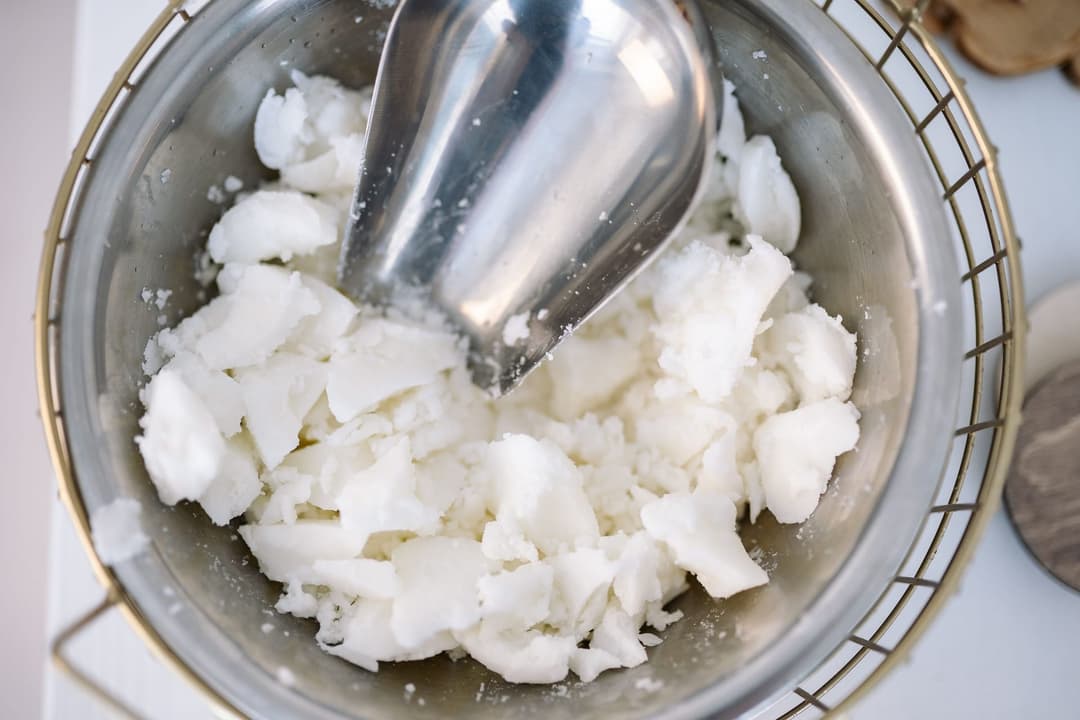
You can buy pre-rendered lard at most grocery stores (look near the shortening), but rendering it yourself is cheaper and produces a cleaner end product. The best lard for soap comes from leaf fat, which is the soft fat around the kidneys. Leaf lard is bright white and has almost no scent.
What You'll Need
- 3 to 5 pounds of raw pork fat (ask your butcher for leaf fat or back fat)
- A heavy pot or slow cooker
- Fine mesh strainer or cheesecloth
- Glass jars for storage
Rendering Steps
- Trim and chop. Cut away any meat or blood. Chop the fat into 1-inch cubes, or ask the butcher to grind it for you. Smaller pieces render faster and cleaner.
- Melt slowly. Put the fat in a heavy pot on the lowest heat setting, or use a slow cooker on low. Add a half cup of water to prevent scorching at the start. The water will cook off during the process.
- Stir occasionally. Let it melt for 3 to 4 hours on the stove, or 6 to 8 hours in a slow cooker. You'll see clear liquid fat separating from crispy bits called cracklings.
- Strain. Pour the melted fat through cheesecloth into glass jars. Discard the cracklings or season them and eat them as a snack.
- Cool and store. Let the lard solidify at room temperature, then refrigerate. Properly rendered lard keeps for 6 months in the fridge or a year in the freezer.
For the cleanest soap, render twice. After the first batch solidifies, melt it again with a cup of water, let it cool, and scrape any impurities off the bottom of the solidified disc. Double-rendered lard produces whiter soap with no detectable porky smell.
Lard Soap Recipe (Cold Process)
This recipe pairs lard with coconut and castor oil for lather, plus a touch of olive oil for added conditioning. It's beginner-friendly, traces at a reasonable pace, and produces a bar most people will love.
Oil Blend
| Oil | Percentage | Purpose |
| ----- | ----------- | --------- |
| Lard | 60% | Hardness, creamy lather, conditioning |
| Coconut Oil | 20% | Big bubbles, cleansing power |
| Olive Oil | 15% | Extra conditioning, gentleness |
| Castor Oil | 5% | Lather booster, stabilizer |
Settings
- Superfat: 5%
- Lye Concentration: 33% (about a 2:1 water-to-lye ratio)
Run these percentages through the Soaply calculator with your total oil weight to get exact lye and water amounts. A 32 oz (907g) total oil batch fits a standard 10-inch silicone loaf mold and makes about 8 to 10 bars depending on how thick you cut them.
Supplies Checklist
- Digital kitchen scale
- Stick blender
- Safety goggles and chemical-resistant gloves
- Infrared thermometer
- Silicone loaf mold
- Heat-safe pitcher for the lye solution
- Stainless steel or plastic mixing utensils (never aluminum)
Step-by-Step Instructions
Step 1: Suit Up and Set Up
Put on safety goggles and gloves before you handle lye. Lye burns skin and eyes on contact. Work in a ventilated area, ideally near an open window, and keep kids and pets out of the room until the soap is in the mold.
Step 2: Weigh Everything
Use the Soaply calculator to get your exact amounts. For a 32 oz batch using the recipe above, you'll see something close to:
| Ingredient | Amount |
| ----------- | -------- |
| Lard | 19.2 oz (544g) |
| Coconut Oil | 6.4 oz (181g) |
| Olive Oil | 4.8 oz (136g) |
| Castor Oil | 1.6 oz (45g) |
| Sodium Hydroxide (Lye) | ~4.4 oz (use calculator) |
| Distilled Water | ~8.9 oz (use calculator) |
Always pull your final lye number from the calculator. Lard SAP values can vary slightly between rendered batches, and the calculator handles those variations for you.
Step 3: Mix the Lye Solution
Slowly add the lye to the water (never water to lye, that can cause a volcano effect). Stir gently with a stainless steel or silicone spoon until the lye is fully dissolved. The solution will heat up to around 200°F. Set it aside in a safe spot to cool to 100 to 110°F.
Step 4: Melt and Combine the Oils
Melt the lard and coconut oil in a pot over low heat. Once they're liquid, take the pot off the burner and stir in the olive oil and castor oil. The mixture will cool naturally as you add the room-temperature oils. Aim for 100 to 110°F.
Step 5: Combine and Reach Trace
When the lye solution and oils are within 10°F of each other and both around 100 to 110°F, slowly pour the lye into the oils. Pulse the stick blender in short bursts of 5 to 10 seconds, alternating with hand stirring. You're looking for light to medium trace, which is the consistency of thin pudding.
If you've never seen trace before, our guide on what trace is walks through the visual cues so you know when to stop.
Step 6: Add Fragrance and Color (Optional)
At light trace, stir in 1 to 1.5 oz of essential oil or fragrance oil per pound of base oils. Lard is neutral and pairs with almost any scent. Lavender, peppermint, cedarwood, and citrus blends all work. Add color now too if you're using mica or natural colorants.
Step 7: Pour and Insulate
Pour the batter into your mold. Tap the mold on the counter to release air bubbles. Cover with a piece of cardboard and wrap with a towel to encourage gel phase. Lard soap gels nicely and benefits from the slightly shinier finish that gel phase creates.
Step 8: Unmold and Cure
After 24 to 48 hours, the soap will be firm enough to unmold. Cut it into bars while it's still slightly soft (any later and it can crack). Place the bars on a rack with airflow on all sides and let them cure for 4 to 6 weeks. Lard bars genuinely improve with a longer cure as the bar hardens and the lather develops.
Can You Make 100% Lard Soap?
Yes, and traditional homestead recipes did this for centuries. A 100% lard bar is hard, very white, and gentle on skin. The lather is creamy but doesn't produce big bubbles. If you're after a low-suds, ultra-mild bar, this is a great option.
For 100% lard soap, use a 5 to 8% superfat and 33% lye concentration. Plug it into the Soaply calculator for exact amounts. The trade-off is reduced bubbles, which is why most modern recipes blend lard with coconut and castor oil. But if your goal is a barely-lathering, baby-skin-friendly bar, 100% lard delivers.
Tips for Better Lard Soap
Double render your lard. This is the single most impactful thing you can do for a better bar. Double-rendered lard produces ultra-white soap with zero porky scent.
Use leaf lard when you can. Leaf lard is bright white and has the mildest scent of any pig fat. Back fat works fine, but leaf lard gives you a noticeably whiter finished bar.
Don't soap too hot. Lard accelerates trace less than tallow, but heat still speeds things up. Stay around 100 to 110°F for the most working time, especially if you're trying decorative pours or swirls.
Watch for soda ash on white bars. Lard soap is so white that any soda ash shows up clearly. Cover your mold with plastic wrap (not just cardboard) to reduce contact with air during the first 24 hours.
Cure for the full 4 to 6 weeks. Lard bars get noticeably better with time. The bar hardens, the pH drops, and the lather improves. Pull a bar at week 2 and another at week 6, and you'll feel the difference.
Add sodium lactate for easier unmolding. A teaspoon of sodium lactate per pound of oils helps lard bars release cleanly from silicone molds and produces a slightly shinier finish.
💬 Frequently Asked Questions
Does lard soap smell bad?
Not when it's properly rendered. Double-rendered lard has almost no scent, and any trace disappears completely after a 4 to 6 week cure. Adding essential oils or fragrance oils covers any lingering notes. The finished bar smells like whatever you scented it with, not like pork.
Is lard soap good for sensitive skin?
Lard is one of the gentlest fats you can use. Its fatty acid profile is close to human sebum, which means it's easily tolerated by reactive skin. Many soapmakers with eczema, dry skin, or rosacea report that lard soap is one of the few bars they can use without irritation.
Where can I buy lard for soap making?
Most grocery stores stock pre-rendered lard near the shortening or in the international foods section. For raw fat, ask the butcher counter at any grocery store or visit a local butcher and request leaf fat or back fat. Raw pork fat usually costs $1 to $3 per pound and renders at about 75% yield.
Can I use grocery store lard, or do I need to render my own?
Grocery store lard works, but check the label. Some commercial lard contains hydrogenated oils or BHT preservatives, which can affect saponification or shorten the bar's shelf life. Brands like Armour are pure lard and work fine. Rendering your own is cheaper and gives you a cleaner finished bar.
Is lard soap vegan or vegetarian friendly?
No. Lard is rendered pig fat, so it's not vegan or vegetarian. If you need a plant-based hard fat for similar properties, check our guide on vegan soap making, which covers palm-free options like cocoa butter and shea butter.
How long does homemade lard soap last?
A properly cured lard bar with a 5% superfat lasts 12 to 18 months at peak quality, and longer than that in usable condition. Store cured bars in a cool, dry place with good airflow. Avoid sealed plastic bags, which trap moisture and can cause DOS or rancid spots over time.
Start Your First Lard Batch
Lard soap is one of the cheapest, most beginner-friendly recipes you can make at home. The bar is hard, white, gentle on skin, and rivals anything you'd pay $8 for at a farmers market. If you've got a butcher nearby (or a few pounds of pork fat in your freezer), you've got everything you need to get started.
Plug the recipe above into the Soaply calculator to get your exact lye and water amounts, then set aside an afternoon to mix and pour. Six weeks from now you'll be using your first homemade lard bar in the shower.
Ready to Try It?
Use our free soap calculator to create your perfect recipe with real-time property predictions.
Open Calculator