What Is Trace in Soap Making? How to Spot Light, Medium, and Thick Trace
Learn what trace means in cold process soap making, how to identify light, medium, and thick trace, and tips to speed up or slow down trace for better results.
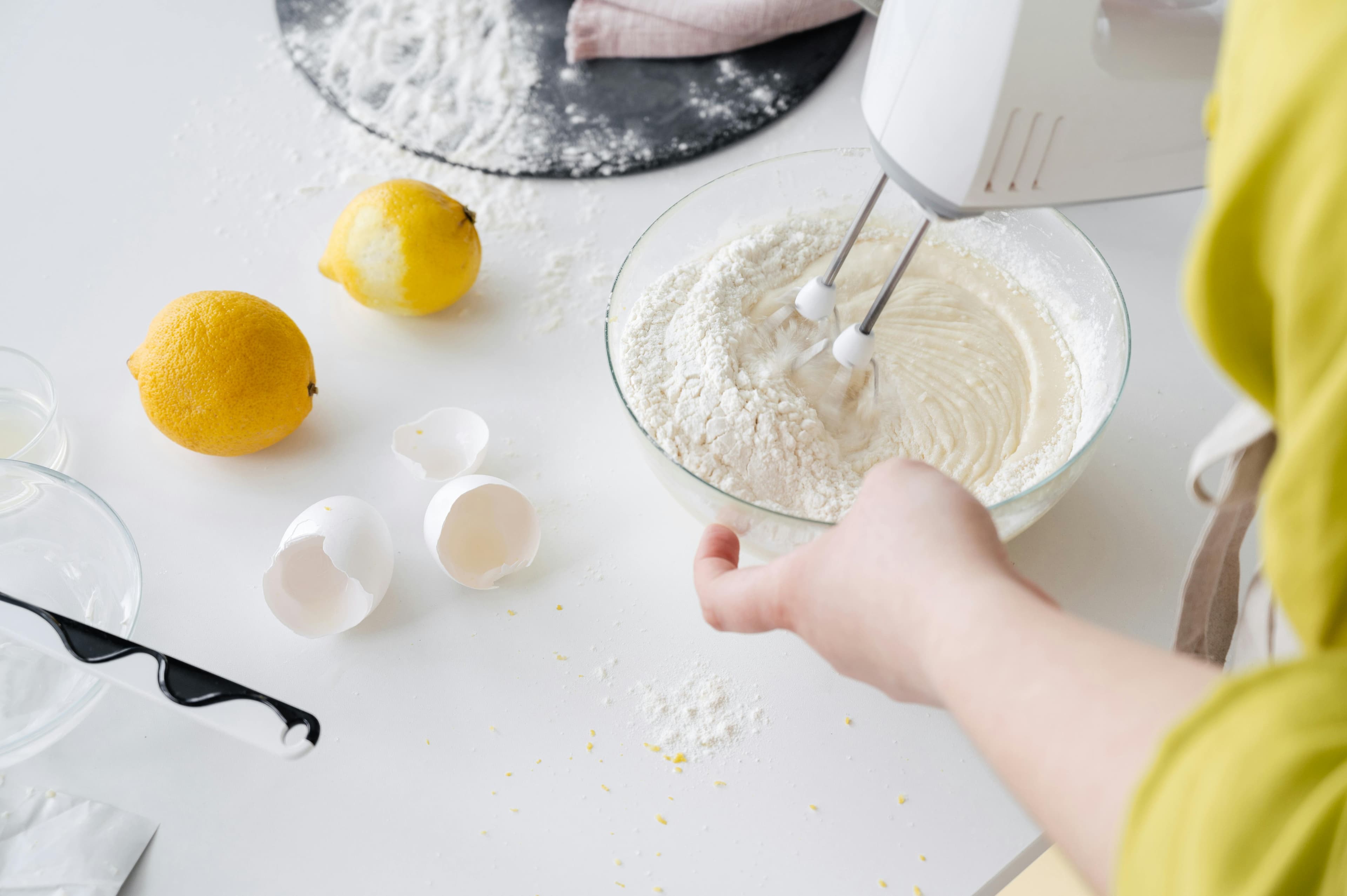
Trace is the point where your oils and lye water have fully emulsified and won't separate back into two layers. It's the single most important milestone in cold process soap making because it tells you the saponification reaction has started and your batter is ready for the mold, or for additives like color and fragrance.
- What Exactly Is Trace?
- Why Does Trace Matter So Much?
- How to Identify Light Trace
- How to Identify Medium Trace
- How to Identify Thick Trace
- Which Trace Should You Use for Your Project?
- What Causes Soap to Trace Faster or Slower?
- How to Slow Down Trace
- How to Speed Up Trace
- What Is False Trace and How Do You Avoid It?
- Common Trace Mistakes Beginners Make
- Frequently Asked Questions
What Exactly Is Trace?
When you mix lye water into melted oils, you're starting a chemical reaction called saponification. The sodium hydroxide (lye) reacts with the fatty acids in your oils to create soap molecules and glycerin. Trace is the visible evidence that this reaction is underway and the mixture has formed a stable emulsion.
Think of it like making a vinaigrette. When you first combine oil and vinegar, they separate almost immediately. But if you add an emulsifier like mustard and whisk hard enough, the mixture thickens and holds together. Trace works similarly. The soap molecules being formed act as the emulsifier, binding the oil and water phases into a mixture that won't split apart.
The name "trace" comes from the visual test: when you lift your spoon or stick blender out of the batter and drizzle it across the surface, the drizzle leaves a visible trail (or "trace") that sits on top before slowly sinking back in. If the drizzle disappears instantly, you're not at trace yet. If it sits on the surface and holds its shape, you've arrived.
Before the stick blender existed, soap makers would stir by hand for 30 minutes to over an hour waiting for trace. Today, most recipes reach light trace in under 2 minutes with a stick blender. That's a huge time saver, but it also means you have less time to react if something goes wrong.
Why Does Trace Matter So Much?
Trace isn't just a fun milestone to hit. It determines the success or failure of your entire batch. Here's why it's so critical:
It confirms emulsification. If you pour your batter into the mold before true trace, the oils and lye water can separate. You'll end up with pockets of unsaponified oil sitting on top of caustic lye water. That's not soap. That's a failed batch and a potential skin hazard.
It determines your design options. The thickness of your trace dictates what you can and can't do. Thin swirls, layered colors, textured tops, and embeds all require specific trace stages. Pouring at the wrong trace is the number one reason soap designs don't turn out as planned.
It affects how additives behave. Fragrance oils, essential oils, colorants, and exfoliants should be added at trace, but the thickness of that trace matters. Some fragrance oils accelerate trace the second they hit the batter. If you're already at medium trace when you add a fast-moving fragrance, you'll have a seized mess on your hands.
Understanding trace stages gives you control over the process. Without that control, you're guessing, and guessing in soap making usually means wasted ingredients.
How to Identify Light Trace
Light trace is the thinnest, most fluid stage. Your batter looks like thin pancake batter or melted ice cream. It's opaque (no longer translucent like raw oils), and when you drizzle it across the surface, you'll see a faint line that holds for about 1 to 2 seconds before melting back in.
Here's what to look for:
- The batter is a consistent, solid color with no streaks of oil floating on top
- Drizzle from your stick blender leaves a brief, faint line on the surface
- The consistency is pourable and flows easily
- You can still see the batter settle and level out on its own
Getting to light trace usually takes about 30 to 60 seconds of stick blending for most recipes. Olive oil-heavy recipes might take a bit longer, while recipes high in coconut or palm oil get there faster.
When to use light trace: This is your go-to for detailed swirl designs, thin pours, and layered color work. It's also the right stage for adding fragrance oils that are known to accelerate trace. Starting thin gives you a buffer before the batter thickens up.
How to Identify Medium Trace
Medium trace is the consistency of thin pudding or a warm custard. It's noticeably thicker than light trace but still pourable. When you drizzle batter across the surface, the line holds its shape for several seconds and you can clearly see the trail.
Key characteristics:
- Batter pours like pudding, not like water
- Drizzle lines stay visible on the surface for 5+ seconds
- The mixture doesn't level itself out as quickly
- You can draw a figure-eight pattern on the surface and it stays visible
Most recipes reach medium trace after about 1 to 2 minutes of stick blending, depending on your oil combination and temperatures.
When to use medium trace: Medium trace is the workhorse. It's thick enough that heavier additives like oatmeal, poppy seeds, or dried herbs will stay suspended instead of sinking to the bottom of the mold. It's also the right consistency for simple in-the-pot swirls and hanger swirls. If you're not doing detailed designs and just want a reliable pour, medium trace is your target.
How to Identify Thick Trace
Thick trace looks like thick pudding or cold mashed potatoes. It holds its shape completely. When you drizzle it, the batter piles on top of itself instead of flowing. You can scoop it with a spoon and it won't run off.
What it looks like:
- Batter holds peaks, similar to whipped cream or stiff batter
- It doesn't pour cleanly. You'll need to scoop or spread it into the mold
- Lines drawn on the surface stay put indefinitely
- The stick blender leaves a visible hole when you pull it out that doesn't fill back in
Thick trace happens after extended blending (usually 2 to 5 minutes) or can occur rapidly if your recipe includes fast-tracing ingredients. Some fragrance oils will push you to thick trace in seconds.
When to use thick trace: Thick trace is ideal for textured tops (think frosted cupcake soap or peaks), for holding embeds in place so they don't sink, and for layering techniques where you need one layer to hold firm before adding the next. It's also necessary for certain mold types where you don't want batter seeping through cracks.
The downside? You can't swirl at thick trace, and you can't fix mistakes. Once you're there, you need to work fast. Have your mold ready and your plan set before you cross into thick trace territory.
Which Trace Should You Use for Your Project?
Here's a quick reference:
| Project Type | Recommended Trace | Why |
| --- | --- | --- |
| Detailed swirls (Taiwan swirl, drop swirl) | Light | Fluid batter allows colors to move and blend naturally |
| Simple in-the-pot swirl | Light to medium | Needs some body to hold distinct color sections |
| Hanger swirl | Medium | Thick enough to show clear movement through the batter |
| Plain bars, no design | Medium | Reliable, easy to pour, additives stay suspended |
| Bars with heavy exfoliants | Medium to thick | Prevents oatmeal, seeds, or salts from sinking |
| Textured tops or peaks | Thick | Holds shape when piped or spooned on top |
| Layers | Medium to thick | Each layer must hold before the next goes on |
| Embeds (soap balls, shapes inside) | Thick | Keeps embeds from floating or sinking |
The most common beginner mistake is pouring at thick trace when light or medium would've been better. There's no going backwards once your batter thickens. You can always blend a little more, but you can't thin it out again.
What Causes Soap to Trace Faster or Slower?
Several factors affect trace speed. Knowing them lets you plan your recipe timing and avoid surprises.
Oil Composition
This is the biggest factor. Saturated fats (coconut oil, palm oil, lard, tallow) trace fast. They have shorter fatty acid chains and react with lye quickly. Unsaturated fats (olive oil, sunflower oil, canola oil, sweet almond oil) trace slower because their longer, kinked fatty acid chains take more time to react.
A recipe with 50% coconut oil will reach trace in under a minute. A recipe with 80% olive oil (like Castile soap) might take several minutes even with a stick blender.
Use the Soaply calculator to see your recipe's oil breakdown and anticipate how it'll behave at the pot.
Temperature
Higher temperatures speed up saponification, which means faster trace. If you're soaping at 110-130°F (43-54°C), expect things to move quickly. Lowering your temps to 90-100°F (32-38°C) buys you more working time.
Some soap makers even soap at room temperature (around 75°F / 24°C) when they need maximum working time for complex designs. This works, but only with recipes that don't contain hard butters or fats that solidify at low temps.
Water Amount
More water in your recipe slows trace. A full water recipe (using the standard 38% lye concentration) gives you the longest working time. A water discount (higher lye concentration, like 33% or lower) reduces the water content, which speeds up trace and reduces cure time, but shrinks your working window.
Stick Blender Technique
Continuous stick blending pushes trace forward fast. Short 2-3 second bursts followed by hand stirring give you much more control. Think of it like a gas pedal. Full throttle gets you to trace in seconds. Tapping it gently lets you ease into the right consistency.
Fragrance and Essential Oils
Some fragrance oils are notorious for accelerating trace. Floral fragrances (especially those with a high vanilla content), spice scents (clove, cinnamon), and anything with a heavy base note tend to thicken batter the moment they're added. Always check the manufacturer's notes before adding fragrance, and add it at light trace if you know it's a fast mover.
Essential oils are generally more predictable, but some like clove bud and ylang ylang can also speed things up. Check our guide on essential oils for soap making for details on specific scents.
How to Slow Down Trace
When you need more working time, these strategies help:
- Use more slow-tracing oils. Swap in higher percentages of olive oil, sunflower oil, or rice bran oil. Even replacing 10% of a hard oil with a soft oil makes a noticeable difference.
- Lower your temperatures. Soap at 90-100°F instead of 120°F+. Both your oils and lye water should be at similar, lower temps.
- Use a full water recipe. Avoid water discounts when you need time. Use the standard 38% lye concentration in the Soaply calculator as your starting point.
- Pulse the stick blender. Blend for 2-3 seconds, then stir by hand for 10-15 seconds. Repeat. This gives you far more control than continuous blending.
- Add fragrance at light trace. Don't wait until medium trace if you know your fragrance accelerates. Give yourself the buffer.
- Pre-mix colors. Have all your colorants dispersed in small cups of oil before you start. When trace comes, you won't waste time scrambling to mix colors while your batter thickens.
How to Speed Up Trace
Sometimes you want to get to trace faster, especially for simple, unscented bars:
- Use more hard oils. Coconut oil, palm oil, lard, and tallow all accelerate trace. A recipe with 40%+ hard fats will trace quickly.
- Increase temperatures. Soaping at 120-130°F speeds up the reaction noticeably.
- Use a water discount. A 33% lye concentration (less water) pushes saponification along faster.
- Blend continuously. Keep the stick blender running in steady bursts rather than pulsing.
- Add sugar or honey. Dissolved sugar or honey in your lye water generates extra heat, which accelerates trace. Just watch for volcanos in the lye solution when adding sugars.
What Is False Trace and How Do You Avoid It?
False trace is one of the trickiest pitfalls in soap making. It looks like trace, feels like trace, but it isn't actually trace. Instead of a genuine emulsion, your batter has thickened because the hard fats (like palm oil, cocoa butter, or coconut oil) started cooling and re-solidifying.
Here's the danger: if you pour at false trace and pop your soap into the mold, those oils haven't actually reacted with the lye yet. As the batter warms up during the gel phase, the solidified fats melt again, and the whole thing can separate into an oily, caustic mess.
How to Tell the Difference
- True trace happens gradually. You watch the batter change consistency over seconds to minutes as you blend. The thickening is smooth and progressive.
- False trace happens suddenly, often right after you pour your lye water into the oils. One second it's liquid, the next it's thick and clumpy. This is a red flag.
False trace is most common when:
- Your oils cooled too much before mixing, causing hard fats to solidify
- You used a high percentage of palm oil, tallow, or cocoa butter
- There's a large temperature gap between your oils and lye water
How to Fix It
If you suspect false trace, keep blending. A genuine emulsion will smooth out and stay consistent as you blend. If the batter is thick because of solidified fats, continued blending generates friction heat that re-melts them and forces true emulsion. Don't stop blending until the batter is genuinely smooth and consistent, not lumpy or grainy.
To prevent false trace, keep your oil temperatures at 100°F+ (38°C+) when working with recipes that include more than 30% hard fats. Make sure your lye water and oils are within 10°F of each other before combining.
Common Trace Mistakes Beginners Make
Pouring before true trace. If you're unsure whether you've reached trace, keep blending in short bursts. Under-blended soap is a much bigger problem than slightly over-blended soap. Separation in the mold means you'll need to rebatch the whole thing.
Over-blending past the point of no return. This usually happens when people walk away from the pot or get distracted. If you come back to a batter that's the consistency of clay, you've gone too far for any design work. Scoop it into the mold and embrace a rustic look, or go the hot process route.
Not accounting for acceleration. You hit light trace, add your fragrance oil, and suddenly you have thick trace. This is common with certain fragrance oils. Read the reviews and data sheets from your supplier, and always add fragrance early if there's any doubt.
Ignoring your recipe's trace tendency. A recipe loaded with coconut and palm oil will behave completely differently from an olive oil-heavy recipe. Plan your design and timing around the oils in your formula, not around what worked with a different recipe last time.
Blending at the wrong depth. Keep your stick blender fully submerged and tilted slightly to the side. If the blender head isn't covered by batter, you'll introduce air bubbles and get a false read on your trace consistency. The bubbles make it look thicker than it actually is.
Running your oils through the Soaply calculator before you start helps you anticipate how your specific combination will behave, so you're not caught off guard.
💬 Frequently Asked Questions
How long does it take to reach trace?
With a stick blender, most cold process recipes reach light trace in 30 seconds to 2 minutes. The exact time depends on your oil combination, temperatures, and water amount. Recipes high in olive oil take longer. Recipes high in coconut or palm oil trace faster. Hand stirring without a stick blender can take 20 minutes to over an hour.
Can you fix soap that was poured before trace?
If your soap separated in the mold, you can rebatch it. Chop the failed batch into chunks, melt it in a crockpot with a small amount of water, and stir until it re-emulsifies. It won't be as pretty as a fresh batch, but it'll still be usable soap. Check our rebatch guide for the full process.
Does trace mean saponification is complete?
No. Trace just means the reaction has started and the mixture has emulsified. Full saponification takes 24 to 48 hours in the mold, and the soap still needs 4 to 6 weeks of curing after unmolding to fully harden and become mild enough for skin.
What does false trace look like?
False trace usually appears as sudden thickening right after you combine the lye water and oils, especially in recipes with lots of hard fats. The batter may look lumpy, grainy, or clumpy rather than smooth. True trace produces a smooth, consistent texture. If you're not sure, keep stick blending for another 30 seconds. True trace will stay smooth. False trace will gradually smooth out as the fats re-melt.
Is it possible to reach trace by stirring by hand?
Yes, but it takes significantly longer. Before stick blenders became common, soap makers stirred by hand with a whisk or spoon for 30 minutes to over an hour. It works, but it's tedious and hard on your arm. A stick blender (even a cheap one) is the single best investment you can make for cold process soap. It turns a 45-minute stir session into a 60-second blend.
The trace stage is where the real craft of soap making happens. It's where chemistry becomes something you can see and feel in the pot. Spend a few batches just paying attention to how different recipes behave at trace, and you'll develop an instinct for it that makes every future batch easier. Ready to test a new oil combination? Plug your recipe into the Soaply calculator and see how the numbers look before you fire up the stick blender.
Ready to Try It?
Use our free soap calculator to create your perfect recipe with real-time property predictions.
Open Calculator