Curing Soap: Why It Matters and How Long to Wait
Learn why curing soap is essential for quality bars. Understand the science behind cure times, how to set up a curing rack, and when your soap is finally ready.
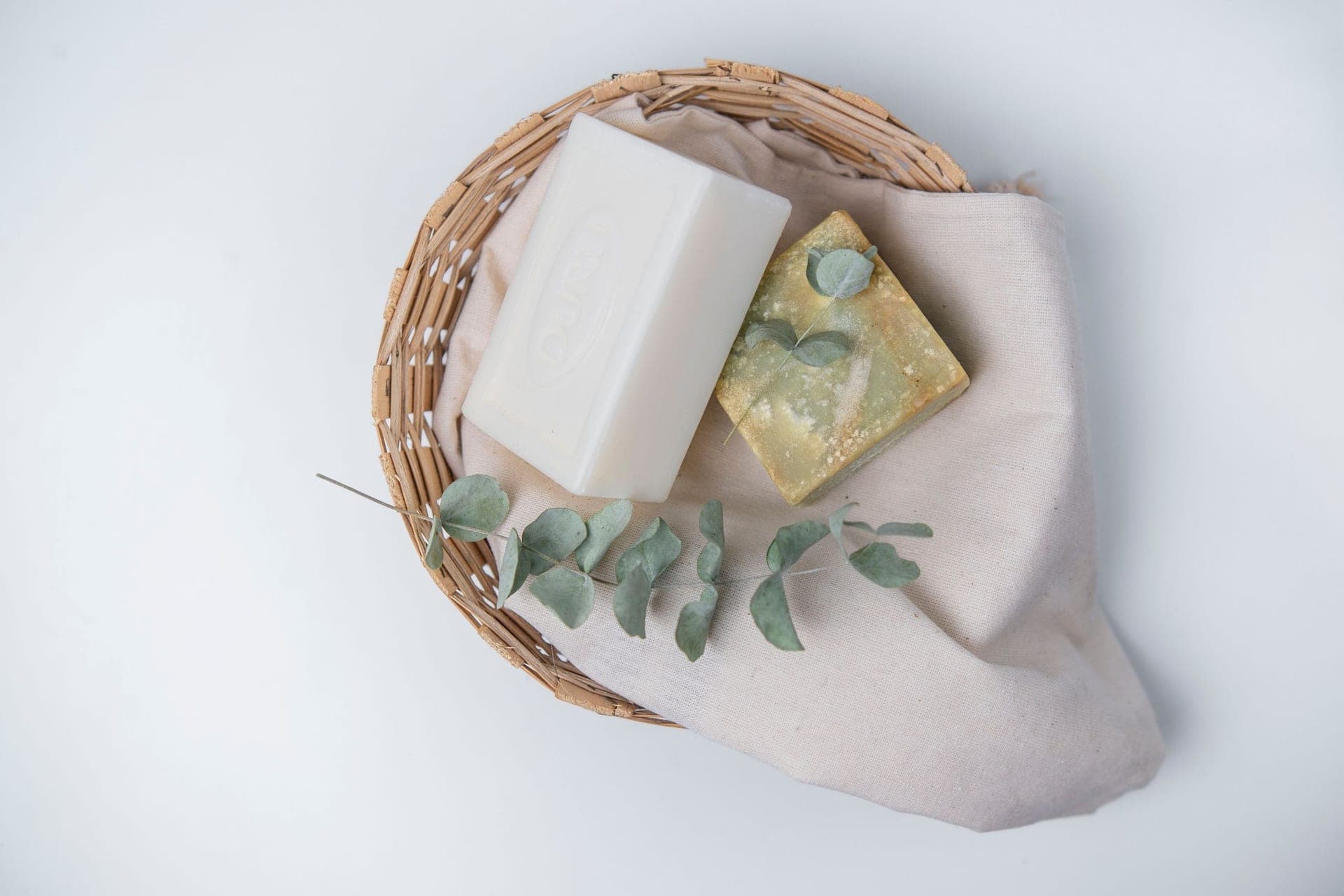
Cold process soap needs 4 to 6 weeks of curing before it's ready to use, and high-olive recipes like Castile need months. Saponification itself finishes within a day or two, so a cured bar isn't safer than a fresh one in the lye sense. What the cure does is evaporate the water, let the soap's crystal structure settle, and turn a soft, thin-lathering bar into a hard, mild one that lasts twice as long in the shower. Skip it and you get a bar that dissolves fast, lathers poorly, and feels drying. This guide covers what changes on the rack, how long different recipes take, how to set up a curing space, and how to tell by weight when a bar is done.
- What Is Curing Soap?
- What Actually Changes While Soap Cures?
- Why Does Curing Matter?
- How Long Does Soap Need to Cure?
- Cure Time by Recipe
- How Does the Recipe Change Cure Time?
- How to Cure Soap Properly
- How Do You Know When Soap Is Cured?
- Can You Speed Up Curing?
- Can You Cure Soap Too Long?
- Frequently Asked Questions
What Is Curing Soap?
Curing is the stretch between cutting the bars and using them, usually spent on a rack in a spare room. It isn't the same thing as saponification. The lye and oils finish reacting within 24 to 48 hours in the mold, and by the time you cut, a properly made bar already passes the zap test. Curing is everything that happens after that: water leaving the bar, the soap's internal structure organizing itself, and the bar hardening and mellowing as a result. Think of a woodworker drying lumber: the board is already a board, but it isn't ready to build with until it's lost its water and stopped moving.
What Actually Changes While Soap Cures?
Three things, on three different timelines.
Water leaves. Your soap contains 30-40% water when first made, all of it from the lye solution. Water evaporates from the surface and more migrates out from the center to replace it. Most of the loss happens in the first two weeks, then it slows until the bar reaches a stable weight in balance with the humidity of the room. A bar that's lost its water is harder, denser, and dissolves more slowly.
The crystal structure settles. Soap isn't a uniform solid. The soap molecules pack into ordered, layered structures, and as water leaves they rearrange into tighter, more crystalline regions. That reorganization is why a four-week-old bar lathers differently from a four-day-old one made from the same batter, and why a bar keeps improving after its weight has stopped changing.
The bar gets milder. Fresh soap has traces of free lye that finished reacting late. Over the first couple of weeks the last of that reacts and the pH drifts down slightly and stabilizes around 9-10. The bigger change in mildness comes from the structure: a tighter crystalline bar releases its soap into the lather more gradually, which feels gentler on skin.
Why Does Curing Matter?
Hardness and longevity
A cured bar can last twice as long as an uncured one. That's mostly water. A fresh bar is partly water by weight, and water dissolves in the shower with no effort, taking soap with it.
Mildness
A cured bar is gentler on skin than the same bar used fresh. People who say handmade soap dried their skin out have often used a bar that was a week old.
Lather
Cured soap lathers better, with denser, more stable bubbles. Fresh soap gives thin, quick lather because the surface dissolves too easily. Part of the improvement is structural, which is why hot process soap, already dry, still lathers better after a few weeks.
Fragrance and color
Scent settles during the cure. Sharp top notes soften and the raw-batter smell fades. Natural colorants shift too: some deepen, some fade, and a bar that looked wrong at the cut often looks right at six weeks.
How Long Does Soap Need to Cure?
Standard cold process soap needs 4 weeks at minimum and is better at 6. That's the number to plan around for a balanced recipe. High-olive soap is the exception: Castile soap needs 6 months at minimum and is at its best around a year, because olive-heavy bars stay soft and slimy-lathering for a long time. Hot process soap can be used within a week or two, since the cook drives off much of the water, but it still firms up and lathers better after 4 weeks on the rack.
Cure Time by Recipe
| Recipe Type | Minimum Cure | Ideal Cure |
| ------------- | ------------- | ------------ |
| Standard balanced | 4 weeks | 6 weeks |
| High coconut (>50%) | 2-3 weeks | 4 weeks |
| High olive (>70%) | 6 months | 12 months |
| Salt bars | 4-6 weeks | 8 weeks |
| Milk soap | 4 weeks | 6 weeks |
| Hot process | 1-2 weeks | 4 weeks |
| Shampoo bars | 4 weeks | 6 weeks |
Treat these as starting points. Climate, mold, and water amount all move the numbers.
How Does the Recipe Change Cure Time?
Cure time isn't set by tradition. It's set by how much water is in the bar and how fast the soap it's made of hardens.
Water in the recipe. The more water in your lye solution, the more has to leave. A recipe made at a higher lye concentration starts the cure with less water and reaches a stable weight sooner. The water discount and lye concentration guide covers how far you can push that. Less water shortens the drying part of the cure, but the structural changes still take their time, so it won't turn a 4-week cure into a 1-week one.
Hard oils versus soft oils. Coconut, palm, tallow, lard, and the butters make soap that's hard from the start. Olive, sweet almond, sunflower, and avocado make soap that starts soft and stays soft for weeks. A bar that's mostly soft oils needs the long cure to firm up at all, which is why Castile takes months and a tallow bar feels done at four weeks. The hardness and longevity scores in the Soaply calculator predict this before you mix.
Superfat. Free oil in the bar never hardens. More of it means a softer bar that takes longer to feel cured and is more exposed to rancidity on a long cure. The superfat guide explains the trade-off.
Salt and sugar. Salt bars are rock hard within hours but still need a long cure to lather well and lose their harshness, so makers give them 8 weeks or more. Sugars, milk, and honey pull moisture from the air and can keep a bar feeling damp longer in humid weather.
Mold shape. Thin bars from a slab mold lose water faster than thick bars, and a big round bar dries slowest of all. Cavity molds hold moisture against the soap for the first few days. The molds guide covers which shapes dry fastest.
How to Cure Soap Properly
The Setup
- Pick a room with a steady temperature, ideally 60-80°F, and low humidity
- Use a curing rack, a wire shelf lined with parchment, or a cardboard box with the flaps open
- Leave air space on all sides of every bar, including underneath
- Keep the bars out of direct sunlight, which fades color and warms the oils
- Keep them away from strong smells, which soap absorbs
A coated wire rack or a wooden rack is ideal. Bare metal can rust, and rust contact speeds rancidity.
The Process
- Unmold after 24 to 48 hours, or when the bar is firm enough to hold an edge
- Cut into bars
- Stand the bars on end or on a narrow edge, with a finger's width between them
- Turn them every week or so for the first month so all faces dry evenly
- Weigh one marked bar every week and write the number down
- Wait 4 to 6 weeks minimum, longer for the recipes in the table above
Best Curing Locations
- A closet shelf with the door left ajar
- A spare bedroom
- A dedicated curing rack in a workroom
- A covered porch in a dry climate
Worst Curing Locations
- Anywhere in direct sun
- A garage or attic with big temperature swings
- A bathroom or laundry room, where humidity keeps the bar damp
- A sealed container or plastic bag, which traps the water you're trying to lose
How Do You Know When Soap Is Cured?
The scale is the only objective test. Pick one bar from the batch, mark it, and weigh it the day you cut. Weigh it again once a week. It'll drop fast the first week, more slowly the second and third, and then settle. When two weekly readings are within a gram or two of each other, the bar has stopped losing water. Most balanced recipes lose 10-15% of their cut weight and reach that plateau around week four. A Castile bar keeps drifting down for months.
A stable weight means the drying is done. Give it another week or two for the lather and mildness to catch up. The hand tests back up the scale:
Ready to Use
- Firm when pressed hard with a thumb, with no dent left behind
- Corners and edges are hard, not waxy
- No damp, cool, or tacky feel on the surface
- Weight has plateaued
- Smells clean, with the fragrance settled and no raw-batter smell
Not Ready Yet
- Dents under a thumb
- Feels cool or slightly damp to the touch
- Still losing weight week to week
- Edges smear when you press a fingernail in
- Lathers thin and disappears fast in a test wash
Can You Speed Up Curing?
Partly. You can speed up the water loss. You can't speed up the rest.
Use less water. A higher lye concentration means the bar starts with less water to lose. Our calculator lets you adjust this. It's the biggest lever you have, and it also reduces soda ash and shrinkage.
Move the air and dry the room. A fan in the curing room keeps humid air from settling around the bars. Don't point it at the soap, or the exposed faces dry faster than the rest and the bars warp. In a damp climate, a dehumidifier cuts weeks off the drying phase.
Cut thinner bars, or go hot process. More surface for the same weight of soap means faster drying, and cooking the soap drives off water before molding. Hot process bars can be used sooner, though they still improve on the rack.
What doesn't work: an oven, a dehydrator, or a sunny windowsill. Heat sweats oil out of the bar, warps it, and does nothing for the structural changes that make cured soap better. Even with every trick above, plan on a month for a standard recipe.
Can You Cure Soap Too Long?
No. Soap improves indefinitely, and a bar that's a year old is usually harder, milder, and better lathering than the same bar at six weeks. Some makers hold their Castile for two years on purpose.
The only risks over a long cure are rancidity and scent loss. Rancidity shows up as orange spots and a crayon smell, and it comes from unstable oils and warm, damp storage rather than from age itself. Fragrance, especially citrus essential oils, fades over months, so a bar you plan to keep for a year is better scented with base notes or a fixative.
The Patience Payoff
It's hard to wait, but cured soap is worth it:
- Lasts 2-3x longer in the shower
- Better lather and bubbles
- Gentler on skin
- Professional quality you can be proud of
Use our Soaply calculator to plan batches ahead of time. If you want soap ready for a holiday or a craft fair, count back 6 weeks from the date you need it, add a week for cutting and packaging, and mix on that day. Every experienced soapmaker has a shelf of bars that are "not ready yet," and that stash is the secret to always having good soap on hand.
💬 Frequently Asked Questions
How long does cold process soap need to cure?
Standard cold process soap needs 4-6 weeks of curing. High-olive recipes (like Castile soap) benefit from 6-12 months. Hot process soap can technically be used within a week or two but improves with 4 weeks of curing.
What happens if you use soap before it's cured?
Uncured soap is softer, dissolves faster in water, and may feel harsher on skin. The bar hasn't had time to lose its water or develop its crystalline structure, so lather quality will be lower and the bar won't last as long. It's safe to use if it passes the zap test, just not at its best.
Can you over-cure soap?
No! Soap actually improves with age. A bar cured for 6 months or even a year will be harder, milder, and produce better lather than one cured for just 4 weeks. The only risk is rancidity (DOS) if you used unstable oils or stored the bars somewhere warm and damp.
How do you know when soap is done curing?
A cured bar feels firm when pressed, has hard corners, and no longer feels damp or tacky. Track progress by weighing one marked bar weekly. Once it has lost 10-15% of its original weight and two weekly readings match, the drying is done, and a week or two more finishes the cure.
Does soap need to cure in the dark?
Not in the dark, but out of direct sun. Sunlight fades colorants and warms the oils in the bar, which speeds rancidity. A shaded room with normal daylight and moving air is ideal. Sealing bars in a dark box defeats the purpose, since they need airflow to lose water.
Ready to Try It?
Use our free soap calculator to create your perfect recipe with real-time property predictions.
Open Calculator