How to Make Brine Soap (Saltwater Spa Bars)
Brine soap recipe and step-by-step guide. Learn how to dissolve salt in your lye water for hard, white spa bars with creamy lather and fast unmolding.

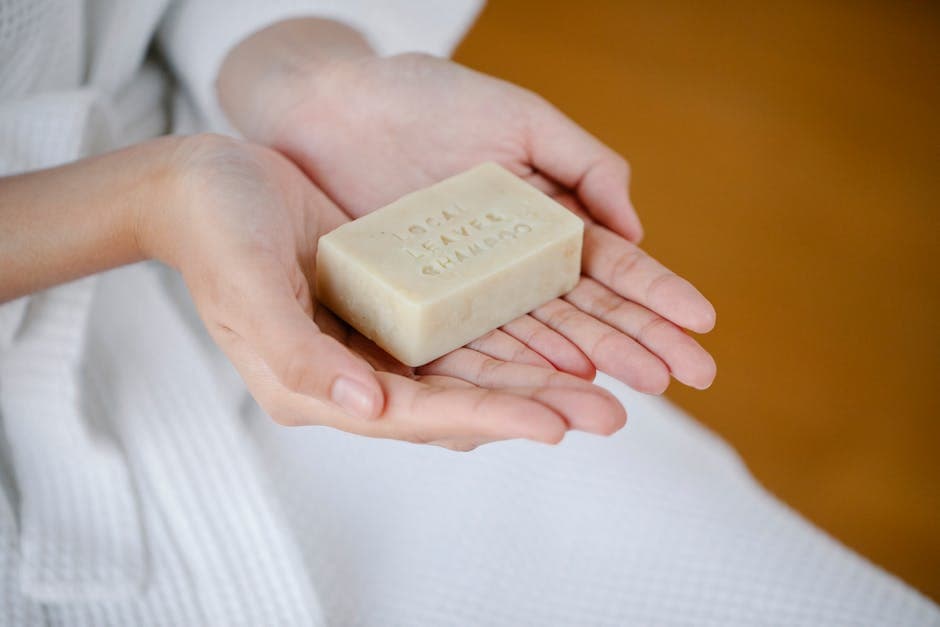
Brine soap is cold process soap made with a saturated saltwater solution in place of plain water. You dissolve up to 25% salt in distilled water by weight, then add lye to that brine and combine it with your oils as usual. The finished bars are bright white, rock hard, and produce a dense, creamy lather that feels closer to lotion than typical lye soap.
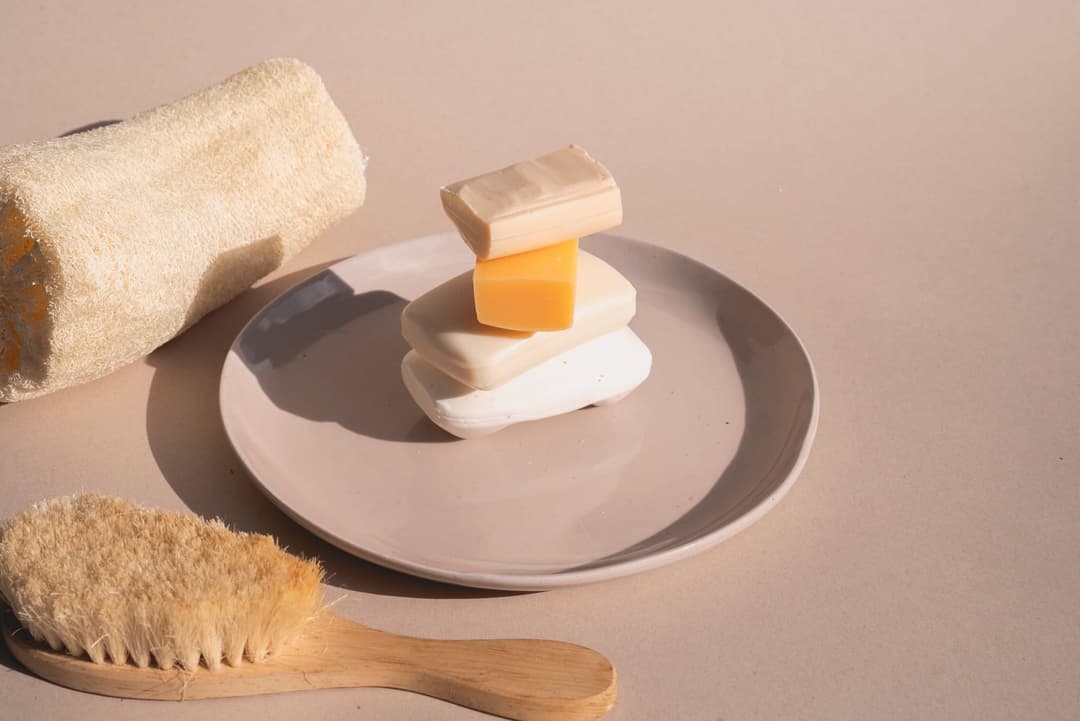
Brine soap goes by a few names. In Germany it's called Soleseife and dates back to bath houses near natural salt springs. American soapmakers often call the same recipe a "spa bar" or "ocean bar." Whatever the name, the technique is the same: salt goes into the water, not into the batter, which makes brine soap completely different from a salt bar.
- What Brine Soap Actually Is
- Brine Soap vs Salt Bars: The Real Difference
- Why Brine Soap Needs a Specific Recipe
- Brine Soap Recipe
- Step-by-Step Instructions
- Common Mistakes and How to Avoid Them
- Variations and Customizations
- Curing and Using Brine Soap
- Frequently Asked Questions
What Brine Soap Actually Is
Brine soap starts with a saturated or near-saturated saltwater solution. Common ratios run 15% to 25% salt by weight of the water, which works out to 30 to 75 grams of salt per 300 grams of water. The salt has to fully dissolve before you add the lye, since the lye reaction will heat the brine and force any undissolved salt back out of solution.
Once the brine cools, you mix in your sodium hydroxide just like a normal lye solution. The lye dissolves into the saltwater without issue, and you proceed with cold process soap from there. Because the water now contains a heavy load of dissolved sodium chloride, the finished bar behaves very differently from one made with plain water.
The salt does three things to the finished soap. It hardens the bar dramatically, so much that brine soap is usually unmolded and cut within 2 to 4 hours instead of overnight. It bleaches the bar bright white, even with golden oils like olive. And it cuts down on bubbly lather, which is why brine recipes have to be built around oils that compensate.
Brine Soap vs Salt Bars: The Real Difference
The two get confused all the time, but they're built differently and behave differently.
A salt bar is made by adding solid salt directly to the soap batter at light trace. The salt stays as solid crystals inside the bar, which gives it a slightly scratchy, exfoliating feel. Salt bars use 50% to 100% salt by weight of the oils, and they have to be cut within hours or they turn into bricks.
Brine soap dissolves the salt in the water before any lye or oils touch it. The salt is invisible in the finished bar, distributed evenly through the soap matrix. No crunch, no exfoliation, just a smooth dense bar. Brine soap uses 15% to 25% salt by weight of the water, which is a small fraction of what a salt bar uses.
If you want a scrubby, polishing bar, you want a salt bar. If you want a creamy, silky, slow-melting bar that lathers like lotion, you want brine soap. They feel completely different in the shower.
Why Brine Soap Needs a Specific Recipe
Salt suppresses lather. A standard balanced recipe that lathers beautifully with plain water will produce a flat, sticky bar if you swap in brine. The fix is to overweight the recipe with lather-friendly oils.
The single most important number is your coconut oil percentage. Coconut oil produces big, fluffy lather even in salt water, which is why coconut became the cornerstone of brine recipes. Most successful brine soaps run 50% to 80% coconut oil. That's far above the 20% to 30% you'd use in a normal bar.
A coconut-heavy recipe normally strips skin, but two factors fix that for brine soap. First, the salt itself softens the feel of the bar. Second, brine soap is built with a high superfat (15% to 20%) to leave extra moisturizing oil in the finished bar. The combination of high salt, high coconut, and high superfat gives you a bar that lathers like crazy without drying skin out.
Brine Soap Recipe
This recipe makes about 1,000 grams of soap, which fills a standard 10 inch silicone loaf mold.
| Ingredient | Amount | Percentage |
| ------------ | -------- | ------------ |
| Coconut Oil (76 degree) | 480g | 80% |
| Olive Oil | 60g | 10% |
| Castor Oil | 30g | 5% |
| Shea Butter | 30g | 5% |
| Distilled Water | 198g | 33% of oil weight |
| Sea Salt or Fine Table Salt | 50g | 25% of water weight |
| Sodium Hydroxide (Lye) | 89g | 15% superfat, confirm in Soaply |
| Superfat | 15% |
Run these numbers through the Soaply calculator before you measure, so you can verify the lye amount for your exact oil weights and confirm the fatty acid breakdown.
For salt, use a fine plain sea salt or non-iodized table salt. Skip flavored salts, pink Himalayan with added minerals, or anything with anti-caking agents. The cleaner the salt, the cleaner the bar.
Step-by-Step Instructions
Step 1: Mix the Brine
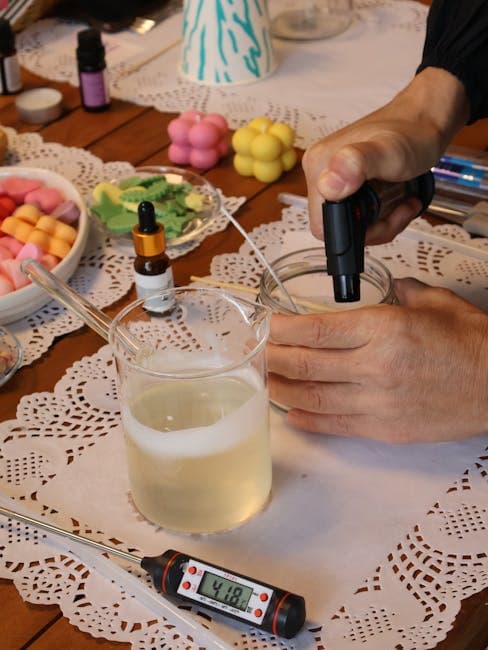
Weigh your distilled water into a heat-safe pitcher. Add the salt and stir until completely dissolved. This can take a few minutes of stirring, and the water will turn slightly cloudy then clear up. If you see any undissolved salt at the bottom, keep stirring or warm the water gently. Salt must be fully dissolved before lye goes in.
Step 2: Add the Lye
In a well-ventilated area with safety gear on, slowly add the sodium hydroxide to the brine while stirring. Never pour brine onto lye. The solution will heat up to 180 to 200 degrees F and may look slightly cloudy at first. Stir until clear, then set aside to cool.
Brine takes a little longer to cool than plain lye water. Plan for 30 to 45 minutes before it drops to your target temperature.
Step 3: Melt the Oils
While the lye solution cools, weigh and melt your coconut oil, shea butter, and the liquid oils. Coconut oil at 76 degrees melts easily on low heat. Stir to combine, then let the oil mixture cool to about 90 to 100 degrees F.
Step 4: Combine and Stir to Trace
Both your brine-lye solution and your oils should be within 10 degrees of each other and below 110 degrees F. Pour the lye solution into the oils through a strainer to catch any undissolved bits.
Use a stick blender in short pulses, alternating with hand stirring. Brine soap traces fast because of the high coconut percentage. Stop blending as soon as you hit thin to medium trace. Over-blending will give you a paste you can't pour.
Step 5: Add Fragrance and Pour
If you're using fragrance or essential oils, add them at light trace and stir in by hand. Brine soap accepts most fragrances well, but skip anything that accelerates badly since you're already working against a fast-tracing batter.
Pour into your mold quickly. The batter sets up much faster than standard cold process. Don't bother with elaborate swirls. Simple pours and a flat top work best.
Step 6: Watch the Cure
Brine soap typically does not need insulation. The high coconut percentage and salt content create plenty of internal heat. Cover the mold lightly with a sheet of cardboard or leave it uncovered in a draft-free spot.
Check the loaf at the 2 hour mark. Brine soap is ready to unmold and cut when it feels firm and slightly cool, usually between 2 and 4 hours after pouring. If you wait too long, it will turn into a brick that has to be cut with a saw.
Common Mistakes and How to Avoid Them
Adding salt to a normal recipe without rebalancing. Salt in plain water suppresses lather, so a standard 30% coconut recipe will turn into a sad, sticky bar. Rebuild the recipe around 60% to 80% coconut oil and a 15% to 20% superfat.
Letting salt sit undissolved. Lye added to a solution with crystalline salt at the bottom creates a mess. Stir the brine until clear before any lye touches it.
Waiting too long to cut. A brine loaf that looked perfect at hour 2 can be unsliceable at hour 8. Set a timer, check at the 2 hour mark, and cut as soon as the loaf is firm.
Using iodized or mineral-rich salt. Iodine and added minerals can spot the bar or affect color. Stick with plain non-iodized salt or a basic fine sea salt.
Skipping the strainer. Even fully dissolved brine can leave faint residue at the bottom of the pitcher. A small mesh strainer between your lye solution and oils catches anything you don't want in the batter.
Variations and Customizations
Higher salt percentages. You can push the brine up to 30% salt by weight of water, but the recipe becomes harder to work with. Trace happens faster, the bar gets harder to cut, and the lather suppression gets more aggressive. 20 to 25% is the sweet spot for most makers.
Sea minerals. Some makers swap a portion of the salt for kelp powder, sea clay, or dead sea salt. These give the bar a green or grey tint and a mineral marketing angle, though the differences in skin feel are subtle.
Adding clay. A teaspoon of kaolin or white clay per pound of oils gives brine soap a slightly silky drag in the shower. Mix the clay into a small amount of the oils or distilled water before adding to the main batter.
Skipping fragrance. Brine soap on its own has a very clean, soap-flake scent. Many makers leave it unscented since the natural smell is part of the appeal.
Coloring. Brine soap blanches white, which makes it a great base for color. Micas, ultramarines, and oxides all work as long as you premix them in a small amount of oil. Skip anything pH sensitive since the bar's pH is in the standard cold process range.
For deeper guidance on coloring, see the natural soap colorants guide.
Curing and Using Brine Soap
Brine soap cures faster than typical cold process. The high coconut content and low water-to-oil ratio mean less water needs to evaporate. A 4 week cure is usually enough, and many makers find that bars are usable at 3 weeks if you're patient with the lather development.
The bars are very hard and last a long time in the shower. A typical 4 ounce brine bar can outlast two regular cold process bars of the same size. Store them in a well-draining dish so they can dry between uses, which extends their life even more.
Brine soap is also less prone to dreaded orange spots than oil-heavy recipes, since the linoleic acid percentage stays low when coconut dominates the recipe.
💬 Frequently Asked Questions
What is the difference between brine soap and salt bars?
Brine soap dissolves salt in the water before mixing with lye and oils, so the finished bar is smooth and creamy. Salt bars add solid salt crystals to the soap batter at trace, so the finished bar is scrubby and exfoliating. Brine uses 15 to 25% salt by weight of water; salt bars use 50 to 100% salt by weight of oils.
How much salt do you put in brine soap?
Most brine soap recipes use 15% to 25% salt by weight of the water in the recipe. For 300 grams of water, that's 45 to 75 grams of salt. Going above 30% makes the recipe hard to work with and can leave undissolved salt that messes up the bar.
Can you use any salt for brine soap?
Use plain non-iodized table salt or a basic fine sea salt. Avoid iodized salt, salt with anti-caking agents, and mineral-heavy salts like pink Himalayan, since added components can discolor the bar or interfere with saponification.
How long does brine soap take to cure?
Brine soap cures in about 4 weeks, which is faster than most cold process recipes because the high coconut content and lower water amount mean less water needs to evaporate. Some makers find brine soap is usable at 3 weeks, though lather improves with a full 4 to 6 week cure.
Does brine soap dry out skin?
Not if it's formulated correctly. Brine soap uses 60% to 80% coconut oil, which normally strips skin, but a 15% to 20% superfat compensates by leaving extra moisturizing oil in the finished bar. The dissolved salt also softens the feel of the lather, so a properly built brine bar feels creamy rather than stripping.
Run the Recipe Through the Calculator First
Brine soap is one of those recipes where the numbers really matter. The high coconut percentage and high superfat work together, and changing one without the other gives you a bar that's either too harsh or too soft. Plug your oil weights, target superfat, and water amount into the Soaply calculator before you measure anything. You'll get the exact lye amount and a fatty acid breakdown that confirms your recipe is balanced for a brine bar before you commit to a batch.
Once the numbers check out, the rest is just dissolving salt, blending fast, and cutting on time.
Ready to Try It?
Use our free soap calculator to create your perfect recipe with real-time property predictions.
Open Calculator