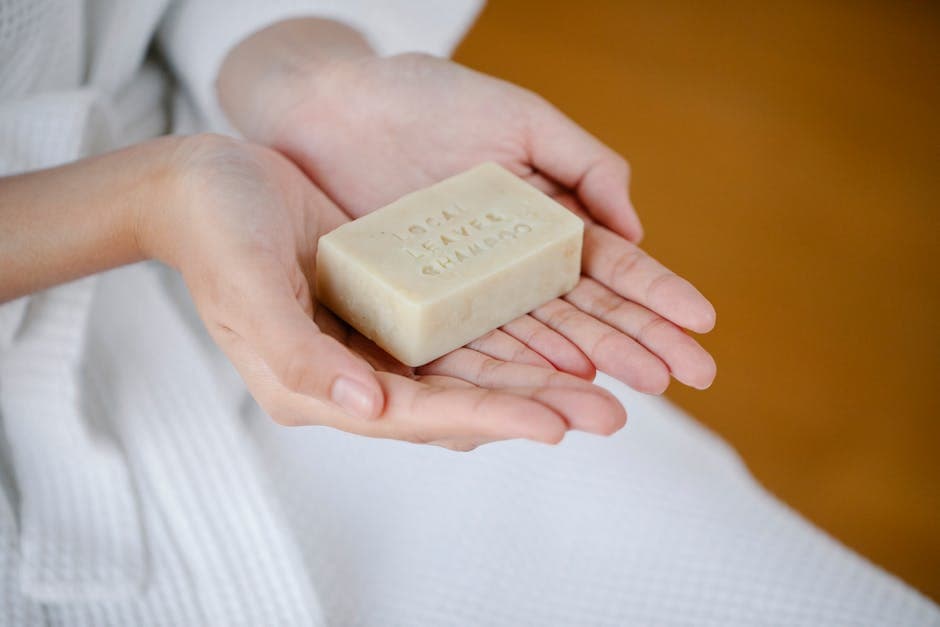
How to Make Tea Tree Soap (Cold Process Recipe for Clear Skin)
Make tea tree soap at home with this cold process recipe. Learn the right usage rate, best oil pairings, and why tea tree is a top pick for acne-prone skin.
Tea tree essential oil is one of the best-performing additions you can put in handmade soap. It's naturally antimicrobial, it smells clean without being overpowering, and it holds up well through saponification. If you've been wanting a soap that pulls its weight for oily or blemish-prone skin, this cold process tea tree soap recipe is where to start.
- Why Tea Tree Oil Works So Well in Soap
- How Much Tea Tree Oil Should You Use in Cold Process Soap?
- Cold Process Tea Tree Soap Recipe
- Step-by-Step Instructions
- Best Oils to Pair with Tea Tree in Soap
- How to Add Color to Tea Tree Soap
- Tea Tree and Charcoal Soap Variation
- Tips for Getting the Strongest Tea Tree Scent
- Frequently Asked Questions
Why Tea Tree Oil Works So Well in Soap
Tea tree oil (Melaleuca alternifolia) has been used for skin care for decades. It's popular in handmade soap for three good reasons.
First, it's antimicrobial. Tea tree oil is a common ingredient in acne and blemish products, though in a rinse-off bar its main contribution is the clean, medicinal scent. While saponification does change the chemistry of your soap batter, some of tea tree's beneficial compounds survive the process, especially at higher usage rates.
Second, it behaves well in cold process. Unlike cinnamon or clove essential oils that can seize your batter in seconds, tea tree plays nice. It doesn't accelerate trace, doesn't discolor your soap, and doesn't cause ricing. You can pour swirls, layers, or simple solid bars without worrying about the fragrance ruining your design.
Third, people recognize and trust it. If you sell at craft fairs or online, "tea tree soap" is one of those labels that sells itself. Customers already associate it with clean, clear skin. You don't have to explain what it does.
How Much Tea Tree Oil Should You Use in Cold Process Soap?
The standard recommendation for tea tree essential oil in cold process soap is 3% to 5% of your total oil weight. Here's what that looks like in practice:
- 3% usage rate: Mild scent, gentle for sensitive skin bars. For a 32 oz oil batch, that's about 0.96 oz of tea tree oil.
- 4% usage rate: Good middle ground. Noticeable scent that lasts through cure. About 1.28 oz per 32 oz of oils.
- 5% usage rate: Strong tea tree presence. Best if tea tree is the star of the bar and you want the scent to really come through. About 1.6 oz per 32 oz of oils.
Going above 5% isn't recommended. Tea tree is potent, and higher concentrations can irritate skin. Stick to the 3% to 5% range and you'll get a bar that smells great and feels good.
Use the Soaply lye calculator to plug in your oil weights and figure out the exact amount of tea tree oil for your batch size.
Cold Process Tea Tree Soap Recipe
This recipe makes about 6 to 8 bars depending on your mold. It produces a hard, well-lathered bar with a creamy feel and good cleansing power.
Oil Blend (32 oz total)
| Oil | Amount | Percentage |
| ----- | -------- | ----------- |
| Olive oil | 12.8 oz | 40% |
| Coconut oil (76 degree) | 8 oz | 25% |
| Palm oil (sustainable) | 6.4 oz | 20% |
| Sweet almond oil | 3.2 oz | 10% |
| Castor oil | 1.6 oz | 5% |
Lye Solution
| Ingredient | Amount |
| ----------- | -------- |
| Sodium hydroxide (NaOH) | Run through Soaply calculator for exact amount |
| Distilled water | 33% lye concentration recommended |
Additives
| Additive | Amount |
| --------- | -------- |
| Tea tree essential oil | 1.28 oz (4% of oil weight) |
| Superfat | 5% |
Always run your recipe through a lye calculator before making soap. Oil SAP values vary slightly by supplier, and getting the lye amount right is non-negotiable for safe soap.
Step-by-Step Instructions
1. Prepare Your Workspace
Put on your safety gear: goggles, gloves, and long sleeves. Clear your counter and have all ingredients measured and ready before you start. If you need a full safety rundown, check our soap making safety guide.
2. Make the Lye Solution
Weigh your distilled water into a heat-safe container (a plastic pitcher or stainless steel pot works). Slowly add the sodium hydroxide to the water, stirring gently. Never add water to lye. The solution will heat up to around 200°F. Set it aside in a safe spot to cool to about 100°F to 110°F.
3. Melt and Combine Your Oils
Melt the coconut oil and palm oil in a large stainless steel pot over low heat. Once melted, remove from heat and add the olive oil, sweet almond oil, and castor oil. Stir to combine and let the oil blend cool to about 100°F to 110°F.
4. Combine Lye Solution and Oils
When both your lye solution and oils are within about 10 degrees of each other (somewhere around 100°F to 110°F), slowly pour the lye solution into the oils. Use a stick blender in short bursts, alternating with stirring, until you reach light trace. Light trace looks like thin pudding. You should be able to drizzle batter across the surface and see it sit on top for a moment before sinking back in.
5. Add Tea Tree Essential Oil
At light trace, pour in your 1.28 oz of tea tree essential oil. Stir it in thoroughly with a spatula or a few short pulses of the stick blender. Tea tree won't accelerate trace, so you have plenty of working time.
6. Pour and Mold
Pour the batter into your prepared mold (silicone molds are easiest for beginners). Tap the mold on the counter a few times to release air bubbles. If you want a smooth top, run a spatula across the surface. For a more rustic look, use a spoon to create peaks and swirls.
7. Insulate and Wait
Cover the mold with a piece of cardboard and wrap it in a towel. This keeps the heat in and helps your soap go through gel phase, which gives you a slightly harder, more translucent bar. Let it sit for 24 to 48 hours.
8. Unmold, Cut, and Cure
After 24 to 48 hours, unmold and cut your soap into bars. Place the bars on a drying rack with airflow on all sides. Cure for 4 to 6 weeks, flipping them every week or so. For more on why curing matters, read our complete guide to curing soap.
Best Oils to Pair with Tea Tree in Soap
Tea tree has a medicinal, camphor-like scent on its own. Blending it with other essential oils makes it more complex and appealing. Here are combinations that work well:
Tea tree + lavender: The classic combo. Lavender softens tea tree's sharpness and adds a floral note. Use a 50/50 blend or 60% lavender, 40% tea tree. Great for a calming, skin-soothing bar.
Tea tree + peppermint: Energizing and cooling. The menthol in peppermint pairs naturally with tea tree's camphor notes. Try 60% tea tree, 40% peppermint. This makes a fantastic morning shower bar.
Tea tree + eucalyptus: Doubles down on the clean, medicinal feel. Good for a "cold and flu season" bar or a decongestant shower soap. Use equal parts of each.
Tea tree + lemongrass: Bright and fresh. The citrusy lemongrass cuts through tea tree's heaviness and gives you a more unisex, spa-like scent. Try 50/50.
Tea tree + rosemary: Herbaceous and grounding. Rosemary's woody undertone complements tea tree without competing. Good for a "garden" themed bar. Use 60% tea tree, 40% rosemary.
How to Add Color to Tea Tree Soap
Tea tree essential oil won't change the color of your soap, so you're working with a blank canvas. Here are a few natural and mica-based coloring options that pair well with the tea tree theme:
French green clay: Add 1 teaspoon per pound of oils for a soft, earthy green. Mix the clay into a small amount of oil before adding to your batter at trace. Green clay also adds a silky feel to the bar.
Spirulina powder: Gives you a bright green. Use 1/2 to 1 teaspoon per pound of oils. Be aware that spirulina can fade to a more muted olive green over time during cure.
Green mica: For a bright, stable green that won't fade. Follow the manufacturer's recommended usage rate (usually about 1 teaspoon per pound of oils). Micas give you the most predictable, consistent color.
Activated charcoal: If you're going for a tea tree and charcoal bar (more on that below), charcoal gives you a dramatic black or dark gray. Use 1 teaspoon per pound of oils.
No color at all: A plain, uncolored tea tree bar looks clean and minimalist. The natural off-white or cream color of cold process soap lets the simplicity speak for itself.
Tea Tree and Charcoal Soap Variation
Tea tree and activated charcoal is one of the most popular soap combinations for oily and acne-prone skin. Charcoal is known for drawing out impurities, and paired with tea tree's antimicrobial properties, you get a bar that's specifically built for problem skin.
To modify the recipe above, simply add 1 tablespoon of activated charcoal powder per pound of oils. Mix the charcoal into a small amount of your melted oils before adding it to the main batch at trace. This prevents clumping and gives you an even, deep gray to black color.
You can also do a split batch: pour half the batter plain (or tinted green) and add charcoal to the other half. Layer or swirl the two together for a striking two-tone bar. Check out our soap swirl techniques guide if you want to try this.
The charcoal version is a great seller if you make soap for markets. Label it as "Tea Tree Charcoal Detox Bar" and it practically walks off the table.
Tips for Getting the Strongest Tea Tree Scent
Tea tree essential oil can fade during cure. It's not the worst offender (citrus oils fade much faster), but you'll notice the scent is milder after 6 weeks than when you first poured. Here's how to maximize staying power:
Use the full 5% rate. If you want a strong tea tree scent in the finished bar, start at the higher end of the usage range. After cure, 5% will smell like what 3% smelled like at pour time.
Add at light trace, not medium. The less you blend after adding essential oil, the less heat and air exposure it gets. Stir it in gently rather than hitting it with the stick blender for 30 seconds.
Anchor with a fixative. Adding a small amount of a heavier essential oil like cedarwood or patchouli (about 10% to 15% of your total essential oil blend) helps anchor the tea tree scent. These base notes are heavier molecules that evaporate more slowly and "hold" the lighter tea tree compounds in place.
Don't overheat. If your soap overheats during gel phase (gets a crack down the center or develops glycerin rivers), it can burn off volatile essential oils. Don't insulate too heavily, especially in a warm room.
Cure in a cool, dark place. Direct sunlight and heat during cure will fade any essential oil faster. A closet shelf or a shaded room with decent airflow is ideal.
💬 Frequently Asked Questions
Is tea tree soap good for acne?
Tea tree oil has natural antimicrobial properties that can help with acne-prone skin. It won't replace a full skincare routine, but many people find that washing with tea tree soap reduces breakouts over time. The key is consistency and pairing it with gentle, non-stripping oils like olive and sweet almond.
Can I use tea tree fragrance oil instead of essential oil?
You can, but it's a different product. Tea tree fragrance oil is a synthetic blend that mimics the smell but doesn't carry the same skin benefits as pure Melaleuca alternifolia essential oil. If you're making this soap specifically for skin care properties, stick with the real essential oil. If you just want the scent, fragrance oil works fine.
Does tea tree essential oil discolor cold process soap?
No. Tea tree is one of the most well-behaved essential oils for cold process soap. It won't change the color of your batter, won't cause acceleration, and won't rice or seize. You can use it confidently in swirl designs or layered pours.
How long does tea tree soap need to cure?
The standard cure time is 4 to 6 weeks, same as most cold process soap. During this time, excess water evaporates, the bar hardens, and the pH drops to skin-safe levels. You can use it a bit earlier in a pinch, but the full cure gives you a longer-lasting bar with a better lather.
Can I combine tea tree oil with other essential oils in soap?
Yes, and it's actually recommended. Tea tree blends beautifully with lavender, peppermint, eucalyptus, lemongrass, and rosemary. Blending creates a more complex scent profile and can help anchor tea tree's lighter notes so the fragrance lasts longer through the cure.
Make Your First Batch
Tea tree soap is one of the most rewarding recipes to master because it's forgiving to make and people love using it. Plug this recipe into the Soaply calculator to scale it for your mold, grab some quality tea tree essential oil, and you'll have bars curing on the rack by tonight.
If you're brand new to soap making, start with our beginner's guide to cold process soap to make sure you've got the basics down. And if you want to explore more recipe ideas, check out our lavender soap recipe or activated charcoal soap guide.
Ready to Try It?
Use our free soap calculator to create your perfect recipe with real-time property predictions.
Open Calculator