How to Infuse Oils for Soap Making: 3 Methods That Actually Work
Learn how to infuse oils with herbs for soap making using cold, hot, and crockpot methods. Includes best herbs, carrier oils, storage tips, and a starter recipe.
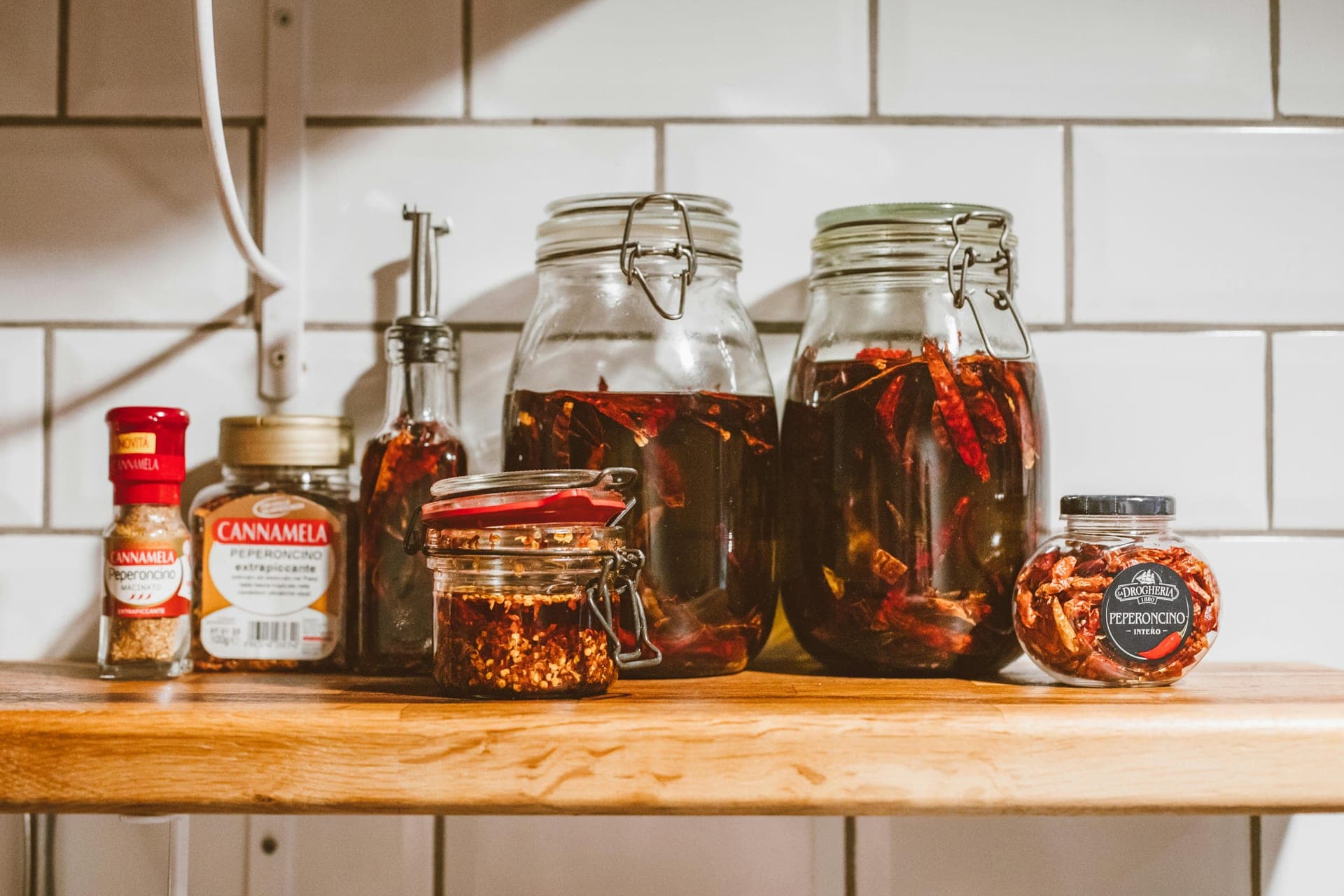
Herb-infused oils are one of the simplest ways to add natural color, subtle skin benefits, and a handcrafted touch to your cold process soap. Instead of reaching for synthetic colorants or additives, you steep dried herbs directly in your carrier oil for days or hours, then use that oil in your soap recipe as a 1:1 replacement. It's low-tech, affordable, and gives your bars a story worth telling.
- What Are Infused Oils and Why Use Them in Soap?
- Which Carrier Oils Work Best for Infusing?
- Best Herbs and Botanicals for Soap Making Infusions
- Method 1: Cold Infusion (Slow and Simple)
- Method 2: Stovetop Heat Infusion (Same-Day Results)
- Method 3: Crockpot Infusion (Hands-Off Heat)
- How to Use Infused Oils in Cold Process Soap
- Do Herbal Benefits Survive Saponification?
- How to Store Infused Oils Without Spoiling Them
- Starter Recipe: Calendula-Infused Gentle Bar
- Frequently Asked Questions
What Are Infused Oils and Why Use Them in Soap?
An infused oil is a carrier oil (like olive or sweet almond) that's been steeped with dried herbs, flowers, or spices. The oil slowly pulls out the plant's color compounds, and in some cases, beneficial phytochemicals like antioxidants and anti-inflammatory agents.
Soap makers use infused oils for a few reasons:
- Natural color. Calendula gives a warm golden yellow. Madder root creates dusty pinks. Annatto seeds produce deep orange. These colors come from the plant itself, not a lab.
- Skin-friendly properties. While saponification changes a lot (more on that later), the superfat portion of your bar retains unsaponified oil, and that's where herbal benefits hang on.
- Marketing appeal. "Calendula-infused olive oil" on a label tells a better story than "Yellow Oxide #4." If you're selling handmade soap, that matters.
- It's fun. There's something satisfying about growing calendula in your garden, drying the petals, steeping them in oil for weeks, and then turning that oil into soap. It connects you to the whole process.
Infused oils aren't the same as essential oils. Essential oils are concentrated aromatic compounds distilled from plants. Infused oils are just carrier oils with plant material soaked in them. They're much gentler, much cheaper, and won't add fragrance to your finished soap.
Which Carrier Oils Work Best for Infusing?
You can infuse almost any soap-making oil, but some work better than others. The two things you want are a long shelf life (so the infusion doesn't go rancid while it steeps) and a neutral enough profile that it doesn't fight the herb.
| Carrier Oil | Shelf Life | Why It Works |
| --- | --- | --- |
| Olive oil (pomace or pure) | 2+ years | Most popular choice. Excellent at extracting plant compounds. Already in most soap recipes. |
| Sweet almond oil | 1-2 years | Lightweight, absorbs herb properties well. Great for facial bars. |
| Sunflower oil (high oleic) | 1-2 years | Affordable, widely available, neutral flavor and color. |
| Jojoba oil | 5+ years | Technically a wax, so it almost never goes rancid. Best for long cold infusions. |
| Avocado oil | 1-2 years | Rich and nourishing. Good for luxury bars. |
Oils to avoid for infusing: Anything with a short shelf life. Grapeseed oil, hemp seed oil, and flaxseed oil go rancid fast, sometimes within 6 months. If you're doing a 4-6 week cold infusion, that's a big chunk of the oil's usable life spent sitting at room temperature. Stick to stable oils.
Pro tip: Use the same oil you'd normally include in your soap recipe. If your formula calls for 40% olive oil, infuse some of that olive oil with herbs. That way, you don't need to reformulate. Just swap the infused olive oil in where plain olive oil used to go, and the lye calculation stays exactly the same.
Best Herbs and Botanicals for Soap Making Infusions
Not every herb infuses well, and not every infusion produces visible color in finished soap. Here are the ones that actually deliver results:
For Color
| Herb/Botanical | Color in Soap | Notes |
| --- | --- | --- |
| Calendula petals | Golden yellow | The gold standard (literally). Reliable, bright, and easy to find. |
| Madder root | Dusty pink to deep rose | Deeper color at higher concentrations. Use powder for strongest tint. |
| Annatto seeds | Orange to deep gold | Very potent. A little goes a long way. |
| Alkanet root | Purple to blue-gray | Color shifts during saponification. Results vary by batch. |
| Paprika | Peach to salmon | Gentle warmth. Won't produce bright red. |
| Turmeric | Bright yellow | Powerful stain. Use sparingly or it'll turn everything yellow, including your towels. |
| Spirulina | Green | Can shift to brown in high-pH soap. Works best at lower temperatures. |
For Skin Benefits
| Herb | Traditional Benefit | Best For |
| --- | --- | --- |
| Calendula | Anti-inflammatory, wound healing | Sensitive skin, baby soap |
| Chamomile | Soothing, calming | Sensitive skin bars, facial soap |
| Lavender buds | Relaxing, mild antiseptic | All-purpose bars |
| Comfrey leaf | Cell regeneration, skin repair | Gardener's soap, rough hands |
| Plantain leaf | Anti-itch, anti-inflammatory | Outdoor/camping soap |
| Rosemary | Antioxidant, stimulating | Shampoo bars, invigorating bars |
Important: Always use fully dried herbs for infusions. Fresh herbs contain water, and water trapped in oil creates the perfect environment for bacteria and mold. If you're drying your own garden herbs, give them a full week in a dehydrator or a warm, dry room before infusing.
Method 1: Cold Infusion (Slow and Simple)
Cold infusion is the traditional approach. You don't need any special equipment, just patience.
What you'll need:
- Clean, dry mason jar (quart size works well)
- Dried herbs (about 1/4 to 1/3 cup per cup of oil)
- Carrier oil of choice
- Cheesecloth, coffee filter, or fine mesh strainer
- A label and marker
Steps:
- Fill the jar about 1/4 to 1/3 full with dried herbs.
- Pour carrier oil over the herbs until they're fully submerged with at least an inch of oil above them. Herbs that poke above the oil line can grow mold.
- Stir gently with a clean chopstick to release air bubbles.
- Cap the jar tightly and label it with the herb, oil, and date.
- Place it in a warm, sunny windowsill (or a consistently warm spot in your house).
- Shake or swirl the jar once a day.
- After 4-6 weeks, strain through cheesecloth into a clean jar. Squeeze the herbs to get every drop.
When to use this method: When you're not in a hurry and want the deepest color extraction. Cold infusions tend to produce richer, more complex colors than heat methods because the slow process pulls out a wider range of compounds. It's also the easiest method since there's nothing to monitor.
Method 2: Stovetop Heat Infusion (Same-Day Results)
If you don't want to wait a month, heat speeds things up considerably.
What you'll need:
- Small saucepan
- Heat-safe jar or Pyrex measuring cup
- Dried herbs and carrier oil
- Thermometer (optional but helpful)
- Strainer and cheesecloth
Steps:
- Add dried herbs to your heat-safe jar (same ratio as cold method: 1/4 to 1/3 cup herbs per cup of oil).
- Pour oil over herbs, leaving headroom.
- Create a double boiler: fill a saucepan with 2-3 inches of water and set the jar inside.
- Heat on low to medium-low. You want the oil to reach about 100-150°F (38-65°C). Don't let it simmer or boil.
- Maintain that temperature for 2-4 hours. Check periodically and adjust the heat if needed.
- Remove from heat, let cool, then strain.
When to use this method: When you want to make soap this weekend and forgot to start a cold infusion last month. The results are good, though colors tend to be slightly less intense than a 6-week cold infusion.
Safety note: Never leave a stovetop infusion unattended. Oil and heat require respect. Keep the temperature well below the smoke point of your oil (around 350°F for olive oil, but you should never get anywhere near that).
Method 3: Crockpot Infusion (Hands-Off Heat)
This is the best-of-both-worlds option. You get heat extraction without babysitting a stove.
Steps:
- Add herbs and oil to a crockpot (directly, no jar needed).
- Set to the "warm" or lowest setting. You're targeting 100-150°F (38-65°C).
- Let it go for 4-8 hours. Some soap makers leave it overnight on warm.
- Strain and bottle.
When to use this method: When you want stronger extraction than stovetop but can't wait for a cold infusion. The crockpot's low, steady heat does a great job of pulling color, and the extended time lets it develop fully. If you're making multiple infusions (say, calendula, madder root, and annatto), you can rotate them through the crockpot on different days.
How to Use Infused Oils in Cold Process Soap
Using infused oils in your recipe is straightforward. The infused oil replaces the same oil in your formula, gram for gram.
Here's the process:
- Run your recipe through the Soaply calculator using the base oil (for example, olive oil).
- Weigh out the infused oil in place of plain oil. If your recipe calls for 300g of olive oil, use 300g of calendula-infused olive oil instead.
- Don't recalculate your lye. The saponification value doesn't change because the oil is infused. Calendula-infused olive oil still saponifies as olive oil. The herbs are just along for the ride.
- Soap at your normal temperatures. Infused oils don't require special temp adjustments. If you want to preserve the most color, soap a bit cooler (around 100°F) since high heat can shift some botanical colors.
- Mix and pour as usual. Follow your standard cold process technique.
You can infuse just one oil in your recipe or several. Many soap makers infuse their entire olive oil portion (since it's usually the largest percentage) and leave the rest of the oils plain.
Do Herbal Benefits Survive Saponification?
This is the big question, and the honest answer is: partially.
Saponification is an aggressive chemical reaction. Lye (sodium hydroxide) breaks apart oil molecules and rearranges them into soap and glycerin. During that process, the high pH and heat destroy or degrade many of the delicate plant compounds you worked so hard to infuse.
What survives:
- Color compounds. Most botanical pigments hold up well through saponification. Your calendula-infused soap will still look golden. Madder root will still give you pink.
- Some antioxidants. Certain antioxidant compounds are more heat-stable and can persist, especially in the superfat portion that doesn't react with lye.
What doesn't survive (or mostly doesn't):
- Fragrance. Infused oils smell like herbs before saponification, but that scent disappears in the finished bar. If you want herbal fragrance, you'll still need essential oils.
- Most medicinal properties. The anti-inflammatory and antimicrobial benefits that herbs are known for are largely destroyed by lye. Some studies suggest trace amounts persist, but you can't make therapeutic claims on your labels.
The bottom line: Use infused oils primarily for color and the craftsmanship factor. If you're making soap for sensitive skin, the recipe formulation (oil choice, superfat percentage, fragrance load) matters far more than which herbs you infused.
How to Store Infused Oils Without Spoiling Them
Infused oils are more perishable than plain carrier oils because the plant material introduces trace moisture and organic compounds. Proper storage makes the difference between oil that lasts a year and oil that goes rancid in weeks.
Storage rules:
- Strain thoroughly. Get every bit of plant material out. Leftover herb pieces accelerate spoilage.
- Use clean, dry containers. Glass is best. Dark amber or cobalt bottles protect against UV light, which degrades oil.
- Label everything. Write the herb, carrier oil, date made, and method used.
- Store in a cool, dark place. A pantry or cabinet works. Avoid storing near the stove or in direct sunlight.
- Refrigerate if you won't use it within a month. Cold storage extends shelf life significantly. Let the oil come to room temperature before using it in soap.
Shelf life guidelines:
| Method | Room Temp Shelf Life | Refrigerated |
| --- | --- | --- |
| Cold infusion (dried herbs) | 6-12 months | Up to 18 months |
| Heat infusion (dried herbs) | 6-12 months | Up to 18 months |
| Any infusion with fresh herbs | Don't. Use dried herbs only. | Still risky |
If your infused oil smells "off," looks cloudy, or has any visible mold, throw it out. Rancid oil makes rancid soap, and no amount of fragrance will cover it.
Starter Recipe: Calendula-Infused Gentle Bar
Ready to try it? Here's a simple recipe designed around a calendula-infused olive oil.
Infused Oil (prepare 4-6 weeks ahead or use heat method):
- 400g olive oil (pomace or pure)
- 1/2 cup dried calendula petals
Soap Recipe:
| Ingredient | Percentage | Amount (for a 900g oil batch) |
| --- | --- | --- |
| Calendula-infused olive oil | 40% | 360g |
| Coconut oil | 25% | 225g |
| Shea butter | 20% | 180g |
| Sweet almond oil | 10% | 90g |
| Castor oil | 5% | 45g |
| Superfat | 5% | |
| Lye concentration | 33% |
Plug these percentages into the Soaply calculator to get your exact lye and water amounts. The calculator handles the math so you don't have to.
Instructions:
- Prepare your lye solution and let it cool to about 100-110°F.
- Melt and combine your oils (use the pre-made infused olive oil). Heat to about 100-110°F.
- Pour lye solution into oils and stick blend to light trace.
- Add fragrance if desired (lavender essential oil pairs beautifully with calendula).
- Pour into your mold and insulate for gel phase (optional, but it'll deepen that golden color).
- Unmold after 24-48 hours, cut, and cure for 4-6 weeks.
The finished bars will have a warm golden hue from the calendula, a gentle lather, and a conditioning feel thanks to the shea butter and almond oil.
💬 Frequently Asked Questions
Can you use fresh herbs to infuse oils for soap making?
No. Fresh herbs contain water, and water trapped in oil creates conditions for bacteria and mold growth. Always dry your herbs completely before infusing. If you're using garden herbs, dehydrate them for at least a week until they're crispy and snap when bent. Commercially dried herbs from a reputable supplier work well too.
How long does it take to infuse oil for soap?
It depends on the method. Cold infusions take 4-6 weeks for full color extraction. Stovetop heat infusions take 2-4 hours. Crockpot infusions take 4-8 hours on the warm setting. Cold infusions generally produce the richest color, but heat methods give perfectly good results when you're short on time.
Do infused oils change the lye calculation?
No. The saponification value of the carrier oil stays the same whether it's infused or not. Calendula-infused olive oil still saponifies as olive oil. Just run your recipe through the Soaply calculator using the base oil name, and use the infused version in its place. No math adjustments needed.
Will infused oils add scent to my soap?
Not noticeably. The gentle herbal aroma of an infused oil gets destroyed during saponification. If you want your soap to smell like lavender, calendula, or rosemary, you'll need to add essential oils or fragrance oils at trace. Infused oils are best used for color and the craft factor.
Which herb produces the strongest color in cold process soap?
Annatto seeds and madder root are the most potent natural colorants through oil infusion. Annatto produces a rich orange-gold that holds up well through saponification, and madder root gives reliable pink-to-rose tones. Calendula is the easiest to work with overall, producing a consistent golden yellow that's hard to mess up.
Herb-infused oils connect you to the oldest traditions of soap making, when everything came from a garden or a pantry shelf. Start with a simple calendula infusion, run your recipe through our free soap calculator, and see how that golden color transforms your next batch.
Ready to Try It?
Use our free soap calculator to create your perfect recipe with real-time property predictions.
Open Calculator