Sugar in Cold Process Soap: How to Boost Lather Without Ruining Your Batch
Sugar in cold process soap boosts lather and bubbles. Learn how much to add, the best types, and how to avoid scorching, volcanoes, and dark spots.
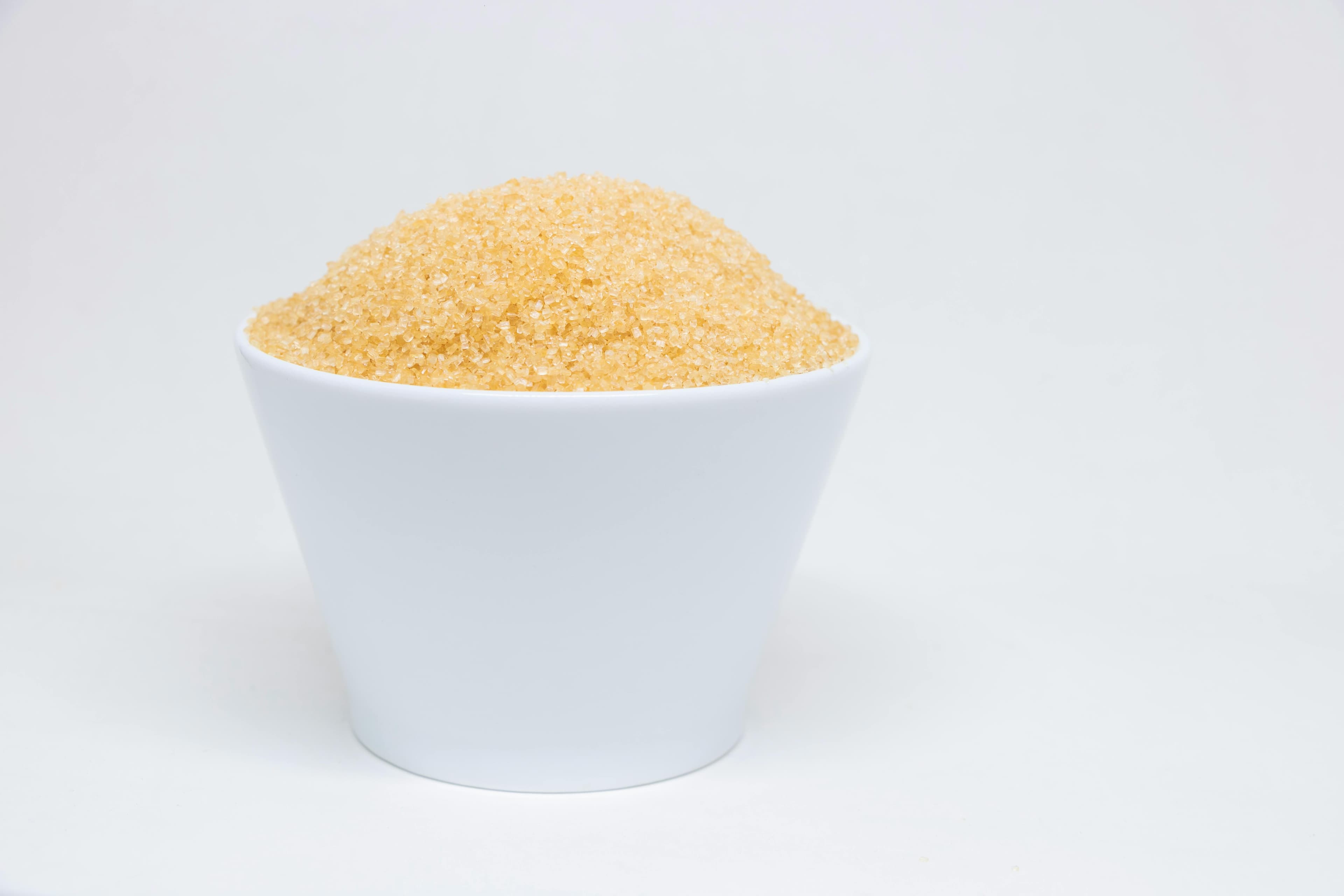
If your cold process soap lathers like a sad sponge, sugar is the cheapest fix in your kitchen. A teaspoon of plain table sugar per pound of oils can turn a flat, creamy bar into one that whips up dense, fluffy bubbles you can actually see.
But sugar isn't a free upgrade. Add too much and your batch will heat up like a small reactor, crack down the middle, or come out of the mold with weird brown patches. The trick is knowing how much to use, when to add it, and how to keep the heat under control.
- Why Sugar Boosts Lather in Soap
- How Much Sugar to Add Per Pound of Oils
- Best Types of Sugar for Soap Making
- How to Add Sugar to Cold Process Soap
- The Heat Problem (And How to Avoid Volcanoes)
- Why Sugar Soaps Can Turn Brown
- Pairing Sugar With Other Lather Boosters
- A Sample Sugar-Boosted Recipe
- Frequently Asked Questions
Why Sugar Boosts Lather in Soap
Soap lather depends on the surfactant molecules in your bar trapping air in tiny bubbles. Some oils, like coconut and castor, naturally produce more bubbles than others. Olive oil, by contrast, gives a creamy, low-bubble lather that some people love and others find disappointing.
Sugar acts as a humectant and a surfactant booster. When you dissolve sugar into your lye solution or water, it stays in the finished bar. Each time the bar gets wet, the sugar helps water grab onto the soap molecules and release more air, which means bigger, longer-lasting bubbles.
Sugar doesn't replace good oil chemistry. You still need a recipe with some bubbly oils. But it amplifies whatever lather your oils already produce, often dramatically.
This works the same way honey, beer, fruit purees, and milk all boost lather. Those ingredients all contain natural sugars. Adding plain white sugar gives you the same effect without changing the rest of the recipe.
How Much Sugar to Add Per Pound of Oils
The standard range is 1 teaspoon to 1 tablespoon of sugar per pound (16 oz) of oils. Most recipes land at 2 teaspoons per pound, which is about 8 grams.
Here's a quick reference:
| Batch Size (Oils) | Conservative (1 tsp/lb) | Standard (2 tsp/lb) | Maximum (1 tbsp/lb) |
| --- | --- | --- | --- |
| 1 lb (16 oz) | 4 g sugar | 8 g sugar | 12 g sugar |
| 2 lb (32 oz) | 8 g sugar | 16 g sugar | 24 g sugar |
| 3 lb (48 oz) | 12 g sugar | 24 g sugar | 36 g sugar |
| 5 lb (80 oz) | 20 g sugar | 40 g sugar | 60 g sugar |
Start at the conservative end if it's your first time. You can always add more in your next batch. Going past 1 tablespoon per pound rarely improves lather and almost always causes overheating.
If you're already using milk, beer, honey, or fruit puree, skip the added sugar entirely. Those ingredients contribute their own sugars and the combination is what overheats batches.
Best Types of Sugar for Soap Making
Almost any sugar works, but each one behaves a little differently:
White Granulated Sugar
The default choice. Cheap, dissolves easily in water, no effect on color or scent. This is what most experienced soapmakers use when they want to boost lather without changing anything else about the bar.
Cane Sugar (Turbinado, Demerara)
Slightly larger crystals and a faint molasses note. Dissolves fully in lye solution. Can give the bar a very slight cream tint, but it won't be obvious unless you're using a lot.
Brown Sugar
Contains molasses, which adds extra sugars and trace minerals. Boosts lather a bit more than white sugar. Will darken your bar to a tan or light brown shade and may add a faint caramel scent.
Honey
Natural sugars plus humectant properties. Common at 1 teaspoon per pound. Can darken bars and accelerate trace, so add at light trace and soap cool.
Sorbitol
A sugar alcohol that's commonly used in commercial soap. Available from soap suppliers. Boosts lather without the same scorching risk as table sugar. Use at 1 to 2% of oil weight.
Maple Syrup or Agave
Both work but contain other compounds that can affect color and scent. Use sparingly, around 1 teaspoon per pound.
For your first sugar batch, use plain white granulated. Once you know how your recipe behaves, you can experiment with brown sugar or honey for slightly different results.
How to Add Sugar to Cold Process Soap
There are two main methods, and the one you choose affects how the sugar dissolves and how much heat the batch generates.
Method 1: Dissolve Sugar in Water Before Adding Lye (Preferred)
This is the safest and most consistent method.
- Measure your distilled water as usual
- Stir in the sugar until it dissolves completely
- Slowly add lye to the sugar water (never the other way around)
- The solution will get hot fast and may turn yellow or amber. That's normal.
- Let it cool to your soaping temperature
The lye reacting with the sugar is what produces the color shift. The cooled solution will still work normally. Your finished bars will be a touch darker than a sugar-free version of the same recipe.
Method 2: Add Sugar at Trace
If you forgot to add sugar to your water, you can mix it into a small amount of warm water (just enough to fully dissolve) and stir it into the soap batter at light trace.
This method is less common because:
- The sugar may not dissolve as evenly
- You're adding extra liquid to the batter, which throws off your water amount slightly
- Some sugar can settle to the bottom of the mold
Stick with Method 1 unless you forgot.
Method 3: Sugar Pre-Mixed With Lye Pellets (Don't Do This)
Never mix dry sugar directly with dry lye pellets. The reaction when water hits both at the same time is unpredictable and can cause splashing or splattering.
The Heat Problem (And How to Avoid Volcanoes)
Sugar makes saponification run hotter. The reaction produces heat on its own, and added sugar accelerates it. Combined with insulation and a warm soaping temperature, you can end up with a "volcano" where the soap rises out of the mold, cracks down the middle, or even erupts through the top.
Here's how to prevent overheating:
Soap Cooler
Drop your soaping temperature to 90 to 100°F (32 to 38°C) instead of the usual 110 to 120°F. The cooler your oils and lye solution start, the more headroom you have before the batch overheats.
Skip the Insulation
A standard cold process recipe often gets wrapped in towels or a heating pad to encourage gel phase. Sugar batches don't need help. Pour into the mold, then leave it uncovered on the counter at room temperature. Some soapmakers even put the mold in the fridge for the first few hours.
Use Individual Cavity Molds
Thinner pours dissipate heat faster. If you're using a high amount of sugar, individual silicone cavity molds will run cooler than a deep loaf mold.
Use a Water Discount Carefully
Less water means a more concentrated lye solution, which means more heat. If you're adding sugar, don't also push your lye concentration above 35%. The combination cooks bars from the inside.
Watch the First Two Hours
Most overheating happens within the first 90 minutes after pouring. If the soap looks like it's expanding upward or you see a glassy patch forming in the center, move the mold somewhere cooler immediately.
Why Sugar Soaps Can Turn Brown
Sugar caramelizes when exposed to heat and lye. A small amount of color change is normal. Significant browning usually means one of three things:
- Too much sugar. Drop the amount in your next batch.
- The lye solution got too hot. Add lye more slowly and let the solution cool fully before mixing.
- The batch overheated in the mold. Soap cooler and skip insulation.
Browning isn't dangerous. The soap is still safe to use. But if you wanted a white bar with bright colors, brown patches are a problem.
To keep bars as light as possible:
- Stir sugar into cool water first, then add lye slowly
- Let the lye solution cool to room temperature before using
- Soap at the lowest temperature your oils allow without solidifying
- Avoid forcing gel phase
If you want intentional brown bars, brown sugar plus warm soaping temperatures will give you a deep tan color naturally.
Pairing Sugar With Other Lather Boosters
Sugar isn't the only additive that improves lather. Combining a few in moderation works better than maxing out any single one.
Sodium Lactate
Hardens the bar so it releases from the mold faster and lasts longer in the shower. Doesn't directly boost bubbles, but a harder bar dispenses lather more efficiently. Use at 1 teaspoon per pound of oils, added to cooled lye solution.
Salt
A small amount of table salt (1 to 2% of oil weight) hardens bars and improves lather quality. More than that and you start making salt bars, which behave totally differently.
Castor Oil
Already in most lather-focused recipes. Increasing castor from 5% to 8 or 10% gives bigger bubbles. Above 10% it can make bars feel sticky.
Coconut Oil
The biggest single contributor to bubbly lather. If your recipe is light on coconut (under 20%), increasing it to 25 to 30% will help more than any additive.
Recommended Stack
A practical combination for a high-lather bar:
- 25% coconut oil in your recipe
- 8% castor oil
- 2 teaspoons sugar per pound of oils
- 1 teaspoon sodium lactate per pound of oils
Plug the recipe into the Soaply calculator to confirm your oil percentages, lye amount, and superfat are balanced before you start. The calculator also predicts your bar's bubbly lather score so you can compare versions side by side before you commit to a batch.
A Sample Sugar-Boosted Recipe
Here's a starter recipe designed for big lather without going overboard on any single ingredient.
Recipe (2 lb / 32 oz oils)
| Ingredient | Percentage | Weight |
| --- | --- | --- |
| Olive Oil | 35% | 11.2 oz |
| Coconut Oil | 25% | 8.0 oz |
| Palm Oil (or substitute) | 25% | 8.0 oz |
| Shea Butter | 7% | 2.24 oz |
| Castor Oil | 8% | 2.56 oz |
| Total Oils | 100% | 32 oz |
Settings
- Superfat: 5%
- Lye concentration: 33%
- Sugar: 16 g (2 tsp) dissolved in water before adding lye
- Sodium lactate: 2 tsp added after lye solution cools
Process Notes
- Soap at 95 to 100°F
- Pour into a silicone loaf mold
- Leave uncovered at room temperature
- Cut after 24 to 36 hours
- Cure 4 to 6 weeks
The finished bars should release fluffy, dense lather with creamy density and lasting bubbles. If the lather still feels light after curing, bump the sugar to 1 tablespoon per pound on your next batch and increase coconut to 30%.
Verify lye amounts and predicted properties for any recipe modification using the Soaply calculator. Adjusting sugar doesn't change the lye math, but if you change the oils to chase more lather, the lye amount needs to be recalculated.
Common Sugar Mistakes to Avoid
Adding Sugar to Already-Hot Lye Solution
The sudden temperature spike can cause the solution to bubble up violently. Always dissolve sugar in water before adding the lye.
Using Wet or Clumped Sugar
Sugar that's absorbed moisture from humidity may not dissolve evenly. Use fresh, dry sugar from a sealed container.
Skipping the Cooler Temperature Adjustment
This is the number one cause of cracked sugar soaps. If you usually soap at 120°F, drop to 100°F when sugar is in the recipe.
Stacking Too Many Sugars
Honey plus brown sugar plus milk plus white sugar is a recipe for an overheated, brown brick. Pick one sugar source per batch.
Expecting Sugar to Fix a Bad Recipe
If your bar has 70% olive oil and 5% coconut, sugar will help a little but won't deliver a big lather. Fix the oil percentages first using the Soaply calculator, then add sugar as a finishing touch.
💬 Frequently Asked Questions
Does adding sugar to cold process soap really make a difference?
Yes. Most soapmakers notice a clear improvement in bubble size and density with as little as 1 teaspoon of sugar per pound of oils. The effect is most obvious in recipes that already have some bubbly oils like coconut or castor. Sugar won't turn an all-olive-oil bar into a foam machine, but it will boost any recipe's lather noticeably.
When should I add sugar to my soap?
The best time is before adding lye. Stir the sugar into your distilled water until it fully dissolves, then add the lye to the sugar water. The lye solution will get hotter than usual and may turn yellow or amber, which is normal. Let it cool to your soaping temperature before combining with oils.
Will sugar make my soap turn brown?
A small color shift toward cream or pale tan is normal. Significant browning usually means too much sugar, an overheated lye solution, or the batch reached gel phase too aggressively. Soap at a lower temperature, skip insulation, and stick to 1 to 2 teaspoons of sugar per pound of oils to keep bars light.
Can I use honey instead of sugar in cold process soap?
Yes. Honey is mostly fructose and glucose, so it boosts lather the same way table sugar does. Use about 1 teaspoon per pound of oils. Honey accelerates trace and adds extra heat, so soap cool and don't insulate. Bars made with honey often have a tan color and a faint caramel scent.
What's the difference between sugar and sodium lactate in soap?
Sugar boosts lather by helping the soap trap more air in bubbles. Sodium lactate hardens the bar so it releases from molds faster and lasts longer in use. They do different jobs, so most lather-focused recipes include both.
Boost Your Lather Without the Drama
Sugar is the easiest lather booster you can add to a cold process recipe, but only if you respect the heat it generates. Start with 1 teaspoon per pound of oils, dissolve it fully in your water before adding lye, and soap cooler than usual. Once you've made one successful sugar batch, you'll never go back to flat-lather bars.
Plan your next recipe in the Soaply calculator to balance bubbly oils with conditioning ones, then add sugar as a finishing boost. The combination of solid oil chemistry plus a small sugar addition is what separates good handmade soap from bars people remember.
Ready to Try It?
Use our free soap calculator to create your perfect recipe with real-time property predictions.
Open Calculator