How to Make 100% Coconut Oil Soap (Simple Cold Process Recipe)
Learn how to make 100% coconut oil soap with just 3 ingredients. Includes a cold process recipe, tips on superfat, why it lathers so well, and common mistakes to avoid.
This article contains Amazon links. As an Amazon Associate, Soaply earns from qualifying purchases at no extra cost to you.
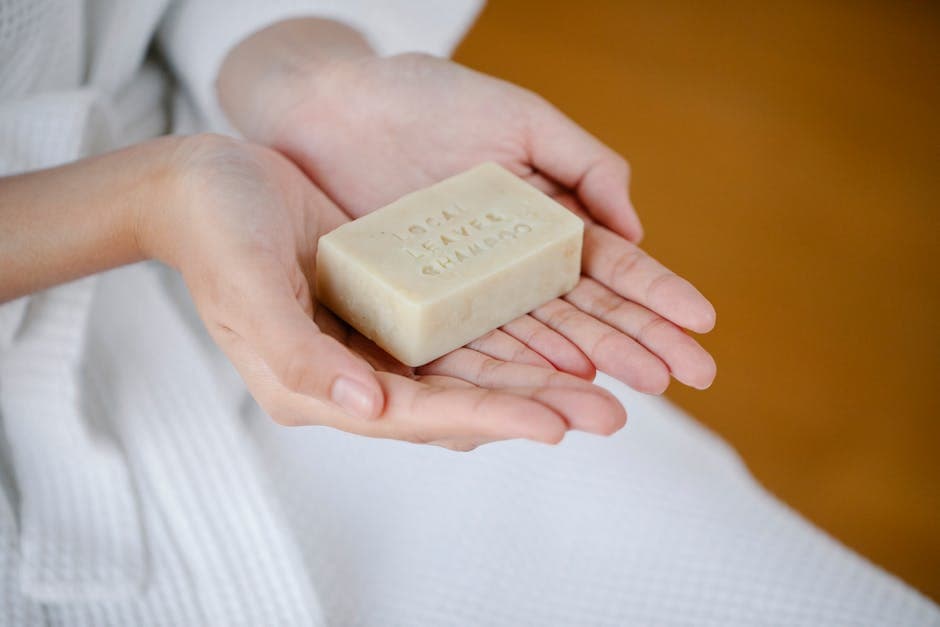
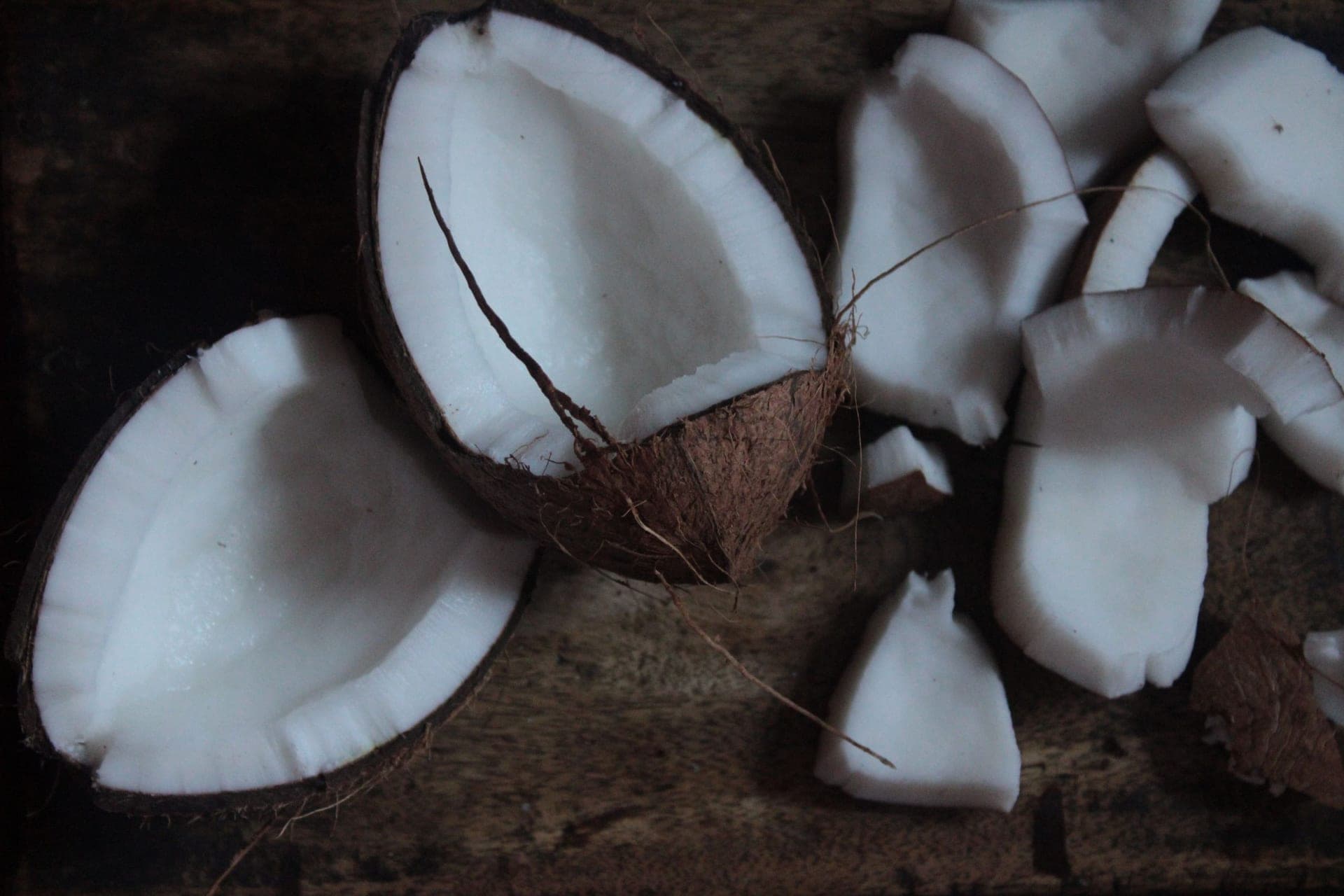
100% coconut oil soap is one of the simplest soaps you can make. Three ingredients, one oil, and the result is a rock-hard white bar that produces massive fluffy lather. It is a favorite among beginners for its simplicity and among experienced soap makers for its versatility as a household or laundry bar.
The catch: coconut oil is very cleansing. Without the right superfat level, a pure coconut bar will strip your skin dry. This guide covers exactly how to handle that, plus a tested recipe you can run through the Soaply calculator right now.
- Why Make Single-Oil Coconut Soap?
- The Superfat Question
- 100% Coconut Oil Soap Recipe
- Step-by-Step Instructions
- Using It as a Household Cleaning Bar
- Making It Gentler for Skin
- Troubleshooting
- Frequently Asked Questions
Why Make Single-Oil Coconut Soap?
Most cold process recipes call for a blend of three to six oils to balance bar properties: hardness, lather, conditioning, and cleansing. Coconut oil is unusual because it scores high in nearly all categories on its own.
What coconut oil brings to soap:
- Hardness: Produces a very firm, long-lasting bar
- Lather: Big, fluffy, bubbly lather (one of the best lathering oils available)
- Cleansing: Very effective at cutting grease and grime
- Simplicity: Only one oil to measure and source
The main downside is that high cleansing power also means high potential for skin dryness. That is why superfat matters so much with this recipe.
For a deeper look at how different oils affect bar properties, see our soap bar properties guide and complete oils guide.
The Superfat Question
Superfat is the percentage of oil left unsaponified in your finished bar. In a mixed-oil recipe, 5% superfat is standard. With 100% coconut oil soap, most soap makers use 15 to 20% superfat for body bars.
Why so high? Coconut oil's lauric acid is an aggressive cleanser. At 5% superfat, a pure coconut bar will leave most skin feeling tight and stripped. Bumping to 20% means roughly one-fifth of the coconut oil remains as free oil in the bar, creating a conditioning layer that offsets the cleansing.
Superfat guidelines for coconut soap:
- 0% superfat - Laundry and dish soap (maximum cleaning power, not for skin)
- 5-10% superfat - Kitchen hand soap (functional, not luxurious)
- 15-20% superfat - Body bar (balanced cleansing with enough moisture)
- 20-25% superfat - Extra gentle body bar (less lather, more conditioning)
Use the Soaply calculator to set your exact superfat and get precise lye amounts. The calculator accounts for coconut oil's SAP value of 0.178 (NaOH) automatically.
100% Coconut Oil Soap Recipe
This recipe makes approximately six bars (about 2 lbs total). It uses a 20% superfat, suitable for body use.
| Ingredient | Amount |
| ----------- | -------- |
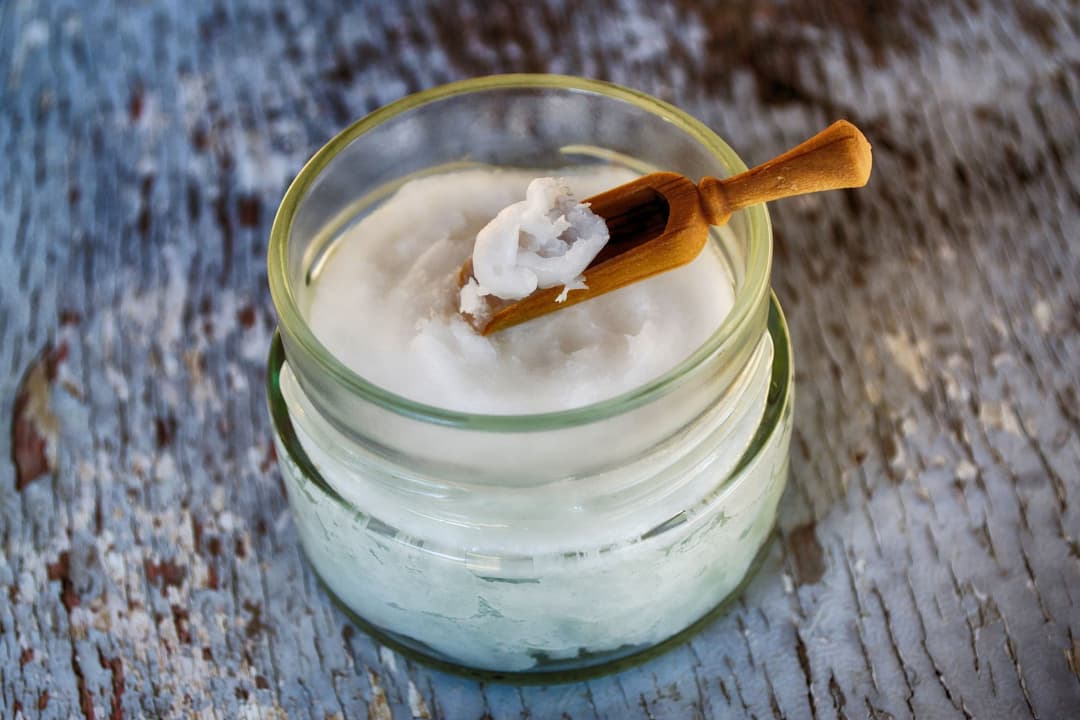
| Coconut Oil (76 degree) | 907 g (32 oz) |
| Sodium Hydroxide (NaOH) | 133 g |
| Distilled Water | 345 g |
| Superfat | 20% |
Optional additions:
- 20 g essential oil or fragrance oil (about 2% of oil weight)
- 1 tablespoon sodium lactate (for even harder bars and easier unmolding)
- Colorant of choice (though pure white coconut soap looks clean on its own)
Run this through the Soaply calculator to double-check the math, especially if you adjust the batch size or superfat.
Which Coconut Oil to Use
Use 76 degree coconut oil (the kind that is solid at room temperature and melts around 76 F). This is the standard for soap making and what SAP values are calibrated for.
Avoid:
- Fractionated coconut oil (liquid at all temperatures, different SAP value, poor bar hardness)
- 92 degree coconut oil (higher melting point, used in some commercial applications, slightly different SAP)
You can find 76 degree coconut oil at most grocery stores, or buy in bulk from soap supply vendors. Find coconut oil on Amazon.
Step-by-Step Instructions
1. Prepare Your Workspace
Put on safety goggles and gloves. Set up your scale, mixing containers, stick blender, and soap mold. Read our soap making safety guide if this is your first time handling lye.
2. Weigh Everything
Measure 907 g of coconut oil, 133 g of sodium hydroxide, and 345 g of distilled water. Precision matters. Use grams, not volume measurements.
3. Make the Lye Solution
Pour the distilled water into a heat-safe container. Slowly add the sodium hydroxide to the water while stirring. Never add water to lye. The solution will heat up rapidly (to around 200 F) and produce fumes. Work near an open window or outdoors.
Set the lye solution aside to cool. Target temperature: 100 to 120 F.
4. Melt the Coconut Oil
Melt the coconut oil gently using a double boiler or microwave. Let it cool to roughly the same temperature range as the lye solution (100 to 120 F). Temperature matching is not critical with coconut oil, but staying in the same range helps achieve a smooth trace.
5. Combine and Blend to Trace
Pour the lye solution into the melted coconut oil. Use a stick blender in short bursts (3 to 5 seconds on, pause, repeat) until the mixture reaches trace. With 100% coconut oil, trace happens fast, often within 30 to 60 seconds. Do not over-blend or you may end up with a very thick batter that is hard to pour.
Warning: Coconut oil traces quickly. If you walk away from your stick blender for too long after mixing, you may come back to a thick paste. Work at a steady pace.
6. Add Fragrance and Color (Optional)
At light trace, stir in any fragrance oil or essential oil blend. Add colorant if desired. Mix thoroughly but quickly.
7. Pour Into Mold
Pour the batter into a silicone loaf mold or individual cavity molds. Tap the mold on the counter to release air bubbles. Smooth the top with a spatula.
8. Insulate and Wait
Cover the mold with a piece of cardboard and wrap in a towel. Coconut oil soap heats up significantly during saponification. Insulating helps it go through gel phase evenly, resulting in a more translucent, polished finish.
9. Unmold and Cut
Coconut oil soap hardens fast. Check after 12 to 18 hours. If the bar is firm to the touch, unmold and cut into bars. If you wait too long (48+ hours), the soap may become so hard that cutting it cleanly is difficult.
10. Cure
Even though the soap is hard quickly, cure the bars on a drying rack for 4 to 6 weeks. Curing allows excess water to evaporate and the crystal structure of the soap to mature. The result is a milder, longer-lasting bar. For more on this process, read our guide to curing soap.
Using It as a Household Cleaning Bar
100% coconut oil soap at 0% superfat makes an excellent cleaning product. It cuts grease effectively and lathers in hard water better than most other soaps.
Uses for a 0% superfat coconut bar:
- Dish soap (rub a wet brush on the bar)
- Laundry stain treatment (rub directly on stains before washing)
- General household cleaner (dissolve shavings in water for a spray solution)
- Workshop hand soap (great at removing grease and grime)
To make a cleaning version, run the recipe through the Soaply calculator with superfat set to 0%. The lye amount will increase accordingly.
Making It Gentler for Skin
If you love the lather of coconut soap but want something kinder to your skin, consider these modifications:
- Increase superfat to 20-25%. More free oil in the bar means more conditioning.
- Add sugar to the lye water. One teaspoon of sugar per pound of oils boosts lather without increasing cleansing harshness.
- Use it as a hand soap only. Hands tolerate higher cleansing levels better than the body and face.
- Blend with another oil. Adding even 20% olive oil or sweet almond oil mellows out the cleansing. At that point, you have a two-oil recipe rather than a pure coconut bar. Check our best oils guide for pairing ideas.
For a soap specifically designed for reactive skin, see our sensitive skin soap guide.
Troubleshooting
The soap traced too fast and turned lumpy
Coconut oil accelerates quickly. Next time, blend less aggressively: use shorter stick blender bursts, or try hand-stirring to a very thin trace before using the blender at all.
The bars feel drying even at 20% superfat
Some skin types are sensitive to lauric acid regardless of superfat. Try increasing to 25%, or switch to a recipe that uses coconut at 30% of the total oil blend alongside gentler oils.
White powder on the surface (soda ash)
Soda ash is cosmetic, not harmful. To prevent it, spritz the top of the soap with 91% isopropyl alcohol right after pouring. Covering the mold tightly with plastic wrap also helps.
The soap is crumbly
This usually means too much lye (check your measurements) or too little water. Always weigh ingredients by grams on a digital scale and verify with the Soaply calculator.
Hard to unmold after 24 hours
Coconut soap gets rock-hard fast. Try unmolding at 12 to 16 hours instead of waiting a full day. Adding sodium lactate to the lye water helps with clean release from silicone molds.
💬 Frequently Asked Questions
Can I use virgin coconut oil for soap making?
Yes. Virgin (unrefined) coconut oil and refined coconut oil have the same SAP value and produce similar soap. Virgin coconut oil has a mild coconut scent that mostly fades during saponification. Refined is odorless and usually cheaper in bulk.
Is 100% coconut oil soap good for face washing?
For most people, no. Even at 20% superfat, pure coconut soap is more cleansing than facial skin needs. If you want a facial bar, blend coconut oil at 15-20% with olive or avocado oil for the rest.
How long does coconut oil soap last in the shower?
Coconut soap is rock hard and long-lasting. A well-cured bar used daily in the shower typically lasts 3 to 5 weeks, depending on the bar size and how many people share it.
Can I make liquid soap with coconut oil?
Yes, but liquid soap requires potassium hydroxide (KOH) instead of sodium hydroxide. See our liquid soap guide for the full process.
Does coconut oil soap lather in hard water?
Better than most. Coconut oil is one of the few soap-making oils that produces strong lather even in hard water. This is another reason it is popular for household cleaning bars.
Why does my coconut soap smell different from the fragrance I added?
High-superfat coconut soap can mute fragrances slightly because the free coconut oil absorbs some of the scent. Use a slightly higher fragrance load (2.5 to 3% of oil weight) to compensate. Our fragrance load guide covers the math.
Try Your Own Batch
A single-oil coconut soap is the fastest way to learn cold process basics without juggling multiple ingredients. Plug the recipe into the Soaply calculator, adjust the superfat to match your intended use, and you are ready to go.
Looking for other single-oil or simple recipes? Try our castile soap guide (100% olive oil) or tallow soap recipe.
Ready to Try It?
Use our free soap calculator to create your perfect recipe with real-time property predictions.
Open Calculator