How to Sell Handmade Soap: A Complete Business Guide
Learn how to sell handmade soap at farmers markets, online, and in retail stores. Covers legal requirements, pricing, packaging, and building a brand that stands out.
Turning your soap making hobby into a business is one of the most accessible paths into small-scale manufacturing. Startup costs are low, margins can be strong, and demand for handcrafted soap continues to grow as buyers look for alternatives to mass-produced products. This guide covers everything from legal basics to pricing strategy to choosing where and how to sell.
- Is Selling Handmade Soap Legal?
- FDA Regulations for Soap
- Insurance and Business Structure
- How to Price Handmade Soap
- Packaging and Labeling Requirements
- Selling at Farmers Markets and Craft Fairs
- Selling Handmade Soap Online
- Wholesale to Retail Stores
- Building Your Soap Brand
- Scaling Production
- Frequently Asked Questions
Is Selling Handmade Soap Legal?
Yes, selling handmade soap is legal in the United States. However, how your product is regulated depends on what claims you make about it.
If your product is labeled and sold as "soap" and you only claim that it cleans, the FDA considers it a cosmetic and the rules are relatively simple. Once you start claiming your soap treats acne, moisturizes skin, or has therapeutic properties, it may be classified as a drug or cosmetic under FDA guidelines, which brings stricter requirements.
The safest approach for new sellers: call your product soap, describe it in terms of its scent, ingredients, and appearance, and avoid any medical or therapeutic language on labels and marketing.
FDA Regulations for Soap
The FDA defines "soap" narrowly. To qualify under their soap exemption:
- The product must be made primarily of fats or oils combined with an alkali (lye)
- The cleaning action must come from the soap itself, not added surfactants or detergents
- It must be labeled and marketed only as soap
If your product meets all three criteria, it falls under the Consumer Product Safety Commission (CPSC) rather than the FDA, which means lighter regulatory requirements.
What this means in practice:
- Cold process, hot process, and rebatched soap generally qualify
- Melt and pour soap bases that contain synthetic detergents may not qualify
- Syndet (synthetic detergent) bars do not qualify as soap
- Adding ingredients like salicylic acid or claiming "anti-aging" effects pushes your product into cosmetic or drug territory
State-level requirements vary. Some states require a cottage food or home manufacturing license. Check your state's Department of Agriculture or business licensing office.
Insurance and Business Structure
Before your first sale, handle these business basics:
Business Registration
Register as an LLC or sole proprietorship with your state. An LLC costs $50-500 depending on the state and protects your personal assets if something goes wrong. Even if you start small at a single farmers market, having a proper business entity looks professional and provides legal protection.
Business Insurance
Product liability insurance is strongly recommended. If someone has an allergic reaction to your soap and decides to sue, insurance protects you. Policies for small soap businesses typically cost $300-600 per year. Many craft fairs and farmers markets require proof of insurance before they let you set up a booth.
Record Keeping
Track every expense from day one: oils, lye, molds, packaging, booth fees, mileage, website hosting. These are all deductible business expenses. Use accounting software or even a simple spreadsheet. The Soaply cost calculator can help you track ingredient costs per recipe and per bar.
How to Price Handmade Soap
Pricing is where most new soap sellers struggle. The formula is straightforward but takes discipline to follow:
Cost-Based Pricing Formula
Ingredient cost per bar + Labor + Packaging + Overhead = Total cost per bar
Then apply a markup:
- Direct sales (farmers market, your own website): 3x to 4x total cost
- Wholesale (selling to shops who resell): 2x total cost
Breaking Down the Numbers
For a typical 4-5 oz cold process bar:
- Ingredients: $0.80 - $1.50 (oils, lye, fragrance, colorant)
- Packaging: $0.30 - $0.75 (label, wrap, box)
- Labor: $0.50 - $1.00 (based on batch time divided by bar count)
- Overhead: $0.20 - $0.50 (utilities, insurance, booth fees prorated)
Total cost per bar: roughly $1.80 - $3.75
Retail price: $6 - $12 per bar is the standard range for handmade soap in the US market. Premium bars with specialty ingredients (goat milk, beer, activated charcoal) can command $8 - $15.
Use the Soaply cost calculator to plug in your actual ingredient prices and get exact per-bar costs. For a deeper look at pricing strategy, read our guide on how to price handmade soap.
Packaging and Labeling Requirements
Good packaging does three things: protects the soap, communicates your brand, and meets legal requirements.
Legal Labeling Requirements
The Fair Packaging and Labeling Act requires:
- Product identity ("Soap" or "Handmade Soap")
- Net weight in both metric and US units
- Business name and address (or city, state, and zip code)
- Ingredient list in descending order by weight (use INCI names)
If your soap qualifies under the FDA soap exemption, ingredient listing is technically not required, but most buyers expect it and it builds trust.
Packaging Options
| Option | Cost/Bar | Best For |
| -------- | ---------- | ---------- |
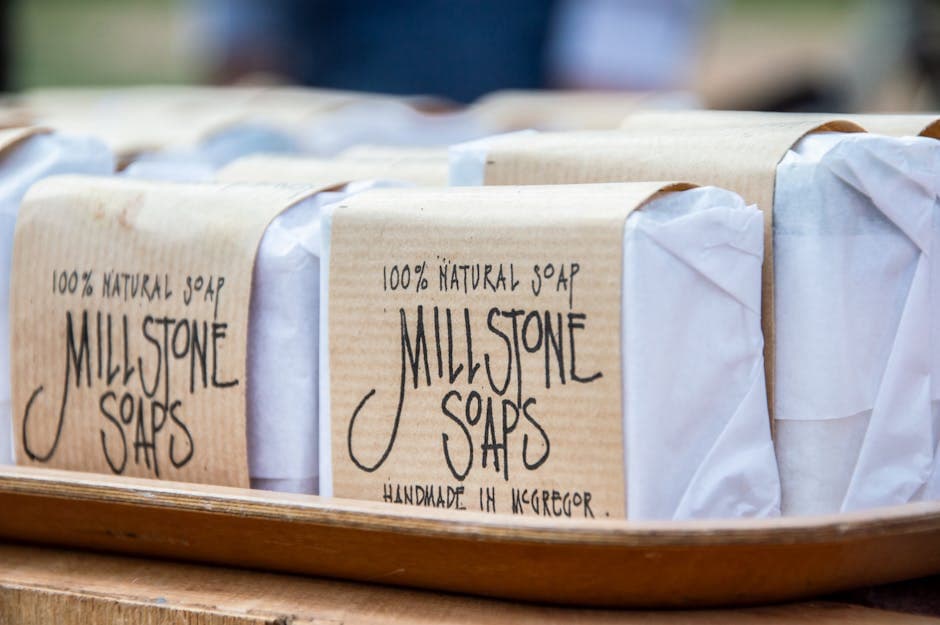
| Cigar band (paper wrap) | $0.10 - $0.25 | Farmers markets, eco-conscious buyers |
| Shrink wrap | $0.05 - $0.15 | Online sales, wholesale |
| Cardboard box | $0.50 - $1.50 | Gift sets, premium positioning |
| Wax paper + twine | $0.15 - $0.30 | Rustic, artisan look |
| Naked with belly band | $0.10 - $0.20 | Let the soap speak for itself |
For more on this topic, check our soap packaging guide.
Selling at Farmers Markets and Craft Fairs
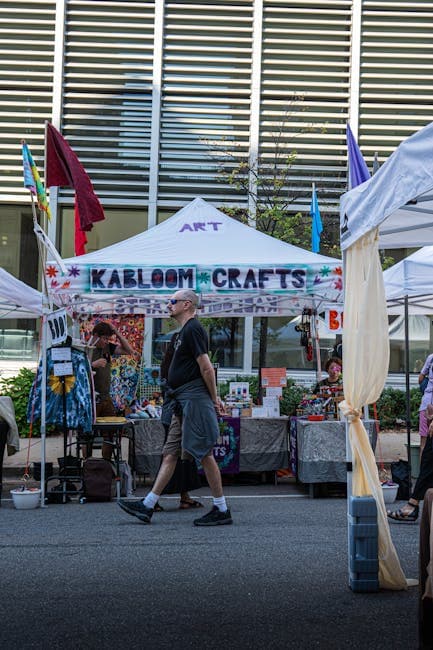
In-person selling is the best way to start. You get immediate feedback, build a local following, and learn what sells before investing in a website.
Getting Started
- Research local markets. Contact your city's parks and recreation department or search for "farmers market vendor application" plus your city name. Most markets charge $20-75 per week for a booth.
- Apply early. Popular markets fill up months in advance. Apply to 3-5 markets to improve your odds.
- Get your insurance and permits. Most markets require proof of liability insurance and a business license.
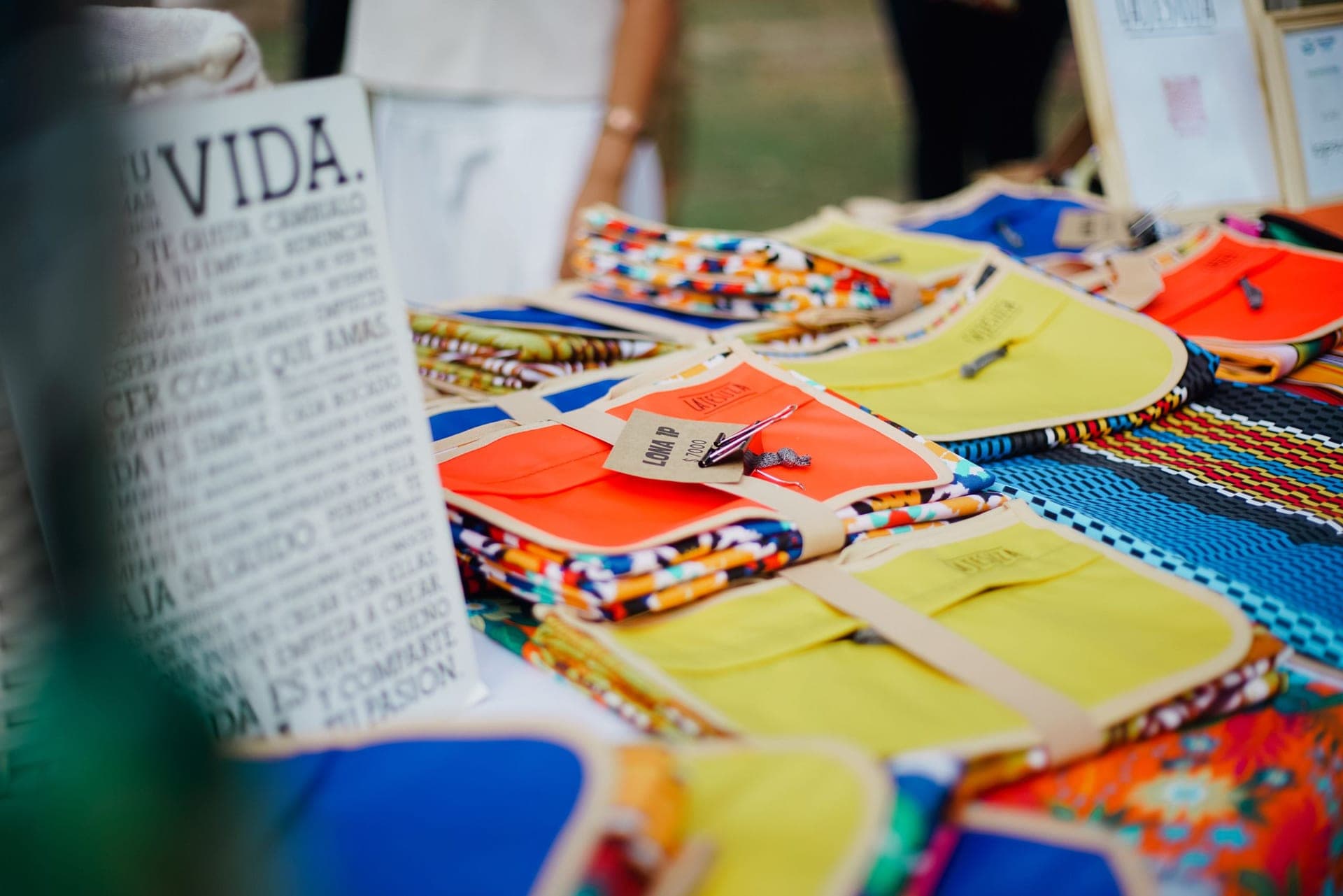
- Build your display. You need a table, tablecloth, risers or stands to create height, price signs, and a way to accept card payments (Square or similar). Budget $100-300 for a basic setup.
Booth Tips That Increase Sales
- Let people smell the soap. Unwrap a sample bar for each scent. Scent drives most purchases.
- Create height variety. A flat table full of soap is boring. Use wooden crates, shelves, or tiered stands.
- Offer bundles. "Any 3 bars for $20" works well when individual bars are $8 each.
- Have a sign-up sheet. Collect emails for future online sales and new product announcements.
- Accept cards. You will lose sales if you only take cash. Square, Stripe, or PayPal Here all work.
What to Expect
A new vendor at a mid-sized farmers market can expect $100-400 in sales on a typical weekend day. Established vendors with a following regularly do $500-1,000+. It takes 4-8 weeks of showing up consistently before you build repeat customers.
Selling Handmade Soap Online
Once you have consistent recipes and some production capacity, online sales let you reach buyers beyond your local area.
Platform Options
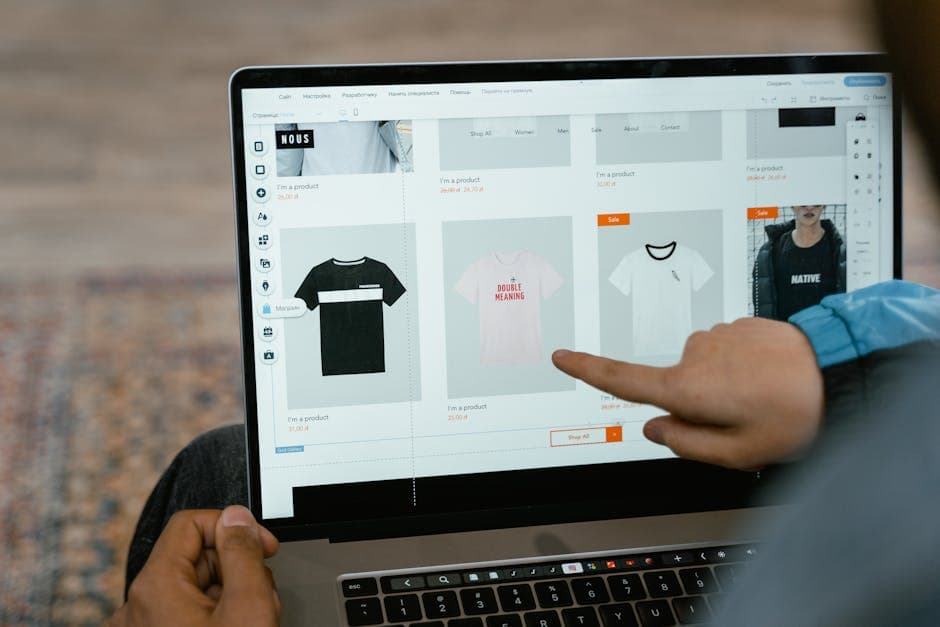
Your own website gives you full control over branding, pricing, and customer data. Shopify ($39/month), Squarespace ($33/month), or WooCommerce (free plugin, you pay for hosting) are popular options. Processing fees are typically 2.9% + $0.30 per transaction.
Etsy is the largest marketplace for handmade goods. Listing fees are $0.20 per item plus 6.5% transaction fee plus payment processing. The built-in audience is the main advantage, but fees add up quickly.
Amazon Handmade has a large audience but takes a 15% referral fee. The approval process is more selective than Etsy.
Product Photography
Good photos are the single most important factor in online soap sales. You do not need expensive equipment.
- Natural light. Shoot near a window. No direct sunlight, which creates harsh shadows.
- White or neutral background. A foam board from the dollar store works perfectly.
- Multiple angles. Show the top, cross-section (cut bar), and lifestyle shots with props.
- Consistent style. All your listings should look like they belong together.
Shipping Soap
Soap is relatively easy to ship. Use bubble mailers for 1-3 bars and small boxes with packing paper for larger orders. USPS First Class Package (under 16 oz) is the cheapest option for most soap orders at $4-6. Offer free shipping over a threshold ($35-50) to increase average order size.
Wholesale to Retail Stores
Wholesale accounts provide steady, predictable revenue. The trade-off is lower per-bar profit since shops need room for their own markup.
How Wholesale Pricing Works
Retailers expect to buy at 50% of retail price. If your soap retails at $8, wholesale price is $4. This means your cost per bar must be under $2 to maintain healthy margins at wholesale volume.
Finding Retail Partners
Start local:
- Boutiques and gift shops
- Spas, salons, and barbershops
- Health food stores and co-ops
- Hotel gift shops
- Coffee shops (seriously, many sell local goods)
Bring samples, a wholesale price sheet, and a line sheet (one-page overview of your products with photos). Keep your initial wholesale line simple: 6-10 best-selling scents, not your entire catalog.
Minimum Orders
Set a reasonable minimum order: $100-200 or 24-48 bars. This ensures the account is worth servicing. Offer a small discount (5-10%) on reorders over a higher threshold.
Building Your Soap Brand
A strong brand is what separates a $6 bar from a $12 bar. Both might use similar ingredients. The $12 bar tells a better story.
Find Your Niche
The handmade soap market is crowded. Stand out by specializing:
- Ingredient focus: All goat milk, all tallow, all vegan
- Scent category: Seasonal collections, masculine scents, botanical only
- Audience: Soap for sensitive skin, soap for outdoor workers, beard soap
- Values: Zero waste packaging, locally sourced ingredients, small-batch only
Brand Essentials
- Name that is memorable and not already taken (check USPTO trademark database)
- Logo that works at small sizes on a label
- Color palette for consistent packaging
- Voice for your product descriptions and social media
- Story about why you started making soap
Social Media
Instagram and TikTok are where soap makers build audiences. Cutting videos, pour videos, and "what's in my soap" content perform well. Post consistently (3-5 times per week) and engage with the soap making community. Show your process, not just finished products.
Scaling Production
When demand outgrows your kitchen, you need a plan.
Batch Size
Moving from 2-lb test batches to 10-lb production batches is the first scaling step. Larger batches are more time-efficient. You spend the same setup and cleanup time whether you make 8 bars or 40. Use the Soaply calculator to scale your recipes up by weight.
Dedicated Workspace
Most states require soap production in a dedicated space separate from your kitchen once you are selling commercially. A spare room, garage, or basement works. Key requirements:
- Non-porous countertops (stainless steel is ideal)
- Ventilation for lye mixing
- Hot and cold running water
- Storage for curing racks
- Organized ingredient storage
Equipment Upgrades
| Hobby Level | Production Level |
| ------------- | ----------------- |
| Kitchen scale | Industrial scale |
| Stick blender | Heavy-duty stick blender or drill mixer |
| Small molds | Slab molds (50+ bars per pour) |
| Kitchen pots | Dedicated stainless steel pots (5-10 gallon) |
Consistent Recipes
When selling, every batch must be identical. Document your recipes with exact weights, temperatures, and timing. The Soaply recipe manager lets you save and version your formulas so every production run matches the last.
💬 Frequently Asked Questions
Do I need a license to sell handmade soap?
Most states require a general business license. Some states have specific cottage food or home manufacturing permits. Check with your state's business licensing office. You do not need FDA approval to sell soap, but you do need to follow labeling laws.
How much money can you make selling handmade soap?
Part-time sellers at farmers markets typically gross $5,000-15,000 per year. Full-time soap businesses with online and wholesale channels can gross $50,000-200,000+. Profit margins on handmade soap range from 50-70% at retail pricing.
What is the best soap to sell?
Bars with broad appeal sell best: lavender, oatmeal honey, charcoal, and unscented for sensitive skin. Start with 6-8 scents rather than trying to offer 30+. Our best oils for beginners guide covers which ingredients make the most versatile recipes.
How many bars of soap should I make before I start selling?
Have at least 100-150 bars cured and ready before your first market day. This gives you enough variety and backup stock. You also want at least 3 months of consistent batching behind you to ensure your recipes are reliable.
Should I sell soap on Etsy or my own website?
Start with Etsy to validate demand without upfront costs, then build your own website once you have steady sales. Long term, your own site is more profitable because you avoid marketplace fees and own the customer relationship.
Start Your Soap Business
The path from hobbyist to seller is shorter than most people think. Start by perfecting 6-8 recipes, get your business registered, and sign up for a local farmers market. Use the Soaply calculator to nail your formulations and the cost calculator to set profitable prices. For recipe inspiration, browse our guides on cold process soap making, milk soap, and castile soap.
Ready to Try It?
Use our free soap calculator to create your perfect recipe with real-time property predictions.
Open Calculator