Soap Making Suppliers: Where to Buy Oils, Lye, and Ingredients
Where to buy soap making supplies: the best online soap making suppliers for oils, lye, fragrance, and molds, plus how to source lye locally and save on bulk.
This article contains Amazon links. As an Amazon Associate, Soaply earns from qualifying purchases at no extra cost to you.
The quickest way to stock a soap studio is to split your shopping between two places: a specialty soap supplier for the things that are hard to find locally, like lye, fragrance oils, and colorants, and a warehouse club or grocery store for the base oils you go through fastest. Do that and you'll pay less and wait less than if you order everything from a single site. This guide walks through the soap making suppliers worth knowing, where to buy lye safely, how to save real money on oils and butters, and how to judge whether a supplier is any good before you place an order.
Quick pick: If you just want one box on your doorstep to start, a soap making starter kit bundles the oils, lye, mold, and fragrance for a first batch. It costs more per ounce than buying separately, but it gets you making soap this weekend.
What Soap Makers Actually Need to Buy
Before you compare suppliers, it helps to know the shopping list. Cold process soap comes down to a handful of categories, and different suppliers are strong in different ones.
| Category | Examples | Where it's usually cheapest |
| ---------- | ---------- | ------------------------------ |
| Base oils and butters | Olive, coconut, palm, shea, cocoa butter | Warehouse clubs, bulk oil suppliers |
| Lye | Sodium hydroxide (NaOH), potassium hydroxide (KOH) | Specialty suppliers, some hardware stores |
| Scent | Fragrance oils, essential oils | Specialty fragrance suppliers |
| Color | Micas, oxides, clays, natural colorants | Specialty color suppliers |
| Molds and tools | Silicone loaf molds, cutters, scales | Craft stores, online marketplaces |
| Packaging | Labels, shrink wrap, boxes | Packaging suppliers, print shops |
If you're brand new and not sure which of these you need yet, start with our soap making supplies checklist, which sorts the must-haves from the nice-to-haves. This article is about where to buy each one once you know your list.
Types of Soap Making Suppliers
There isn't one perfect store. Most makers end up using three or four sources, and knowing the categories keeps you from overpaying.
- Specialty soap and cosmetic suppliers. These sites are built for soap makers. They carry lye, cosmetic-grade fragrance oils, skin-safe colorants, molds, and butters, often with test notes on how a fragrance behaves in cold process. This is where you buy the things a grocery store won't stock.
- Bulk oil and wholesale suppliers. Once you're making soap regularly, buying oils by the gallon or pail from a food-oil wholesaler drops your cost per batch dramatically compared to small bottles.
- Local retail. Grocery stores, warehouse clubs, and hardware stores cover a surprising amount: olive and coconut oil, lard, and even lye sold as pure drain cleaner. Buying local skips shipping entirely.
- Online marketplaces. Amazon and similar sites are convenient for molds, tools, and small trial sizes, though quality and freshness vary, so read reviews closely.
Best Places to Buy Soap Making Supplies Online
A few specialty suppliers show up again and again in the handmade soap community because they carry everything in one place. You don't need an account at all of them, but it helps to know who's known for what.
- Bramble Berry is one of the best-known beginner-friendly shops, carrying oils, lye, fragrance, colorants, molds, and full kits, with recipes and tutorials attached to many products.
- Wholesale Supplies Plus and Bulk Apothecary are broad one-stop suppliers that stock oils, lye, fragrance, and packaging, which is handy when you want a single cart.
- Nurture Soap and Mad Micas are popular for micas and colorants, with strong pigments made and tested for cold process.
- Nature's Garden and similar fragrance houses specialize in cosmetic-grade fragrance oils with detailed cold process test results.
- Soaper's Choice (Columbus Foods) and other food-oil wholesalers are where many makers buy base oils by the pail once they scale up.
Names change and stock moves, so treat this as a starting map rather than a ranking. What matters is matching the supplier to the category, buying scent and color from a soap-focused shop and buying base oils wherever they're cheapest.
Where to Buy Lye for Soap Making
Lye is the one ingredient that stops beginners, because you can't make real soap without it and not every store sells it. You have three reliable routes.
- Specialty soap suppliers. The safest bet. Sites like Bramble Berry and Essential Depot sell food-grade sodium hydroxide in soap-friendly sizes, clearly labeled and meant for this use.
- Hardware stores. Some carry 100% sodium hydroxide sold as drain opener. This works only if the label reads 100 percent lye or sodium hydroxide with no other ingredients. Crystal drain cleaners with metal flecks or added chemicals will ruin a batch and can be dangerous, so read every word on the container.
- Chemical and bulk suppliers. For larger amounts, companies like Duda Diesel sell sodium hydroxide by the several-pound bag at a lower cost per pound.
Whatever you buy, you want plain sodium hydroxide for bar soap or potassium hydroxide for liquid soap. Lye ships with handling restrictions, so orders sometimes cost more or take longer than the rest of your cart. Before you ever open the container, read our soap making safety guide so you have goggles, gloves, and a plan in place.
Where to Buy Oils and Butters
Base oils are your biggest ongoing cost, and it's where most makers overpay by shopping the wrong aisle. The specialty soap sites sell oils, but you'll almost always find the same oils cheaper elsewhere.
- Olive oil, coconut oil, and lard are grocery and warehouse-club items. A jug of store-brand olive oil or a tub of refined coconut oil from a club store costs far less per pound than the same oil in a soap-supply bottle.
- Shea butter, cocoa butter, and specialty oils are where a bulk supplier earns its keep. Buying a pail instead of a pound cuts the price sharply if you soap often.
- Palm oil raises sustainability questions for many makers. If you'd rather skip it, our palm-free soap recipes show how to build a hard, lathering bar without it.
The trick is to match the oil to the source. Everyday oils go in your grocery cart, while the odd butters and less common oils come from a soap or bulk supplier. To decide which oils are worth stocking in the first place, our guide to the best oils for soap making breaks down what each one brings to a bar.
Where to Buy Fragrance, Essential Oils, and Colorants
Scent and color are where specialty suppliers really matter, because these products have to be skin-safe and, for fragrance, tested to survive lye.
- Fragrance oils. Buy from a cosmetic supplier that publishes cold process test notes, including whether a scent accelerates trace or discolors. A cheap candle fragrance oil isn't automatically safe for skin, so stick to suppliers that label products for bath and body use. Once you have a scent, dose it with our fragrance load guide so you stay within safe limits.
- Essential oils. For all-natural scent, buy from a supplier that lists the botanical name and country of origin. Our roundup of the best essential oils for soap making covers which ones actually hold their scent through saponification.
- Colorants. Micas, oxides, and clays from soap-focused shops are formulated to stay true in a high-pH bar. Grab skin-safe pigments rather than craft glitter, and see our guide on how to use mica in soap for dosing.
Where to Buy Molds and Equipment
Molds, cutters, and tools are the most flexible part of your shopping. You don't need soap-specific brands for most of it.
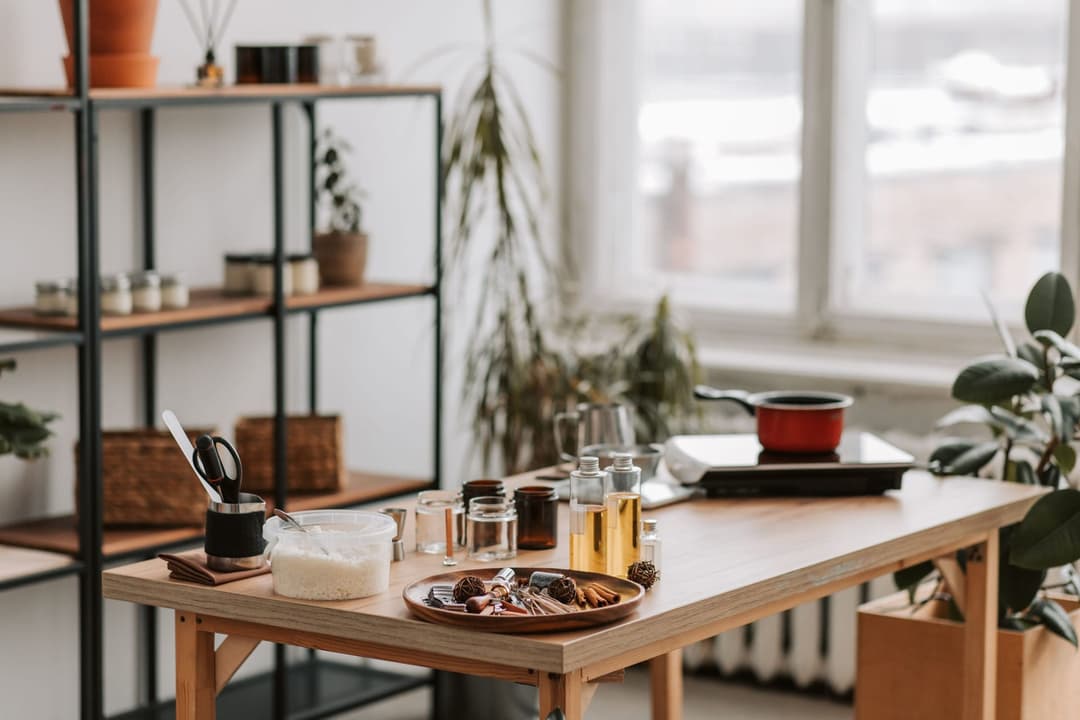
Silicone loaf molds, a stick blender, a digital scale, and heat-safe containers are all available on general marketplaces for a fraction of what a boutique brand charges. A basic silicone soap mold and a cheap kitchen scale that reads in grams will carry you through dozens of batches. Save the specialty stores for the things they do best, like fancy sculptural molds or professional cutters, and buy your everyday tools wherever they're cheapest. If you're kitting out a workspace from scratch, our supplies checklist lists exactly which tools earn their spot.
How to Choose a Soap Making Supplier
When two suppliers carry the same oil or fragrance, a few details decide which is actually the better buy.
- Shipping cost and speed. Heavy oils and lye can cost as much to ship as to buy. A slightly higher product price with cheaper or free shipping often wins on the total.
- Minimum orders. Bulk suppliers may require a large minimum, which is great once you scale but wasteful when you're testing recipes.
- Freshness and turnover. Oils go rancid. A busy supplier moves stock fast, so you're less likely to receive an oil that's already near the end of its shelf life.
- Test notes and support. For fragrance and color, a supplier that publishes cold process behavior saves you ruined batches.
- Restock reliability. If you sell soap, you need a supplier that keeps your signature scent in stock, not one that discontinues it mid-season.
If you're buying for a growing business rather than a hobby, our guide on how to start a soap business covers sourcing consistency and cost control in more depth.
How to Save Money on Supplies
Small changes to where and how you shop add up fast once you're making soap regularly.
- Buy base oils local and in bulk. The single biggest saving. Warehouse-club coconut and olive oil beats soap-supply pricing almost every time.
- Split large orders with other makers. A group buy on a pail of shea butter or a case of fragrance lets everyone hit bulk pricing without drowning in product.
- Buy fragrance in sample sizes first. Test a one-ounce sample in a small batch before committing to a pound of a scent you've never soaped.
- Watch for lye shipping surcharges. Ordering lye with the rest of a cart, or buying it locally, can dodge hazmat handling fees.
- Don't over-buy perishables. Oils have a shelf life, so only stock what you'll use before it turns. Our article on whether handmade soap expires explains why fresh oils matter for the finished bar.
💬 Frequently Asked Questions
Where can I buy lye for soap making?
Buy sodium hydroxide from a specialty soap supplier like Bramble Berry or Essential Depot for the safest, clearly labeled option. Some hardware stores sell it as drain opener, but only use it if the label reads 100 percent sodium hydroxide with no other ingredients.
What is the cheapest place to buy soap making supplies?
Base oils are cheapest at grocery stores and warehouse clubs, while bulk oil wholesalers win once you buy by the gallon or pail. Scent, color, and lye are usually cheapest from specialty soap suppliers that sell in soap-friendly sizes.
Can I buy soap making supplies at Walmart or Michaels?
Partly. General stores and craft shops carry melt-and-pour bases, molds, some oils, and tools, which is enough for melt-and-pour soap. For cold process you'll still need lye and cosmetic-grade fragrance from a specialty supplier or hardware store.
Do I need special suppliers to start making soap?
Not many. You can source olive and coconut oil from the grocery store and lye from a hardware store or one soap supplier, which is enough for a first cold process batch. Specialty suppliers matter most for skin-safe fragrance and color.
Is Amazon a good place to buy soap making supplies?
It's convenient for molds, tools, and small trial sizes, and for lye if the listing is 100 percent sodium hydroxide. For fragrance and colorants, a soap-focused supplier with cold process test notes is more reliable than a generic marketplace listing.
Stock Your Studio, Then Build the Recipe
The smart move is to spread your shopping around: base oils from a warehouse club, lye and scent from a specialty supplier, and molds and tools wherever they're cheapest. That mix keeps your cost per bar low and your quality high. Once your supplies arrive, run every recipe through the free Soaply lye calculator before you mix, so your oils and lye come out perfectly balanced and none of those supplies go to waste on a failed batch. New to the whole process? Start with our beginner's guide to cold process soap.
Ready to Try It?
Use our free soap calculator to create your perfect recipe with real-time property predictions.
Open Calculator