How to Use Beeswax in Soap Making (Plus Lotion Bars and Lip Balm)
How to use beeswax in soap for a harder bar, how much to add, the melting trap that ruins batches, plus easy beeswax lotion bar and lip balm recipes.
This article contains Amazon links. As an Amazon Associate, Soaply earns from qualifying purchases at no extra cost to you.
You can use beeswax in cold process soap, but only in small amounts, usually 1 to 3 percent of your oils. Beeswax adds hardness and a faint natural honey scent, yet it speeds up trace, barely lathers, and most of it never turns into soap. That trade-off is why a lot of makers skip beeswax in their bars and save it for the products where it really shines: lotion bars, lip balm, and salves. This guide covers exactly how beeswax behaves in soap, how much to use, the melting mistake that wrecks batches, and three beeswax recipes you can make today.
Quick tip: Beeswax has a saponification value, so it changes your lye amount. Always run your full recipe, beeswax included, through the free Soaply soap calculator before you mix. You can pick up cosmetic-grade beeswax pellets on Amazon for easy measuring.
- What Is Beeswax?
- Does Beeswax Saponify Into Soap?
- What Beeswax Does in Cold Process Soap
- How Much Beeswax to Use in Soap
- How to Add Beeswax Without Ruining Your Batch
- A Simple Beeswax Soap Recipe
- Beeswax Lotion Bars and Lip Balm (No Lye Needed)
- Frequently Asked Questions
What Is Beeswax?
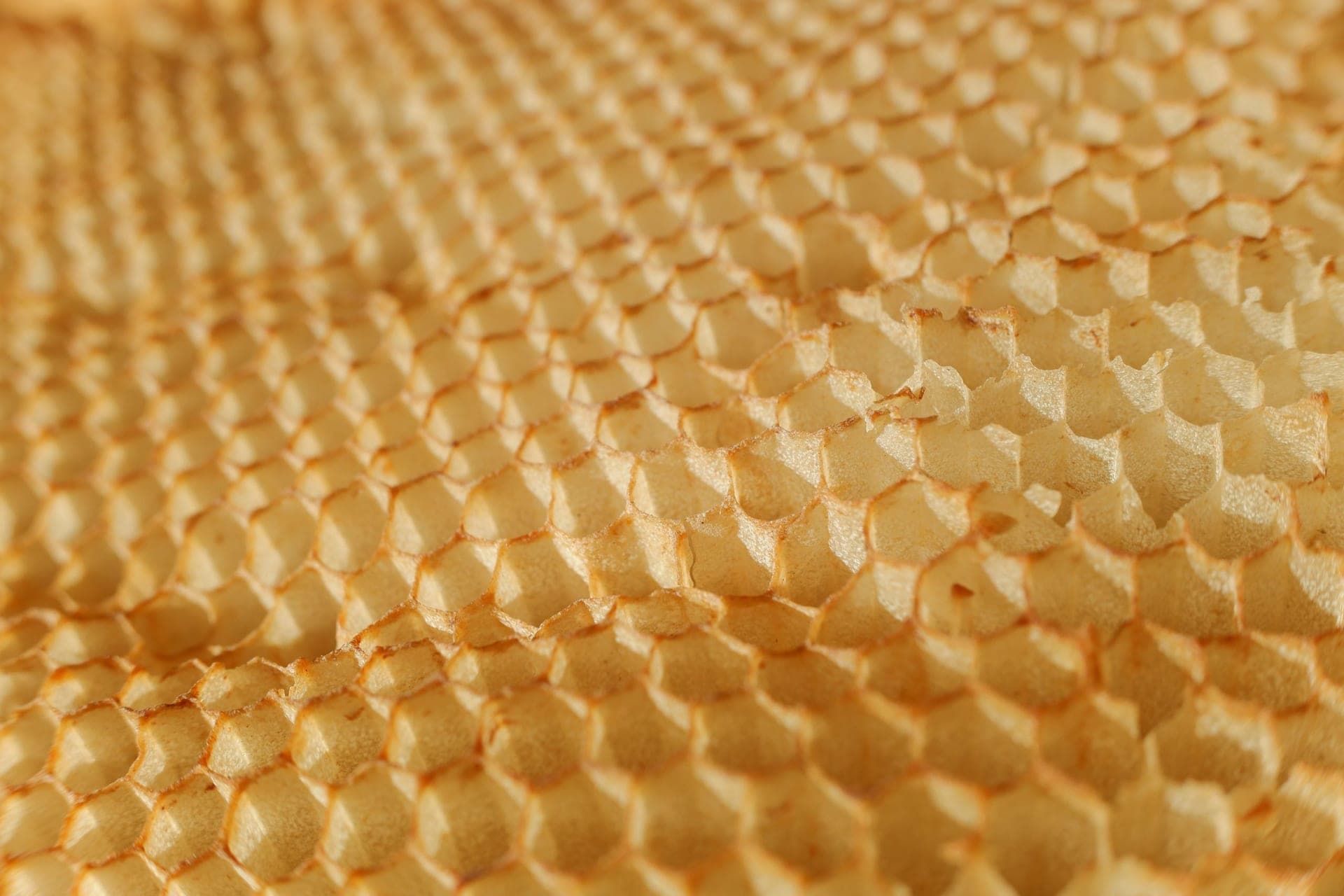
Beeswax is the natural wax that honeybees secrete to build honeycomb. Beekeepers harvest and filter it into blocks, bars, or small pellets. Cosmetic-grade beeswax comes in two colors: yellow (natural and lightly scented with honey) and white (bleached and nearly odorless). For soap and skincare, yellow beeswax is the most common choice because it carries that soft honey note and keeps its natural antioxidants.
What makes beeswax different from your soaping oils is its chemistry. Olive oil, coconut oil, and shea butter are triglycerides, which lye converts cleanly into soap. Beeswax is mostly made of wax esters and long-chain fatty acids, and only part of it reacts with lye. That single fact explains almost everything beeswax does, and doesn't do, in a bar of soap.
Does Beeswax Saponify Into Soap?
Partly. Beeswax has a saponification value, so a portion of it does turn into soap when it meets lye. Its SAP value is low compared to common oils, roughly 0.069 for sodium hydroxide, which means a gram of beeswax needs far less lye than a gram of coconut oil. The rest of the beeswax stays as unsaponified wax inside the bar.
Because some of it saponifies and some of it doesn't, you still have to account for beeswax in your lye math. Leave it out and you risk a lye-heavy batch. Add it to your oils in the soap calculator and the tool pulls the right SAP value automatically, so your lye stays correct. The leftover wax that doesn't saponify acts a bit like extra superfat, which is one reason many makers keep their superfat at a standard 5 percent rather than going higher when beeswax is in the mix.
What Beeswax Does in Cold Process Soap
Beeswax earns its place in a recipe for one main reason: hardness. Even a few percent firms up a bar noticeably, which helps soft, olive-heavy recipes hold their shape and last longer in the shower. If you're chasing a rock-hard bar, beeswax is one way to get there alongside harder oils and butters. Our guide to soap bar properties explains how hardness fits with the other qualities you're balancing.
Here's what beeswax gives you, and what it costs you:
- Adds hardness. A firmer, longer-lasting bar that unmolds well.
- Faint honey scent. Yellow beeswax adds a subtle natural aroma, though it can fade during cure.
- Reduces lather. Wax is the enemy of bubbles. Too much beeswax and your bar goes dull and draggy.
- Speeds up trace. Beeswax sets fast, so your batch can thicken quickly with little warning.
- Can feel tacky. Push the percentage too high and the bar turns sticky or waxy on the skin.
So beeswax is a tool, not a staple. Use it when you want hardness and you're comfortable working fast. If hardness is the only goal, harder oils and a proper cure often get you there with less hassle. For more on building firmness into a recipe, see our best oils for soap making guide.
How Much Beeswax to Use in Soap
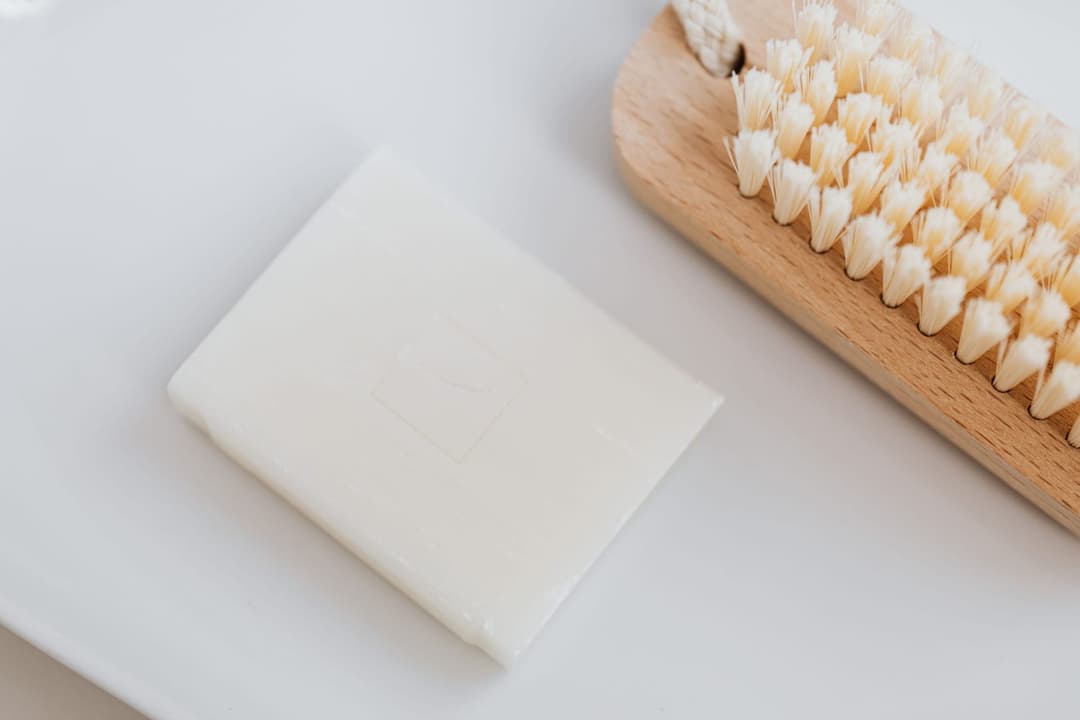
Keep it small. For cold process soap, 1 to 3 percent of your total oil weight is the sweet spot. That's enough to add hardness without killing your lather or making the batch impossible to work with. Some makers go up to 5 percent for an extra-firm bar, but beyond that you're trading away bubbles, glide, and your working time.
| Beeswax percentage | What to expect |
| -------------------- | ---------------- |
| 1 to 2% | Slightly harder bar, lather mostly intact, easiest to work with |
| 3 to 5% | Noticeably firmer bar, faster trace, some loss of lather |
| 6% and up | Hard but tacky, dull lather, very fast trace, not recommended for beginners |
If you've never soaped with beeswax, start at 2 percent. You'll feel how much faster the batter thickens and learn the timing before you push the amount higher. Run each version through the Soaply calculator so you can watch the predicted hardness climb as you adjust.
How to Add Beeswax Without Ruining Your Batch
This is where beeswax trips people up. Beeswax melts at around 145°F (63°C), which is much hotter than your soaping oils. If your oils or lye solution drop below that temperature, the beeswax solidifies into tiny white specks or clumps the instant it hits the cooler liquid. Once that happens, it won't melt back in, and your batch is ruined.
Here's how to add beeswax cleanly:
- Melt the beeswax first. Combine it with your hard oils and butters and heat everything until the beeswax is fully liquid, with no flecks left.
- Keep everything hot. Work with your oils and your lye solution both around 150 to 160°F (65 to 71°C), warmer than a normal cold process batch. This keeps the beeswax liquid through the pour.
- Move fast. Beeswax accelerates trace, so have your mold, fragrance, and colorants ready before you blend. Pulse your stick blender in short bursts and watch closely.
- Pour at light trace. Don't wait for a thick pudding. With beeswax, the batter can stiffen in seconds, so get it into the mold while it still flows.
Because you're soaping hot, beeswax recipes often go through full gel phase, which is fine and can deepen the color. Just insulate the mold and let it saponify. Working warm like this is the opposite of the cool-temperature approach some recipes use, so check our soap making temperature guide if you want the full picture on soaping temps.
A Simple Beeswax Soap Recipe
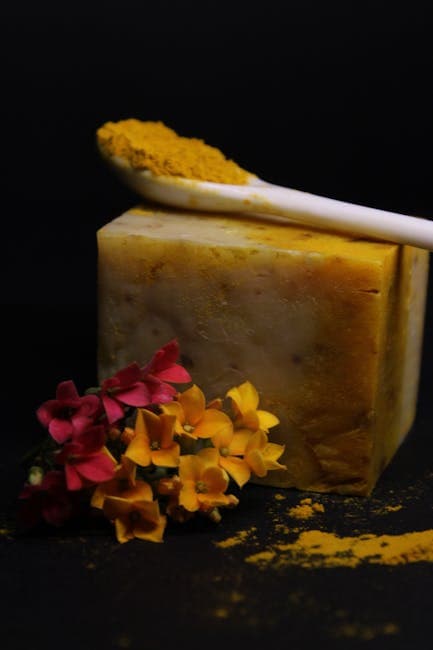
This balanced recipe uses 3 percent beeswax for a firm, long-lasting bar with enough coconut and castor oil to keep a decent lather. The percentages below are a starting point. Drop them into the Soaply soap calculator with your batch size to get exact lye and water weights before you make it.
| Oil | Percentage |
| ----- | ------------ |
| Olive oil | 45% |
| Coconut oil | 25% |
| Shea butter | 20% |
| Castor oil | 7% |
| Beeswax | 3% |
Settings: 5 percent superfat, 33 percent lye concentration, sodium hydroxide (NaOH) for a solid bar.
To make it, weigh your oils and beeswax together and melt them until the beeswax is fully liquid. Mix your lye solution separately and let both reach about 150 to 160°F. Combine, blend in short pulses to a light trace, add your fragrance, and pour right away. Insulate the mold, unmold after 24 to 48 hours, then cure the bars for four to six weeks. Beeswax bars love a long cure, since the wax and the harder oils both firm up over time. New to curing? Our guide on why curing matters explains what's happening as the bar hardens.
If beeswax feels like more fuss than it's worth, you're not alone. A lot of makers get the hardness they want from tallow, palm, or a generous cure instead. See how to make tallow soap for a classic hard bar without the wax.
Beeswax Lotion Bars and Lip Balm (No Lye Needed)
Here's the honest truth: beeswax does its best work outside the soap pot. In leave-on products, beeswax is the structure that holds everything together, and there's no lye and no saponification to worry about. You just melt, stir, and pour. These make great companions to your soap and sell well as a set.
Beeswax Lotion Bar
A lotion bar is a solid bar of moisturizer that melts on contact with warm skin. The classic formula is equal parts by weight:
- 1 part beeswax (the firmness)
- 1 part butter, like shea or cocoa butter (the richness)
- 1 part liquid oil, like sweet almond, jojoba, or fractionated coconut oil (the glide)
Melt all three together in a double boiler, stir in a few drops of essential oil if you like, and pour into silicone molds or a metal tin. It sets in an hour or two. For more on the related craft, see our guide to making body butter.
Beeswax Lip Balm
Lip balm uses more beeswax for a firmer set that survives a pocket. A reliable starting ratio by weight is:
- 25 to 30% beeswax
- 20% butter (shea or cocoa)
- 50% liquid oil (sweet almond, jojoba, or castor for shine)
Melt, add a touch of flavor oil or vitamin E, and pour into lip balm tubes while it's still hot. If it sets too hard, add more liquid oil next time. Too soft, add a little more beeswax. That simple dial is the whole skill.
💬 Frequently Asked Questions
Can you put beeswax in cold process soap?
Yes, in small amounts of 1 to 3 percent of your oils. Beeswax has a saponification value, so add it to your soap calculator so the lye stays correct. It adds hardness but speeds up trace and cuts lather, so use it sparingly and soap warm.
Does beeswax make soap harder?
Yes. Beeswax is a firm wax, and even a few percent noticeably hardens a bar and helps it last longer. That's the main reason to use it. The same effect makes the batter thicken fast, so work quickly once you blend.
Why does beeswax clump in my soap?
Beeswax melts at about 145°F, hotter than your oils. If your oils or lye solution cool below that, the beeswax solidifies into specks the moment it touches the cooler liquid. Keep everything around 150 to 160°F so the beeswax stays melted through the pour.
How much beeswax do I use in a lotion bar?
Use equal parts beeswax, butter, and liquid oil by weight for a standard lotion bar. More beeswax makes a firmer, longer-lasting bar; less makes it softer and more spreadable. Adjust the ratio to suit your climate and how hard you want the finished bar.
Is beeswax soap good for your skin?
Beeswax-containing soap is gentle and adds a hard, long-lasting bar with a faint honey scent. The unsaponified wax leaves a light protective feel on the skin. As with any soap, the overall recipe and a proper cure matter more for skin feel than the beeswax alone.
Make Your Beeswax Recipe With Confidence
Beeswax rewards makers who respect its quirks: keep the percentage low, soap hot, and move fast. Whether you're firming up a bar or pouring lotion bars and lip balm, start by running your oils through the free Soaply soap calculator so your lye, water, and superfat are dialed in before you melt a single pellet. Then pair it with our best oils for soap making guide to build the rest of the recipe around it.
Ready to Try It?
Use our free soap calculator to create your perfect recipe with real-time property predictions.
Open Calculator