Do Essential Oils Expire? Shelf Life, Storage, and How to Tell
Do essential oils expire? Yes. Learn how long essential oils last by type, the signs they have gone bad, safe storage, and whether you can still use old bottles.
This article contains Amazon links. As an Amazon Associate, Soaply earns from qualifying purchases at no extra cost to you.
Yes, essential oils expire. They don't spoil like food or grow mold the way a wet lotion can, but they do break down over time as oxygen, heat, and light slowly change their chemistry. Most essential oils stay good for one to six years depending on the type, and an oxidized oil smells flat, feels sticky, and is more likely to irritate skin. This guide covers how long different oils last, what makes them go bad, the warning signs to watch for, how to store them so they last, and whether it's safe to use an old bottle.
- Do Essential Oils Really Expire?
- How Long Do Essential Oils Last?
- What Makes Essential Oils Go Bad
- How to Tell If an Essential Oil Has Gone Bad
- How to Store Essential Oils So They Last Longer
- Can You Use Expired Essential Oils?
- Do Essential Oils Expire in Soap?
- Frequently Asked Questions
Do Essential Oils Really Expire?
Essential oils don't have a hard expiration date the way milk does, but they do degrade. The reason is a process called oxidation. Essential oils are made of dozens of volatile aroma compounds, and many of those compounds react with oxygen in the air. As they react, the scent shifts, the oil can thicken, and new compounds form that are more likely to bother sensitive skin.
Here's the part that trips people up. Because essential oils contain no water, they can't grow bacteria or mold on their own. So a two-year-old bottle of lavender won't be furry or slimy. It just quietly loses its punch and its safety margin. That's why you'll rarely see a printed "use by" date, and why the term most professionals use is shelf life rather than expiration.
Think of it like a cut apple versus a sealed jar of honey. Honey has no water for microbes and lasts nearly forever, while a cut apple browns in the air. Essential oils sit somewhere in between: no microbes, but plenty of oxygen-hungry compounds that turn over time.
How Long Do Essential Oils Last?
Shelf life depends heavily on the oil's chemistry. Oils high in light, reactive compounds called monoterpenes oxidize fast, while heavier oils built from sesquiterpenes and resins can last for years and sometimes even improve. Here's a realistic breakdown once a bottle is opened and stored well.
| Shelf life tier | Common essential oils | About how long |
| ----------------- | ----------------------- | ---------------- |
| Shortest, oxidize fast | Citrus (orange, lemon, lime, grapefruit, bergamot), pine, fir, tea tree, lemongrass, frankincense | 1 to 2 years |
| Middle of the road | Lavender, peppermint, spearmint, eucalyptus, rosemary, geranium, chamomile, clary sage | 2 to 4 years |
| Longest, some age well | Patchouli, sandalwood, vetiver, cedarwood, myrrh, ylang ylang | 4 to 8 years |
Citrus oils are the sprinters of the group. Cold-pressed sweet orange and lemon are so rich in limonene that they can start to turn within a year of opening, which is why so many soap makers complain that citrus scents fade fast. Tea tree is another one that oxidizes quickly, and oxidized tea tree is a known skin irritant, so treat it as a short-timer.
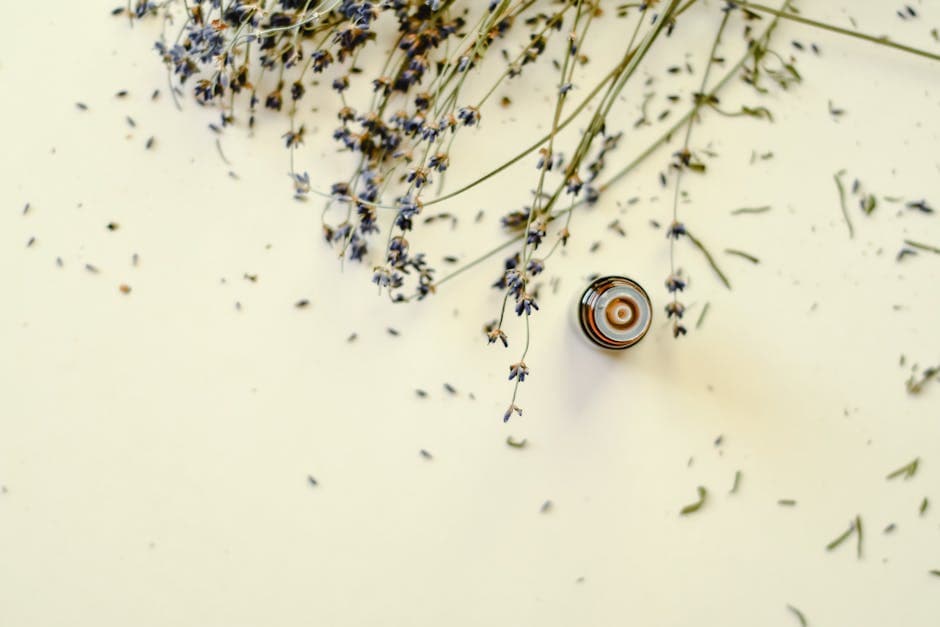
At the other end, patchouli, sandalwood, and vetiver are famous for getting smoother and more rounded with age, the way a good whiskey mellows. If you've got a bottle of patchouli that's five years old and still smells wonderful, that's normal. An unopened bottle of any oil, stored cool and dark, will last noticeably longer than the ranges above because the air never gets to it.
What Makes Essential Oils Go Bad
Four things speed up oxidation, and all of them are easy to control once you know what they are.
Oxygen is the big one. Every time you open the bottle, fresh air rushes in and starts reacting with the oil. A half-empty bottle has a large air gap above the liquid, so it degrades faster than a full one. This is why decanting into a smaller bottle as you use up an oil genuinely helps.
Heat roughly doubles the rate of most chemical reactions for every 18 degrees Fahrenheit of warming. A bottle stored on a sunny windowsill or above the stove ages far faster than one kept in a cool cupboard. Bathrooms are a bad spot for the same reason: the temperature swings every time you shower.
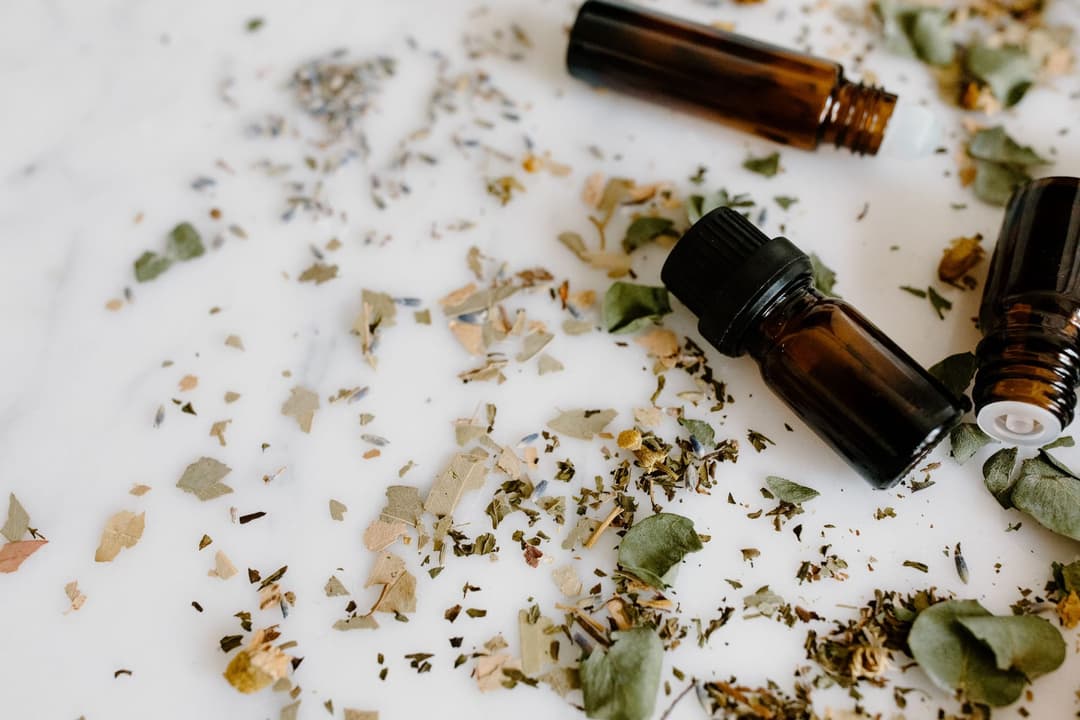
Light, especially UV, kicks off reactions that break aroma compounds apart. That's the whole reason essential oils come in dark amber or cobalt glass instead of clear bottles.
Humidity and contamination matter too. Water finding its way into a bottle, or an unwashed dropper introducing dust and skin oils, gives degradation a head start. Always cap bottles tightly and never leave a dropper sitting open.
How to Tell If an Essential Oil Has Gone Bad
You don't need lab equipment to spot an oil that's past its prime. Your nose and eyes do most of the work.
The smell changes. This is the clearest sign. A fresh oil smells bright and true to its plant. An oxidized one smells flat, faint, sharp, or sour, almost like it's turned a corner into something metallic or plasticky. If you can barely smell it anymore, the volatile top notes have flashed off and it's on its way out.
The texture thickens. Oxidation can make an oil noticeably more viscous, gummy, or sticky than it was new. Citrus oils in particular can go from watery to syrupy as they age.
It turns cloudy or changes color. A once-clear oil that's gone hazy, murky, or darker than you remember has likely oxidized or picked up moisture.
Your skin reacts. If an oil you used to tolerate suddenly stings, itches, or leaves a rash in a product, oxidation is a prime suspect. Oxidized citrus and tea tree oils are well documented skin irritants, which is the real safety reason to retire old bottles rather than push them.
When in doubt, compare a questionable bottle to a fresh one of the same oil. The difference in scent is usually obvious side by side. This is the same instinct soap makers use to catch rancid oils and dreaded orange spots in a finished bar.
How to Store Essential Oils So They Last Longer
Good storage can easily double an oil's usable life. None of it is complicated.
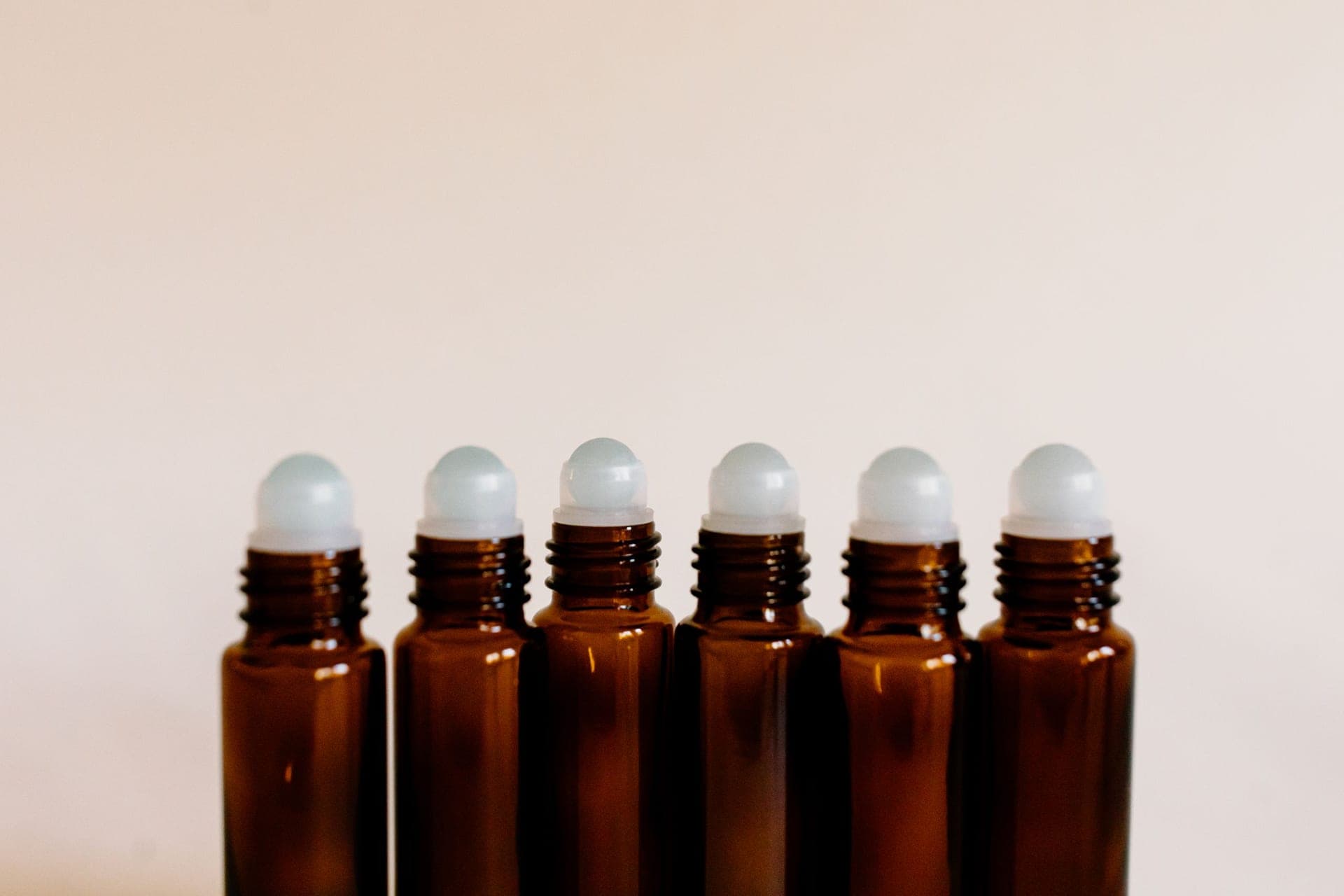
Keep them in dark glass. Amber or cobalt glass blocks the light that breaks oils down. If you buy in bulk or make your own blends, decant into fresh amber glass dropper bottles rather than storing in clear or plastic containers. Plastic is a poor choice because strong oils can slowly degrade it.
Store cool and dark. A cupboard, drawer, or dedicated box away from windows, radiators, and appliances is ideal. Aim for a steady, cool room temperature. Some people keep short-lived oils like citrus in the fridge, which works well as long as you let the bottle come to room temperature before opening so condensation doesn't drip in.
Cap them tightly and fast. Air is the enemy, so close bottles the moment you're done and make sure the cap seals. Loose orifice reducers are a common way for oils to slowly evaporate and oxidize.
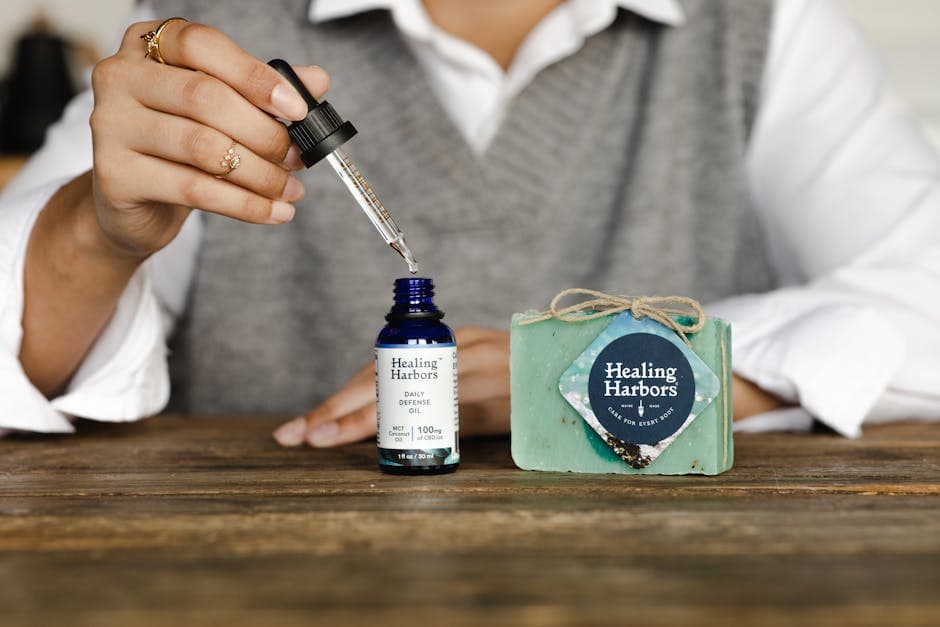
Shrink the air gap. As a bottle empties, transfer what's left into a smaller bottle so there's less air sitting on top of the oil. This one trick makes a real difference for your fast-oxidizing citrus and conifer oils.
Label with the open date. Write the date you first opened each bottle right on the label. Since there's no printed expiration, that date is your best guide to how much life is left, and it takes two seconds.
Can You Use Expired Essential Oils?
It depends on how far gone the oil is and what you want to do with it. An oil that's just a little weaker than new but still smells fine is usually okay for anything. An oil that smells sharp, sour, or off has oxidized, and here's how to think about using it.
Skip oxidized oils on the skin. This is the important rule. Oxidized citrus, pine, and tea tree oils are more likely to cause irritation or a rash, so don't put them in soap, lotion, lip balm, or anything that touches your body. The scent payoff isn't worth an allergic reaction.
Repurpose them instead of tossing them. A past-its-prime oil still has uses that don't touch skin. Add a few drops to homemade cleaning sprays, mop water, or trash-can deodorizers. Simmer a little in a pot of water to freshen a room. Some people use woodsy oils that have gone slightly off in reed diffusers where scent, not skin safety, is the only goal.
Trust your nose over the calendar. A well-stored bottle of sandalwood at four years may be perfect, while a citrus oil left in a warm car for one summer could be done. The dates in this article are guidelines. Your senses make the final call.
Do Essential Oils Expire in Soap?
Once an essential oil is in a bar of cold process soap, its clock keeps ticking, and a few things change. The high pH and the curing environment can dull or morph some scents, and delicate citrus oils often fade within weeks no matter how fresh they were. That's normal, and it's why anchoring and proper technique matter more than the oil's age here. Our guide on how to make soap scent last longer covers the tricks that help.
The bigger risk is using an already oxidized oil in a batch. Oxidized oils can speed up rancidity in the finished bar and contribute to those orange spots, and they add nothing on the scent front. Start every batch with fresh oil, store your cured bars somewhere cool and dark, and the soap itself will hold up. If you're weighing scent options for a batch, our comparison of essential oils versus fragrance oils explains why fragrance oils often outlast essential oils in soap. And if you're still building your scent shelf, our roundup of the best essential oils for soap making points you toward the ones that hold up best.
Handmade soap has its own shelf life too, which we break down in does handmade soap expire.
💬 Frequently Asked Questions
How long do essential oils last once opened?
Most last one to six years after opening, depending on the oil. Citrus, pine, and tea tree oils are the shortest lived at around one to two years, mid-range oils like lavender and peppermint hold for two to four years, and heavy oils like patchouli, sandalwood, and vetiver can last five years or more and sometimes improve with age.
Can you use expired essential oils on your skin?
No, it's best not to. Oxidized essential oils, especially citrus and tea tree, are more likely to cause skin irritation or an allergic reaction. Keep old or off-smelling oils out of soap, lotion, and lip products, and repurpose them for cleaning or room scenting instead.
How do you know if an essential oil has gone bad?
Trust your nose and eyes. A bad oil smells flat, sharp, sour, or metallic instead of true to its plant, and it may turn thicker, sticky, cloudy, or darker. If an oil suddenly irritates skin it once didn't, that's a strong sign it has oxidized. Compare it to a fresh bottle to be sure.
Do unopened essential oils expire?
Yes, but much more slowly. Without the bottle being opened, very little oxygen reaches the oil, so a sealed bottle stored cool and dark can last well beyond the opened shelf life. Once you break the seal, the oil starts oxidizing and the usual timelines apply.
Does refrigerating essential oils make them last longer?
It can, especially for fast-oxidizing citrus oils. Cold slows the chemical reactions that break oils down. Just let a chilled bottle warm to room temperature before opening so condensation doesn't drip inside, and note that some thicker oils may cloud or solidify in the cold and clear up again once warm.
Keep Your Oils and Your Soap Fresh
Essential oils do expire, but slow, quiet oxidation is easy to stay ahead of. Buy what you'll use, store it in dark glass somewhere cool, cap it tight, and date the label so you're never guessing. Retire anything that smells off before it reaches your skin. When you're ready to turn those fresh oils into soap, the free Soaply soap calculator handles the lye, water, and superfat math so every batch comes out balanced and safe, and you can focus on scenting it right.
Ready to Try It?
Use our free soap calculator to create your perfect recipe with real-time property predictions.
Open Calculator