How to Start a Soap Business from Home: A Practical Guide
Learn how to start a soap business from home in 2026. Covers startup costs, legal requirements, FDA labeling, insurance, pricing, and where to sell your bars.
This article contains Amazon links. As an Amazon Associate, Soaply earns from qualifying purchases at no extra cost to you.
You've been making soap for friends and family, and everyone keeps telling you the same thing: "You should sell this!" Turning your hobby into a business is exciting, but it takes more than great recipes. You need a plan, some legal groundwork, and a realistic understanding of costs.
- Is a Soap Business Right for You?
- Startup Costs: What to Expect
- Legal Requirements and FDA Rules
- Setting Up Your Workspace
- Building Your Product Line
- Branding and Packaging
- Where to Sell Your Soap
- Pricing for Profit
- Insurance and Liability
- Scaling Up: When Hobby Becomes Real Business
- Frequently Asked Questions
Is a Soap Business Right for You?
Before investing money, ask yourself some honest questions:
How much soap can you realistically make? Cold process soap takes 4-6 weeks to cure. If you want to sell 100 bars a month, you need to be making batches consistently, weeks ahead of time. That's inventory management, not just crafting.
Can you handle repetition? Selling soap means making the same recipes over and over. If you love experimenting but hate repeating, this could become frustrating fast.
Do you have space? You'll need a dedicated area for making soap, a curing rack that holds dozens of bars for weeks, storage for oils and supplies, and packaging space.
Are you comfortable with the business side? Bookkeeping, taxes, customer service, marketing. The soap is maybe 30% of running a soap business.
If you're nodding along, keep reading.
Startup Costs: What to Expect
One of the best things about soap making is the low barrier to entry. Here's a realistic breakdown for getting started:
Equipment (One-Time Costs)
| Item | Cost Range |
| ------ | ----------- |
| Digital scale (0.1g accuracy) | $15-30 |
| Stick blender | $20-40 |
| Silicone molds (3-4) | $40-80 |
| Mixing containers and utensils | $20-40 |
| Infrared thermometer | $15-25 |
| Safety gear (goggles, gloves) | $15-25 |
| Curing rack/shelving | $30-60 |
| Soap cutter or knife | $10-30 |
| Total Equipment | $165-330 |
Initial Supplies (First 3-6 Months)
| Item | Cost Range |
| ------ | ----------- |
| Oils and butters (bulk) | $100-200 |
| Sodium hydroxide (lye) | $15-30 |
| Fragrance and essential oils | $50-100 |
| Colorants | $20-40 |
| Packaging materials | $50-100 |
| Labels (custom printed) | $30-75 |
| Total Supplies | $265-545 |
Business Setup
| Item | Cost Range |
| ------ | ----------- |
| Business license | $25-100 |
| Liability insurance (annual) | $200-500 |
| Website/Etsy shop | $0-200 |
| Business cards | $15-30 |
| Total Business | $240-830 |
Realistic Total to Launch: $670-$1,700
That's refreshingly low compared to most businesses. You don't need a commercial kitchen, expensive equipment, or employees to start. Many successful soap businesses launched with under $1,000.
Legal Requirements and FDA Rules
This is where most new soap sellers get confused. Here's what you actually need to know.
FDA Classification: Soap vs Cosmetic
The FDA draws a clear line:
True soap (regulated by CPSC, not FDA):
- Made primarily from oils/fats saponified with an alkali
- Labeled and sold only as "soap"
- Marketed only for cleaning
Cosmetic (regulated by FDA):
- Claims to moisturize, beautify, or affect skin's appearance
- Contains non-soap ingredients for cosmetic purposes
- Makes any claim beyond cleaning (like "anti-aging" or "acne-fighting")
Drug (heavy FDA regulation):
- Claims to treat, cure, or prevent disease
- Claims like "antibacterial," "treats eczema," or "heals skin"
The practical takeaway: If you sell cold process soap and market it only as soap for cleaning, you're classified as "true soap" and face minimal federal regulation. The moment you claim it "moisturizes" or "heals dry skin," you've stepped into cosmetic or drug territory with much stricter rules.
Labeling Requirements
Even for true soap, proper labeling matters:
- Product name (e.g., "Lavender Soap")
- Net weight (in ounces or grams)
- Business name and address
- Ingredients list (if you're making cosmetic claims, INCI names are required; for true soap, it's good practice but not legally required)
If your product is classified as a cosmetic:
- Ingredients must be listed in descending order by weight
- Use INCI (International Nomenclature of Cosmetic Ingredients) names
- Include warnings if applicable
State and Local Requirements
These vary wildly by location, but commonly include:
- Business license from your city or county
- Home occupation permit if you're in a residential zone
- Sales tax permit if your state charges sales tax
- Cottage food/home manufacturing rules (some states have specific provisions)
- DBA ("Doing Business As") filing if using a business name
Check with your local city hall and state's Secretary of State website. This part takes an afternoon, not weeks.
Business Structure
Most soap businesses start as one of these:
| Structure | Pros | Cons |
| ----------- | ------ | ------ |
| Sole Proprietorship | Simplest to set up, no paperwork | Personal liability |
| LLC | Liability protection, professional | Filing fees, annual reports |
| Partnership | Share workload | Shared liability, potential conflict |
For most home soap makers, starting as a sole proprietor and upgrading to an LLC once you're making consistent sales is the smart move. An LLC typically costs $50-200 to file depending on your state.
Setting Up Your Workspace
You don't need a commercial facility. Plenty of six-figure soap businesses run from a spare bedroom, basement, or garage. But you do need organization.
Essential Workspace Features
Making area: A sturdy table or counter near a sink. Lye-safe surfaces (stainless steel, plastic, or glass). Good ventilation for lye mixing.
Curing space: Wire shelving works great. You'll need room for 200+ bars if you're selling regularly. Allow air circulation on all sides of the bars.
Storage: Separate shelving for oils, lye (keep dry and sealed), fragrances, and packaging supplies. Keep lye away from children, pets, and moisture.
Packaging station: A clean area for wrapping, labeling, and boxing orders.
Workflow Tips
- Make soap in batches on dedicated "soap days" (many sellers do 4-6 batches on one day)
- Use the Soaply calculator to scale recipes up or down for each batch
- Label every batch with date, recipe name, and batch number
- Track cure dates so you know exactly when each batch is ready to sell
Building Your Product Line
Don't launch with 30 varieties. Start focused and expand based on what sells.
Start with 4-6 Core Bars
A strong starter line might include:
- 1 unscented/sensitive skin bar (always in demand)
- 1-2 everyday scents (lavender, citrus, or something fresh)
- 1 bold/unique scent (your signature bar)
- 1 specialty bar (charcoal, oatmeal, beer soap, etc.)
Recipe Consistency
Customers expect the same bar every time they buy. This means:
- Use the same recipe, measured by weight, every batch
- Source oils from the same suppliers
- Keep detailed batch records
- Use our calculator for precise lye and water amounts every time
Testing Before Selling
Before you sell any recipe:
- Make it at least 3 times successfully
- Test with multiple people (different hair types, skin types)
- Cure for the full recommended time
- Check for any issues (DOS, soda ash, fragrance fading) after 3 months
- Document the recipe in your "production" recipe book
Branding and Packaging
Your soap could be incredible, but packaging sells it at first glance.
Naming Your Business
- Keep it memorable and easy to spell
- Check that the domain name is available
- Search the USPTO trademark database
- Make sure no one in your state has the same business name
Packaging Options (Budget to Premium)
| Style | Cost/Bar | Look |
| ------- | ---------- | ------ |
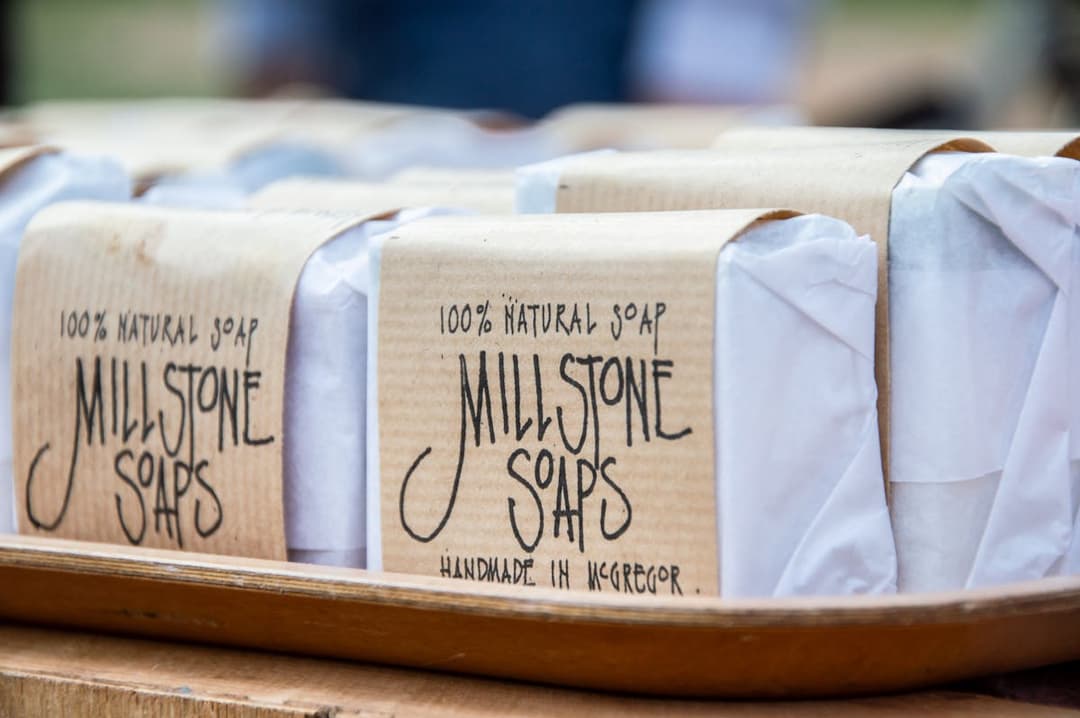
| Cigar band (paper wrap) | $0.10-0.25 | Clean, shows the soap |
| Shrink wrap + label | $0.15-0.30 | Professional, protects bar |
| Kraft box | $0.50-1.00 | Gift-ready, premium feel |
| Custom printed box | $1.00-2.50 | High-end, brand-forward |
Starting out: A printed cigar band or shrink wrap with a nice label is the best value. It looks professional without eating your margins.
Photography
Good photos sell soap online. You don't need a professional photographer:
- Natural light near a window
- Simple, clean backgrounds (white marble, wood, linen)
- Show the bar from multiple angles
- Include lifestyle shots (soap in a dish, by a sink)
- Show texture, color, and any design details
Where to Sell Your Soap
Craft Fairs and Farmers Markets
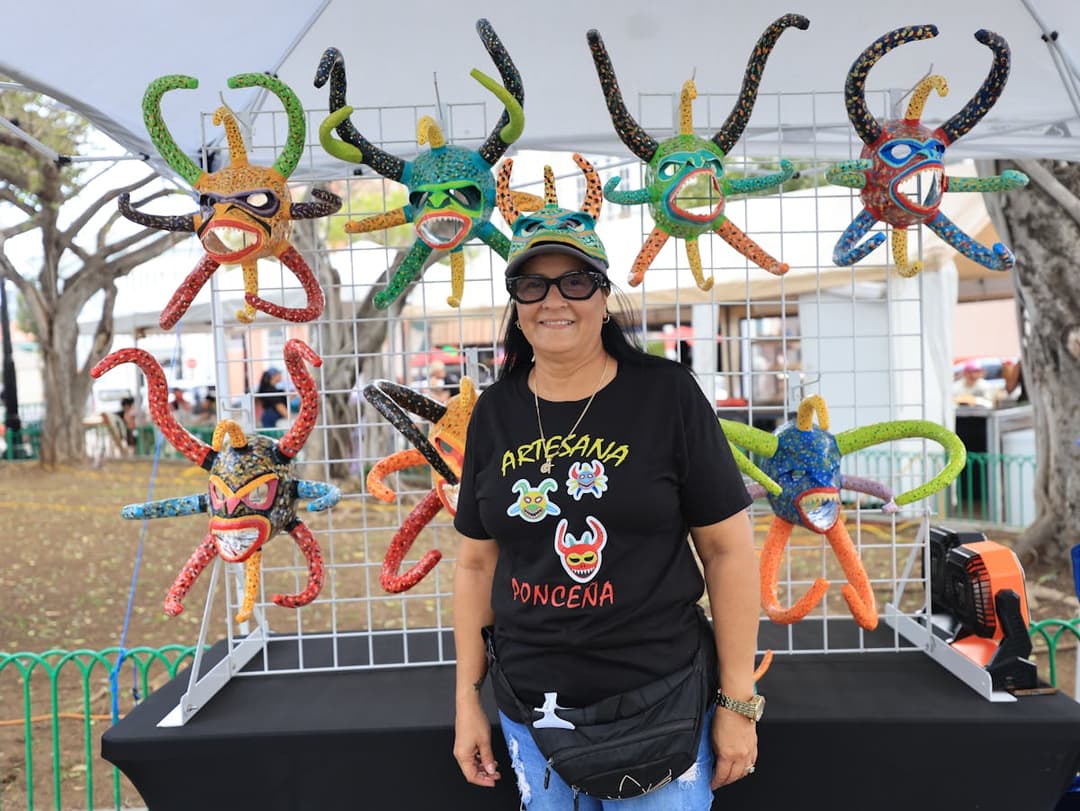
This is where most soap businesses start, and for good reason:
- Face-to-face interaction lets customers smell and touch the product
- Instant feedback on what people like
- Cash flow is immediate
- Build a local customer base
- Find local events on TheCraftMap
Costs: Booth fees range from $25-200 per event. Your first few markets might break even or lose money while you learn what works. That's normal.
Tips:
- Bring samples people can touch and smell
- Have a simple, eye-catching display
- Accept card payments (Square, Stripe, or similar)
- Collect email addresses for a mailing list
Etsy
The go-to marketplace for handmade goods:
- Built-in audience searching for handmade soap
- Listing fee: $0.20 per item
- Transaction fee: 6.5% of sale price
- Payment processing: ~3%
- Total cost: roughly 10% of each sale
Your Own Website
Higher margins but you drive all the traffic:
- Shopify ($39/month) or WooCommerce (free with hosting)
- Full control over branding and customer experience
- No marketplace fees (just payment processing at ~3%)
- Requires marketing effort (SEO, social media, email)
Wholesale to Shops
Selling to boutiques, gift shops, and specialty stores:
- Consistent, larger orders
- You'll sell at 50% of retail (wholesale pricing)
- Requires professional packaging and reliable supply
- Build relationships with local shop owners first
Best Strategy for Beginners
Start with craft fairs to validate your products and pricing. Launch an Etsy shop simultaneously for online visibility. Once you have a steady customer base and consistent income, build your own website.
Pricing for Profit
We covered pricing in detail in our how to price handmade soap guide, but here's the quick version for business planning:
The Formula
Cost Basis = Materials + Labor + Overhead
Retail Price = Cost Basis + Profit Margin (aim for 40-50%)
Wholesale Price = Retail ÷ 2
Typical Market Pricing (2026)
| Bar Size | Budget | Mid-Range | Premium |
| ---------- | -------- | ----------- | --------- |
| 4 oz | $5-6 | $7-9 | $10-14 |
| 5 oz | $6-7 | $8-10 | $11-16 |
Most handmade soap sells for $7-$12 per bar at retail. Don't compete on price; compete on quality, ingredients, and story.
Track Your Costs
Use a spreadsheet or our calculator to know your exact cost per bar. Many new sellers undercharge because they forget to include labor, booth fees, packaging, and insurance.
Insurance and Liability
This isn't optional. It's essential.
Product Liability Insurance
Covers you if someone has an allergic reaction or claims your product harmed them. Annual cost is typically $200-500 for a small soap business.
Where to get it:
- Indie Business Network (popular with soap makers)
- Handmade Insurance
- Your existing homeowner's policy (ask about a business rider)
What Insurance Covers
- Customer allergic reactions
- Contamination claims
- Property damage from your product
- Legal defense costs
Other Protection
- Keep batch records for every batch you sell (date, ingredients, batch number)
- Use proper labeling with all ingredients listed
- Include an allergen warning if relevant (tree nuts, dairy, etc.)
- Never make medical claims about your soap
Scaling Up: When Hobby Becomes Real Business
Signs you're ready to scale:
- You're selling out at every market
- Online orders are consistent
- You can't keep up with demand
- Your cure rack is always full
Scaling Steps
- Buy supplies in bulk. Oil prices drop significantly when you buy 35-50 lb containers instead of small bottles.
- Streamline production. Make one recipe per day. Cut and package on different days. Batch your work.
- Upgrade equipment. Larger molds, a second stick blender, dedicated soap room.
- Hire help. Start with packaging and labeling, which don't require soap making skill.
- Diversify sales channels. If you're only at markets, add online. If you're only on Etsy, build your own site.
Revenue Expectations
Being realistic:
- Part-time (5-10 hrs/week): $500-2,000/month
- Full-time (20-30 hrs/week): $2,000-6,000/month
- Established brand: $5,000-15,000+/month
These numbers assume you're pricing correctly, marketing consistently, and reinvesting in the business. Most soap businesses take 6-12 months to become consistently profitable.
Your Next Steps
- Perfect 4-6 recipes using the Soaply calculator to get properties and costs dialed in
- Research your local requirements (business license, sales tax, zoning)
- Get liability insurance before selling your first bar
- Sign up for 2-3 local craft fairs to test the market
- Set up an Etsy shop alongside your in-person sales
- Keep detailed records of every batch, every sale, every expense
Starting a soap business won't make you rich overnight. But it's one of the most accessible businesses you can start from home, and the demand for handmade, natural products keeps growing year over year.
You've already got the hardest part down: making great soap. Now it's time to share it.
💬 Frequently Asked Questions
How much does it cost to start a soap business?
Most home soap businesses launch for $670-$1,700. That covers equipment ($165-330), initial supplies ($265-545), and business setup including insurance ($240-830). You don't need a commercial kitchen or expensive equipment. Many successful soap sellers started with under $1,000.
Do I need FDA approval to sell handmade soap?
No. If your product is true soap (made from saponified oils/fats and marketed only for cleaning), it's regulated by the CPSC, not the FDA, and doesn't require pre-approval. However, if you make cosmetic claims like "moisturizing" or "anti-aging," your product falls under FDA cosmetic regulations with stricter labeling rules.
How much can you make selling soap from home?
Part-time soap sellers (5-10 hours per week) typically earn $500-$2,000 per month. Full-time sellers working 20-30 hours per week can make $2,000-$6,000 monthly. Established brands with multiple sales channels sometimes exceed $10,000 per month. Profitability depends on correct pricing, consistent marketing, and managing costs.
Do I need insurance to sell handmade soap?
You're not legally required to carry insurance in most states, but it's strongly recommended. Product liability insurance costs $200-500 per year and protects you if a customer claims your soap caused an allergic reaction or injury. Most craft fairs also require proof of insurance for vendors.
Where is the best place to sell handmade soap?
Craft fairs and farmers markets are the best starting point because customers can smell and touch your product. Pair in-person sales with an Etsy shop for online reach. As you grow, build your own website for higher margins and consider wholesale to local boutiques and gift shops.
Ready to Try It?
Use our free soap calculator to create your perfect recipe with real-time property predictions.
Open Calculator