Vanilla Essential Oil: Why It Doesn't Exist and How to Scent Soap With Vanilla
A true vanilla essential oil doesn't exist. Here's what vanilla oil really is, why it turns soap brown, and how to scent cold process soap with vanilla.
This article contains Amazon links. As an Amazon Associate, Soaply earns from qualifying purchases at no extra cost to you.
Here's the answer that surprises most soap makers: a true vanilla essential oil doesn't exist. You can't steam distill a vanilla bean the way you can lavender or peppermint, so the "vanilla essential oil" you see for sale is almost always a vanilla absolute, a CO2 extract, or a fragrance oil. If you want that warm, sweet vanilla scent in cold process soap, you have real options, but each one behaves differently and most will turn your bar some shade of brown. This guide covers what vanilla oil actually is, why it browns soap, and exactly how to use it.
Is There a Real Vanilla Essential Oil?
No. Essential oils are made by steam distillation or, for citrus, cold pressing the peel. Both methods pull volatile aromatic compounds straight out of the plant. Vanilla doesn't cooperate. The scent lives in cured vanilla beans, and the compounds that make vanilla smell like vanilla, mainly vanillin plus hundreds of trace molecules, are too heavy and heat sensitive to come out cleanly by distillation. So there's no bottle of pure, steam-distilled vanilla essential oil anywhere, no matter what a label claims.
When you see a product marketed as "vanilla essential oil," it's one of a few things: a vanilla absolute or oleoresin diluted in a carrier oil, a CO2 extract, or a synthetic or blended fragrance oil wearing an essential-oil label. None of those is wrong to use. They just aren't the technical definition of an essential oil, and knowing the difference helps you predict how they'll act in soap. Our guide to essential oils vs fragrance oils breaks down the two categories in more depth.
Why Vanilla Can't Be Steam Distilled
Vanilla starts as a green, scentless pod from a climbing orchid. It only develops its aroma after months of curing, where enzymes slowly convert stored compounds into vanillin and the rest of the flavor. Even after curing, those aroma molecules are locked into a sticky, resinous bean.
Steam distillation works by heating plant material so the light, volatile oils rise with the steam and get collected. Vanilla's key compounds are heavier, and they'd rather stay put or break down under prolonged heat than float off in vapor. Push hard enough to force them out and you scorch the delicate scent. That's why extractors reach for solvents or pressurized carbon dioxide instead, which pull the aroma out gently at low temperatures.
The result is that vanilla is one of the few beloved scents with no essential oil form at all, right alongside fresh strawberry, cucumber, and cut grass. As a rule of thumb, if a scent smells like food or fresh produce, there's a good chance it only exists as a fragrance oil or a solvent extract, not a true essential oil.
Vanilla Absolute, CO2 Extract, and Oleoresin
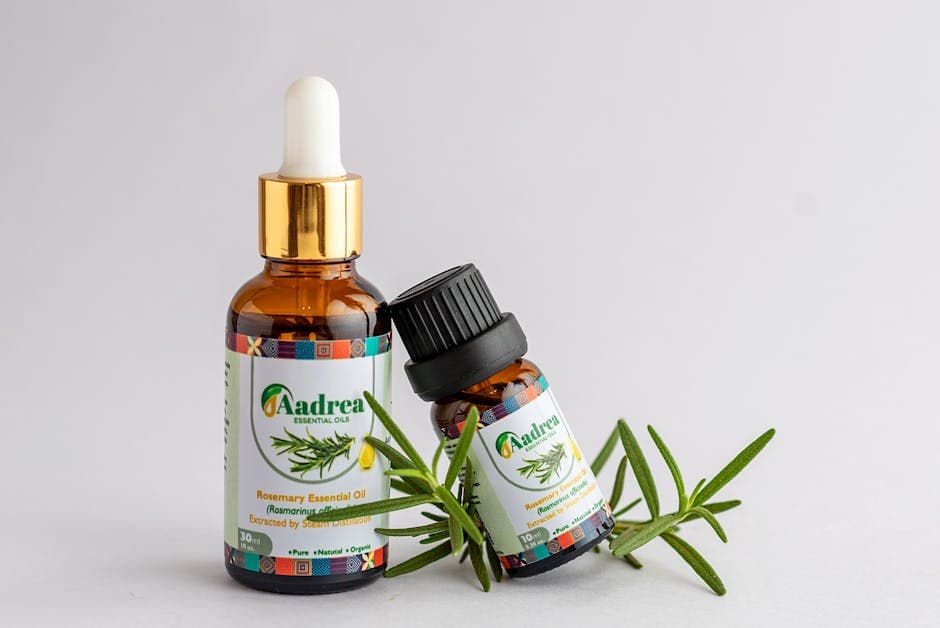
These three are the closest things to a natural vanilla oil, and they're what most "vanilla essential oil" bottles really contain.
- Vanilla absolute is extracted with a solvent like ethanol, then refined into a thick, dark brown liquid with a deep, boozy, true-to-bean scent. It's beautiful and also one of the priciest aromatics you can buy, since vanilla is the second most expensive spice in the world after saffron.
- Vanilla CO2 extract is made with supercritical carbon dioxide, which behaves like a solvent but leaves no residue behind. CO2 vanilla smells rich and rounded and is prized in natural perfumery.
- Vanilla oleoresin is a concentrated, syrupy extract that carries both the aroma and the natural color of the bean.
All three are natural, all three smell wonderful, and all three share two headaches for soap makers. They're expensive, and they're loaded with vanillin, which means they'll darken your soap. They also tend to fade or shift in the high-pH environment of cold process soap, so plenty of makers save their pricey vanilla absolute for lotions, balms, and roll-ons where it performs better and lasts longer. If you want to experiment, buy a small amount of vanilla absolute diluted in jojoba and test it in a leave-on product first.
Vanilla Fragrance Oils for Soap and Candles
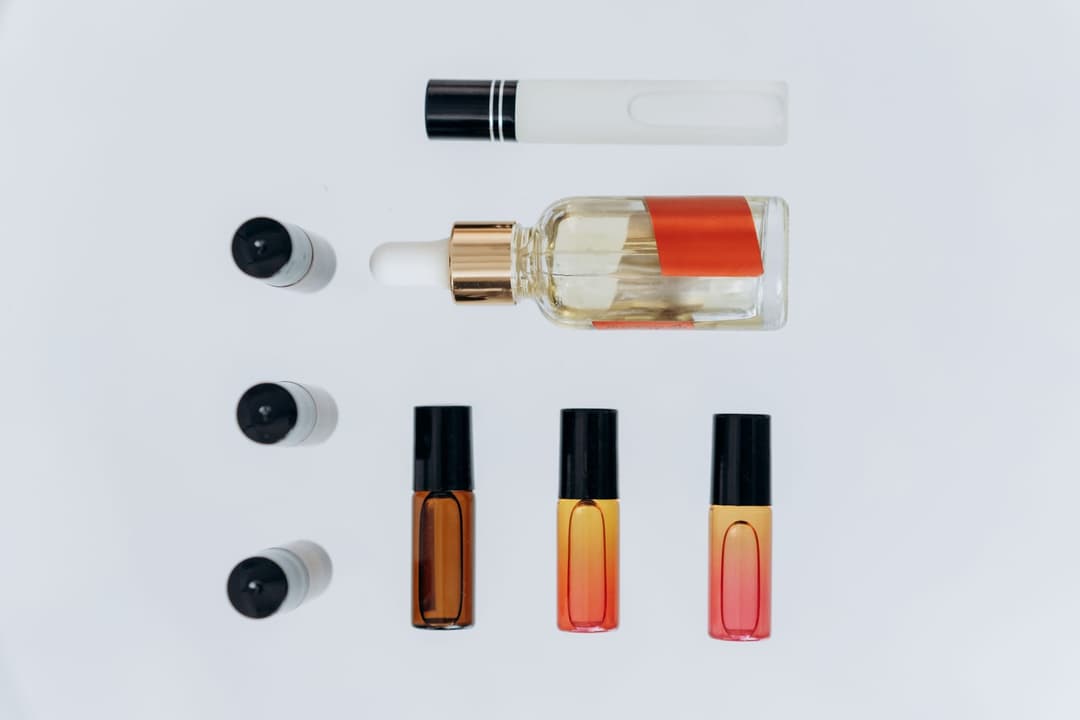
For most soap and candle makers, a vanilla fragrance oil is the practical answer. Fragrance oils are lab-blended scents, and vanilla is one of the categories they nail. They cost far less than absolute, they come in dozens of variations (think vanilla bean, warm vanilla sugar, French vanilla, vanilla latte), and the good ones are built to survive saponification and hold their scent through the cure.
The trade-offs are real. Fragrance oils aren't natural, so if you market your soap as all-natural, they don't fit that promise. Some also contain vanillin, which means they brown just like the natural extracts do. When you shop, check the product page for the vanillin percentage and confirm the oil is skin safe and rated for cold process soap. A quality vanilla fragrance oil will list a recommended usage rate and an IFRA maximum right on the listing.
Why Vanilla Turns Soap Brown (The Vanillin Problem)
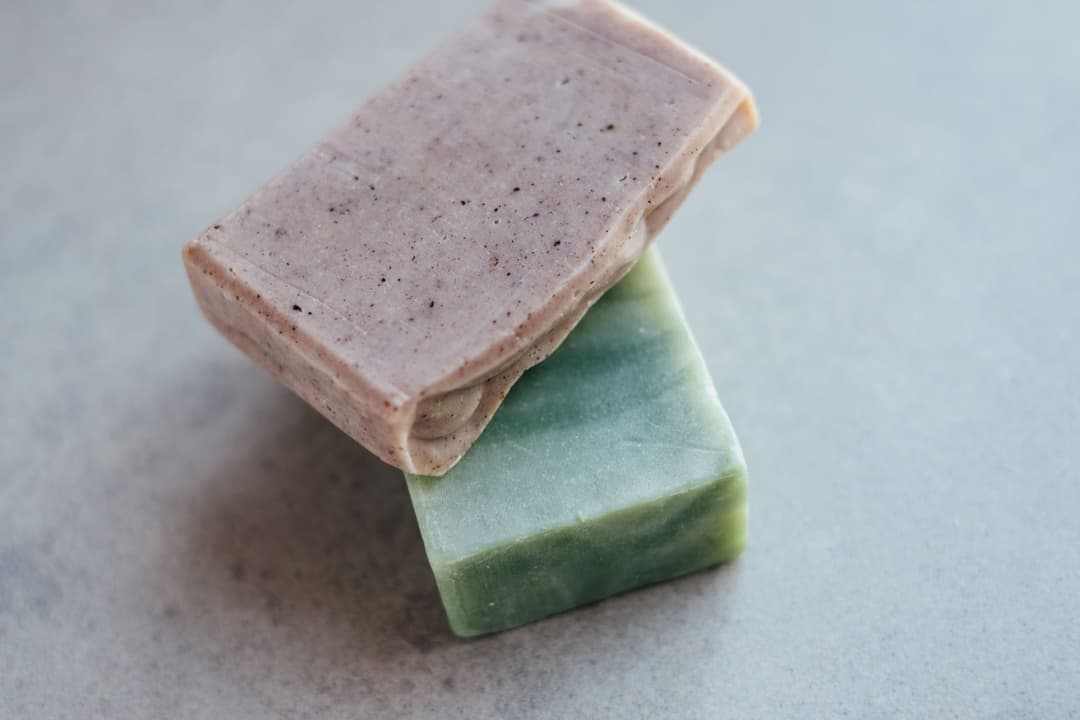
Here's the part that catches beginners off guard. You pour a batch of clean white soap, scent it with vanilla, and a few days later it's turning tan, then coffee brown. Nothing went wrong. That's vanillin doing its thing.
Vanillin is the main aroma compound in vanilla, and it oxidizes in the high-pH environment of soap, shifting the color from cream to brown over days or weeks. The more vanillin a scent contains, the darker it goes. A light vanilla with around 1% vanillin might settle into a soft tan, while a rich vanilla bean at 5% or more can turn nearly chocolate. Suppliers usually print the vanillin percentage right on the fragrance oil listing, so you can predict the outcome before you pour.
You have three ways to handle vanilla browning:
- Embrace it. Design the soap around a warm brown or a cream-and-brown look. Vanilla pairs naturally with coffee, so a two-tone swirl reads as intentional. Our coffee soap recipe leans into exactly this.
- Use a vanilla color stabilizer. A vanilla stabilizer is an additive you mix into the fragrance before adding it to your batter. It slows and lightens the browning, though it rarely stops it completely, especially at high vanillin levels.
- Choose a vanillin-free fragrance. Some vanilla-type fragrance oils are reformulated to skip the browning. They smell a touch different but keep your soap pale.
Whatever you pick, expect some color movement and plan your design so a little browning looks deliberate rather than like a mistake.
How to Scent Cold Process Soap With Vanilla
Once you've chosen your vanilla, using it is straightforward. Weigh your fragrance on a digital scale instead of measuring by drops, because accuracy matters for both scent strength and skin safety.
A typical usage rate for vanilla fragrance oil in cold process soap is about 0.5 to 1 ounce per pound of oils, added at light trace. Stir it in quickly and evenly, then pour, since some vanilla blends can speed up trace or cause slight acceleration. Don't guess at the amount. Run your batch through the Soaply fragrance calculator to get the exact weight for your recipe size and the scent strength you want. If you're blending vanilla with other fragrances, the calculator keeps your total load inside safe limits. For the science behind how much scent a bar can actually hold, our guide to calculating fragrance load walks through the math.
A few working tips:
- Anchor it. Vanilla is a base note, which is what makes it last. It even works as a fixative that helps lighter top notes like citrus hang around longer through the cure.
- Soap cool if it accelerates. If your vanilla blend thickens fast, soap at a lower temperature and lean on a slow-moving recipe.
- Test small first. Make a one-pound test batch of any new vanilla so you can see how dark it gets and how the scent holds before you commit to a full loaf.
Best Vanilla Scent Blends
Vanilla is a team player. On its own it can read a little flat in soap, but it makes almost everything around it warmer and rounder. Some reliable pairings:
- Vanilla and coffee: the classic gourmand combo, and the browning works in your favor.
- Vanilla and sweet orange or another citrus: vanilla anchors the citrus so it survives the cure.
- Vanilla and lavender: softens lavender's sharp edge into something cozy.
- Vanilla and cedarwood or sandalwood: a warm, woody blend that leans unisex.
- Vanilla and peppermint or spice: reads as bakery, cocoa, or holiday depending on the ratio.
When you blend, vanilla usually sits at 30 to 50% of the mix as the base note. To keep the more volatile top notes from fading during cure, read our tips on making soap scent last longer.
Is Vanilla Safe for Skin and Soap?
Vanilla scents, whether absolute, CO2, or fragrance oil, are generally considered skin safe when used at the rates set by IFRA and your supplier. The key word is rate. More fragrance isn't better. Overloading soap with any scent can irritate skin and, with some oils, cause them to seep out of the finished bar. Stay within the maximum usage for wash-off products, which the fragrance calculator handles for you.
One note on natural vanilla. Real vanilla extract from the grocery store is water and alcohol based, so it won't scent soap. The alcohol flashes off and the aroma is far too faint to survive saponification, plus the sugar can misbehave in the batter. Save it for the kitchen and use a proper vanilla fragrance oil or cosmetic-grade absolute for soap. And like all aromatics, vanilla oils do age. If you're wondering how long yours will keep, see do essential oils expire for storage and shelf-life guidance that applies to absolutes and fragrance oils too.
💬 Frequently Asked Questions
Is there such a thing as vanilla essential oil?
No. Vanilla can't be steam distilled or cold pressed, so a true vanilla essential oil doesn't exist. Products labeled that way are usually a vanilla absolute, CO2 extract, or oleoresin diluted in a carrier oil, or a vanilla fragrance oil. All of them scent well; they just aren't technically essential oils.
Why does vanilla turn soap brown?
Vanillin, the main compound in vanilla, oxidizes in the high pH of soap and darkens it from cream to tan or brown over days to weeks. The higher the vanillin percentage in your fragrance, the darker the bar gets. You can embrace the color, use a vanilla stabilizer, or choose a vanillin-free fragrance.
How much vanilla fragrance oil do I use in soap?
A common rate is about 0.5 to 1 ounce of vanilla fragrance oil per pound of oils in cold process soap, added at light trace. Always follow the supplier's usage rate and IFRA limit, and run the numbers through a fragrance calculator so your total scent load stays safe.
Can you use real vanilla extract in soap?
No. Grocery-store vanilla extract is alcohol and water based, so the alcohol evaporates and the scent is far too weak to survive saponification. The added sugar can also misbehave in the batter. Use a vanilla fragrance oil or a cosmetic-grade vanilla absolute instead.
Does vanilla essential oil last in cold process soap?
Vanilla is a heavy base note, so it holds up better through the cure than light citrus top notes. Natural vanilla absolute can fade or shift in the high-pH batter, while fragrance oils formulated for soap tend to stay strong. Vanilla also acts as a fixative that helps other scents last.
Scent Your Next Batch With Vanilla
The bottom line: there's no true vanilla essential oil, but you can still get that warm vanilla scent in your soap with a vanilla absolute or, more practically, a well-formulated vanilla fragrance oil. Just plan for some browning and weigh your fragrance carefully. When you're ready to scent a batch, run it through the free Soaply fragrance calculator so your vanilla comes out strong, safe, and perfectly measured every time.
Ready to Try It?
Use our free soap calculator to create your perfect recipe with real-time property predictions.
Open Calculator