Soap Base Guide: Types of Melt and Pour Soap Base and How to Choose
A soap base is premade, already-saponified soap you melt and pour. Compare glycerin, goat milk, shea, and more, plus how to choose the best soap base for you.
A soap base is premade, already-saponified soap that you melt, customize, and pour into molds. Because the lye reaction is already done, you skip the caustic chemistry and go straight to the fun part: color, scent, and design. If you've ever wanted handmade soap without handling sodium hydroxide, a melt and pour soap base is the fastest way in. This guide breaks down what a soap base actually is, the main types you'll find, and how to pick the right one for your project.
- What Is a Soap Base?
- Soap Base vs Making Soap From Scratch
- The Main Types of Soap Base
- How to Choose the Right Soap Base
- How to Use a Soap Base: Quick Start
- Adding Color, Scent, and Extras
- Where to Buy Soap Base
- Common Soap Base Problems and Fixes
- Frequently Asked Questions
What Is a Soap Base?
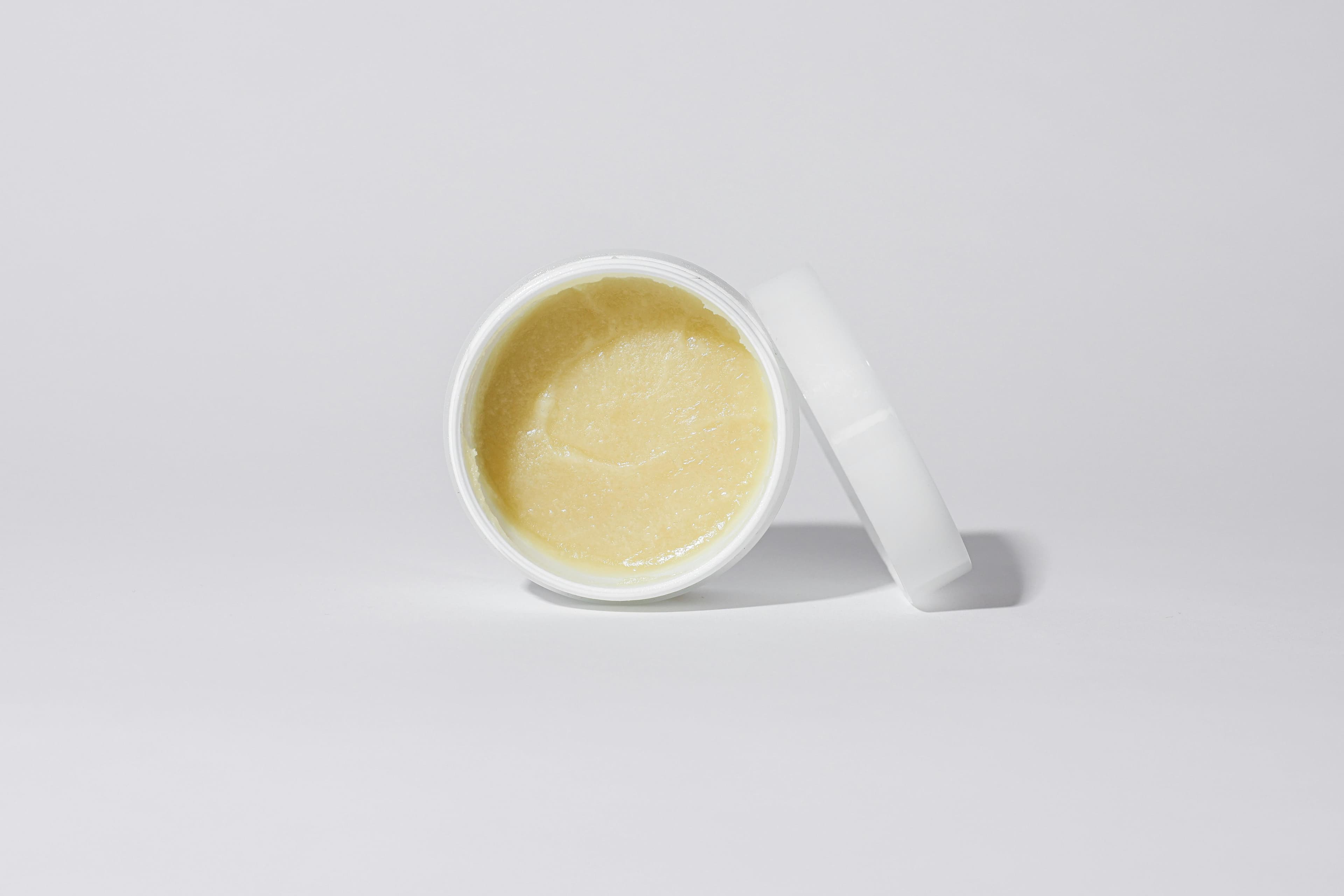
A soap base, also called a melt and pour base, is a solid block of finished soap that a manufacturer has already made for you. The oils have been combined with lye, the saponification reaction has run to completion, and the result is cured into clear or white blocks. All that's left for you to do is melt it down, stir in your own color and fragrance, and pour it into a mold.
That's the key difference from soap you make from scratch. With cold process or hot process soap, you measure raw oils, mix your own lye solution, and run the saponification yourself. With a soap base, the chemistry is done. There's no lye to weigh, no protective gear required for caustic handling, and no four to six week cure to wait out. You can melt, pour, and use the same day.
Soap bases usually come in one and two pound blocks or in larger 24 pound slabs for people making in bulk. Most are sold as either a clear (transparent) base or a white (opaque) base, and from there manufacturers add ingredients like goat milk, shea butter, or honey to create specialty versions.
Soap Base vs Making Soap From Scratch
Neither approach is better, they just suit different goals. Here's how they compare.
A soap base is the better fit when you:
- Want to make soap today without a cure time
- Don't want to handle lye or buy safety gear
- Are crafting with kids or teaching a class
- Love detailed designs, embeds, and layered or see-through bars
- Want consistent, repeatable results every time
Making soap from scratch is the better fit when you:
- Want full control over every oil in the recipe
- Care about formulating for a specific skin type or lather
- Want to label a bar with your own oil list rather than a base ingredient deck
- Enjoy the craft and chemistry of the process itself
If you're brand new, starting with a soap base and graduating to cold process later is a common path. When you're ready to take that next step, our beginner's guide to cold process soap walks you through building a recipe from raw oils. And once you do start formulating, you'll run every recipe through the free Soaply soap calculator to get your lye and water exact.

The Main Types of Soap Base
Most of the choices on a supplier's shelf are variations on two starting points: clear and white. The specialty bases simply add ingredients to one of those. Here's a rundown of the most common types and what each one's good for.
| Soap base | What it's like | Best for |
| --- | --- | --- |
| Clear / transparent glycerin | See-through, high glycerin, jewel-like color | Embeds, layered bars, gem and slice designs |
| White / opaque | Creamy, solid color, hides what's inside | Pastel colors, swirls, a classic bar look |
| Goat milk | Soft, creamy, mild, naturally off-white | Gentle bars, sensitive skin, rustic styles |
| Shea butter | Rich and conditioning, opaque | Moisturizing bars, dry skin |
| Honey | Warm tone, light natural scent, boosts lather | Cozy fall and winter bars, gift sets |
| Oatmeal | Flecked with ground oats, gently exfoliating | Soothing, scrubby bars |
| Aloe vera | Light green tint, marketed as calming | Soothing summer and after-sun bars |
| Olive oil | Mild, low-bubble, conditioning | Simple, gentle bars |
| African black soap | Dark, earthy, naturally textured | Trendy specialty bars |
| Low-sweat | Resists the surface beads clear soap can form | Humid climates, soap that sits out |
| Suspension | Thickened to hold heavy additives | Bars with poppy seeds, oats, or glitter that won't sink |
A few of these deserve a closer look.
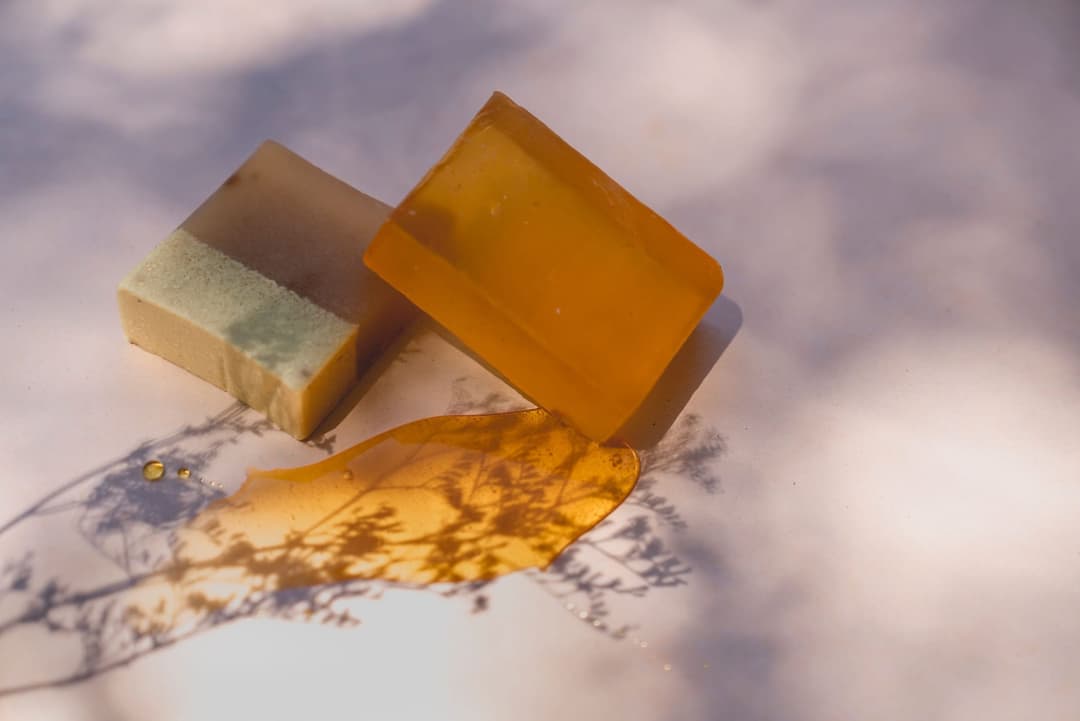
Clear glycerin base is the show-off of the group. Because it's transparent, it makes color glow and it's the only base that lets you do embeds you can see, like a toy or a contrasting soap shape suspended inside. If you want to understand what's really in that block and how the see-through effect works, our guide on how to make glycerin soap from scratch explains the chemistry behind it.
White base is the workhorse. Color comes out as a true pastel or solid shade instead of a tinted transparent, which makes it the go-to for creamy-looking bars and most swirl designs.
Goat milk base gives you that soft, mild bar a lot of people love without the fuss of working with real milk and lye. If you'd rather make a milk bar the traditional way, here's how to make goat milk soap from scratch.
How to Choose the Right Soap Base
Work through these questions and the right base usually picks itself.
What look do you want? If your design has embeds, layers, or glowing color, reach for a clear base. If you want solid, creamy color, choose white. This single decision narrows the field fastest.
Who's it for? For sensitive or dry skin, a goat milk or shea butter base brings extra mildness and conditioning. For a fun kids' soap with a toy inside, clear is the way to go.
Where will it live? Clear glycerin bases love to draw moisture from the air, which causes "sweating," those little beads on the surface. If your soap will sit unwrapped in a humid bathroom, a low-sweat base saves you headaches.
What are you adding? Heavy add-ins like oatmeal, seeds, or coffee grounds tend to sink before the soap sets. A suspension base is thickened to hold them in place. Speaking of which, here's how to make oatmeal soap if a scrubby bar is what you're after.
Read the label. Some inexpensive bases use detergents and a long list of ingredients, while others are closer to true soap with a short, recognizable deck. If a natural label matters to your brand, compare ingredient lists before you buy a case.
For most beginners, a basic white base and a basic clear base cover almost everything you'll want to try in your first few months.
How to Use a Soap Base: Quick Start
The process is genuinely simple, and you can finish a batch in under an hour. Here's the short version.
- Cut and weigh. Slice the base into small, even cubes so it melts evenly. Weigh out how much you need for your mold.
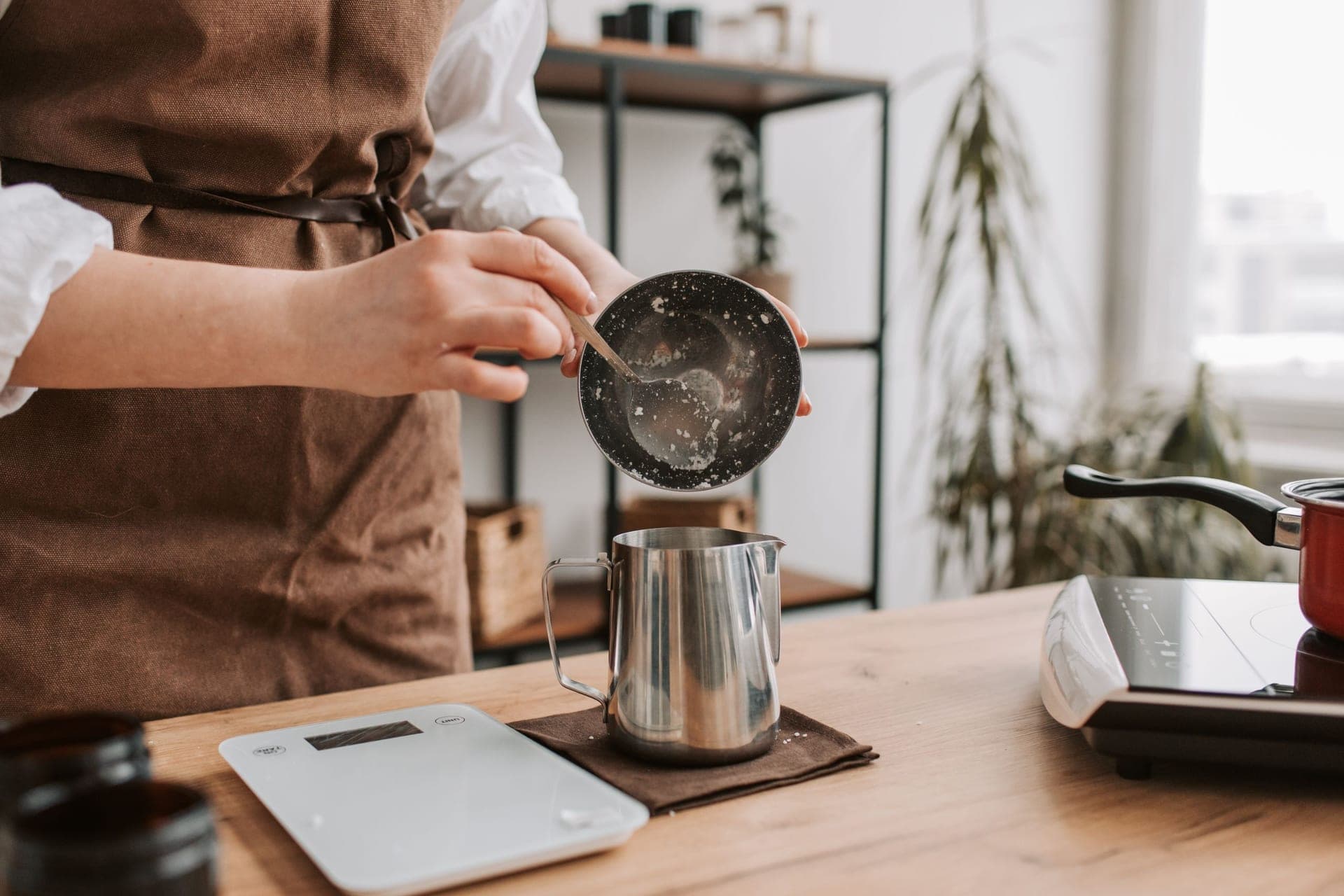
- Melt gently. Microwave in 20 to 30 second bursts, stirring between each, or use a double boiler on low. Stop as soon as it's just melted. Overheating scorches the base and can wreck the lather.
- Add color. Stir in a tiny amount of colorant and mix until there are no streaks.
- Add fragrance. Stir in your fragrance or essential oil, usually right before pouring so it doesn't flash off.
- Pour. Pour into your mold, then spritz the top with rubbing alcohol to pop surface bubbles.
- Set and unmold. Let it firm up at room temperature for an hour or two, or speed it up in the fridge. Pop it out and it's ready to use.
For a deeper walkthrough with troubleshooting, see our full melt and pour soap making guide.
Adding Color, Scent, and Extras
This is where a plain base becomes your soap. A few pointers keep your results clean.
Color. Micas give you bright, shimmery shades and are a favorite for melt and pour. Liquid colorants and color blocks made for soap also work well. Skip random craft pigments and food coloring, which can bleed or fade. Our guide on how to use mica in soap covers mixing, dosing, and avoiding clumps.
Fragrance. Use fragrance oils or essential oils that are skin safe and meant for soap. A typical load is around 1 to 3 percent of your soap weight, but always check the supplier's max usage rate. To dial in the exact amount for your batch, run the numbers through our fragrance load guide.
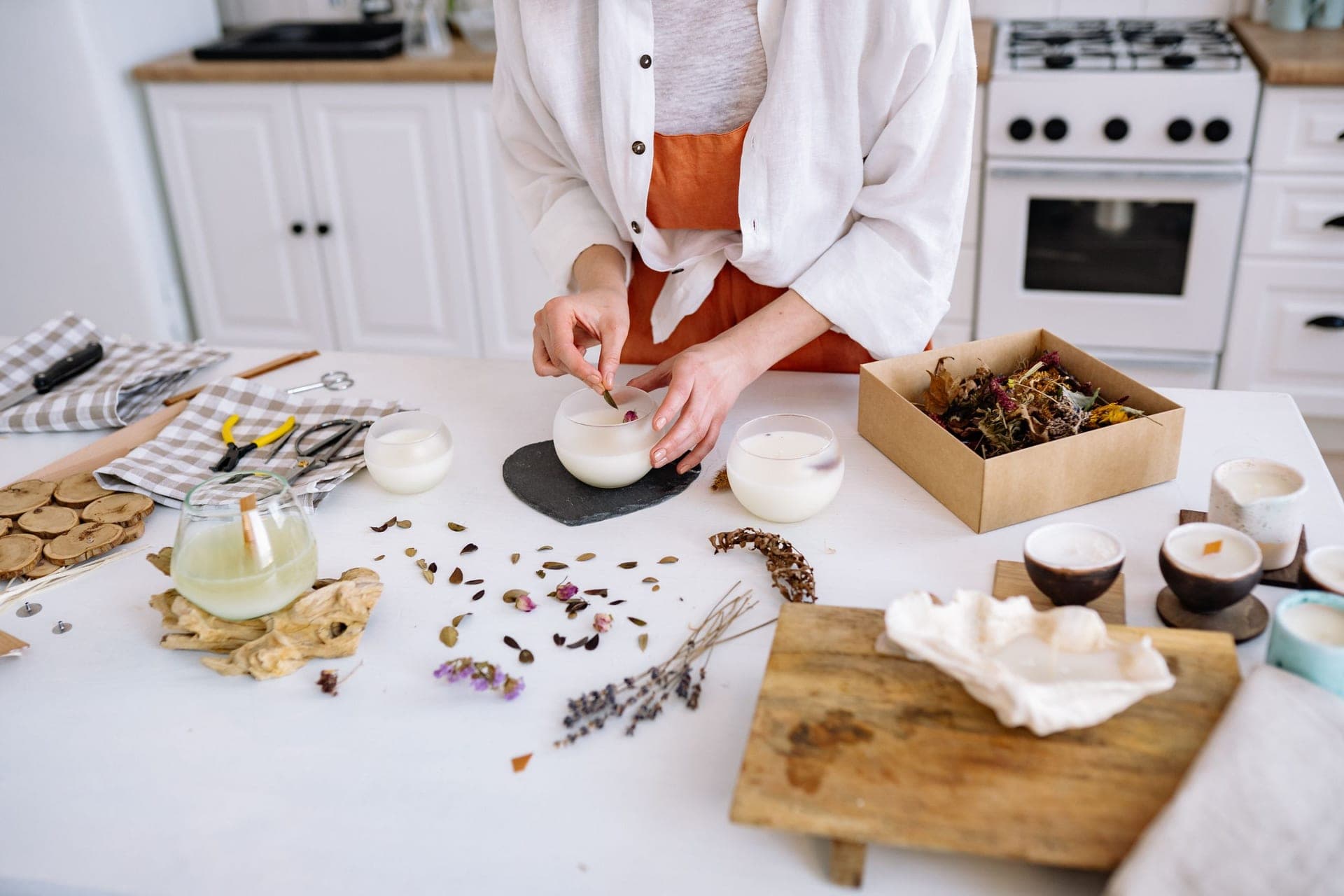
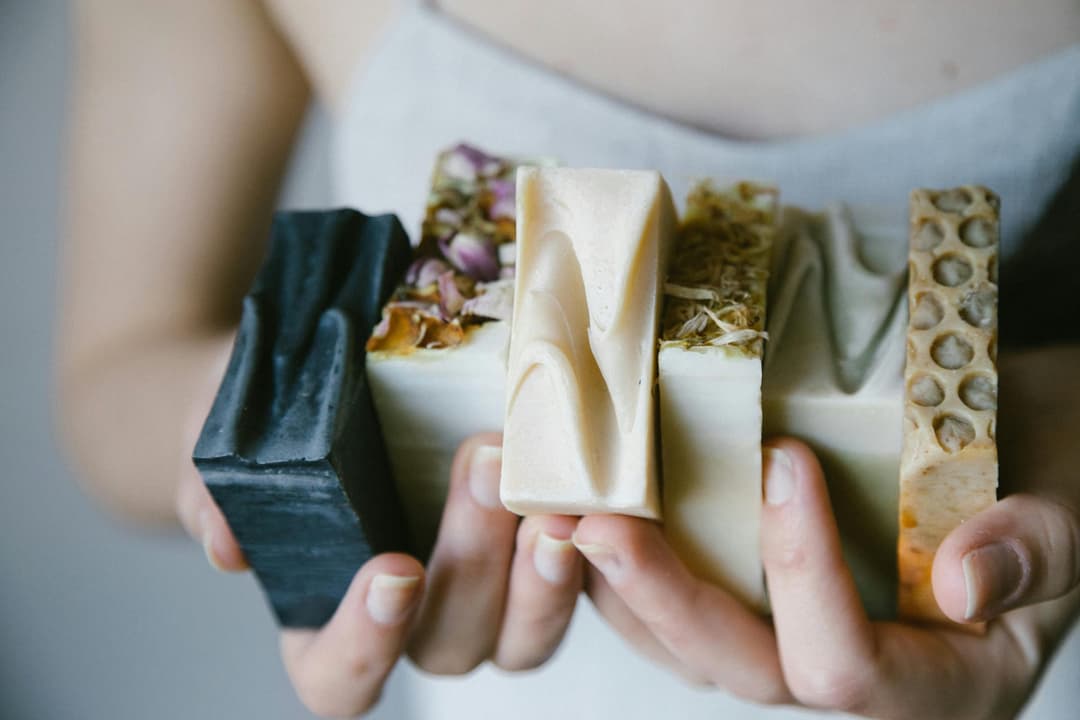
Extras. Dried flowers, oats, poppy seeds, coffee grounds, and small soap embeds all add texture and visual interest. Remember that heavy additives sink unless you're using a suspension base or you pour at a slightly cooler, thicker stage.
Go light on add-ins your first few times. It's easy to overdo color and fragrance, and a little goes a long way in a melt and pour base.
Where to Buy Soap Base
You'll find soap base at craft stores, online soap supply shops, and general marketplaces. Craft chains carry small one and two pound blocks that are perfect for testing. Dedicated soap suppliers sell larger slabs and a wider range of specialty bases like shea, honey, and low-sweat, usually at a better price per pound.
When you're comparing options, weigh three things: the ingredient list, the price per pound, and shipping, since soap is heavy. Buying a single block to start lets you try a base before you commit to a 24 pound slab. For a broader list of vendors that stock bases, oils, colors, and tools, see our roundup of soap making suppliers.
Common Soap Base Problems and Fixes
A few issues come up again and again. Here's how to handle them.
Sweating beads on the surface. Clear glycerin bases pull moisture from humid air. Wrap finished bars tightly in plastic as soon as they set, and use a low-sweat base if your area is humid.
Color bleeding between layers. Some colorants migrate over time. Use bleed-resistant colors for multi-color and layered designs, and let each layer firm before pouring the next.
Additives sinking to the bottom. Pour at a slightly cooler temperature so the base is thicker, or switch to a suspension base built to hold heavy extras.
Rubbery or weak lather. This usually means the base got too hot. Melt low and slow, and stop heating the moment it's liquid.
Layers separating. Spritz the top of a set layer with rubbing alcohol right before you pour the next one so the two bond.
💬 Frequently Asked Questions
What is a soap base made of?
A soap base is made from oils or fats that have already been saponified with lye, plus humectants like glycerin and, in clear bases, ingredients such as sugar and alcohol that make it transparent. Specialty bases add things like goat milk, shea butter, or honey.
Is melt and pour soap base real soap?
Most quality bases are real soap, meaning the oils were genuinely saponified. Some budget bases are detergent-based or syndet blends instead. If it matters to you, read the ingredient list and look for a short deck of saponified oils rather than a long list of detergents.
Do you need lye to use a soap base?
No. The lye reaction is already finished when the base is manufactured, so there's no caustic handling on your end. That's the whole appeal: you melt, customize, and pour with no sodium hydroxide involved.
Which soap base is best for beginners?
A basic clear glycerin base and a basic white base cover almost everything a beginner wants to try. Clear is best for embeds and glowing color, while white gives you creamy, solid shades. Buy a one or two pound block of each to start.
Can you sell soap made from a soap base?
Yes, plenty of small soap businesses sell melt and pour creations. Just label honestly and follow your country's cosmetic labeling rules. Our guide on how to label handmade soap covers what your packaging needs to include.
Ready to Make Your First Bar?
A soap base is the friendliest on-ramp in soap making: no lye, no cure, and results you can use the same day. Start with a clear and a white base, add color and scent you love, and pour something you're proud of. When you're ready to formulate your own bars from raw oils, the free Soaply soap calculator gives you exact lye, water, and superfat for any recipe so your first scratch batch comes out right.
Ready to Try It?
Use our free soap calculator to create your perfect recipe with real-time property predictions.
Open Calculator