Best Soap Making Kits for Beginners (What to Look For)
A soap making kit bundles the supplies to make your first batch. Here is what a good kit includes, melt and pour vs cold process, costs, and what is worth buying.
This article contains Amazon links. As an Amazon Associate, Soaply earns from qualifying purchases at no extra cost to you.
A soap making kit is a bundled set of supplies that gives you most of what you need to make your first batch in one box. For a brand-new soapmaker, a good kit removes the guesswork of shopping for individual ingredients and tools. The catch is that kits vary wildly in quality, and some pad the price with items you do not need while leaving out things you do. This guide walks through what a worthwhile soap making kit actually includes, the difference between melt and pour and cold process kits, what they cost, and when you are better off buying supplies separately.
Quick tip: Whatever kit you pick, it almost never includes a recipe calculator. Run any batch through the free Soaply soap calculator before you pour so your lye amount is correct and your bars turn out safe and balanced. You can browse curated soap making kits on Amazon to compare options.
- What Is a Soap Making Kit?
- Are Soap Making Kits Worth It?
- What a Good Soap Making Kit Includes
- Melt and Pour Kits vs Cold Process Kits
- Soap Making Kit vs Buying Supplies Separately
- What Kits Often Leave Out
- How Much Does a Soap Making Kit Cost?
- How to Choose the Right Kit
- Frequently Asked Questions
What Is a Soap Making Kit?
A soap making kit is a pre-packaged starter bundle sold by craft retailers and soap supply companies. Instead of hunting down a scale, oils, lye, molds, and fragrance one at a time, you get a curated collection in a single purchase. Kits are aimed squarely at beginners who want to try the hobby without committing to a full shelf of supplies.
Kits generally fall into two camps. The first uses a melt and pour soap base, which you melt, color, scent, and pour into molds. No lye handling is involved, so these are the simplest and safest entry point. The second is a cold process kit, which includes actual base oils and sodium hydroxide (lye) so you make soap from scratch through the full chemical reaction. The two are very different experiences, and knowing which one you are buying matters a lot.
Are Soap Making Kits Worth It?
For most beginners, a kit is worth it as a first step, with one big caveat. The value is in convenience and confidence, not in saving money. A kit lets you make a successful first batch without second-guessing whether you bought the right grade of olive oil or a mold that will actually release. That early win keeps people in the hobby.
Where kits fall short is long-term value. Once you know you enjoy soapmaking, buying supplies in larger quantities is cheaper per bar than restocking kit-sized portions. So the smart play is to treat a kit as a trial run, not a permanent supply source. If you already know you are committed, skip the kit and build your own setup from a soap making supplies checklist instead.
What a Good Soap Making Kit Includes
Not every kit is built the same. Before you buy, check the contents against this list. A quality cold process kit should cover most of these:
| Item | Why It Matters | In Most Kits? |
| ------ | ---------------- | --------------- |
| Base oils (coconut, olive, palm or shea) | The bulk of your soap | Sometimes |
| Lye (sodium hydroxide) | Required for cold process saponification | Rarely (ships separately) |
| Mold | Shapes the soap, usually silicone | Yes |
| Fragrance or essential oil | Scents the bars | Usually |
| Colorant (mica or oxide) | Adds color | Usually |
| Instructions with a tested recipe | Keeps measurements safe | Yes |
| Gloves and basic safety info | Lye protection | Sometimes |
Notice that lye is the item kits most often skip, because shipping sodium hydroxide has handling restrictions. If your cold process kit does not include lye, you will need to source it separately, and you should read our soap making safety guide before you handle it.
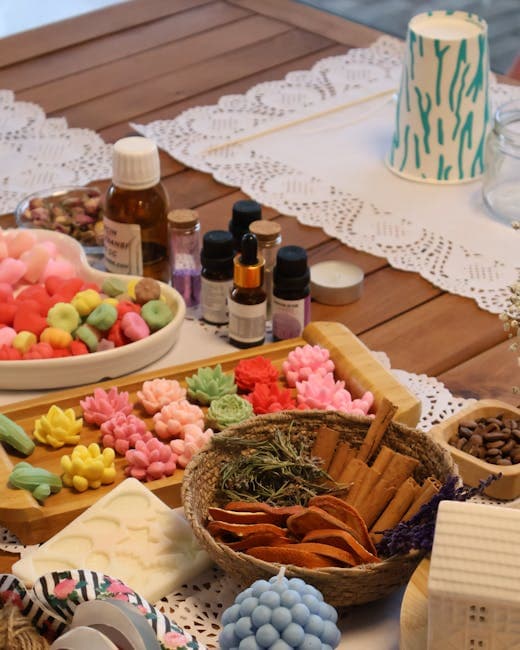
A melt and pour kit has a simpler list: a block of soap base, a mold, colorant, fragrance, and instructions. That is genuinely all you need, which is why it is the friendliest option for kids, gifts, and cautious first-timers.
Melt and Pour Kits vs Cold Process Kits
This is the single most important decision when choosing a kit, so pick based on how hands-on you want to be.
Melt and Pour Kits
A melt and pour kit skips lye entirely. The soap base is already saponified, so you just melt it, mix in color and scent, and pour. You can use your finished bars the same day. These kits are ideal if you want a relaxed afternoon craft, you are making soap with kids, or you want fast results without safety gear. The tradeoff is less control over ingredients, since the base recipe is fixed. Our melt and pour soap guide covers the full process if this is your starting point.
Cold Process Kits
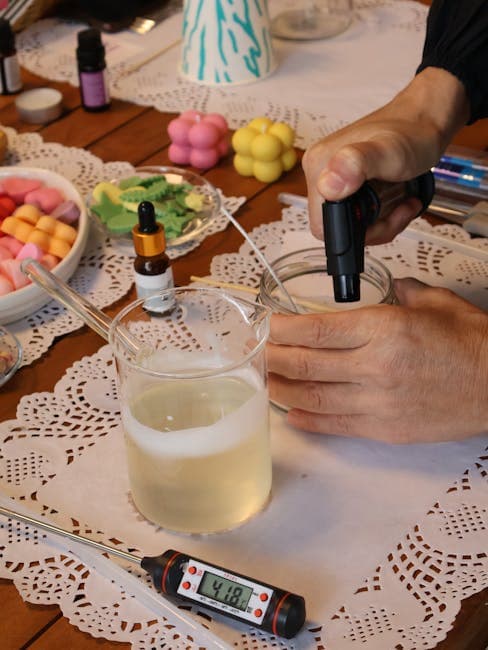
A cold process kit teaches you real soapmaking from raw oils and lye. You get full control over your recipe, bar quality, and ingredients, and the results are the kind of soap most artisan makers sell. The tradeoff is a steeper learning curve and the need to respect lye safety. Cold process bars also need to cure for four to six weeks before use. If you want to actually learn the craft rather than dabble, this is the route. Pair the kit with our beginner's guide to cold process soap for step-by-step help.
Soap Making Kit vs Buying Supplies Separately
Kits trade a little money for a lot of convenience. Here is roughly how the two approaches compare for a first cold process batch:
| Factor | Soap Making Kit | Buying Separately |
| -------- | ----------------- | ------------------- |
| Upfront effort | Low, one purchase | Higher, multiple orders |
| Cost per bar (first batch) | Higher | Lower |
| Recipe control | Limited to kit contents | Full control |
| Quantity | Small, one or two batches | Buy as much as you want |
| Best for | Trying the hobby | Committed makers |
The honest summary: a kit costs more per bar but less in mental energy. If you are not sure soapmaking is for you, that is a fair trade. If you already know you will be making soap regularly, buying base oils in bulk and a separate mold and scale will pay for itself within a few batches. You can estimate your real per-bar cost using the cost tools in the Soaply calculator.
What Kits Often Leave Out
Even good kits rarely include everything for a smooth first batch. Plan to add these:
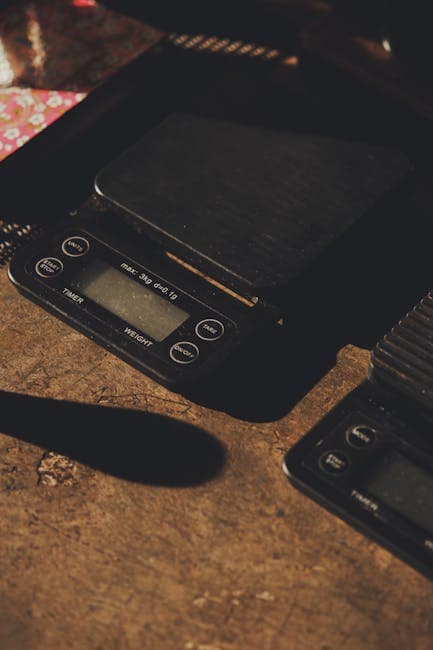
- A digital scale. Soap is measured by weight, not volume, and an accurate scale is non-negotiable. Many kits assume you own one.
- A stick blender. Hand-stirring cold process soap to trace can take an hour. A cheap immersion blender does it in minutes.
- Safety goggles. Gloves are sometimes included, but eye protection for lye splashes usually is not.
- A recipe calculator. No kit recalculates lye for you if you tweak the recipe. The Soaply calculator handles that instantly.
- Distilled water. Cold process kits assume you supply your own water for the lye solution.
Budget another $20 to $40 for these extras if you do not already have them. A scale and stick blender are reusable forever, so they are worth buying once and well.
How Much Does a Soap Making Kit Cost?
Prices range widely based on type and how much is bundled:
- Melt and pour kits: $15 to $35. The cheapest entry point, since there is no lye or oils to package.
- Basic cold process kits: $30 to $60. Usually include a mold, fragrance, colorant, and instructions, sometimes oils.
- Deluxe cold process kits: $60 to $120. Add more oils, multiple fragrances, several colorants, and sometimes a stick blender or scale.
Compare that to roughly $150 to $275 to fully equip yourself from a supply checklist, which gets you enough material for three or four batches. A kit looks cheaper on paper, but you are getting far less material, so per bar the kit is usually the pricier choice. Think of the kit price as tuition for a guided first attempt.
How to Choose the Right Kit
Match the kit to your goal and your comfort with lye:
- Want zero risk and instant results? Choose a melt and pour kit. Great for kids and gifts.
- Want to learn real soapmaking? Choose a cold process kit, and confirm whether lye is included.
- Buying as a gift? Look for a kit with clear printed instructions and a tested recipe, not just loose supplies.
- Already own a scale and blender? Pick a kit heavy on ingredients (oils, fragrance, color) rather than one padded with cheap tools.
- Planning to sell soap eventually? Skip the kit, learn cold process, and build a proper supply stock from the start.
Whatever you choose, read the included recipe before you buy if you can, and run it through a lye calculator to confirm the numbers are sound. A surprising number of kit recipes are vague about lye amounts, and getting that wrong is the one mistake you cannot fix after the fact. For mold choices beyond what your kit includes, our guide to the best soap molds for beginners helps you pick your next one.
💬 Frequently Asked Questions
Are soap making kits worth it for beginners?
Yes, as a first step. A kit gives you a guided, lower-stress first batch and a quick win that keeps you in the hobby. Just treat it as a trial run, because buying supplies in bulk later is cheaper per bar than restocking kit-sized amounts.
Do soap making kits include lye?
Often not. Sodium hydroxide has shipping restrictions, so many cold process kits leave it out and expect you to buy it separately. Always check the contents list, and read up on lye safety before handling it. Melt and pour kits never include lye because the base is already saponified.
What is the best soap making kit for kids?
A melt and pour kit. There is no lye, no caustic chemistry, and the soap is ready to use the same day. Kids can color, scent, and mold the soap with adult supervision and see results in under an hour.
Can you make soap without a kit?
Yes. A kit is just a convenience bundle. You can buy a scale, stick blender, oils, lye, and a mold separately for less per bar, then design recipes yourself with a soap calculator. Many makers skip kits entirely and start from a supplies checklist.
How many bars does a soap making kit make?
Most starter kits make one small batch, roughly four to eight bars depending on mold size. Deluxe kits with more oils may stretch to two batches. If you want more, you will be restocking quickly, which is why bulk buying wins for committed makers.
Start With the Right Recipe
A soap making kit can get you to your first batch fast, but it is only as good as the recipe behind it. Before you melt, mix, or pour, drop your oils into the free Soaply soap calculator to lock in the exact lye and water amounts and preview how hard, cleansing, and conditioning your bars will be. Then follow our beginner's guide to cold process soap and make your kit the start of a real hobby, not a one-time experiment.
Ready to Try It?
Use our free soap calculator to create your perfect recipe with real-time property predictions.
Open Calculator