Organic Soap: What It Actually Means and How to Make Your Own
What makes a soap organic? Learn what the label really means, the 5 rules of organic ingredients, and how to make your own organic bars at home.
This article contains Amazon links. As an Amazon Associate, Soaply earns from qualifying purchases at no extra cost to you.
Organic soap is soap made with ingredients grown without synthetic pesticides, herbicides, or GMOs, usually backed by a certification like USDA Organic. That's the short answer. The longer answer is messier, because "organic" is one of the most loosely used words on a soap label, and plenty of bars wearing it wouldn't survive five minutes of ingredient scrutiny. This guide breaks down what organic soap really is, how it differs from natural soap, whether it's actually better for your skin, and how to make your own organic bars at home using the free Soaply soap calculator.
- What Does Organic Soap Actually Mean?
- Organic vs. Natural Soap: What's the Difference?
- Is Organic Soap Better for Your Skin?
- Can Soap Made With Lye Be Organic?
- Organic Soap Ingredients to Look For
- How to Make Organic Soap at Home
- How to Spot Greenwashed "Organic" Soap
- Frequently Asked Questions
What Does Organic Soap Actually Mean?
In the US, "organic" is a regulated agricultural term. For a soap to carry the USDA Organic seal, at least 95 percent of its agricultural ingredients (the oils, butters, botanicals, and essential oils) must be certified organic, meaning they were grown without synthetic pesticides, synthetic fertilizers, sewage sludge, irradiation, or genetic engineering. A "made with organic ingredients" label requires at least 70 percent.
Here's the catch: soap is a wash-off cosmetic, and the FDA doesn't define or police the word "organic" on cosmetics at all. Only the USDA seal carries legal weight, and getting certified costs real money and paperwork. That's why you'll see thousands of soaps described as organic with nothing to back it up. The word on the front of the label is marketing. The ingredient list on the back is the truth.
So when you're evaluating a bar, look for three things: a visible certification seal, the word "organic" attached to specific ingredients in the ingredient list (like "organic olive oil" rather than just "olive oil"), and a short, recognizable ingredient deck overall.
Organic vs. Natural Soap: What's the Difference?
People use these terms interchangeably, but they mean different things:
| Natural Soap | Organic Soap | |
| --- | --- | --- |
| Definition | Made from plant or animal ingredients, no synthetic detergents | Made from ingredients grown to organic standards |
| Regulation | None. Anyone can say "natural" | USDA certification is legally enforceable |
| Pesticide-free sourcing | Not required | Required for certified ingredients |
| Synthetic fragrance allowed? | Often included anyway | Not in certified products |
| Typical cost | Moderate | Higher, due to ingredient cost and certification |
A handmade cold process bar with regular (non-organic) olive oil, coconut oil, and lavender essential oil is natural soap. The same bar made with certified organic versions of those oils is organic soap. Natural describes what the ingredients are; organic describes how they were grown.
Most commercial "soap" is actually neither. Mass-market body bars are usually synthetic detergent bars (syndets) built on surfactants like sodium lauryl sulfate. If the label says "beauty bar" or "body bar" instead of soap, that's why.
Is Organic Soap Better for Your Skin?
Honest answer: the biggest skin benefits come from it being real handmade soap, not from the organic certificate.
Any well-made cold process bar, organic or not, keeps its naturally occurring glycerin (commercial manufacturers typically remove it to sell separately), carries a superfat of free oils that buffer the cleansing action, and skips the harsh synthetic surfactants that strip skin. Those factors matter far more to how your skin feels than whether the olive trees were sprayed.
Where organic genuinely earns its keep:
- Lower pesticide residue exposure. Trace residues in wash-off products are small, but if you're minimizing them everywhere else in your life, soap is an easy place to do the same.
- Fewer synthetic additives overall. Certified organic bars can't lean on synthetic fragrance oils, artificial dyes, or preservatives, which are the most common irritants in soap. If you have reactive skin, that simpler formula is a real advantage. Our guide to soap for sensitive skin covers this in depth.
- Environmental impact. Organic farming standards are the main event here. The benefit happens in the field more than on your skin.
So organic soap isn't snake oil, but it isn't magic either. A skillfully formulated non-organic handmade bar will beat a poorly formulated organic one every time. Formula first, sourcing second.
Can Soap Made With Lye Be Organic?
Yes, and this question trips up almost everyone. All real soap is made with lye (sodium hydroxide for bars, potassium hydroxide for liquid soap). Lye is a mined mineral product, not an agricultural ingredient, so it can't be "organic" itself, and no certified organic lye exists.
Certification programs handle this sensibly: sodium hydroxide is on the USDA's allowed list as a processing agent because none of it remains in properly made soap. During saponification, every molecule of lye reacts with the oils and converts into soap and glycerin. A finished, cured, correctly formulated bar contains zero lye.
The flip side: any soap claiming to be "lye-free" is either a melt-and-pour base (where someone else already did the lye work), a synthetic detergent bar, or a label telling fibs. Lye in, no lye out. That's just how soap works.
Organic Soap Ingredients to Look For
You can build an excellent organic bar from a short list of certified ingredients, all of which are easy to find:
- Organic olive oil. The gentle, conditioning backbone of most organic recipes. Pomace grades are cheaper but harder to find certified; organic extra virgin works fine for soap.
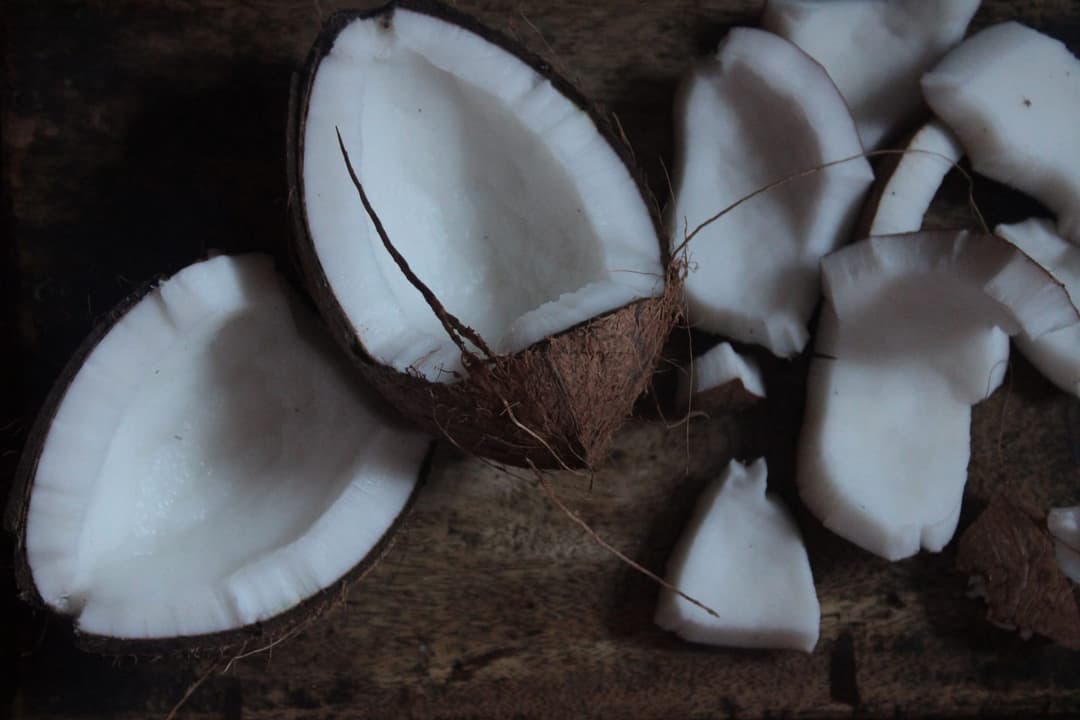
- Organic coconut oil. Brings hardness, cleansing power, and big bubbly lather. Widely available certified, and one of the most affordable organic oils. You can compare options for organic coconut oil on Amazon.
- Organic shea butter. Adds hardness and a creamy, conditioning feel. Unrefined organic shea is the standard.
- Organic sunflower or safflower oil. Budget-friendly conditioning oils that stretch a recipe. Look for high-oleic versions for better shelf life.
- Organic castor oil. Just 5 percent stabilizes lather. A little organic castor oil goes a long way.
- Organic essential oils. Lavender, peppermint, sweet orange, and tea tree are all easy to source certified. Skip fragrance oils entirely for an organic bar; our essential oils vs. fragrance oils guide explains the difference.
- Natural colorants. Clays, organic turmeric, organic cocoa powder, and botanical infusions. See our full guide to natural soap colorants for options and usage rates.
Distilled water and lye round out the recipe. Neither is agricultural, and both are standard in certified organic soap.
How to Make Organic Soap at Home
Making organic soap is exactly the same process as making any cold process soap. The only difference is your shopping list. If you've never made soap before, read our beginner's guide to cold process soap first, because lye safety and technique matter more than sourcing.
Here's a balanced, palm-free starting formula built entirely from easy-to-find organic ingredients:
| Ingredient | Percentage | Role |
| --- | --- | --- |
| Organic olive oil | 40% | Gentle conditioning base |
| Organic coconut oil | 25% | Hardness, cleansing, lather |
| Organic shea butter | 15% | Hardness and creamy feel |
| Organic sunflower oil (high oleic) | 15% | Conditioning, budget stretch |
| Organic castor oil | 5% | Stable, lasting lather |
To turn those percentages into a real recipe:
- Run it through the calculator. Enter the five oils in the free Soaply soap calculator, set your batch size to fit your mold, and use a 5 percent superfat with a 33 percent lye concentration. The calculator gives you exact lye and water weights. Never borrow lye amounts from another recipe; every oil blend needs its own calculation.
- Make the lye solution. Gear up with gloves and goggles, and always add lye to water, never the reverse. Let it cool to around 100 to 110°F.
- Melt and combine oils. Melt the coconut oil and shea butter, then add the liquid oils. Aim for a similar temperature to your lye solution.
- Blend to trace. Pour the lye solution into the oils and stick blend in short bursts until the mixture thickens to a thin pudding consistency.
- Add extras at trace. Stir in organic essential oils (the calculator's fragrance tool gives you a safe usage rate) and any natural colorants.
- Pour, insulate, and wait. Pour into your mold, cover, and leave for 24 to 48 hours before unmolding and cutting.
- Cure for 4 to 6 weeks. Curing lets water evaporate and the bar harden and mellow. Don't skip it.
One honest note: your homemade bar made with certified organic ingredients is organic in substance, but you can't legally market it with a USDA Organic seal unless your operation itself gets certified. For personal use and gifts, that distinction doesn't matter. If you plan on selling, it does.
How to Spot Greenwashed "Organic" Soap
Since nobody polices the word on cosmetic labels, brands lean on it hard. Here's how to cut through it when you're buying instead of making:
- "Organic" in the brand name means nothing. A company can legally call itself "Organic Suds Co." and sell bars with zero organic ingredients. Only the ingredient list and certifications count.
- Look for the seal, not the word. USDA Organic, or international equivalents like COSMOS Organic or Soil Association, involve real audits.
- Check where "organic" appears in the ingredient list. Legit products name specific certified ingredients: "saponified organic olive oil." Vague claims like "made with organic goodness" are decoration.
- Watch for fragrance. "Fragrance" or "parfum" on a so-called organic bar is a red flag, since synthetic fragrance isn't allowed in certified organic products.
- Be suspicious of "organic" syndet bars. If the ingredients read like a chemistry exam (sodium cocoyl isethionate, cocamidopropyl betaine), it's a detergent bar wearing an organic costume, whatever the front label says.
The nice thing about making your own is that this entire section becomes irrelevant. You bought the ingredients. You know exactly what's in the bar.
💬 Frequently Asked Questions
What makes a soap organic?
A soap is organic when its agricultural ingredients (oils, butters, botanicals, essential oils) were grown to organic standards without synthetic pesticides or GMOs. For a USDA Organic seal, at least 95 percent of agricultural ingredients must be certified organic. Lye is allowed as a processing agent because none remains in the finished bar.
Is organic soap better than regular soap?
Organic soap avoids pesticide residues and synthetic additives, which helps sensitive skin and the environment. But the formula matters more than the certificate: a well-balanced handmade bar with the right oils, superfat, and cure will outperform a poorly formulated organic bar. The biggest benefit comes from using real soap instead of detergent bars.
Can you make organic soap without lye?
No. All real soap requires lye to turn oils into soap through saponification. The lye fully reacts during the process, so no lye remains in a properly made, cured bar. "Lye-free" options like melt-and-pour bases were simply made with lye by someone else first.
Does organic soap expire?
Organic soap lasts about the same as any handmade soap, typically 1 to 2 years. Bars high in fragile oils like sunflower can develop rancid spots sooner, so use high-oleic versions and store bars somewhere cool and dry. Our guide on whether handmade soap expires covers storage in detail.
Why is organic soap more expensive?
Certified organic oils and essential oils cost more to grow and document, and certification itself costs producers annual fees and audits. A certified organic bar often runs $8 to $12 versus $5 to $7 for comparable handmade soap. Making your own narrows that gap considerably.
Build Your Organic Recipe in Under a Minute
Organic soap comes down to two things: ingredients grown the right way, and a formula calculated the right way. You handle the shopping list, and the free Soaply soap calculator handles the chemistry, giving you exact lye and water amounts plus predicted bar properties for any blend of organic oils. Pick your oils, run the numbers, and your first organic batch can be in the mold this weekend. Then come back and explore the best oils for soap making to start customizing.
Ready to Try It?
Use our free soap calculator to create your perfect recipe with real-time property predictions.
Open Calculator