How to Make Glycerin Soap From Scratch (Clear Soap Guide)
Learn how to make transparent glycerin soap from scratch using the hot process method. Covers the full recipe with alcohol and sugar, plus tips for crystal-clear bars.
This article contains Amazon links. As an Amazon Associate, Soaply earns from qualifying purchases at no extra cost to you.
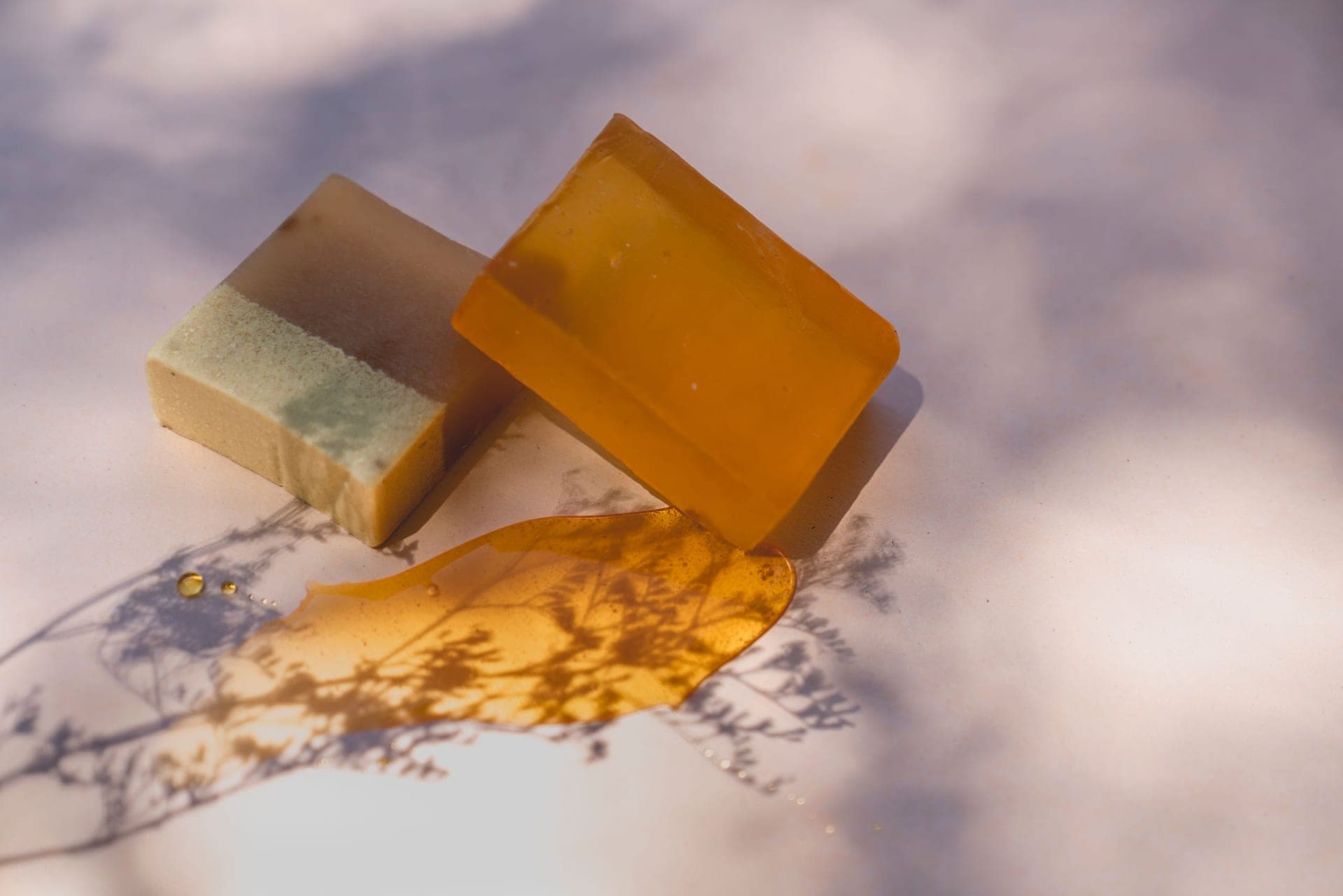
Glycerin soap is the clear, translucent bar you see in gift shops and boutiques. Every bar of cold process soap already contains glycerin (it is a natural byproduct of saponification), but a standard bar is opaque. Making soap fully transparent requires extra steps: dissolving the soap in alcohol and sugar solution to align the crystal structure so light passes through.
This is an advanced project. If you are new to soap making, start with our beginner's guide to cold process soap and come back here once you are comfortable with the basics.
- How Transparent Soap Works
- Equipment and Ingredients
- Glycerin Soap Recipe
- Step-by-Step Instructions
- Tips for Maximum Clarity
- Adding Color and Fragrance
- Troubleshooting Cloudy Soap
- Frequently Asked Questions
How Transparent Soap Works
All real soap is made from oils and lye. During saponification, roughly 10% of the total batch weight becomes glycerin. In a standard cold process bar, this glycerin is trapped within an opaque crystal matrix.
Transparent soap breaks up that matrix. By dissolving the hot process soap in a solvent mixture (alcohol, glycerin, and sugar water), the soap molecules rearrange into smaller crystals that do not scatter light. The result looks like a translucent gem.
Key point: You are not adding glycerin to make soap from a base. You are making real soap from scratch and then processing it further to achieve clarity. This is fundamentally different from buying a pre-made melt-and-pour glycerin base (covered in our melt and pour guide).
Equipment and Ingredients
You need everything for hot process soap making, plus a few extras.
Equipment
- Slow cooker or double boiler for cooking the soap
- Digital scale (grams)
- Stick blender
- Heat-safe containers and mixing spoons
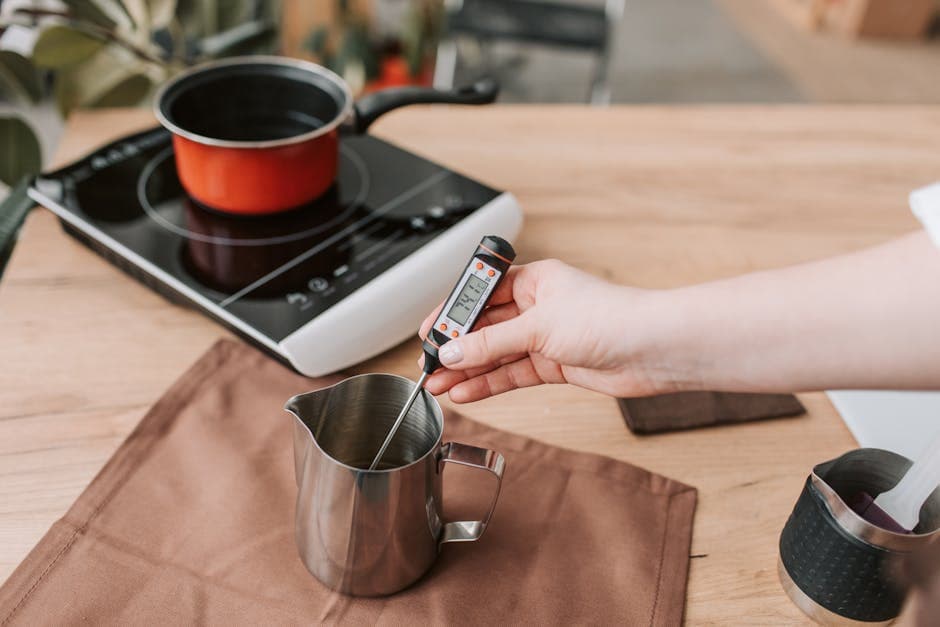
- Thermometer (candy or infrared)
- Plastic wrap (to cover the pot and reduce alcohol evaporation)
- Silicone molds (individual cavity molds work best for clear soap)
- Spray bottle with rubbing alcohol (for surface bubbles)
Safety Gear
- Safety goggles and chemical-resistant gloves
- Work in a well-ventilated area (alcohol fumes are flammable)
- No open flames when working with alcohol
Special Ingredients
- Ethanol or high-proof alcohol (190 proof/95% grain alcohol like Everclear works best). Isopropyl alcohol (91% or higher) can substitute but may affect clarity slightly.
- Vegetable glycerin (available at pharmacies or soap supply shops)
- White granulated sugar (dissolved in water to make a syrup)
Glycerin Soap Recipe
This recipe produces about 2 lbs of transparent soap.
Oils (choose oils high in saturated fats for better clarity):
| Ingredient | Amount | Percentage |
| ----------- | -------- | ----------- |
| Coconut Oil (76 degree) | 340 g | 45% |
| Castor Oil | 227 g | 30% |
| Palm Oil (or substitute) | 113 g | 15% |
| Sunflower Oil | 76 g | 10% |
| Total Oils | 756 g | 100% |
| Sodium Hydroxide (NaOH) | 114 g | (3% superfat) |
| Distilled Water | 219 g | (29% of oils) |
Solvents (added after the cook):
| Ingredient | Amount |
| ----------- | -------- |
| Ethanol (190 proof) | 340 g |
| Liquid Glycerin | 189 g |
| Sugar | 170 g |
| Distilled Water (for sugar syrup) | 128 g |
Run the oil portion through the Soaply calculator to verify lye amounts. Set superfat to 3% for best clarity (higher superfat creates cloudiness from free-floating unsaponified oils).
Why This Oil Blend
- Coconut oil at 45% is high in lauric acid, which produces soap crystals that dissolve well in alcohol. Essential for clarity.
- Castor oil at 30% is unusually high compared to normal recipes, but castor is a natural solvent that helps achieve transparency.
- Palm or substitute at 15% adds hardness. You can use cocoa butter or babassu if avoiding palm.
- Sunflower at 10% adds a small amount of conditioning. Keep soft oils low for best clarity.
Step-by-Step Instructions
Phase 1: Make Hot Process Soap
Step 1. Weigh all oils and melt them in the slow cooker on low.
Step 2. Make the lye solution: add 114 g NaOH to 219 g distilled water (lye into water, never reversed). Stir until dissolved. Let cool to about 130 F.
Step 3. Pour the lye solution into the melted oils. Blend with a stick blender to trace.
Step 4. Cook on low with the lid on for 45 to 60 minutes until the soap passes the zap test (touch a small sample to your tongue; no zap means all lye is consumed). See our hot process guide for details on the cooking stages.
Phase 2: Prepare the Solvents
While the soap cooks:
Step 5. Make the sugar syrup: dissolve 170 g sugar in 128 g of hot distilled water. Stir until fully dissolved. Set aside.
Step 6. Measure out 340 g of ethanol and 189 g of glycerin. Keep covered to prevent evaporation.
Phase 3: Dissolve the Soap
This is the critical step that creates transparency.
Step 7. Once the soap passes the zap test, reduce the heat to the lowest setting. Slowly pour the ethanol over the cooked soap. Cover the pot tightly with plastic wrap, then the lid. The alcohol will begin to dissolve the soap.
Important: Alcohol is flammable. Work with no open flames, no gas stoves. Use an electric slow cooker or hot plate only.
Step 8. Check every 10 to 15 minutes, gently stirring to help the soap dissolve. Do not whisk or stir vigorously; that introduces air bubbles. The soap should slowly melt into a liquid. This takes 30 to 60 minutes.
Step 9. Once the soap is fully dissolved (no chunks), add the glycerin. Stir gently. Then add the sugar syrup. Stir gently again.
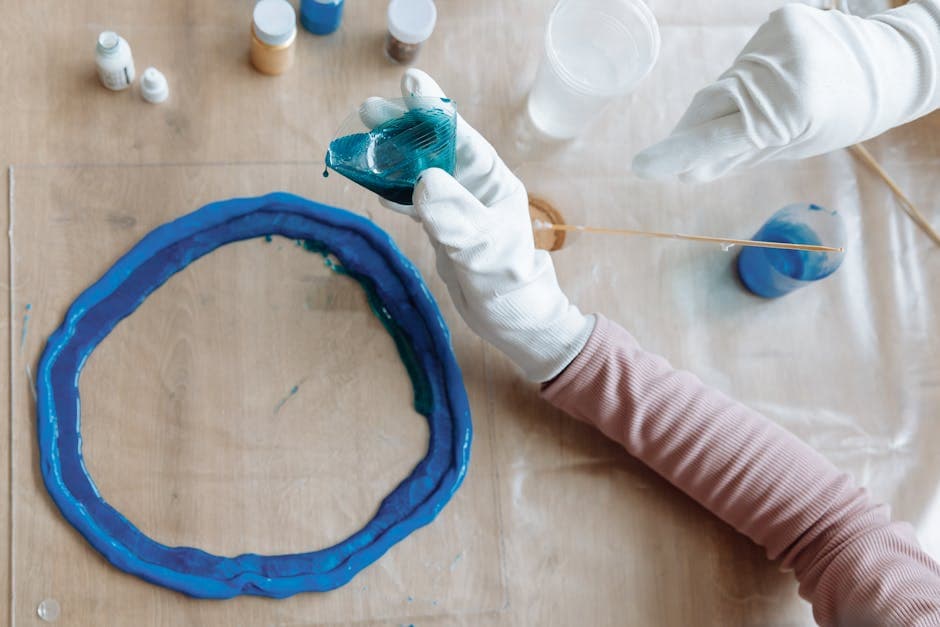
Step 10. Keep on low heat for another 15 to 20 minutes. The mixture should be a clear, amber-colored liquid. If it still looks hazy, let it sit longer on heat.
Phase 4: Mold and Set
Step 11. Let the soap cool slightly (to about 150-160 F) to reduce bubbles. Skim any foam off the surface.
Step 12. Pour slowly into molds. Spritz the surface with rubbing alcohol to pop any bubbles.
Step 13. Let the soap cool completely at room temperature. Do not refrigerate (rapid cooling can cause cloudiness). This takes 6 to 12 hours depending on mold size.
Step 14. Unmold carefully. The bars should be translucent and firm. Wrap in plastic wrap immediately to prevent moisture from forming on the surface (glycerin soap attracts water from the air, a process called "sweating").
Tips for Maximum Clarity
- Low superfat. Keep at 3% or below. Free oils cloud the bar.
- High castor oil. 25-30% castor is standard in transparent soap recipes. It acts as a coupling agent.
- Use real ethanol. 190 proof grain alcohol gives better clarity than isopropyl. If ethanol is unavailable, use 99% isopropyl.
- Avoid stirring in air. Fold and push the soap gently rather than whisking. Air bubbles trapped in the bar make it hazy.
- Skim the surface. Before pouring, let the mixture settle for 5 minutes and remove the foam layer.
- Cool slowly. Room temperature cooling preserves crystal alignment. Fast cooling from refrigeration creates small opaque crystals.
- Wrap immediately. Glycerin soap pulls moisture from the air, which forms droplets on the surface and clouds the bar over time.
Adding Color and Fragrance
Transparent soap is a perfect canvas for color because light passes through the bar and makes colors glow.
Color options:
- Liquid soap colorants (designed to stay transparent)
- A very small amount of mica dispersed in glycerin (too much will cloud the bar)
- Powdered lab-grade dyes
Fragrance: Add essential oils or fragrance oils at the very end, right before pouring, when the soap is around 150-160 F. Use about 2% of total oil weight. Our fragrance load guide has specific rates for each oil type.
Embeds: You can pour a thin layer, let it set, place dried flowers or small soap shapes on top, and pour another layer. This is how you get "objects floating in clear soap."
Troubleshooting Cloudy Soap
The bar is hazy, not clear
Most likely causes: superfat too high, not enough alcohol, or the soap did not fully dissolve before the solvents were added. Next time, cook the hot process soap fully (zap test), use the full amount of alcohol, and give it more time to dissolve.
Surface sweating (water droplets)
Glycerin soap is hygroscopic; it pulls moisture from humidity. Wrap bars tightly in plastic wrap as soon as they are cool. Store in a dry place.
White spots or streaks
Undissolved soap chunks. Strain the liquid soap through a fine mesh before pouring next time. Or return it to low heat and stir until everything dissolves.
The soap is too soft
Not enough hard oils, or too much glycerin and sugar. The solvent ratio matters. Stick to the proportions in the recipe. Adding sodium lactate (1 tablespoon per pound of oils) to the lye water can help.
Alcohol smell
If the finished bar smells like alcohol, it was not cooked long enough after adding the ethanol. The heat should drive off excess alcohol during the dissolving phase. Give it at least 30 minutes on low heat after the alcohol is added.
💬 Frequently Asked Questions
Is glycerin soap better for your skin?
All cold process soap contains glycerin. Transparent glycerin soap has extra glycerin added, which means it is usually more moisturizing than a standard bar. The tradeoff is that it tends to dissolve faster in water because glycerin is water-soluble.
Can I make glycerin soap without alcohol?
Alcohol is the primary solvent that creates clarity. Without it, you are making regular hot process soap. Some recipes substitute propylene glycol for part of the alcohol, but complete clarity without any alcohol is very difficult to achieve.
How is this different from melt-and-pour glycerin soap?
Melt-and-pour bases are pre-made transparent soap that you melt, customize, and re-mold. Making glycerin soap from scratch means you control every ingredient, from the oils to the superfat level. Our melt and pour guide covers the simpler method.
Does glycerin soap need to cure?
The saponification is already complete (it is hot process). However, letting the bars sit for one to two weeks allows excess moisture and alcohol to evaporate, producing harder bars. It is not the four-to-six-week cure that cold process requires.
Can I use olive oil in transparent soap?
Olive oil makes transparency much harder to achieve. It produces soap crystals that scatter light. Keep olive oil below 10% or skip it entirely for the clearest bars. For olive-based recipes, stick with our castile soap guide.
Why is castor oil so important for clarity?
Castor oil contains ricinoleic acid, which has unique solvent properties. The soap molecules formed from castor oil dissolve more readily in alcohol and glycerin, acting as a bridge that helps the entire batch become transparent.
Start Your Batch
This is one of the more involved soap projects, but the result is striking. Use the Soaply calculator to set up the oil portion of your recipe, then follow the solvent steps above.
For other advanced techniques, explore our soap swirl guide, hot process tutorial, or liquid soap recipe.
Ready to Try It?
Use our free soap calculator to create your perfect recipe with real-time property predictions.
Open Calculator