How to Make Oatmeal Soap: A Soothing Cold Process Recipe
Learn how to make oatmeal soap with cold process. Includes a beginner-friendly recipe, tips on colloidal vs ground oats, and benefits for sensitive skin.
This article contains Amazon links. As an Amazon Associate, Soaply earns from qualifying purchases at no extra cost to you.
Oatmeal is one of the best natural additives you can put in handmade soap. It's gentle enough for sensitive and eczema-prone skin, it adds light exfoliation, and it gives your bars a rustic, beautiful look. This recipe walks you through making oatmeal soap from scratch using the cold process method.
- Why Add Oatmeal to Soap?
- Types of Oatmeal for Soap Making
- Oatmeal Soap Recipe
- Step-by-Step Instructions
- Adding Honey to Oatmeal Soap
- How Much Oatmeal Should You Use?
- Tips for the Best Oatmeal Bars
- Frequently Asked Questions
Why Add Oatmeal to Soap?
Oatmeal isn't just a breakfast food. It's been used in skincare for centuries, and for good reason. Colloidal oatmeal (oats ground into a fine powder) is FDA-recognized as a skin protectant. It contains beta-glucans that form a soothing film on skin, avenanthramides that reduce inflammation, and lipids that help restore your skin's moisture barrier.
In soap, oatmeal serves a few roles. Finely ground oats create a silky, smooth bar that's gentle on irritated skin. Coarser ground oats give you a mild exfoliant that scrubs away dead skin cells without being harsh. And visually, oats sprinkled on top of a bar create that classic handmade look customers love.
If you've been looking for a recipe that's great for dry skin, eczema, or just everyday gentle cleansing, this is it.
Types of Oatmeal for Soap Making
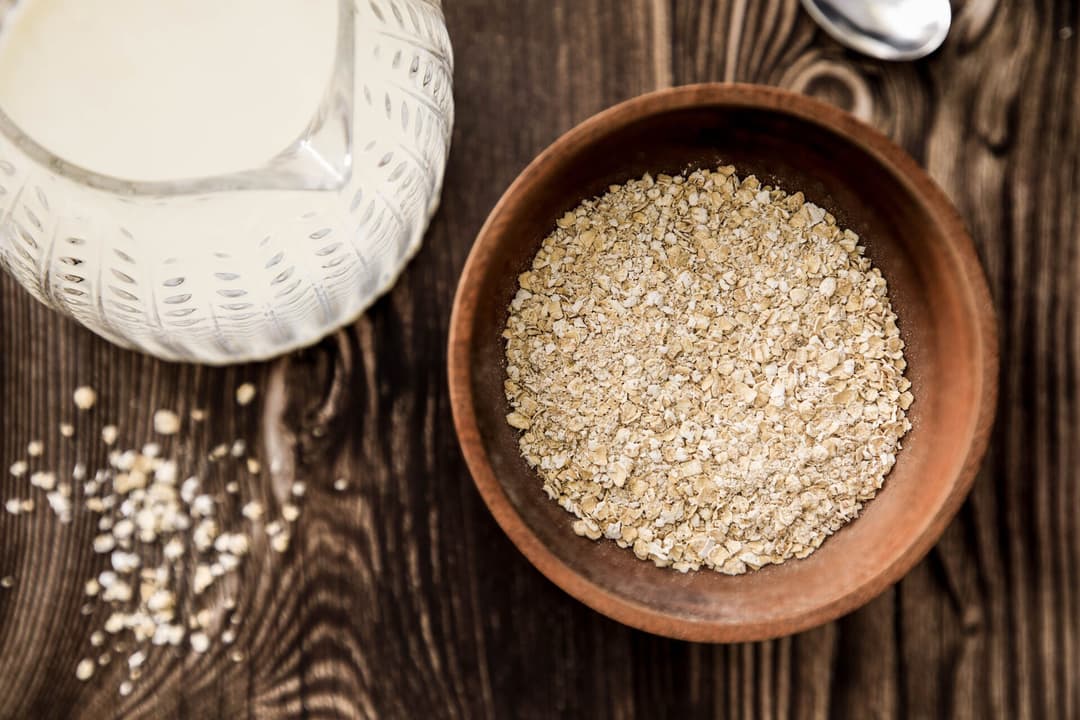
Not all oats work the same way in soap. Here's a quick breakdown:
| Type | Texture in Soap | Best For |
| ------ | ---------------- | ---------- |
| Colloidal oatmeal | Silky, dissolves in | Sensitive skin, no visible texture |
| Quick oats (ground) | Light exfoliation | Everyday bars, gentle scrub |
| Rolled oats (ground) | Medium exfoliation | Scrubby bars, visual appeal |
| Whole rolled oats | Chunky, decorative | Topping bars only |
| Baby oatmeal | Very fine, smooth | Budget alternative to colloidal |
Colloidal oatmeal is the gold standard for soothing skin. You can buy it pre-made or grind regular oats in a blender until they're powder-fine and pass through a fine mesh sieve. If the powder dissolves when you stir it into water, it's colloidal.
Quick oats ground in a food processor give you a nice middle ground. They add a bit of texture without being scratchy.
Baby oatmeal (found in the baby food aisle) is a great budget hack. It's already ground fine and works similarly to colloidal oats at a fraction of the cost.
Oatmeal Soap Recipe
This palm-free recipe makes about 6 bars and produces a creamy, moisturizing bar with gentle oatmeal exfoliation.
| Ingredient | Percentage | For ~32 oz batch |
| ------------ | ----------- | ------------------- |
| Olive oil | 40% | 12.8 oz |
| Coconut oil (76 degree) | 25% | 8 oz |
| Shea butter | 20% | 6.4 oz |
| Sweet almond oil | 10% | 3.2 oz |
| Castor oil | 5% | 1.6 oz |
| Superfat | 6% | |
| Lye concentration | 33% |
Additives:
- 2 tablespoons finely ground oatmeal (at trace)
- 1 tablespoon colloidal oatmeal (optional, for extra soothing)
- Whole oats for topping (optional)
Pop these oil percentages into the Soaply calculator and it'll give you the exact lye and water amounts for your batch size. Set your superfat to 6% for a bar that's extra moisturizing.
Step-by-Step Instructions
Prep Your Oatmeal
Before you start mixing oils, get your oats ready. Take about 1/2 cup of quick oats and pulse them in a blender or food processor. You want a mix of fine powder and small pieces. Don't grind them into complete dust unless you want a totally smooth bar.
Sift the ground oats through a fine mesh strainer if you want a more uniform texture. Set aside.
Mix Your Lye Solution
Put on your safety gear (goggles, gloves, long sleeves). Weigh your distilled water, then slowly add the lye to the water while stirring. Never add water to lye. Let the solution cool to around 100-110°F.
Prepare Your Oils
Melt the coconut oil and shea butter together in a heat-safe container. Once melted, add the olive oil, sweet almond oil, and castor oil. Let the oil blend cool to around 100-110°F.
Bring to Trace
Slowly pour the lye solution into the oils through a strainer. Use a stick blender in short bursts to bring the mixture to light trace. Light trace looks like thin pudding. The batter should leave a faint trail on the surface when you drizzle it.
Add the Oatmeal
At light trace, stir in your ground oatmeal by hand with a spatula. Don't use the stick blender here or you'll thicken the batter too fast. Fold the oats in gently until they're evenly distributed.
Pour and Top
Pour the batter into your soap mold. If you want that classic oatmeal soap look, sprinkle whole rolled oats on top and press them lightly into the surface.
Insulate and Wait
Cover the mold with a piece of cardboard and wrap it in a towel. This keeps the heat in and helps the soap go through gel phase, which gives you a smoother, more translucent look. Let it sit for 24 to 48 hours.
Unmold and Cure
Pop the soap out of the mold, cut it into bars, and place them on a curing rack with space between each bar. Cure for 4 to 6 weeks, flipping the bars every week or so.
Adding Honey to Oatmeal Soap
Oatmeal and honey are a classic combination. Honey adds extra moisture, a warm golden color, and a subtle sweet scent. But it also speeds up trace and heats up your soap, so you need to handle it carefully.
How to add honey:
- Use about 1 teaspoon of honey per pound of oils
- Warm the honey slightly so it's pourable
- Mix it into your warmed oils before adding the lye solution
- Soap at room temperature (around 90-100°F) to prevent overheating
- Don't insulate as heavily; honey generates extra heat during saponification
- Watch for the batter accelerating; work quickly once you hit trace
If your honey soap overheats and cracks down the middle (called a "volcano"), it's still safe to use. It just won't look as pretty. Soaping at lower temperatures prevents this.
For a full combination bar with the additive amounts worked out, use the honey oatmeal soap recipe. If honey is the star and oats are optional, the honey soap guide goes deeper on keeping it from overheating.
How Much Oatmeal Should You Use?
Usage rate matters more than you'd think. Too little and you won't notice the oats. Too much and the bar feels gritty or crumbly.
Here's a general guide:
| Amount (per pound of oils) | Result |
| --------------------------- | -------- |
| 1 teaspoon colloidal | Silky feel, no visible texture |
| 1 tablespoon finely ground | Light exfoliation, subtle specks |
| 2 tablespoons coarsely ground | Medium scrub, visible oat pieces |
| 3+ tablespoons | Heavy exfoliation, scrubby bar |
Start with 1 tablespoon per pound of oils for your first batch. You can always add more next time.
For bars intended for sensitive or irritated skin, stick with colloidal oatmeal at 1 to 2 teaspoons per pound of oils. The finer the grind, the gentler the bar.
Tips for the Best Oatmeal Bars
Don't add oats at thin trace. Wait until you've got a solid light trace. If the batter is too thin, the oats will sink to the bottom of the mold instead of staying suspended throughout the bar.
Grind your own to save money. Colloidal oatmeal from skincare suppliers can cost $10 or more per pound. A canister of regular oats costs $3 and grinds down just as well in a blender.
Store finished bars in a cool, dry place. Oatmeal can attract moisture and bugs if left in a humid environment. Wrap cured bars in shrink wrap or wax paper for gifting.
Use the oatmeal water trick. Soak 1/4 cup of oats in your recipe's water amount for 30 minutes, then strain out the oats and use the milky water as your lye liquid. This infuses even more oat goodness into the bar without adding texture.
Match your fragrance. Oatmeal soap pairs well with warm, comforting scents. Vanilla, honey, cinnamon (use sparingly, it can irritate skin), and lavender all work beautifully. For essential oils, try a blend of lavender and cedarwood at about 5% of your oil weight. Use the Soaply fragrance calculator to get your amounts right.
💬 Frequently Asked Questions
Is oatmeal soap good for eczema?
Yes, oatmeal soap can help soothe eczema symptoms. Colloidal oatmeal is FDA-recognized as a skin protectant and contains anti-inflammatory compounds called avenanthramides. For eczema-prone skin, use colloidal oatmeal rather than coarsely ground oats, keep the superfat at 6% or higher, and skip any fragrance oils that might cause irritation.
What's the difference between colloidal oatmeal and regular oatmeal in soap?
Colloidal oatmeal is ground so fine it dissolves in water, creating a silky feel without any scratchiness. Regular ground oatmeal retains some texture and acts as a physical exfoliant. Both have skin-soothing properties, but colloidal is better for sensitive skin while ground oats are better if you want a scrubby bar.
Can oatmeal go bad in soap?
Properly cured and stored soap with oatmeal won't go bad, but it can attract pantry moths or moisture if left unwrapped in humid conditions. The lye in the saponification process effectively preserves the oats within the bar. Just store your finished bars in a cool, dry spot and wrap them for long-term storage.
How do I keep oats from sinking to the bottom of my soap?
Add the oatmeal at medium trace, not thin trace. The thicker batter will suspend the oat particles throughout the bar. You can also try grinding the oats finer, since smaller particles are less likely to sink. If you're making a tall mold, pour in layers and sprinkle oats between each pour.
Can I use instant oatmeal packets in soap?
It's not recommended. Flavored instant oatmeal packets contain sugar, artificial flavoring, and preservatives that can cause unpredictable results in cold process soap. Stick with plain oats (quick oats, rolled oats, or steel cut) and grind them yourself. Plain instant oats without flavoring are fine to use.
Start Your Oatmeal Soap Batch
Oatmeal soap is one of those recipes that looks impressive but is surprisingly simple to pull off. Run the recipe through the Soaply calculator to scale it for your mold size, grab a container of oats from your pantry, and you'll have bars curing on the rack in under an hour.
For more recipe ideas, check out our goat milk soap recipe (another great choice for sensitive skin) or our guide to soap for sensitive skin. And if you're new to all this, start with our beginner's guide to cold process soap.
Ready to Try It?
Use our free soap calculator to create your perfect recipe with real-time property predictions.
Open Calculator