How to Use a Soap Calculator: A Step-by-Step Lye Calculator Guide
Learn how to use a soap calculator to get exact lye and water amounts for any recipe. A beginner-friendly lye calculator guide with steps, tips, and a free tool.
This article contains Amazon links. As an Amazon Associate, Soaply earns from qualifying purchases at no extra cost to you.
If you're making cold process or hot process soap, a soap calculator isn't optional. It's the one tool that keeps your batch safe, balanced, and repeatable. This guide explains exactly what a soap calculator does, why you can't skip it, and how to use the Soaply soap calculator to turn any combination of oils into a working recipe in under a minute.
- What Is a Soap Calculator?
- Why You Can't Skip It
- What the Calculator Works Out for You
- How to Use the Soaply Soap Calculator
- Understanding the Numbers
- Common Mistakes to Avoid
- Recommended Tools
- Frequently Asked Questions
What Is a Soap Calculator?
A soap calculator, also called a lye calculator, tells you exactly how much lye and water you need to turn a specific set of oils into soap. When oils meet lye, a reaction called saponification turns them into soap and glycerin. The catch is that every oil reacts with lye at a different rate, so the right amount of lye depends entirely on which oils you use and how much of each.
That number is impossible to guess. A soap calculator looks up the saponification value (SAP value) for each oil, multiplies it by your weights, and adds it all up for you. You enter your oils, and it does the chemistry. The Soaply soap calculator handles this instantly for any mix of oils, whether you're using sodium hydroxide (NaOH) for hard bar soap or potassium hydroxide (KOH) for liquid soap.
Why You Can't Skip It
Lye is caustic, so the amount has to be right. Too much lye and you get a harsh, lye-heavy bar that can irritate or burn skin. Too little and you get a soft, greasy bar that never fully cures and turns rancid. Neither is fixable after the fact.
You can't eyeball it because oils don't saponify equally. Coconut oil needs far more lye than olive oil for the same weight, so a recipe built for one set of oils is unsafe for another. This is also why you should never reuse another maker's lye amount with different oils. Running your own oils through a lye calculator every single time is the only safe approach, even for a recipe you've made before.
What the Calculator Works Out for You
A good soap calculator does more than the lye math. Here's what Soaply gives you from a single recipe:
- Exact lye amount in NaOH or KOH for your specific oils
- Water amount, set by lye concentration or a water-to-lye ratio
- Superfat, the small percentage of oils left unsaponified so the bar stays gentle
- Predicted bar properties like hardness, cleansing, conditioning, bubbly lather, and creaminess
- Batch totals so you can size the recipe to your mold
Those bar-property predictions are what take you from "this batch worked" to "I know why it worked." You can adjust your oils and watch the numbers move before you commit to a single gram of lye.
How to Use the Soaply Soap Calculator
Open the Soaply soap calculator and follow these steps. The whole process takes about a minute.
Step 1: Add Your Oils
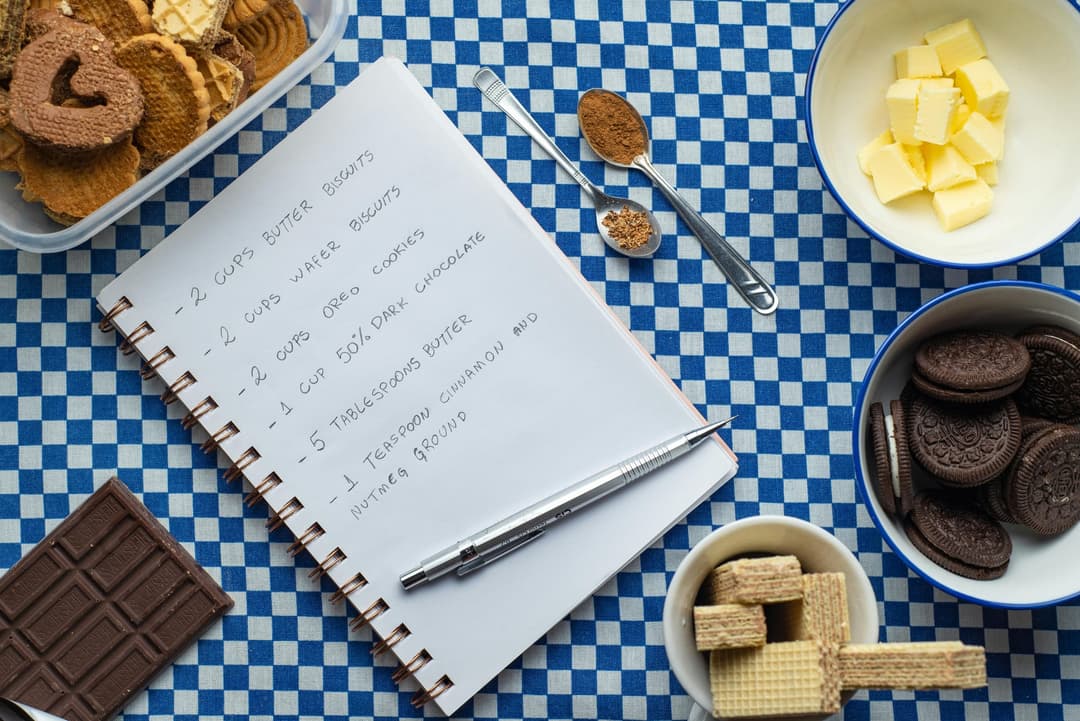
Pick each oil and butter in your recipe and enter the amount. You can work in grams, ounces, or percentages. If you're starting from a percentage-based recipe, enter the percentages and set your total oil weight, and the calculator converts everything to real weights.
Step 2: Set Your Superfat
Superfat is the cushion of extra oils that keeps your bar from being lye-heavy. Five percent is the standard starting point for a balanced bar. Go a little higher for a more conditioning bar, or lower for a harder, more cleansing one.
Step 3: Choose Your Lye Concentration
This controls how much water goes into your lye solution. Around 33 percent is a reliable default. If you're new to this, our guide to lye concentration explains why the lye concentration method is more precise than an old-style water discount.
Step 4: Pick NaOH or KOH
Use NaOH for solid bar soap and KOH for liquid soap. The calculator adjusts the lye math automatically based on your choice.
Step 5: Read Your Results
The calculator shows your exact lye and water weights plus the predicted bar properties. Tweak an oil and the numbers update live, so you can dial in the bar you want before you mix anything.
A Quick Worked Example
Say you want a 500 gram batch of a gentle everyday bar. You'd enter a simple, beginner-friendly blend:
| Oil | Percentage |
| ----- | ------------ |
| Olive oil | 40% |
| Coconut oil | 30% |
| Shea butter | 20% |
| Castor oil | 10% |
Set your total oil weight to 500 grams, your superfat to 5 percent, and your lye concentration to 33 percent. The moment you do, the soap calculator converts those percentages into gram weights, works out the exact sodium hydroxide and water for that specific blend, and shows the predicted bar: firm enough to unmold in a day or two, with a balanced mix of lather and conditioning.
Now change the coconut oil to 20 percent and push the olive up to 50 percent. You'll watch the cleansing number drop and the conditioning number climb, all before you've touched a scale. That live feedback is the real reason to run a recipe through a calculator instead of guessing, and it's how you design a bar on purpose rather than by luck.
How Accurate Is a Soap Calculator?
The lye math is exact, because saponification values are well established for common oils. The bar-property scores are estimates, since how a bar actually feels also depends on your cure time, water amount, and the quality of your ingredients. Treat the hardness, cleansing, and conditioning numbers as a reliable guide for comparing recipes, not as a guarantee. The lye and water figures, on the other hand, you can trust to the gram, which is exactly the part that has to be right for a safe bar.
Understanding the Numbers
A few terms show up on every soap calculator, and knowing them makes the results far more useful.
SAP value. Short for saponification value, this is how much lye a gram of a given oil needs. It's why coconut and olive oil produce such different lye amounts. The calculator stores these values so you never have to look them up.
Superfat. A 5 percent superfat means 5 percent of your oils stay unsaponified to condition the skin. It's also a safety margin against small measuring errors.
Lye concentration vs water discount. These are two ways of describing the same thing, the strength of your lye solution. Lye concentration is the clearer of the two. If you've seen recipes written as a water-to-lye ratio, our water discount vs lye concentration guide shows how they line up.
If you're brand new to the craft, pair this with our beginner's guide to cold process soap for the full picture.
Common Mistakes to Avoid
- Measuring by volume instead of weight. Soap making is done by weight, in grams or ounces, never by cups. A digital scale is essential.
- Skipping superfat. A recipe at zero percent superfat leaves no margin for error and can turn out lye-heavy.
- Reusing a lye amount with different oils. Swap even one oil and you have to recalculate. Always run the actual oils through the soap calculator.
- Using aluminum tools. Lye reacts with aluminum. Stick to stainless steel, silicone, or heavy plastic.
Recommended Tools
You only need a few things to put your calculated recipe to work:
- Digital scale that reads in grams for accurate measuring
- Safety goggles and gloves for handling lye
- Sodium hydroxide (lye) for cold and hot process bar soap
💬 Frequently Asked Questions
Is the Soaply soap calculator free?
Yes. The Soaply soap calculator is free to use for any recipe, with no sign-up required to run the numbers.
What's the difference between NaOH and KOH in a soap calculator?
NaOH (sodium hydroxide) makes solid bar soap, and KOH (potassium hydroxide) makes liquid soap. They have different SAP values, so the calculator uses different math for each. Pick the one that matches the kind of soap you're making.
What superfat should I use?
Five percent is a safe, balanced default. Higher superfat gives a more conditioning, gentler bar, while lower superfat gives a harder, more cleansing one. Most everyday recipes land between 4 and 7 percent.
Can a soap calculator resize a recipe to fit my mold?
Yes. Enter your oils as percentages and set the total oil weight to match your mold, and the calculator scales the lye, water, and everything else to suit. You can also work backward from a batch size you want.
Do I need a soap calculator for melt and pour soap?
No. Melt and pour soap base is already saponified, so there's no lye to calculate. You only need a soap calculator for cold process and hot process soap, where you're working with raw oils and lye.
Ready to Calculate Your Recipe?
Stop guessing at lye amounts and start every batch on solid footing. Open the free Soaply soap calculator, enter your oils, and get safe, precise numbers plus a preview of how your bar will turn out. It's the fastest way to design a recipe you can trust and repeat.
Ready to Try It?
Use our free soap calculator to create your perfect recipe with real-time property predictions.
Open Calculator