Lemongrass Essential Oil in Soap: Scent, Uses, and How Much to Add
Lemongrass essential oil is the citrus scent that actually lasts in cold process soap. Here is what it smells like, how much to use, blends, and a recipe.
If you want a citrus scent that actually survives the cure, lemongrass essential oil is the one to reach for. Bright orange and lemon oils fade fast in cold process soap, but lemongrass holds on far longer, which is why it's a favorite for spa bars, kitchen soaps, and anything that should smell fresh and clean weeks after you unmold it. It's also one of the more affordable steam-distilled oils, so a little bottle scents a lot of soap. This guide covers what lemongrass essential oil is, what it smells like, how much to use per pound of oils, whether it discolors or speeds up trace, the best blends, and a simple recipe you can pour today.
What Is Lemongrass Essential Oil?
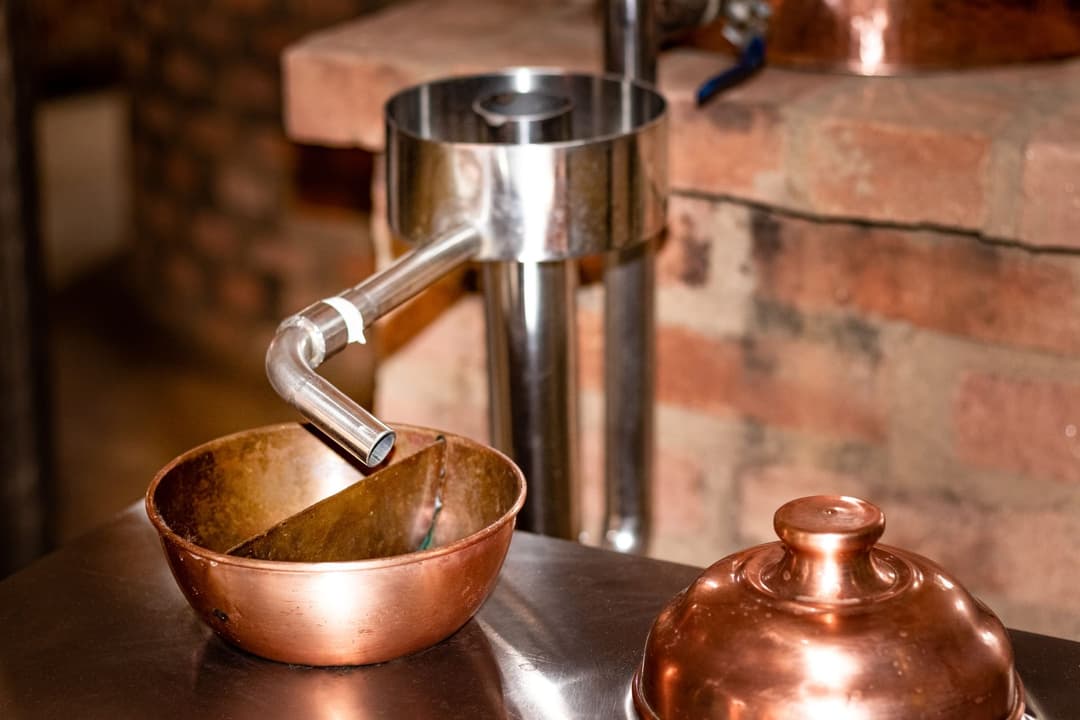
Lemongrass essential oil is steam distilled from the leaves of a tall tropical grass in the Cymbopogon family. Two species do most of the work: Cymbopogon citratus, the West Indian type, and Cymbopogon flexuosus, the East Indian type. Both smell strongly of lemon, and both are widely sold for soap and skincare. Unlike lemon or orange oil, which are cold pressed from citrus peel, lemongrass has nothing to do with citrus fruit at all. It just happens to be loaded with the same bright, lemony aroma compound.
That compound is citral, and it usually makes up 65 to 85% of the oil. Citral is what gives lemongrass its punchy scent, and it's also the reason lemongrass behaves the way it does in soap. Because citral is a heavier molecule than the light terpenes in cold pressed citrus oils, it clings to the bar longer and doesn't flash off during the fast, hot early hours of saponification. If you've ever been frustrated that your sweet orange soap smells like nothing after a month, lemongrass is the fix. For a full rundown of how these oils differ from lab-blended scents, see our guide to essential oils vs fragrance oils.
What Does Lemongrass Essential Oil Smell Like?
Lemongrass smells like lemon with the sweetness turned down and the green turned up. It's sharp, grassy, and a little herbal, closer to fresh-cut stalks than to lemon candy. Most people read it as clean, energizing, and outdoorsy, which is why it shows up in so many "fresh" and "spa" soaps. It leans unisex, so it works just as well in a bar aimed at men as in a floral blend.
On the fragrance wheel, lemongrass sits as a top-to-middle note. On its own it comes across bright and immediate, but it has enough body to linger past the first sniff. That middle-note weight is exactly what lets it outlast true citrus oils in soap. It plays well with herbs, woods, and mints, and it can sharpen up a blend that's feeling too sweet or too heavy.
Benefits of Lemongrass Essential Oil in Soap
The main reason soap makers love lemongrass is scent performance, but it earns its spot for a few other reasons too.
- It lasts. This is the headline benefit. Lemongrass keeps its aroma through cure and storage far better than lemon, lime, or orange, so your finished bar still smells like something months later.
- It's a natural deodorizing scent. Lemongrass is a classic choice for kitchen soaps, gardener's bars, and gym or work soaps because that fresh, sharp aroma reads as genuinely clean. Sellers often pair it with coffee grounds or cornmeal in a hand-scrubbing bar.
- It's astringent and crisp. In skincare terms lemongrass is often described as clarifying and toning, which suits it to bars marketed for oily or sweaty skin. Keep any claims cosmetic and modest, since soap is a wash-off product and isn't a treatment.
- It's budget friendly. Compared with rose, sandalwood, or chamomile, lemongrass costs very little per ounce, so it's an easy way to scent big batches without blowing your supply budget.
For where it ranks against other long-lasting options, our roundup of the best essential oils for soap making puts lemongrass near the top of the citrus category.
How Much Lemongrass Essential Oil to Use in Soap
Lemongrass is potent, so you don't need much. A good starting rate for cold process soap is about 0.5 ounce of lemongrass essential oil per pound of oils, and you can push it toward 0.7 ounce if you want a bolder bar. That's roughly 3 to 4% of your oil weight. Start on the low end the first time, because a heavy hand can tip lemongrass from bright to almost soapy-sharp.
Two rules keep you safe and consistent. First, weigh your essential oil on a digital scale rather than counting drops, since drop size varies and accuracy matters for skin safety. Second, don't eyeball the amount. Citral carries an IFRA usage limit because it can sensitize skin at high levels, so run your batch through the Soaply calculators to get the exact weight for your recipe size and keep your total fragrance load inside safe wash-off limits. If you're blending lemongrass with other oils, the calculator adds everything up so you don't accidentally overshoot. For the reasoning behind those numbers, our guide to calculating fragrance load walks through the math.
Add lemongrass at light trace, stir it in quickly and evenly, then pour. Because it's a top-to-middle note, anchoring it with a heavier base note helps it last even longer through the cure, which we cover in the blends section below.
Does Lemongrass Discolor or Accelerate Soap?
Lemongrass is one of the better-behaved essential oils, but it isn't completely neutral.
On color, expect a mild shift. Citral can oxidize over time and nudge a white bar toward pale yellow or soft tan, especially in older oil or in soap that sees a lot of light and air. It's nowhere near the deep browning that vanilla causes, so most makers just design around it. If you want a crisp look, pair lemongrass with a green colorant so the bar reads as intentional rather than faded. A green clay or French green tint looks great with a lemongrass scent.
On trace, lemongrass is usually cooperative. Citrus and grassy oils tend not to seize the way spice and floral oils can, so you'll normally get plenty of working time. That said, every recipe is different, and a fast-moving formula or a warm soaping temperature can make any oil thicken quicker than you expect. If your batter starts to set up fast, soap at a lower temperature and stick to a slow-moving recipe with plenty of soft oils. Testing a small one-pound batch of any new scent before you commit to a full loaf is always the safe move.
Best Lemongrass Scent Blends
Lemongrass is a strong solo scent, but it really shines in blends where it adds a fresh, lifting top note. Because it holds better than true citrus, it can even help anchor lighter notes so the whole blend lasts.
Reliable pairings to try:
- Lemongrass and lavender. A spa-shop classic. Lavender softens lemongrass, and lemongrass keeps lavender from going powdery. Try 50/50.
- Lemongrass and tea tree. The bright citrus cuts through tea tree's medicinal heaviness for a clean, unisex bar. Our tea tree soap recipe explains this pairing in more detail.
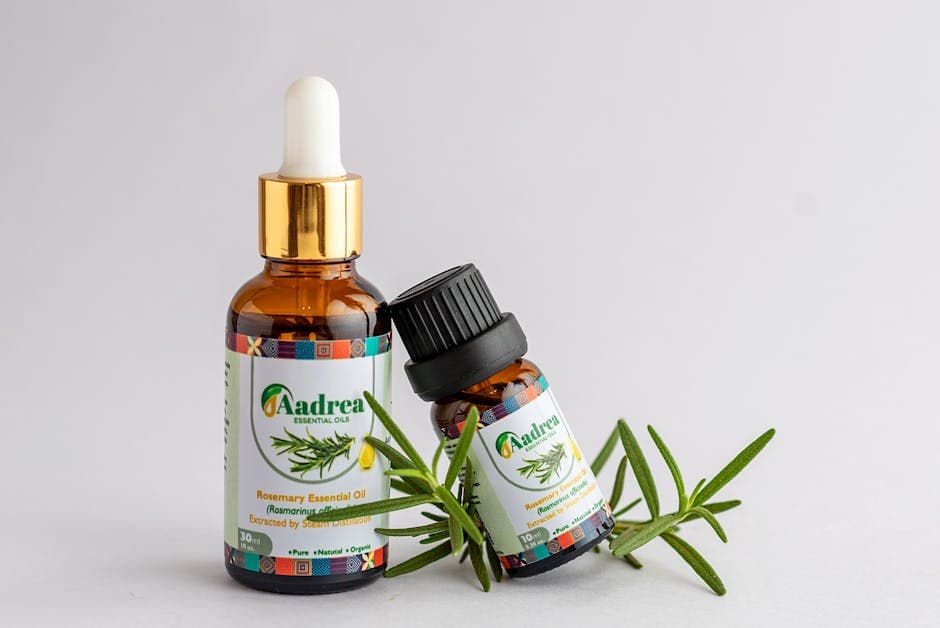
- Lemongrass and rosemary. Both are herbal and green, so together they read fresh and almost garden-like. Great for a kitchen or gardener's soap.
- Lemongrass and cedarwood or patchouli. A woody or earthy base note anchors lemongrass and stretches its staying power. This is the move if you want maximum longevity.
- Lemongrass and peppermint. Cool and zingy, a wake-up scent for a morning shower bar.
- Lemongrass and may chang. May chang is also citral-rich, so it deepens and rounds the lemony note without adding sweetness.
When you build a blend, keep lemongrass around 30 to 60% of the mix depending on how forward you want the citrus. To keep the more volatile notes from fading during cure, read our tips on making soap scent last longer.
A Simple Lemongrass Soap Recipe
Here's a balanced, palm-free cold process recipe that shows off lemongrass. The percentages are given by weight of oils, which lets you scale to any batch size. Run the oils through the Soaply lye calculator to get your exact sodium hydroxide and water for the batch size you choose, using a 5% superfat.
Oils (percent of total oil weight):
| Oil | Percentage | What it does |
| --- | --- | --- |
| Olive oil | 40% | Gentle, conditioning base |
| Coconut oil | 28% | Hard bar and big bubbles |
| Shea butter | 20% | Creamy, moisturizing feel |
| Castor oil | 5% | Boosts and stabilizes lather |
| Sunflower or sweet almond oil | 7% | Silky, conditioning |
Fragrance: lemongrass essential oil at about 0.5 ounce per pound of oils, added at light trace. A green clay or a touch of chlorella gives a natural color that matches the scent.
Method in brief:
- Suit up in goggles and gloves, then mix your lye solution and let it cool. Our soap making safety guide covers lye handling step by step.
- Melt and combine your oils, then bring both the lye and oils to around 100 to 110°F.
- Blend to light trace, add your lemongrass and any colorant, and stir until even.
- Pour into your mold, insulate, and unmold after 24 to 48 hours.
- Cut into bars and cure for four to six weeks before use.
New to cold process? Walk through the whole method first in our beginner's guide to cold process soap, then come back and make this your first scented batch.
Other Ways to Use Lemongrass Essential Oil
Lemongrass isn't just for soap. That same fresh, deodorizing scent makes it a workhorse across bath and body projects.
- Room and linen spray. A few drops in a water-and-witch-hazel base gives you a bright, clean spritz. Our room spray calculator helps you dilute it to a safe, effective strength.
- Salt or sugar scrubs. Lemongrass pairs beautifully with a coarse salt scrub for an invigorating, spa-like exfoliant. Size the recipe with the salt scrub calculator.
- Bath salts. Stir a little into Epsom or sea salt for a refreshing soak.
- Beard and body. Blended with cedarwood or a carrier oil, lemongrass makes a crisp, masculine-leaning scent for leave-on products, though leave-on rates are much lower than wash-off soap because the oil stays on the skin.
Just remember that leave-on products need more conservative dilution than soap, since lemongrass and its citral content can irritate skin at higher concentrations.
Is Lemongrass Essential Oil Safe?
Used at the right rate, lemongrass is considered skin safe for soap and other wash-off products. The catch is the word rate. Lemongrass is high in citral, a known skin sensitizer, so more is not better. Overloading a bar can irritate skin, especially for people with sensitive or reactive skin. Stay within the IFRA usage limit, which the fragrance calculator handles for you, and always patch test a new soap before regular use.
A few extra cautions. Many aromatherapy sources suggest avoiding lemongrass during pregnancy, so leave it out of soaps you're making for a pregnant friend or gift with a note. Keep essential-oil products away from pets, particularly cats, who don't process these compounds well. And like all aromatics, lemongrass ages. Old, oxidized oil is more likely to irritate skin and can smell flat or harsh, so store it in a cool, dark place with the cap tight and use it within a year or two. For storage and shelf-life details, see do essential oils expire.
💬 Frequently Asked Questions
What does lemongrass essential oil do in soap?
It scents the bar with a bright, fresh, lemony aroma that lasts far longer than true citrus oils like lemon or orange. Because it's high in citral, a heavier aroma compound, it survives saponification and holds its scent through cure and storage, which makes it a top pick for spa and kitchen soaps.
How much lemongrass essential oil do I use per pound of soap?
Start at about 0.5 ounce of lemongrass essential oil per pound of oils in cold process soap, and go up to roughly 0.7 ounce for a stronger scent. That's around 3 to 4% of your oil weight. Always weigh it on a scale and run your recipe through a fragrance calculator to stay inside safe IFRA limits.
Does lemongrass essential oil discolor soap?
Only mildly. Citral can oxidize over time and shift a white bar toward pale yellow or soft tan, but it's nothing like the deep browning vanilla causes. Most makers either accept the slight tint or add a green colorant so the bar looks intentional.
Is lemongrass essential oil good for skin?
In soap it's valued as a fresh, clarifying, deodorizing scent, and it's often used in bars for oily or sweaty skin. It is high in citral, though, which can sensitize skin at high concentrations, so keep it within recommended usage rates and patch test before regular use.
Does lemongrass essential oil accelerate trace?
Usually not. Grassy and citrus oils tend to behave well and give you plenty of working time, unlike many spice and floral oils. Still, a fast recipe or warm soaping temperature can speed any batter, so soap cool and test a small batch when you try a new scent.
Scent Your Next Batch With Lemongrass
Lemongrass essential oil gives you that clean, energizing citrus scent without the disappearing act, which is why it belongs in any soap maker's fragrance shelf. Use it around 0.5 ounce per pound of oils, anchor it with a woody base note if you want it to last even longer, and plan for a soft yellow tint. When you're ready to build a batch, run your recipe and fragrance load through the free Soaply calculators so your lemongrass comes out strong, safe, and perfectly measured every time.
Ready to Try It?
Use our free soap calculator to create your perfect recipe with real-time property predictions.
Open Calculator