How to Make Soap Scent Last Longer: 9 Proven Tips
Tired of fragrance fading in cold process soap? Learn 9 proven techniques to lock in scent, from anchoring blends to clay tricks and proper curing.
You spent hours crafting the perfect cold process batch, chose a gorgeous fragrance, and unmolded beautiful bars. Then a few weeks later, you pick one up and... barely any scent. Fragrance fading is one of the most frustrating problems in soap making, and it happens to everyone at some point.
The good news? You can fight back. With the right techniques, you'll keep your soaps smelling strong from the curing rack all the way to the shower.
- Why Does Soap Lose Its Scent?
- How Much Fragrance Should You Use?
- Essential Oils vs Fragrance Oils for Scent Retention
- What Are Top, Middle, and Base Notes?
- How to Anchor Light Scents
- Does Kaolin Clay Really Help Hold Scent?
- How Soap Temperature Affects Fragrance
- Curing and Storage Tips for Stronger Scent
- Which Scents Fade the Most (and Which Stick)?
- Frequently Asked Questions
Why Does Soap Lose Its Scent?
Before you can fix the problem, it helps to understand what's happening. Cold process soap goes through saponification, a chemical reaction where oils and lye combine to form soap. During this process, temperatures inside the mold can climb above 150°F, and the high pH environment is harsh on fragrance molecules.
Some scent compounds are volatile, meaning they evaporate easily. The heat of saponification accelerates this evaporation. On top of that, certain fragrance molecules actually break down when exposed to the strongly alkaline conditions inside freshly made soap.
This is why a soap that smells incredible at trace can seem almost unscented after a few weeks of curing. The lightest, most volatile compounds burned off first, leaving behind only the heavier molecules.
There's another factor many soapmakers overlook: "nose blindness." If you've been smelling your soap repeatedly during the curing process, your brain starts filtering out that scent. Try handing a bar to someone who hasn't smelled it before. You might be surprised that they think it smells great.
How Much Fragrance Should You Use?
One of the most common reasons for weak scent is simply not using enough. Many beginners play it safe with fragrance amounts, but cold process soap needs a higher usage rate than other crafts like melt and pour or candle making.
Here are the standard guidelines:
| Soap Type | Fragrance Rate |
| ----------- | --------------- |
| Cold Process | 0.7 oz per pound of oils (about 4.4%) |
| Hot Process | 0.7 oz per pound of oils |
| Melt and Pour | 0.3 oz per pound of base |
For cold process, that 0.7 oz per pound is a solid starting point. Some soapmakers go up to 1 oz per pound for scents they know tend to fade, but always check your supplier's recommended maximum usage rate first. Going too high can cause skin irritation or problems with your soap's texture.
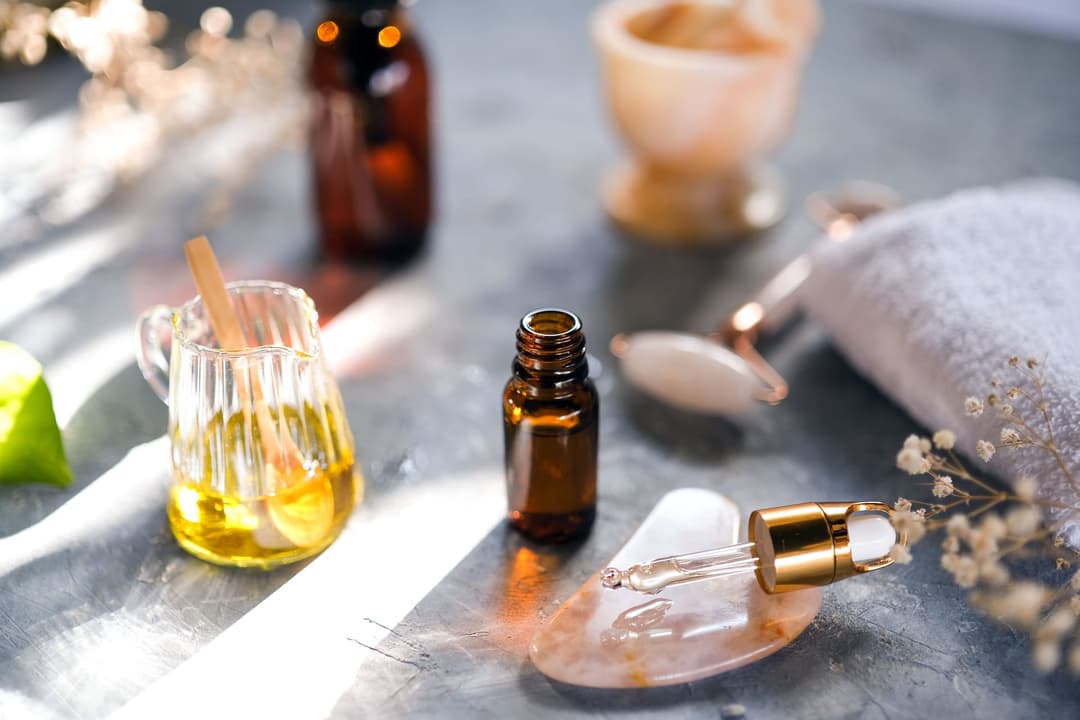
Use the Soaply fragrance calculator to dial in the exact amount for your batch size. Getting the math right is the first step to getting the scent right.
Essential Oils vs Fragrance Oils for Scent Retention
This is one of the biggest debates in the soap making community, and the answer isn't straightforward.
Fragrance oils are synthetic or semi-synthetic blends specifically engineered for cosmetic products. The best soap-safe fragrance oils are formulated to survive saponification. They tend to hold their scent better in cold process soap because manufacturers design them with stability in mind.
Essential oils are steam-distilled or cold-pressed from plants. They're 100% natural, which appeals to many soapmakers and customers. However, essential oils are more unpredictable in cold process soap. Some hold up beautifully while others vanish almost completely.
If you want the strongest scent retention and you're not committed to an all-natural label, fragrance oils are the easier path. If you prefer essential oils, you'll need to be more strategic about which ones you choose and how you blend them.
For a deeper comparison, check out our full guide on essential oils vs fragrance oils for soap.
What Are Top, Middle, and Base Notes?
Perfumers classify scents into three categories based on how quickly they evaporate. Understanding this system is the single most useful thing you can learn for making your soap scent last.
Top notes are the first thing you smell. They're bright, sharp, and attention-grabbing, but they fade the fastest. In soap making, top notes often don't survive saponification at all.
Examples: lemon, sweet orange, grapefruit, bergamot, eucalyptus, peppermint
Middle notes form the heart of a fragrance. They last longer than top notes and provide the main character of the scent.
Examples: lavender, rosemary, geranium, chamomile, cinnamon leaf, clary sage
Base notes are deep, heavy, and slow to evaporate. They're your best friends for long-lasting soap scent.
Examples: patchouli, cedarwood, sandalwood, vetiver, vanilla (as a fragrance oil), benzoin, oakmoss
A well-balanced blend includes all three layers. The top notes grab attention when you first sniff the bar, the middle notes carry the main scent profile, and the base notes provide staying power that lasts through weeks of curing and months on the shelf.
How to Anchor Light Scents
"Anchoring" is the technique of pairing a light, fleeting scent with a heavier one to help it stick around longer. This is probably the most practical skill you can develop for fragrance blending in soap.
Here's how it works: base note essential oils evaporate slowly. When you blend them with faster-fading top or middle notes, the base note acts like an anchor, slowing down the evaporation rate of the lighter scent.
Anchoring Examples That Work
| Light Scent (Fades Fast) | Anchor (Holds It Down) | Ratio |
| -------------------------- | ---------------------- | ------- |
| Lemon | Litsea cubeba + cedarwood | 40/30/30 |
| Sweet orange | Patchouli | 70/30 |
| Peppermint | Eucalyptus + rosemary | 50/25/25 |
| Lavender | Cedarwood | 60/40 |
| Grapefruit | Vetiver | 75/25 |
A few tips for effective anchoring:
- Don't let the anchor dominate. Use just enough to extend the lighter scent, not replace it.
- Patchouli is the classic anchor, but cedarwood and vetiver work just as well if you don't want that earthy patchouli character.
- Amyris (sometimes called "poor man's sandalwood") is an underrated fixative that blends quietly into almost anything.
- Test small batches first. Write down your ratios so you can replicate what works.
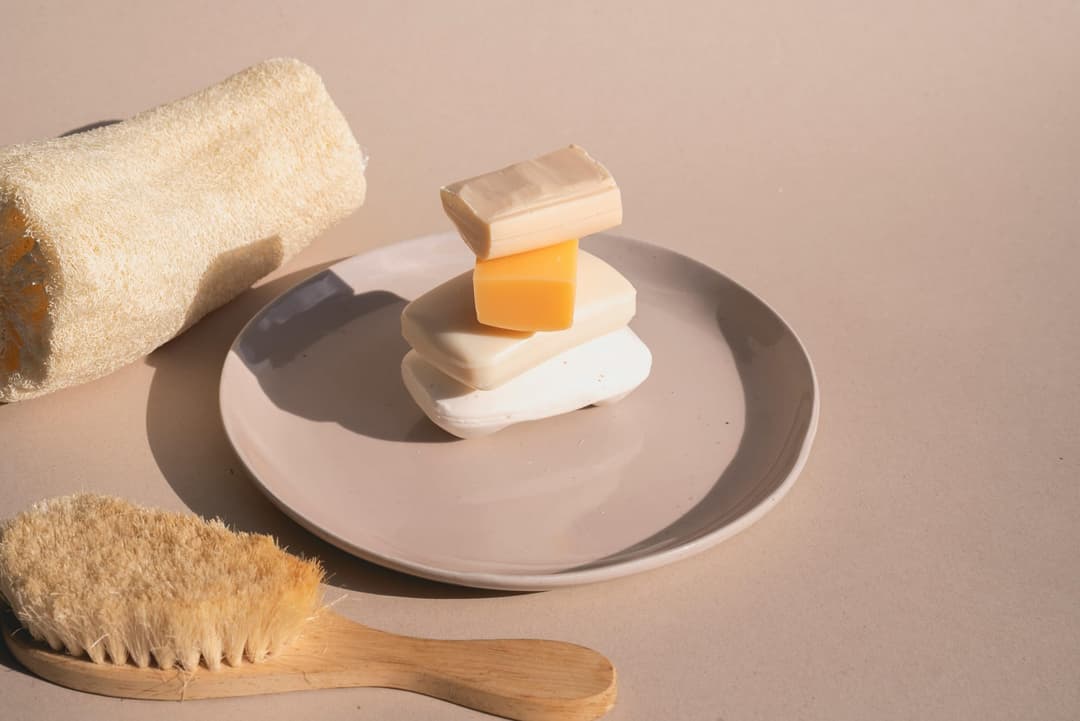
Does Kaolin Clay Really Help Hold Scent?
You'll hear this tip in almost every soap making forum: add a tablespoon of kaolin clay per pound of oils to help anchor your fragrance. But does it actually work?
The theory is straightforward. Clay is fine-grained and absorbent. When you mix it with your fragrance oil before adding it to your soap batter, the clay particles soak up some of the scent. As the soap cures and water evaporates, the clay holds onto those fragrance molecules instead of letting them escape with the moisture.
Many experienced soapmakers swear by this technique, and it's low-risk since kaolin clay also makes bars feel silkier and gives a slight boost to lather.
Here's how to do it:
- Measure 1 tablespoon of kaolin clay per pound of oils
- Add the clay to your fragrance oil and stir well
- Let it sit for 5-10 minutes so the clay absorbs the scent
- Add the clay-fragrance mixture to your soap batter at light trace
You can also use bentonite clay, though it absorbs more water and can speed up trace. For scent anchoring specifically, kaolin is the safer choice.
If you're interested in other ways to use clay in soap making, we've got a full guide on that topic too.
How Soap Temperature Affects Fragrance
Temperature management is an overlooked factor in scent retention. Higher temperatures mean more volatile compounds escape. Here's what you can control:
Soaping temperature: Mixing your lye solution and oils at lower temperatures (around 90-100°F instead of 120-130°F) gives the fragrance less initial heat to contend with. This is especially helpful when using essential oils. Check out our soap making temperature guide for details on finding the right range.
Gel phase: When soap goes through gel phase, internal temperatures can reach 180°F or higher. That's a lot of heat for delicate fragrance molecules. If scent retention is your top priority, you can try to prevent gel phase by soaping cool and putting your mold in the refrigerator or freezer after pouring.
The trade-off: Preventing gel phase means longer cure times and sometimes a slightly different look (ungelled soap tends to be more matte and opaque). Many soapmakers prefer the look of gelled soap and accept some scent loss as a compromise.
Hot process consideration: In hot process soap making, you add fragrance after the cook, which means it doesn't go through saponification. Some soapmakers find this gives better scent retention for delicate essential oils, though hot process bars have their own texture trade-offs.
Curing and Storage Tips for Stronger Scent
How you handle your soap after unmolding matters just as much as what you put in the batter.
During curing (4-6 weeks):
- Cure in a cool, dry spot away from direct sunlight. Heat and UV light both accelerate fragrance evaporation.
- Good airflow is important for curing, but don't put your soap next to a fan blowing directly on the bars. Gentle, ambient circulation is what you want.
- Turn bars every week or so for even curing on all sides.
- Don't sniff-test every day. You're not helping the bars and you're desensitizing your nose.
After curing:
- Wrap cured bars in wax paper or shrink wrap to slow fragrance evaporation. Unwrapped bars lose scent faster, especially in dry environments.
- Store in a cool, dark space. A closet works great. Avoid garages, attics, or anywhere with temperature swings.
- Keep different scents separated. Strong fragrances (looking at you, patchouli) will migrate to neighboring bars if they're stored in close contact.
For a deeper look at the science behind curing, our guide to curing soap covers why those 4-6 weeks make such a big difference.
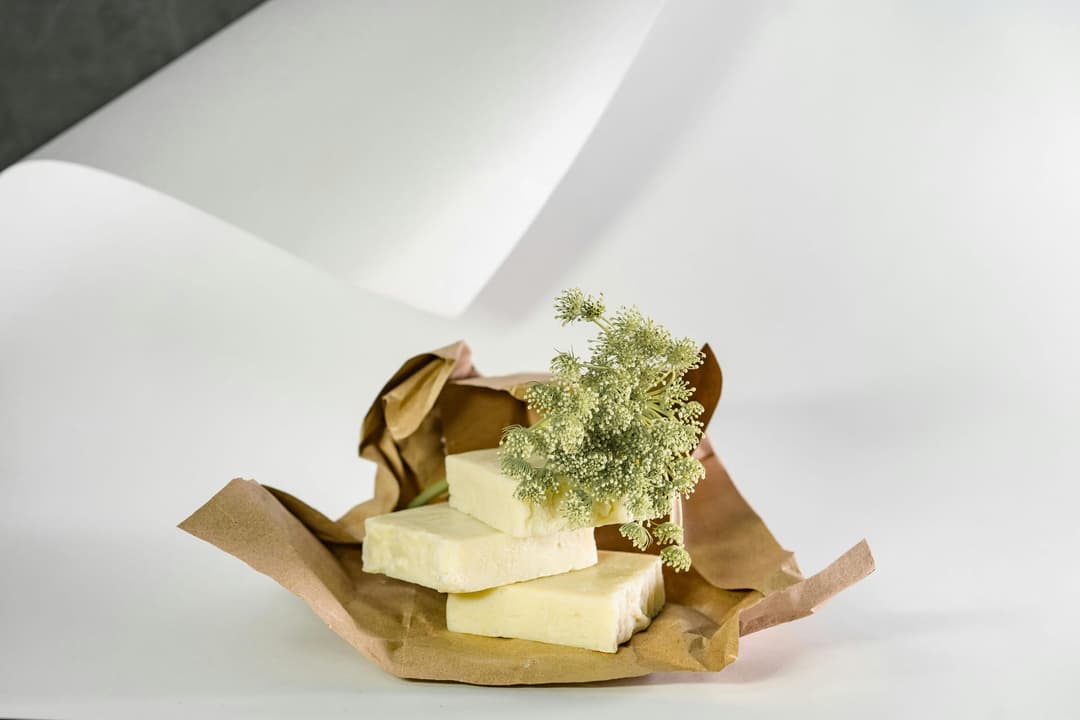
Which Scents Fade the Most (and Which Stick)?
After years of collective soapmaker experience, some clear patterns have emerged. Here's a quick reference:
Scents That Hold Well in Cold Process
- Patchouli gets stronger with age. It's the gold standard for lasting power.
- Cedarwood (both Atlas and Virginia) is reliable and versatile.
- Lavender 40/42 (a standardized blend) holds better than single-origin lavender.
- Anise/star anise pushes through saponification with minimal fading.
- Clove bud is strong and persistent (use at lower rates, as it can irritate skin).
- Lemongrass is the rare citrus-adjacent oil that actually sticks.
- Tea tree holds its scent well and adds antimicrobial benefits.
- Most fragrance oils specifically rated for cold process by reputable suppliers.
Scents That Fade Quickly
- Citrus essential oils (lemon, lime, sweet orange, grapefruit) are notorious faders. Folded varieties (5x or 10x concentrated) do better.
- Chamomile tends to get lost during saponification.
- Light florals like ylang ylang and neroli can fade significantly.
- Vanilla essential oil doesn't exist (vanilla is extracted differently), so use vanilla fragrance oil or vanilla oleoresin for staying power.
If you're building a recipe around a scent that tends to fade, compensate by using the maximum safe usage rate and anchoring with a complementary base note.
💬 Frequently Asked Questions
How long should soap scent last after curing?
A well-made cold process bar with proper fragrance load should hold noticeable scent for 6-12 months after curing. Bars made with strong base notes like patchouli or cedarwood can stay fragrant for well over a year. If your scent disappears within the first month, you likely need more fragrance, a better anchor, or a different approach to temperature management.
Can I add more fragrance oil to soap that's already lost its scent?
Not effectively, no. Once soap has saponified and cured, you can't add fragrance back into the bar. Some people try spritzing bars with fragrance oil, but this only scents the surface temporarily and can create oily spots. Your best bet is to rebatch the soap by grating it, melting it down, and adding fresh fragrance during the rebatch process.
Does the type of oil in my recipe affect scent retention?
It can. Recipes high in olive oil tend to have a mild, slightly earthy base scent that doesn't compete with added fragrance. Coconut oil-heavy recipes produce a lighter base. Tallow and lard create a very neutral base that lets fragrance shine. The bigger factor is usually the fragrance itself and how much you use, but building your recipe on a neutral oil base gives your scent the best canvas. Use the Soaply calculator to experiment with different oil combinations.
Is there a difference between scent in the bar vs scent in the shower?
Yes, and this surprises a lot of new soapmakers. A bar might seem lightly scented when you sniff it dry, but the warm water and steam in the shower release fragrance molecules that you couldn't detect at room temperature. Before you write off a bar as unscented, try actually using it. The lather often carries more fragrance than the dry surface suggests.
Should I use fragrance oil or essential oil if I want the strongest scent?
For maximum scent throw, fragrance oils are the more reliable choice. They're engineered for soap and tested for stability in high-pH environments. Essential oils can work beautifully too, but you need to pick the right ones (base and middle notes) and blend strategically. If you're selling soap and scent is a major selling point, fragrance oils give you more consistent results batch to batch.
Strong scent starts with accurate measurements. Use the Soaply calculator to nail your oil ratios, lye amounts, and fragrance loads so every batch comes out exactly the way you planned.
Ready to Try It?
Use our free soap calculator to create your perfect recipe with real-time property predictions.
Open Calculator