How to Use Clay in Soap: Types, Benefits, and Techniques
Learn how to use clay in cold process soap. Covers kaolin, bentonite, French green, and rhassoul clays with usage rates, mixing methods, and color tips.
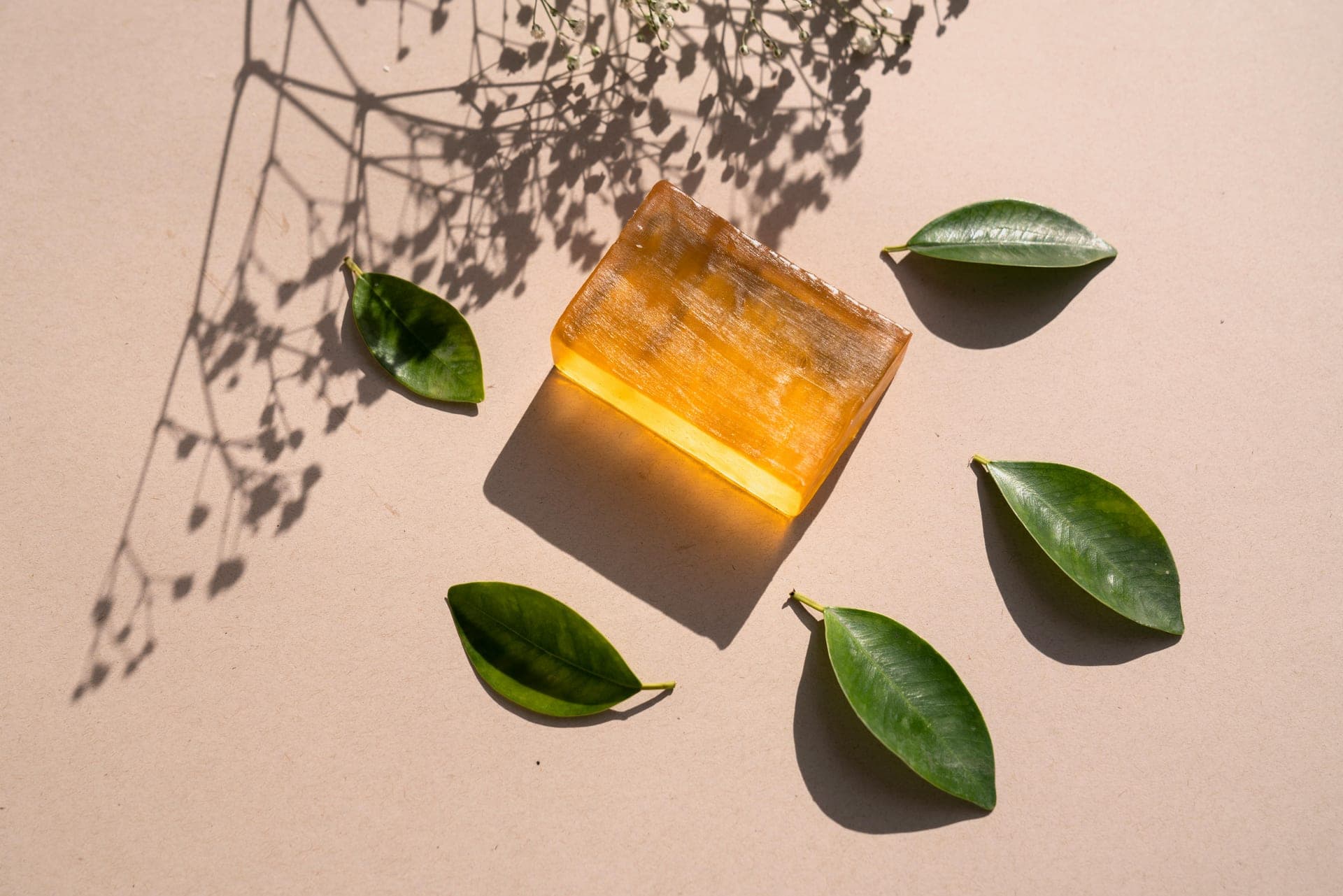
Clay is one of the most versatile additives you can put in cold process soap. It adds natural color, boosts skin benefits, and even helps anchor fragrance. But toss it in without a plan and you'll end up with clumpy bars, accelerated trace, or dull colors that don't match what you expected.
This guide breaks down the most popular cosmetic clays, explains what each one actually does in soap, and walks you through the mixing techniques that give you smooth, even color every time.
- What Does Clay Do in Soap?
- Popular Clays for Soap Making
- How Much Clay to Use
- Three Ways to Add Clay to Cold Process Soap
- Matching Clays to Skin Types
- Clay and Color: What to Expect
- Common Clay Soap Mistakes (and How to Fix Them)
- A Simple Clay Soap Recipe
- Frequently Asked Questions
What Does Clay Do in Soap?
Clay isn't just decoration. It pulls its weight in several ways:
Absorbs oil and impurities. Clays have a natural ability to draw excess sebum, dirt, and other buildup out of pores. That's why clay masks are so popular in skincare, and the same principle applies in a bar of soap.
Adds natural color. Depending on the type, clay can give your bars anything from a soft white to deep green, rusty red, or warm brown. These colors hold up through saponification and curing without fading the way some botanical colorants do.
Creates "slip." Soapmakers often describe clay as making a bar feel silkier on the skin. It creates a smooth glide that's especially useful in shaving soaps, where you want the razor to move easily.
Anchors fragrance. Clay particles can absorb and slowly release essential oils and fragrance oils. Some soapmakers pre-mix their clay with fragrance to help the scent hold longer in the finished bar.
Gently exfoliates. The fine mineral particles in clay provide a mild, natural exfoliation without the harshness of ground shells or pumice.
All of these benefits depend on which clay you pick and how much you use. Too little and you won't notice much difference. Too much and your soap could crack, feel dry, or refuse to lather properly.
Popular Clays for Soap Making
Not all clays behave the same way. Here's what you need to know about the six most common options.
Kaolin Clay (White)
Kaolin is the gentlest clay you can use in soap. It's made from weathered aluminum silicate and has low oil absorption compared to other clays. That makes it a good fit for all skin types, including sensitive and dry skin.
In soap, kaolin adds a subtle creaminess and helps produce a smoother lather. It doesn't change the color much; you'll get a slightly whiter, more opaque bar. Many soapmakers add kaolin to every batch as a baseline additive.
Best for: Sensitive skin, shaving soap, subtle lather improvement
Bentonite Clay
Bentonite is a powerhouse absorber. It forms from volcanic ash and swells when it contacts water, which is why it's so effective at pulling oil and toxins from skin. In soap, it provides noticeable oil absorption and a slippery feel.
The catch? Bentonite accelerates trace more than most clays. It also absorbs a lot of moisture from your batter, so you'll want to pre-disperse it in water before adding it.
Best for: Oily skin, shaving soap, deep cleansing bars
French Green Clay
French green clay gets its color from a combination of iron oxides and decomposed plant matter. It's a moderate absorber, sitting between kaolin and bentonite in terms of oil-pulling power.
It produces a beautiful sage green color in cold process soap that deepens if you promote gel phase. It's especially popular in facial bars for oily or combination skin.
Best for: Oily and combination skin, facial bars, natural green color
Rhassoul Clay (Moroccan Lava Clay)
Rhassoul comes from ancient deposits in Morocco's Atlas Mountains. It's rich in silica, magnesium, and potassium, and it has a unique ability to hydrate while it cleanses. That makes it one of the few clays that works well for dry skin.
In soap, rhassoul produces a warm brown color and a noticeably silky feel. It's pricier than other clays, but many soapmakers consider it worth the cost for luxury bars.
Best for: Dry skin, luxury bars, warm brown color
Rose Clay (Pink Kaolin)
Rose clay is simply kaolin that contains naturally occurring iron oxides, which give it a pink hue. It's just as gentle as white kaolin but produces a soft pink to mauve color in soap.
It's one of the most popular clays for decorative work because the color is consistent and pretty. Functionally, it behaves exactly like white kaolin.
Best for: Decorative soaps, sensitive skin, gentle cleansing
Activated Charcoal (Honorable Mention)
Technically not a clay, but activated charcoal gets grouped with clays because it's used the same way. It's very absorbent, turns soap jet black, and is popular in detox-style bars. Use it at about half the rate you'd use clay (1/2 teaspoon per pound of oils) because a little goes a long way.
How Much Clay to Use
The standard starting point is 1 teaspoon of clay per pound of oils in your recipe. That's enough to get noticeable skin benefits and gentle color without causing problems.
Here's a quick reference:
| Goal | Amount per Pound of Oils |
| ------ | ------------------------- |
| Light color, mild benefits | 1/2 teaspoon |
| Standard use | 1 teaspoon |
| Strong color, maximum benefits | 1 tablespoon |
| Shaving soap (for slip) | 1 to 2 teaspoons |
Going above 1 tablespoon per pound is risky. Too much clay can:
- Accelerate trace so fast you can't work with the batter
- Reduce lather by absorbing moisture the bubbles need
- Cause cracking during cure as the clay dries out
- Make bars feel dry or draggy on skin
If you're using a slow-tracing recipe heavy in olive oil, you have a bit more room. Fast-tracing recipes with lots of coconut or palm kernel oil? Stick to the lower end.
Use the Soaply calculator to dial in your oil percentages first, then add your clay on top of the base recipe.
Three Ways to Add Clay to Cold Process Soap
How you add clay matters just as much as how much you use. Dumping dry clay powder straight into your batter is a recipe for clumps. Here are three reliable methods.
Method 1: Disperse in Water (Most Reliable)
This is the go-to method for most soapmakers. Mix your clay with distilled water at a 1:3 ratio (1 teaspoon clay to 1 tablespoon water) before adding it to your soap batter.
Steps:
- Measure your clay into a small bowl
- Add three times that amount of distilled water
- Stir or whisk until you get a smooth, thin paste with no lumps
- Add the paste to your soap batter at light trace
- Stick blend for a few seconds to incorporate evenly
The water you use here is in addition to your lye water. You're not taking it from the recipe; you're adding extra liquid. This tiny amount won't throw off your recipe.
Method 2: Blend with Fragrance Oil
If you're using fragrance oil anyway, you can mix the clay right into it. The oil coats the clay particles and prevents clumping while also anchoring the scent.
Steps:
- Measure your clay into the fragrance oil container
- Stir until fully combined (it'll be thick)
- Add this mixture to your batter at trace
- Stick blend briefly to distribute
This works best with fragrance oils, not essential oils, because you need enough volume of liquid to properly disperse the clay. If your fragrance amount is small, stick with Method 1.
Method 3: Add to Lye Solution
For single-color batches where you want the clay distributed perfectly evenly, you can add it directly to your cooled lye solution.
Steps:
- Prepare your lye solution as normal and let it cool
- Spoon the clay into the lye solution and stir well
- Pour the lye solution through a fine mesh strainer when adding it to oils
- The strainer catches any undissolved lumps
This method works well but only for full-batch color. You can't split the batter for swirls since the clay is already in all of it.
Matching Clays to Skin Types
Choosing the right clay depends on who the soap is for.
| Skin Type | Best Clay | Why |
| ----------- | ----------- | ----- |
| Oily / Acne-prone | French green or bentonite | Strong oil absorption, deep pore cleansing |
| Combination | French green or kaolin | Moderate cleansing without over-drying |
| Normal | Kaolin or rose clay | Gentle enhancement, won't disrupt balance |
| Dry | Rhassoul or kaolin | Cleanses without stripping moisture |
| Sensitive | Kaolin or rose clay | Mildest option, minimal irritation risk |
For shaving soaps, bentonite or kaolin at 1 to 2 teaspoons per pound of oils gives the best slip. Many shaving soap recipes use both clays together for combined benefits.
If you're making soap for sensitive skin, check out our gentle soap recipe for a base formula that pairs well with kaolin clay.
Clay and Color: What to Expect
Clay colors can shift during saponification and curing. Here's what each clay typically looks like in finished cold process soap:
| Clay | Raw Color | Color in Soap | Gel Phase Effect |
| ------ | ----------- | -------------- | ----------------- |
| White kaolin | White | Slightly whiter/more opaque | Minimal change |
| Rose clay | Pink | Soft pink to mauve | Slightly deeper pink |
| French green | Green | Sage green | Deeper, richer green |
| Bentonite | Gray-green | Light gray-green | Slightly darker |
| Rhassoul | Brown | Warm brown, tan | Richer brown |
| Yellow kaolin | Yellow | Soft butter yellow | Slightly deeper |
Gel phase deepens clay colors. If you want the deepest color, insulate your mold or use CPOP (cold process oven process) to force gel phase. If you prefer pastel tones, don't insulate and let the soap stay cool.
Combining clays is a great way to create custom colors. Mix rose clay with a pinch of French green for a muted earthy tone, or blend kaolin with a tiny bit of activated charcoal for a light gray.
At 1 teaspoon per pound of oils, colors will be subtle and pastel. Bump up to 1 tablespoon for bolder shades, but remember the trace and lather trade-offs mentioned above.
Common Clay Soap Mistakes (and How to Fix Them)
Clumps in the Finished Bar
Cause: Adding dry clay powder directly to the batter without pre-dispersing it.
Fix: Always mix clay with water or oil first. If you already poured and notice clumps, try stick blending for 10 to 15 more seconds. Caught early enough, you can usually save it.
Soap Seized or Traced Too Fast
Cause: Too much clay, or adding clay to a recipe that already traces quickly (high coconut oil, certain fragrance oils).
Fix: Use less clay next time, or switch to a slower-tracing recipe. Adding clay dispersed in water instead of oil can also slow things down slightly.
Cracking During Cure
Cause: Excessive clay absorbing too much moisture from the bar as it cures.
Fix: Reduce your clay amount. If you're using more than 1 tablespoon per pound, scale back. You can also try adding 1 teaspoon of extra liquid per teaspoon of clay to compensate.
Dull or Unexpected Color
Cause: Skipping gel phase with a clay that needs heat to fully develop its pigment, or using too little clay.
Fix: Insulate the mold or use CPOP for deeper color. Increase the clay amount slightly if the shade is too faint.
Reduced Lather
Cause: Clay is absorbing moisture that would otherwise create bubbles.
Fix: Scale back the clay amount, or increase your coconut oil percentage by 5% for more bubble power. Run the adjusted recipe through the Soaply calculator to make sure your lye amount is still correct.
A Simple Clay Soap Recipe
This beginner-friendly recipe makes about 2 pounds of soap (roughly 6 bars) and works with any clay type.
Oil Blend
| Oil | Percentage | Amount |
| ----- | ----------- | -------- |
| Olive oil | 40% | 12.8 oz |
| Coconut oil (76°) | 25% | 8 oz |
| Palm oil (sustainable) | 20% | 6.4 oz |
| Shea butter | 10% | 3.2 oz |
| Castor oil | 5% | 1.6 oz |
Other Ingredients
- Lye (NaOH): Use the Soaply calculator with these percentages at 5% superfat
- Water: Use a 33% lye concentration (2:1 water to lye ratio)
- Clay: 2 teaspoons of your chosen clay, dispersed in 2 tablespoons distilled water
- Fragrance or essential oil: 1 oz per pound of oils (optional)
Instructions
- Run the recipe through the Soaply calculator to get your exact lye and water amounts
- Prepare your clay by mixing it with the distilled water; set aside
- Weigh and melt your solid oils, then add the liquid oils
- Make your lye solution and let both mixtures cool to about 100°F to 110°F
- Pour the lye solution into the oils and stick blend to light trace
- Add the clay paste and any fragrance; stick blend for 5 to 10 seconds
- Pour into your mold and insulate for deeper clay color
- Unmold after 24 to 48 hours and cut into bars
- Cure for 4 to 6 weeks before using
For more on curing, read our guide to curing soap. If this is your first batch, start with our beginner's guide for full safety instructions on handling lye.
💬 Frequently Asked Questions
Does clay replace colorant in soap?
Yes, clay works as a standalone natural colorant. Each type produces a different shade, from white and pink to green, brown, and gray. The colors are stable through saponification and won't fade during cure like some plant-based colorants do. You can also combine clays with other natural colorants like turmeric or spirulina for custom shades.
Can you use too much clay in soap?
Yes. Going above 1 tablespoon per pound of oils can accelerate trace, reduce lather, cause cracking, and make the bar feel dry. Start with 1 teaspoon per pound and increase slowly in future batches if you want stronger color or more skin benefits. Most soapmakers find 1 to 2 teaspoons per pound hits the sweet spot.
Should I add clay to the oils or the lye water?
Either can work, but dispersing clay in a small amount of extra distilled water (not the lye water) is the safest and most versatile method. It prevents clumps, gives you an even distribution, and lets you split your batter for multi-color designs. Adding directly to lye water works for single-color batches but limits your options.
What's the difference between kaolin clay and bentonite clay in soap?
Kaolin is gentle, has low oil absorption, and works for all skin types including sensitive skin. Bentonite is much more absorbent, pulls oil and impurities more aggressively, and accelerates trace faster. Use kaolin for everyday bars and sensitive skin. Use bentonite for oily skin, detox bars, and shaving soaps where you want maximum slip.
Does clay soap need to cure longer than regular soap?
No. Clay soap follows the same 4 to 6 week cure time as any cold process soap. The clay doesn't slow down or speed up saponification. During cure, the bar loses water and hardens just like a regular batch. Check our curing guide for tips on testing when your bars are ready.
Clay is one of those ingredients that rewards experimentation. Start simple with kaolin or rose clay in your favorite recipe, nail the mixing technique, and then branch out to French green or rhassoul once you're comfortable. Plug your recipe into the Soaply calculator to lock in your lye and water ratios, pick your clay, and you're ready to pour.
Ready to Try It?
Use our free soap calculator to create your perfect recipe with real-time property predictions.
Open Calculator