What to Do With Soap Slivers: 12 Ways to Use Up Leftover Soap
Don't toss those soap slivers. Here are 12 smart ways to use up leftover soap scraps, from pressing new bars to liquid hand soap, laundry soap, and more.
This article contains Amazon links. As an Amazon Associate, Soaply earns from qualifying purchases at no extra cost to you.
Don't throw those soap slivers away. Those little end pieces and worn-down scraps are still real soap, and you can turn them into a fresh bar, a bottle of liquid hand soap, an exfoliating pouch, laundry soap, or half a dozen other useful things. If you make your own cold process soap, the trimmings and bevel scraps from cutting a batch add up fast, and tossing them is tossing money. This guide walks through what soap slivers actually are, why they're worth saving, 12 practical ways to use them up, and step-by-step methods for the two most popular ones: pressing slivers into a new bar and turning them into liquid soap.
Quick pick: A ramie or sisal soap saver bag is the fastest fix. Drop your slivers in, pull the drawstring, and you've got an exfoliating, lather-boosting pouch that uses every last scrap.
What Are Soap Slivers?
Soap slivers are the small leftover pieces of soap that are too thin or too little to keep using as a bar. They show up in a few ways:
- Worn-down bars. Every bar eventually shrinks to a slippery little chip that slides out of your hand and hides in the corner of the shower.
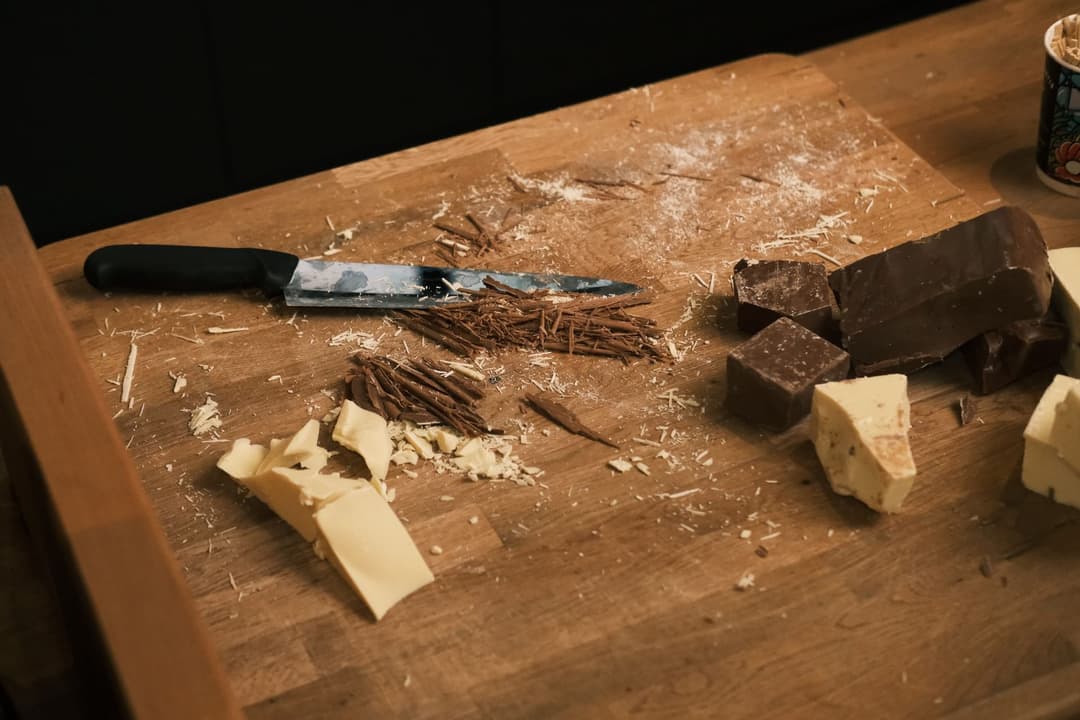
- Trimmings and bevel scraps. If you make your own soap, planing the edges, beveling corners, or cleaning up an uneven cut leaves a pile of curls and shavings.
- End pieces from a loaf. The first and last slices off a soap loaf are often thin, crooked, or unevenly cured, so they get set aside.
- Failed or ugly batches. Bars that came out lumpy, off-color, or lightly scented still lather fine and are perfect candidates for a second life.
All of these are finished soap. The lye has already reacted with the oils, so you're not handling anything caustic, just soap in an awkward shape. That's what makes slivers so easy to reuse.
Why You Shouldn't Toss Leftover Soap
A single sliver looks like nothing, but they add up. If you go through a bar of handmade soap every few weeks, you're throwing out the last quarter-ounce of each one, and that's before you count trimmings from your own batches. Over a year that's a fistful of perfectly good soap in the trash.
There's a cost angle too. Handmade and specialty bars run 6 to 12 dollars each, so the tail end of every bar is real money literally washing down the drain. Reusing slivers stretches what you already paid for, cuts waste, and gives you free hand soap, laundry soap, or gift bars in the process. For soap makers, saving scraps is even more worthwhile, since those trimmings represent oils, lye, and fragrance you spent time and money combining.
12 Ways to Use Up Soap Slivers
Here are the best ways to put leftover soap to work, from a two-minute fix to a weekend project.
1. Press Them Into a Brand-New Bar
Soften slivers with a little warm water, pack them tightly into a mold, and let them dry into a solid patchwork bar. It's the simplest way to reuse scraps and needs no heat. Full steps are below.
2. Rebatch Them Into Smooth Bars
Grate your slivers, melt them down with a splash of liquid, and remold them into a proper bar with a rustic finish. Rebatching gives you a sturdier, more uniform result than cold-pressing. Our step-by-step guide to rebatching soap covers the whole process.
3. Turn Them Into Liquid Hand Soap
Dissolve grated slivers in hot water and you get a pourable, gel-like hand soap for the bathroom or kitchen. It's the classic way to squeeze more life out of a bar, and there's a full recipe further down.
4. Make a Foaming Hand Soap
Dilute that liquid soap even further, pour it into a foaming soap dispenser, and the pump turns thin soapy water into rich foam. A foaming bottle needs a very watery mix, so this is a great use for a small pile of slivers.
5. Fill a Soap Saver Bag
Drop a handful of slivers into an exfoliating pouch, wet it, and scrub. The bag holds every scrap so nothing goes to waste, boosts lather, and gently exfoliates skin at the same time. When the bag empties, just add more slivers.
6. Felt Them With Wool
Wrap a bar-sized clump of slivers in wool roving, wet it with warm water, and gently rub until the fibers mat around the soap. Felted soap is a self-contained washcloth and scrubber, and it's a favorite at craft fairs.
7. Make Homemade Laundry Soap
Grate slivers finely and combine them with washing soda and borax for a batch of powdered laundry soap. Leftover bars are a natural fit here since the recipe calls for grated soap anyway. See our DIY laundry soap guide for ratios and instructions.
8. Whip Up a Household Cleaning Paste
Dissolve slivers into a thick soap gel and mix with baking soda for a gentle scrubbing paste that tackles sinks, tubs, and stovetops. It's cheaper and less harsh than many store cleaners, and it uses scraps you'd otherwise trash.
9. Pretreat Laundry Stains
Rub a damp sliver directly onto a collar ring, a grass stain, or a greasy spot before washing. Bar soap works like a solid stain stick, and a worn-down sliver is the perfect size to keep by the hamper.
10. Make Travel-Friendly Soap Balls
Soften a few slivers, knead them together like dough, and roll them into a smooth ball or press them into a fun shape. Soap balls dry hard, travel well without a container, and make quick, cheap party favors or kids' bath soaps.
11. Scent Drawers, Gym Bags, and Luggage
Tuck a wrapped sliver into a dresser drawer, a shoe, a gym bag, or a suitcase. It keeps things smelling fresh for months and does the job of a store-bought sachet for free. Scented handmade slivers work especially well here.
12. Ease Stuck Zippers and Squeaky Spots
Rub a dry sliver along a stubborn zipper, a sticky drawer runner, or a squeaky hinge. The soap acts as a light lubricant, and this is a handy way to retire a scrap that's too small for anything else.
How to Press Soap Slivers Into a New Bar
This no-cook method is the easiest way to turn a jar of scraps into a usable bar. It works best when your slivers are fresh and still a little soft, but even older, harder pieces will bind if you grate them first.
You'll need: a pile of slivers, warm water, a silicone soap mold or any small container, and a spoon or your hands.
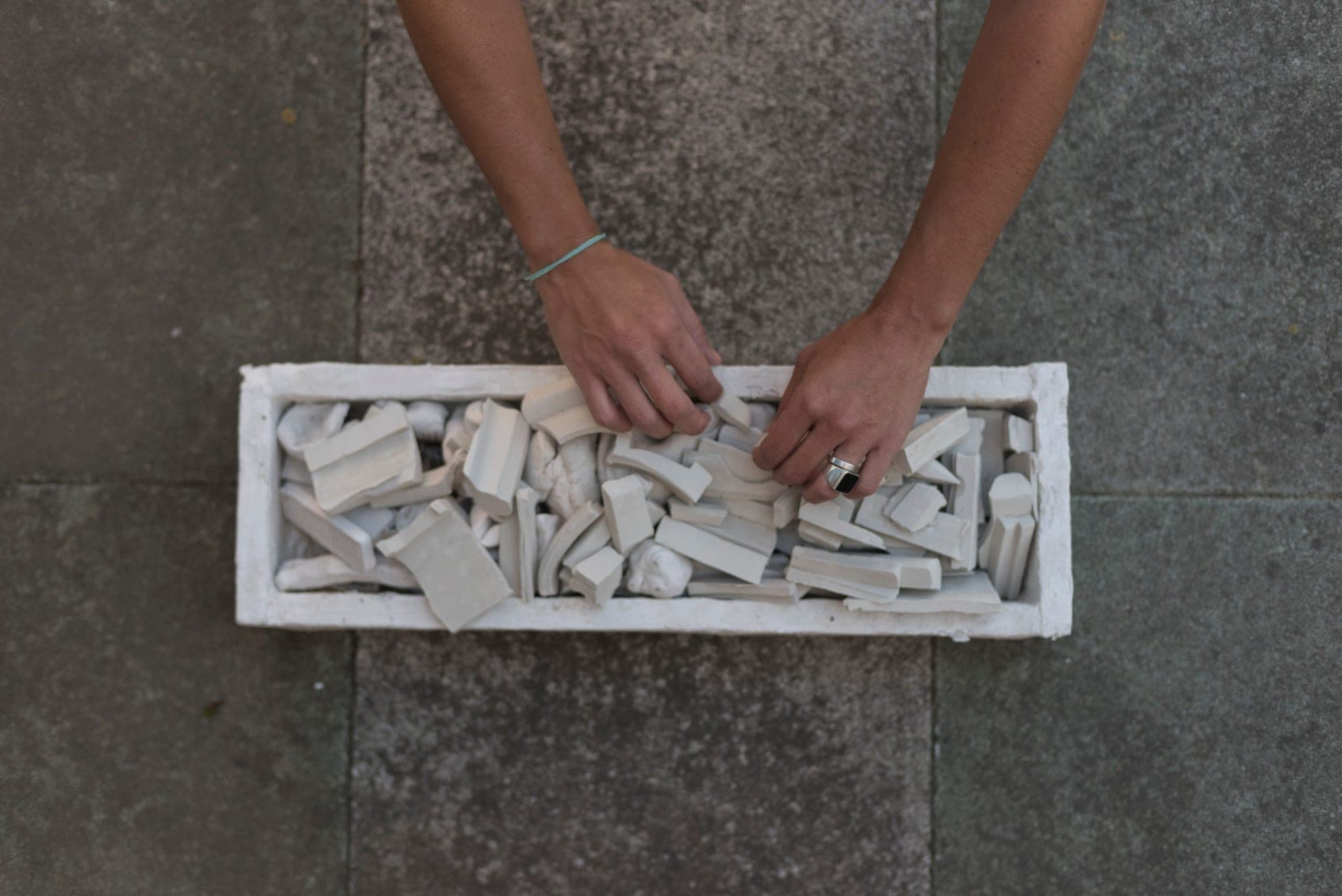
- Break down the slivers. Chop or grate them into small, roughly even pieces. Smaller bits pack together more tightly and leave fewer gaps.
- Soften them. Sprinkle the pieces with warm water, or soak them for a few minutes, until the surfaces turn tacky and slightly mushy. You want them sticky, not soupy, so add water a little at a time.
- Pack the mold. Press the softened pieces firmly into your mold, pushing down hard to squeeze out air pockets. The harder you compress, the more solid the finished bar.
- Add pressure and wait. Set a weight on top if your mold allows, then leave it somewhere dry for a few days to a week. As the water evaporates, the pieces fuse into one bar.
- Unmold and cure. Pop out the bar and let it air-dry for another week or two before using. A longer dry time gives you a harder, longer-lasting bar.
The result is a rustic, confetti-style bar that shows off the different colors of your scraps. It won't be as smooth as a poured bar, but it lathers exactly the same.
How to Make Liquid Soap From Soap Slivers
Turning slivers into liquid hand soap is the most popular reuse of all, and it takes about ten minutes of hands-on time.
You'll need: about 1 cup of grated slivers, 4 cups of water, a pot, a whisk, and a pump bottle.
- Grate the soap. Shred your slivers on a box grater. Finer shreds dissolve faster and more evenly.
- Heat the water. Bring 4 cups of water to a gentle simmer, then turn off the heat. You don't want a rolling boil.
- Stir in the soap. Add the grated soap and whisk until it dissolves completely. It'll look thin and watery at this stage, which is normal.
- Let it rest. Cover and leave it for 12 to 24 hours. As it cools and sits, the mixture thickens into a soft gel.
- Adjust the texture. If it's too thick, whisk in a little more warm water. If it's too thin, remelt and add more grated soap. Getting the ratio right takes a little trial and error depending on your soap.
- Bottle it. Pour the finished soap into a pump or foaming dispenser. Give it a shake before the first use.
A few notes: handmade cold process soap makes a cloudier, more gel-like liquid than commercial bars, and the consistency can vary batch to batch. That's normal and doesn't affect how well it cleans. If you want a smoother, clearer liquid soap made the proper way, our guide to making liquid soap from scratch with KOH walks through the real method.
Reusing Scraps From Your Own Soap Batches
If you make cold process soap, you generate slivers every time you cut, plane, or bevel a loaf, and those scraps are the best kind to save because you know exactly what's in them. Keep a dedicated container next to your cutting station and toss trimmings in as you go. When it fills up, rebatch them or press them into a bar.
A few cautions specific to homemade scraps:
- Don't reuse lye-heavy soap. If a bar failed because it was lye-heavy, reusing it won't fix that. Do a zap test first: touch a scrap to your tongue, and if it stings like a 9-volt battery, throw it out. Our troubleshooting guide explains how to spot a lye-heavy batch.
- Skip anything with the dreaded orange spots. Scraps showing orange DOS spots have rancid oils, and combining them into a new bar just spreads the problem. Compost or bin those.
- Group by scent when you can. Mixing a strong lavender scrap with a citrus one gives you a muddled smell. Sorting your saved slivers by fragrance family keeps your reused bars pleasant.
When you're ready to make a fresh batch instead of reworking scraps, run your oils through the free Soaply lye calculator first so your new soap comes out balanced and fully saponified. Getting the recipe right the first time means fewer failed batches and fewer scraps to deal with later. If you're new to the whole process, start with our beginner's guide to cold process soap.
How to Store Soap Slivers Until You Have Enough
One or two slivers won't fill a mold, so you'll want to collect them over time. Keep a small open container, a mesh bag, or a paper sack somewhere dry and airy. Avoid a sealed plastic bag, since trapped moisture can make soft slivers stick together or grow soft spots. Let each sliver dry out before adding it to the pile, and give the container a spot with a little airflow. Stored this way, slivers keep for months until you've saved enough for a project.
💬 Frequently Asked Questions
What can I do with old soap slivers?
Save them in a dry container until you have a handful, then press them into a new bar, rebatch them, dissolve them into liquid hand soap, fill a soap saver bag, or grate them into homemade laundry soap. Since slivers are finished soap, every one of these uses is quick and safe.
How do you make new soap bars from slivers?
Grate or chop the slivers, soften them with a little warm water until tacky, then pack them firmly into a mold and press hard to remove air pockets. Let the bar dry for a week or two as the water evaporates and the pieces fuse together. For a smoother result, rebatch by melting the grated soap with liquid before remolding.
Can you melt soap slivers back together?
Yes. Grate the slivers, add a splash of water or milk, and heat them gently in a slow cooker or double boiler until they soften into a thick, moldable mass, then press into a mold. This is called rebatching, and it gives you a sturdier bar than cold-pressing alone.
How do you turn leftover soap into liquid soap?
Grate about 1 cup of slivers, dissolve them in 4 cups of simmered water, then let the mix sit for 12 to 24 hours until it thickens into a gel. Adjust with more water or more soap to get the texture you want, then bottle it in a pump dispenser.
Are soap slivers still good to use?
Yes. A sliver is just a small piece of fully finished soap, so it lathers and cleans exactly like the rest of the bar did. The only pieces to skip are lye-heavy scraps that fail a zap test and any showing orange rancidity spots.
Put Those Scraps to Work
Soap slivers are free soap in an awkward shape, and now you've got 12 ways to use every last one, from a two-minute soap saver bag to a fresh pressed bar. Start a scrap jar today so the pieces are ready when you are. And when you're making a new batch from scratch, run your recipe through the free Soaply calculators so it comes out perfectly balanced, with fewer failed bars and fewer scraps to salvage down the road.
Ready to Try It?
Use our free soap calculator to create your perfect recipe with real-time property predictions.
Open Calculator