How to Make Tallow Soap: A Simple Recipe With Old-School Results
Learn how to make tallow soap from scratch with this beginner-friendly cold process recipe. Includes rendering tips, SAP values, and troubleshooting advice.
How to Make Tallow Soap: A Simple Recipe With Old-School Results
Tallow soap is the original handmade soap. Before coconut oil and shea butter took over the craft, people made soap from rendered animal fat for hundreds of years. And honestly? Tallow makes some of the best soap you'll ever use. It's creamy, long-lasting, and surprisingly gentle on skin.
- Why Make Soap With Tallow?
- What Is Tallow Exactly?
- How to Render Tallow for Soap Making
- Tallow Soap Recipe (Cold Process)
- Step-by-Step Instructions
- Can You Make 100% Tallow Soap?
- Tips for Better Tallow Soap
- Frequently Asked Questions
Why Make Soap With Tallow?
Tallow doesn't get enough credit in the soap making world. Here's why it deserves a spot in your recipe:
It's incredibly moisturizing. Tallow's fatty acid profile is close to human sebum, which means it absorbs into skin without leaving a greasy residue. It contains vitamins A, D, E, and K, all of which support healthy skin.
It makes a hard, long-lasting bar. Tallow produces a firm bar that won't turn to mush in your shower. You'll get weeks of use out of a single bar.
It's affordable. You can get beef fat from a butcher for a few dollars per pound, or even free. If you cook beef at home, you've already got the raw material sitting in your kitchen.
It lathers beautifully. Tallow creates a stable, creamy lather that's not as fluffy as coconut oil's bubbles but feels more luxurious on your skin.
It's zero-waste. Using animal fat that would otherwise get thrown away is about as sustainable as soap making gets.
What Is Tallow Exactly?
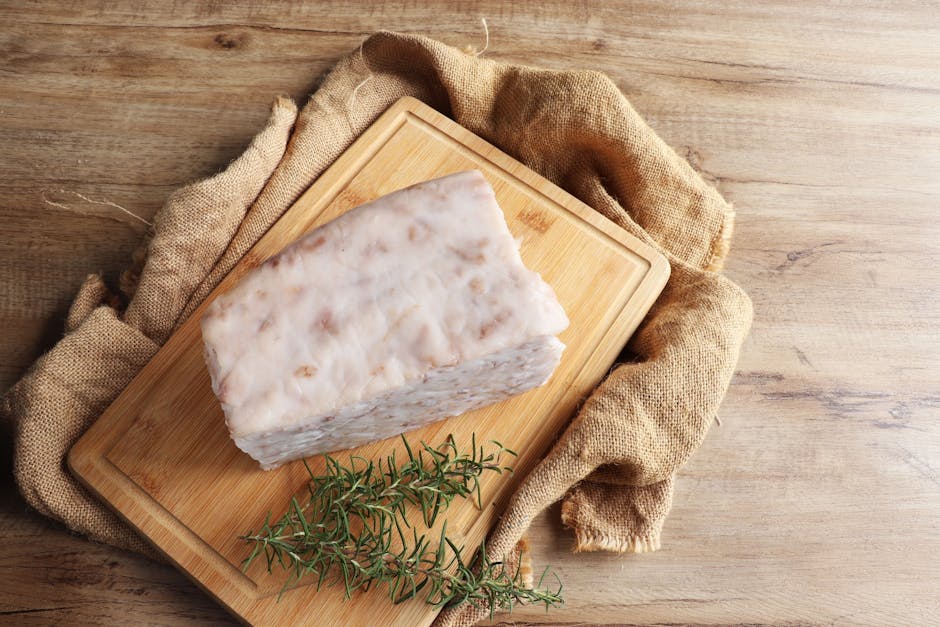
Tallow is rendered beef fat. "Rendered" means the raw fat has been slowly melted and strained to remove any meat, connective tissue, or impurities. The result is a clean, white, solid fat that's perfect for soap making.
The best tallow comes from suet, which is the hard fat around the kidneys. Suet renders into the whitest, least "beefy" tallow. Fat from other parts of the animal works too, but it may have a stronger scent.
| Fat Type | Source | Quality for Soap |
| ---------- | -------- | ----------------- |
| Suet/Leaf Fat | Around kidneys | Best, whitest, mildest scent |
| Back Fat | Along the spine | Good, slightly more odor |
| Drippings | Cooked meat | Usable, may need double rendering |
You can also use lard (rendered pig fat) in the same way. Lard produces a slightly softer bar but is just as skin-friendly.
How to Render Tallow for Soap Making
If you're starting with raw beef fat, you'll need to render it first. This is simple but takes a few hours.
What You'll Need
- 3-5 pounds raw beef fat (ask your butcher for suet)
- A large pot or slow cooker
- Fine mesh strainer or cheesecloth
- Glass jars for storage
Rendering Steps
- Trim and chop the fat. Cut away any meat or blood spots. Chop into small pieces (1-inch cubes) or ask your butcher to grind it. Smaller pieces render faster.
- Melt slowly. Put the fat in a large pot on the lowest heat setting, or use a slow cooker on low. Add about 1/4 cup of water to prevent scorching. This water will evaporate during the process.
- Stir occasionally. Let it melt for 3-4 hours on the stove (or 8 hours in a slow cooker). You'll see clear liquid fat separating from crispy bits called "cracklings."
- Strain. Pour the melted fat through a fine mesh strainer lined with cheesecloth into glass jars. Discard the cracklings (or fry them as a snack, seriously).
- Cool and store. Let the tallow solidify at room temperature, then refrigerate. Properly rendered tallow keeps for months in the fridge or up to a year in the freezer.
Pro tip: For the cleanest soap, render your tallow twice. After the first render solidifies, melt it again with a cup of water, let it cool, and scrape any impurities off the bottom. This "double rendered" tallow produces whiter soap with no beefy smell.
Tallow Soap Recipe (Cold Process)
This recipe is designed for beginners. It uses tallow as the primary fat with coconut oil for extra lather and olive oil for conditioning.
Oil Blend
| Oil | Percentage | Purpose |
| ----- | ----------- | --------- |
| Beef Tallow | 50% | Hardness, creamy lather, moisturizing |
| Olive Oil | 30% | Conditioning, gentle on skin |
| Coconut Oil | 15% | Big bubbly lather, cleansing |
| Castor Oil | 5% | Lather booster, stabilizer |
Settings
- Superfat: 5%
- Lye Concentration: 33% (2:1 water to lye ratio)
Plug these percentages into the Soaply calculator with your total oil weight to get exact lye and water amounts. For a standard batch, 32 oz (907g) of total oils works well and fills a standard loaf mold.
Supplies Checklist
- Digital scale (measure everything by weight, not volume)
- Stick blender
- Safety goggles and gloves
- Infrared thermometer
- Silicone loaf mold
- Heat-safe containers for lye mixing
- Stainless steel or plastic spoons
Step-by-Step Instructions
Step 1: Prep Your Workspace
Put on safety goggles and gloves. Lye is caustic and can burn skin and eyes on contact. Work in a ventilated area and keep kids and pets away.
Step 2: Weigh Your Ingredients
Use the Soaply calculator to get exact amounts. For a 32 oz batch with the recipe above:
| Ingredient | Amount |
| ----------- | -------- |
| Beef Tallow | 16 oz (454g) |
| Olive Oil | 9.6 oz (272g) |
| Coconut Oil | 4.8 oz (136g) |
| Castor Oil | 1.6 oz (45g) |
| Sodium Hydroxide (Lye) | ~4.4 oz (use calculator for precision) |
| Distilled Water | ~8.9 oz (use calculator for precision) |
Always use the calculator for your exact lye amount. Even small differences in tallow composition can change the SAP value slightly.
Step 3: Make the Lye Solution
Add lye to water (never water to lye). Stir until fully dissolved. The mixture will heat to about 200°F. Set it aside in a safe spot to cool to 100-110°F.
Step 4: Melt and Combine Oils
Melt the tallow and coconut oil in a pot on low heat. Once melted, add the olive oil and castor oil. Let the oil blend cool to 100-110°F.
Step 5: Combine and Blend
When both the lye solution and oils are around 100-110°F, slowly pour the lye solution into the oils. Use a stick blender in short bursts to mix until you reach "light trace," which looks like thin pudding.
Step 6: Add Fragrance (Optional)
At light trace, stir in 1-1.5 oz of essential oil or fragrance oil per pound of base oils. Lavender, cedarwood, and eucalyptus all pair well with tallow soap. Skip fragrance entirely if you want a simple, unscented bar.
Step 7: Pour and Insulate
Pour the batter into your mold. Tap it on the counter to release air bubbles. Cover with a piece of cardboard and wrap with a towel to insulate. Tallow traces quickly and gels nicely.
Step 8: Unmold and Cure
After 24-48 hours, unmold and cut into bars. Cure on a rack with airflow for 4-6 weeks. Tallow bars get noticeably better with time as the bar hardens and the lather improves.
Can You Make 100% Tallow Soap?
Yes, you absolutely can. A 100% tallow soap (sometimes called "pure tallow soap") makes a very hard, white bar with a creamy lather. It won't produce big fluffy bubbles like a coconut oil blend, but it's incredibly gentle and moisturizing.
For 100% tallow soap, use a 5-8% superfat and a 33% lye concentration. Run it through the Soaply calculator to get your lye amount.
The trade-off? Less lather. That's why most soapmakers add at least 15% coconut oil for bubbles and 5% castor oil to boost and stabilize the lather. But if you've got sensitive skin and you don't mind a low-lather bar, 100% tallow is worth trying.
Tips for Better Tallow Soap
Double render your tallow. This is the single biggest thing you can do for a better finished product. Double-rendered tallow produces white bars with zero beefy smell.
Use grass-fed tallow when possible. Grass-fed beef fat has a better fatty acid profile with more conjugated linoleic acid (CLA) and vitamins. It's not required, but it does make a difference in the finished soap's feel.
Don't soap too hot. Tallow accelerates trace, especially in combination with fragrance oils. Keep your temperatures around 100-110°F and use a slow-moving fragrance to avoid seizing.
Gel phase works well. Tallow soaps benefit from gel phase. Insulating your mold helps the soap go through gel evenly, which produces a slightly shinier, harder bar.
Cure for the full 4-6 weeks. Tallow soap gets significantly better with a proper cure. The bar hardens, the pH drops, and the lather improves. Don't rush it.
Add sodium lactate for easy unmolding. Tallow makes hard bars, but adding 1 tsp of sodium lactate per pound of oils helps with clean release from the mold.
💬 Frequently Asked Questions
Does tallow soap smell like beef?
Not if you render it properly. Double-rendered tallow produces soap with little to no beefy scent, and any trace disappears completely after a 4-6 week cure. Adding essential oils or fragrance also covers any lingering notes.
Is tallow soap good for sensitive skin?
It's one of the best options for sensitive skin. Tallow's fatty acid profile is similar to human sebum, so it's easily absorbed and non-irritating. It contains vitamins A, D, E, and K that support skin health. Many people with eczema and dry skin report improvement after switching to tallow soap.
Where can I buy beef tallow for soap making?
Your local butcher is the cheapest source. Ask for suet (kidney fat) and render it yourself. You can also buy pre-rendered tallow online from farms and specialty suppliers. Grocery store beef fat works too, but butcher-quality suet is best.
Can I use tallow from cooking drippings?
You can, but it needs extra processing. Cooking drippings contain salt, seasonings, and food particles that can cause problems in soap. Strain the drippings, then render them with water (the water method purifies the fat). Double render for best results.
How does tallow compare to palm oil in soap?
Tallow and palm oil have similar SAP values and produce bars with similar hardness and lather profiles. Many soapmakers use tallow as a direct palm oil substitute for sustainability or ethical reasons. The main difference is that tallow produces a slightly creamier lather while palm oil's is a bit more fluffy.
Start Your First Tallow Soap Batch
Tallow soap is affordable, sustainable, and produces bars that rival anything you'd buy at a farmer's market. If you've got access to beef fat (and it's easier to find than you think), you've got the foundation for incredible handmade soap.
Head over to the Soaply calculator, plug in the recipe above, and get your exact lye and water amounts. Your first batch of tallow soap is just a weekend project away.
Ready to Try It?
Use our free soap calculator to create your perfect recipe with real-time property predictions.
Open Calculator