How to Make Castile Soap: The Classic 100% Olive Oil Recipe
Learn how to make traditional Castile soap using 100% olive oil. Gentle, moisturizing, and perfect for sensitive skin. Includes recipe, tips, and variations.
Castile soap is one of the oldest and most respected soap recipes in existence. Originating from the Castile region of Spain, this soap is made with 100% olive oil and is known for its extreme gentleness, creamy lather, and moisturizing properties.
If you've ever wanted to make a simple, traditional soap, this is where to start.
- What Makes Castile Soap Special?
- Castile vs. Bastille Soap
- The Recipe
- Step-by-Step Instructions
- Tips for Success
- Troubleshooting
- Variations and Adaptations
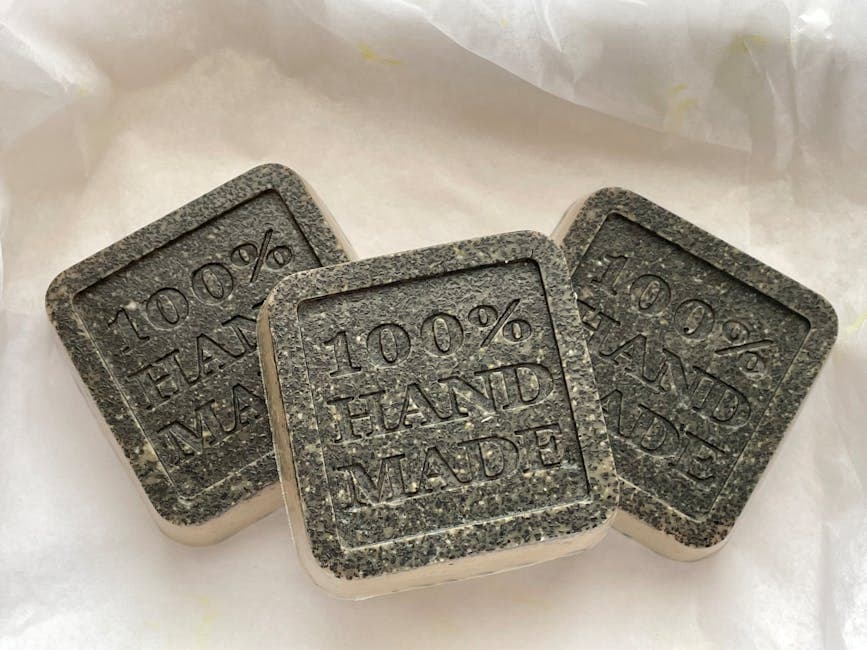
What Makes Castile Soap Special?
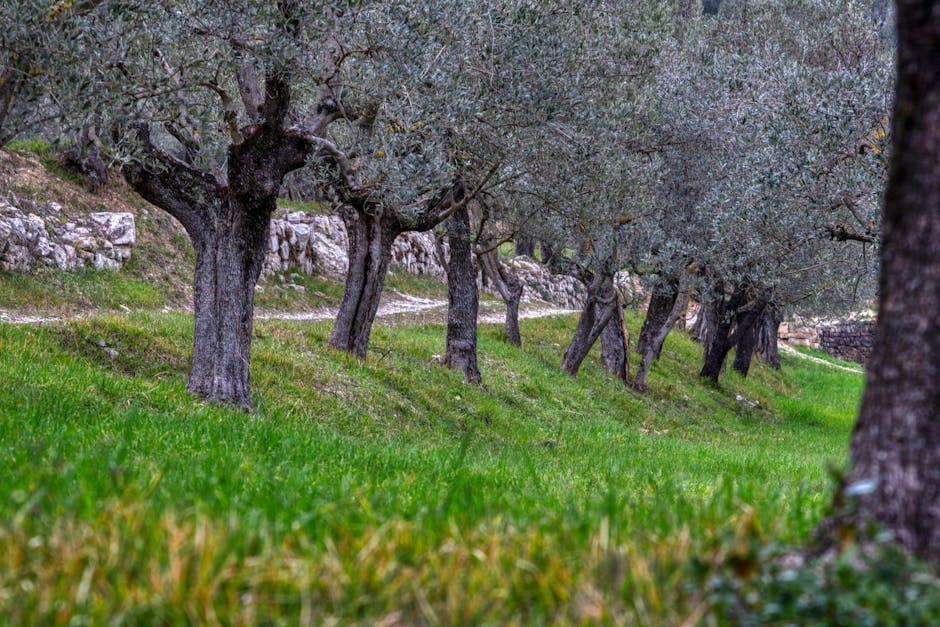
Unlike most soap recipes that use a blend of oils, Castile soap uses only one: olive oil. This gives it some unique properties:
- Gentle: safe for sensitive skin, babies, and people with eczema
- Deeply moisturizing: olive oil is rich in oleic acid, which conditions the skin
- Mild lather: produces a creamy, lotion-like lather rather than big bubbles
- Long-lasting bars: once fully cured, Castile soap becomes very hard
- Simple ingredient list: just olive oil, lye (sodium hydroxide), and water
The trade-off? Castile soap requires a much longer cure time than most recipes : typically 6 to 12 months for the best results. This is often called "Bastille patience."
Castile vs. Bastille Soap
You'll often hear the term "Bastille soap" alongside Castile. Here's the difference:
- Castile: 100% olive oil (traditional, purist definition)
- Bastille: At least 70-80% olive oil with small amounts of other oils (like coconut or castor) added for better lather and faster cure
Both are excellent choices. If you want tradition and simplicity, go Castile. If you want a more balanced bar that cures faster, try Bastille.
The Recipe
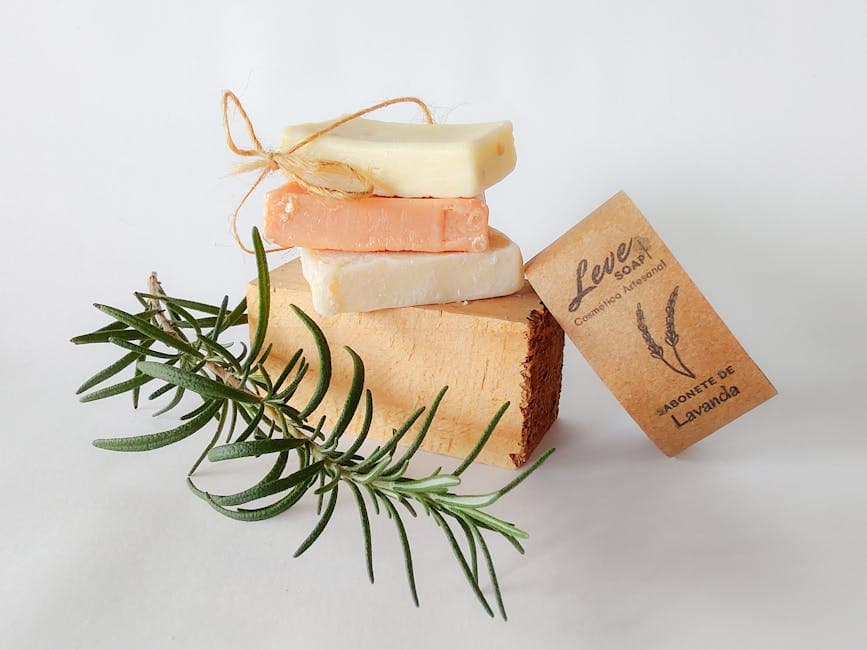
This recipe makes approximately 1 kg (~2.2 lbs) of soap : enough for about 8-10 bars.
Ingredients
| Ingredient | Amount |
| ----------- | -------- |
| Olive oil (pomace or pure) | 700 g (24.7 oz) |
| Sodium hydroxide (NaOH) | 89.6 g (3.16 oz) |
| Distilled water | 233 g (8.2 oz) |
| Superfat | 5% |
| Lye concentration | 27.8% |
Always run your recipe through a lye calculator before making soap. SAP values vary slightly between oil brands, and accuracy matters for safety.
Optional Additions
- Essential oil at 6% fragrance load: ~42 g (lavender and tea tree are classic choices)
- Sodium lactate at 1 tsp per pound of oils : helps the bars harden faster in the mold
Equipment You'll Need
- Digital scale (accurate to 0.1g)
- Heat-resistant mixing containers
- Stick blender (immersion blender)
- Soap mold (silicone loaf mold works great)
- Safety gear: goggles, gloves, long sleeves
- Thermometer
For a complete safety overview, read our soap making safety guide.
Step-by-Step Instructions
1. Prepare Your Workspace
Put on your safety gear. Ensure good ventilation : you'll be working with lye. Have vinegar nearby (not for neutralizing lye burns : use water for that : but for cleaning up spills on surfaces).
2. Mix the Lye Solution
Slowly add the sodium hydroxide to the distilled water (never the reverse). Stir until fully dissolved. The solution will heat up to about 200°F (93°C). Set aside to cool.
3. Heat the Olive Oil
Warm your olive oil to approximately 100-110°F (38-43°C). Olive oil is liquid at room temperature, so you may not need much heating.
4. Combine and Blend
When both the lye solution and oil are around 100-110°F, slowly pour the lye solution into the olive oil while blending with your stick blender.
Important note about Castile soap: Reaching trace can take a long time : sometimes 20-45 minutes of blending. This is normal for 100% olive oil. Be patient. You're looking for a light trace (the consistency of thin pudding).
Tip: Using pomace olive oil instead of extra virgin will reach trace much faster due to its higher free fatty acid content.
5. Add Fragrance (Optional)
At light trace, stir in your essential oils if using. Blend briefly to incorporate.
6. Pour and Insulate
Pour into your mold and tap gently to release air bubbles. Cover with a lid or cardboard, then wrap in a towel. Castile soap benefits from a warm environment during the first 24-48 hours.
7. Unmold
Wait at least 48-72 hours before unmolding. Castile soap is soft when fresh : if it's still too soft to handle, wait longer. Sodium lactate helps significantly here.
8. Cut and Cure
Cut into bars and place on a curing rack with good air circulation. Flip the bars every week or so.
Cure time: 6-12 months. Yes, really.
At 4-6 weeks, the soap is technically safe to use, but it will be slimy and soft. The magic of Castile soap happens during the long cure:
- The bar becomes progressively harder
- Lather improves dramatically
- The slimy feeling disappears
- The soap becomes mild and creamy
Many Castile soap makers say the 1-year mark is when the soap is at its best.
Olive Oil Types: Which to Use?
Not all olive oil is created equal for soap making:
| Type | Trace Speed | Cost | Notes |
| ------ | ------------ | ------ | ------- |
| Pomace | Fast | Low | Best for soap making : reaches trace quickly, affordable |
| Pure/Classic | Medium | Medium | Good all-around choice |
| Extra Virgin | Very slow | High | Hardest to work with, but some prefer the quality |
| Light/Refined | Medium | Low-Medium | Works fine, less color than EVOO |
Recommendation: Use pomace olive oil for soap making. It's the most practical choice : affordable, easy to trace, and makes excellent soap. Save the extra virgin for cooking!
Common Castile Soap Issues
"My soap is slimy/snotty!"
This is the #1 complaint about Castile soap, and it almost always means the soap hasn't cured long enough. Give it more time. At 6+ months, the sliminess disappears.
"It won't reach trace!"
100% olive oil is slow to trace. Use pomace olive oil, ensure your temperatures are correct (100-110°F), and keep blending. You can also try a higher lye concentration (up to 33%) to speed things up.
"The bars are too soft to unmold"
Add sodium lactate at 1 tsp per pound of oils. Also try waiting 72+ hours before unmolding.
"The lather is disappointing"
Castile soap will never produce the big, fluffy lather that coconut oil gives. Its lather is creamy and lotion-like. This is a feature, not a bug. It's a gentle soap. If you want more lather, try a Bastille variation with 10-20% coconut oil.
Bastille Variations
If pure Castile is too minimal for you, try these Bastille blends. Run them through our calculator to get accurate lye amounts:
Gentle Bastille (80/20)
- 80% Olive oil
- 15% Coconut oil
- 5% Castor oil
- Better lather, 4-6 week cure
Balanced Bastille (70/30)
- 70% Olive oil
- 20% Coconut oil
- 5% Shea butter
- 5% Castor oil
- Great lather, good hardness, 4-6 week cure
Use our soap bar properties guide to understand how each oil affects the final bar.
Historical Context
Castile soap has been made in Spain since at least the 12th century, when the Moors introduced olive oil soap making to the Iberian Peninsula. The Castile region became famous for its pure olive oil soap, which was considered a luxury throughout Europe.
Today, the term "Castile" is sometimes used loosely (Dr. Bronner's calls their coconut-olive blend "Castile"), but traditional soap makers reserve the name for 100% olive oil bars.
Wrapping Up
Castile soap is the ultimate exercise in simplicity and patience. One oil, one lye, water, and time. The result is a soap that's gentle enough for the most sensitive skin and improves with age like fine wine.
Quick Links:
- Run this recipe through our calculator to verify lye amounts
- Learn about soap bar properties and what olive oil brings
- Read the complete guide to superfat to understand why 5% works here
- Explore palm-free soap recipes for more single-origin ideas
Happy soaping! 🫒🧼
Ready to Try It?
Use our free soap calculator to create your perfect recipe with real-time property predictions.
Open Calculator